- Company Articles
- Products and Technology
- Product knowledge
- Chrome Three Way Lean Pipe Joints for Mobile Workstations: Design Tips

Chrome Three Way Lean Pipe Joints for Mobile Workstations: Design Tips
Related Product
Three Way Lean Pipe Joint
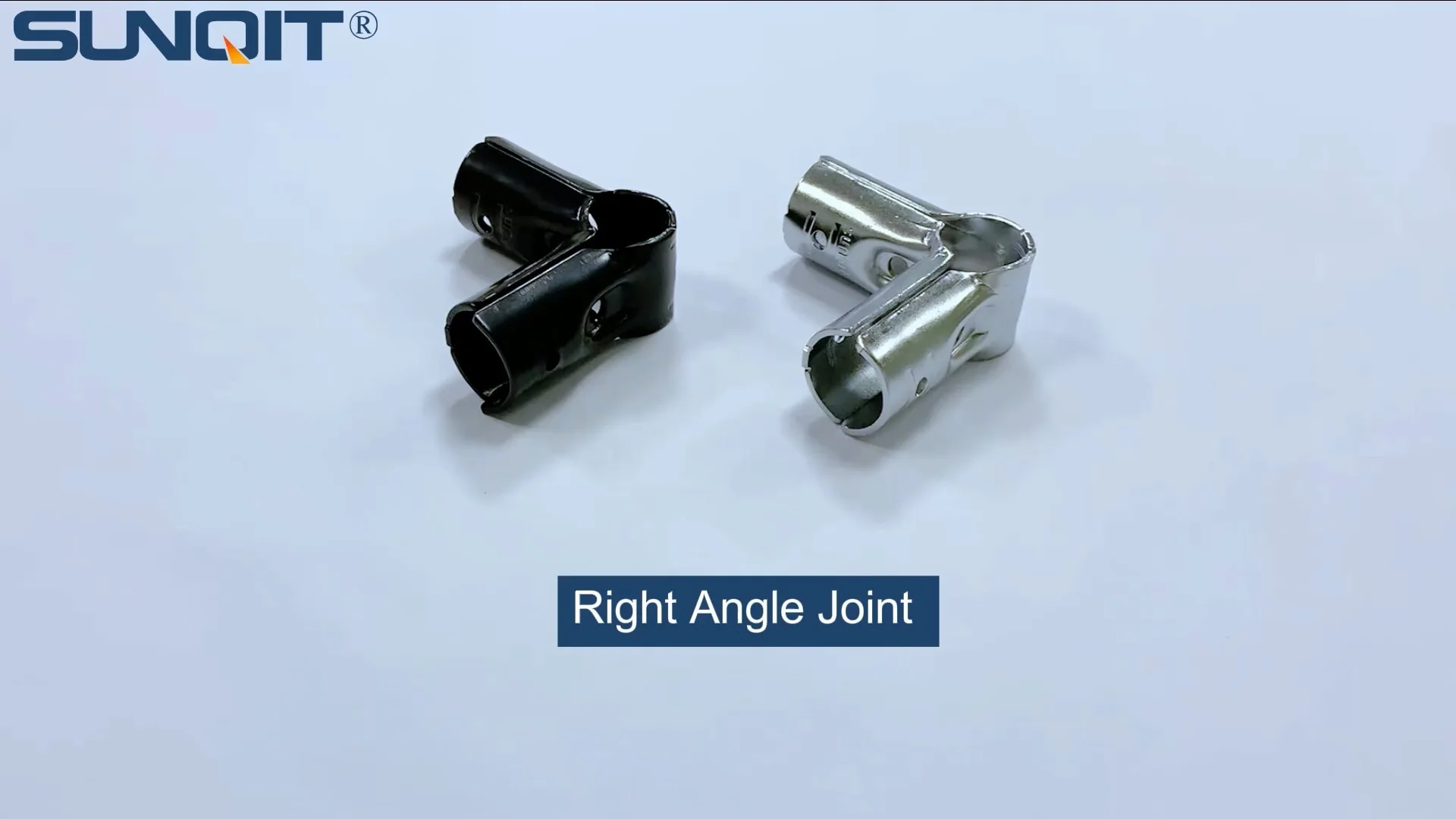
Three way lean pipe joint for 3 pcs 28MM lean pipe connection in straight angle, which used widely in workbench, flow rack, hand trolley frame connection.
In the fast-paced world of manufacturing and warehouse operations, the ability to adapt quickly isn't just a luxury—it's a necessity. Mobile workstations have become the unsung heroes of lean systems, allowing teams to reconfigure layouts, reduce waste, and keep production flowing seamlessly. But behind every sturdy, flexible mobile workstation lies a critical component that often goes unnoticed: the joints that hold it all together. Among these, chrome three way lean pipe joints stand out as a quiet powerhouse, offering the strength, versatility, and durability needed to build workstations that keep up with the demands of modern workflows. In this guide, we'll dive into the art and science of designing mobile workstations with these joints, sharing practical tips to ensure your setup is stable, efficient, and ready to evolve.
Understanding Chrome Three Way Lean Pipe Joints: More Than Just a Connector
Before we jump into design tips, let's take a moment to appreciate what makes chrome three way lean pipe joints so essential. At first glance, they might seem like simple pieces of hardware, but their design is a masterclass in functional engineering. These joints are typically made from high-quality steel with a chrome plating, which gives them two key advantages: resistance to corrosion (critical in busy, sometimes humid work environments) and a smooth, professional finish that holds up against daily wear and tear.
What sets the "three way" design apart? Unlike standard two-way joints, which connect pipes in a straight line or at a 90-degree angle, three way joints allow for connections in three directions—think of them as the intersection point where a vertical support, a horizontal beam, and a diagonal brace might meet. This versatility makes them ideal for building complex structures like mobile workstations, where stability and multi-directional support are non-negotiable.
But it's not just about structure. These joints are designed for speed, too. Most feature a threaded bolt or cam mechanism that lets you tighten or loosen connections by hand, eliminating the need for specialized tools. This means your team can assemble, disassemble, or reconfigure a workstation in minutes, not hours—a game-changer for lean operations where downtime equals lost productivity.
Design Tip 1: Start with Material Compatibility
One of the biggest mistakes teams make when designing mobile workstations is overlooking how well their chrome three way joints will pair with the pipes and frames they're using. While these joints are durable, they're not universal, and mismatched materials can lead to wobbly structures, stripped threads, or even safety hazards.
Let's start with the pipes themselves. Most lean pipe workstations use either steel pipes (often coated in plastic for grip and protection) or aluminum profile. Chrome three way joints are typically designed to fit standard 28mm or 30mm pipes, but it's crucial to check the inner diameter of the joint before purchasing. For example, if you're using aluminum profile—a lightweight, corrosion-resistant option popular in cleanrooms or electronics manufacturing—you'll want to ensure the joint's grip mechanism is gentle enough to avoid damaging the aluminum's finish but tight enough to prevent slippage.
Another consideration is the environment. If your workstation will be exposed to moisture, chemicals, or frequent cleaning (like in food processing or pharmaceutical settings), pairing chrome joints with stainless steel pipes or aluminum profile can add an extra layer of protection against rust and degradation. In contrast, in dry, low-debris environments, standard steel pipes with plastic coating might be more cost-effective, and chrome joints will still hold up beautifully.
Pro tip: Always test a small assembly with your chosen pipes and joints before building the full workstation. Attach a three way joint to two pipes, tighten it as you would in the final setup, and give it a gentle shake. If there's any movement or creaking, the fit might be off—better to adjust now than to rebuild later.

Design Tip 2: Prioritize Mobility with the Right Caster Wheel
What's a mobile workstation without mobility? Even the sturdiest frame built with chrome three way joints will fall flat if it can't move smoothly across your facility floor. That's where the caster wheel comes in—and choosing the right one is more nuanced than you might think.
First, consider the load. Every caster wheel has a weight rating, and it's not just about the workstation itself—you need to account for the tools, materials, and even operators that might be on it. A good rule of thumb is to aim for a caster wheel with a rating that's 50% higher than your estimated maximum load. For example, if your lean pipe workbench will hold 200kg of equipment, opt for casters rated for 300kg or more. This extra margin prevents premature wear and ensures the wheels roll smoothly even when fully loaded.
Next, think about the floor surface. If your facility has smooth concrete or vinyl floors, standard rubber caster wheels will work well—they're quiet, grip well, and won't scratch the surface. But if you're dealing with rough concrete, grated floors, or outdoor paths, you might need polyurethane wheels, which are more resistant to cuts and abrasions. For cleanrooms or labs, consider conductive caster wheels to prevent static buildup—though this is less common in general manufacturing.
Don't forget about brakes. Most mobile workstations need to stay put when in use, so look for casters with a total lock brake, which locks both the wheel and the swivel mechanism. This prevents the workstation from rolling or twisting during tasks that require precision. And when integrating casters with your chrome three way joints, ensure the mounting plate (the part that attaches the caster to the frame) is compatible with the joint's design. Some joints have a threaded hole at the base specifically for caster mounting, while others might require an adapter—double-checking this saves frustration during assembly.

Design Tip 3: Integrate Roller Track for Seamless Material Flow
Mobile workstations aren't just about moving people and tools—they're also about moving materials. Whether you're passing parts between stations on an assembly line or transporting finished products to packaging, integrating roller track into your workstation design can turn a static bench into a dynamic part of your workflow.
Roller track systems consist of a series of small wheels mounted on a rail, allowing materials to slide or roll with minimal effort. When paired with chrome three way joints, they can be added to the sides, front, or even top of a workstation, creating custom pathways for bins, totes, or components. For example, mounting a roller track along the edge of your lean pipe workbench lets operators push a bin of screws to the next station without lifting, reducing strain and speeding up tasks.
When designing with roller track, pay attention to the angle. A slight incline (usually 3-5 degrees) is enough to let gravity do the work, but too steep and materials might slide too quickly, risking damage. You can adjust the angle by using your three way joints to raise one end of the track slightly—just make sure the joints are tightened securely to prevent the track from shifting over time.
Also, consider the size of the items you'll be moving. Smaller parts might need a roller track with closer wheel spacing to prevent tipping, while larger totes work better with wider-spaced wheels for stability. Most roller track systems come with adjustable mounts, so you can fine-tune the setup based on your needs—another example of how the modularity of lean pipe systems (powered by joints like the chrome three way) shines.

Design Tip 4: Build for Ergonomics and User Comfort
A workstation that's mobile and sturdy is great, but if it's uncomfortable to use, your team won't want to work at it—and that defeats the purpose of a lean setup. Ergonomics should be at the forefront of your design, and chrome three way joints play a key role here by letting you customize heights, angles, and layouts to fit human needs, not just equipment.
Start with the work surface height. The ideal height for a lean pipe workbench depends on the tasks being performed: 750-800mm for seated work (like assembly or quality control) and 900-950mm for standing work (like packing or machine operation). With three way joints, you can easily adjust the height by adding or removing pipe segments between joints. For even more flexibility, consider building a workstation with a split-level surface—using joints to create a lower tier for tools and a higher tier for displays or monitors, reducing neck strain.
Next, think about reach. The "golden zone" for any workstation is the area within arm's reach without stretching—typically 400-600mm from the operator's body. Use your three way joints to position shelves, tool hooks, or roller track within this zone, so workers don't have to lean or twist to grab what they need. For example, mounting a small roller track bin holder on the side of the workstation, just below the work surface, keeps frequently used parts within easy grasp.
Lighting and cable management are often overlooked but critical ergonomic factors. Use three way joints to attach adjustable task lights above the work surface, ensuring bright, shadow-free illumination. For cables, add a small shelf or tray (mounted with, you guessed it, three way joints) under the workbench to keep power cords and data lines organized and out of the way, preventing trips and clutter.
Design Tip 5: Plan for Adaptability
Lean manufacturing isn't static—and neither should your workstation. The best designs anticipate change, and chrome three way lean pipe joints are perfectly suited for this thanks to their modular nature. When planning your setup, ask yourself: How might this workstation need to evolve in six months? A year? Will we add new tools? Expand production? Change the layout of the facility?
One way to build in adaptability is to leave extra "connection points" using three way joints. For example, when assembling the frame, add an extra joint on each corner, even if you don't need it right away. These can later be used to attach new shelves, roller track extensions, or additional casters if the workstation needs to grow. Similarly, opt for longer pipes than you initially need—you can always cut them down later, but extending a frame is harder if you're short on material.
Another strategy is to standardize on components. If all your workstations use the same size pipes, joints, and caster wheels, you can easily swap parts between them. For instance, if one workstation needs a taller shelf, you can take a pipe segment from a less-used bench and reattach it using three way joints—no need to buy new materials. This not only saves money but also reduces waste, aligning with lean principles.
Case in point: A electronics manufacturer we worked with recently designed their mobile workstations with extra three way joints and modular roller track. When they introduced a new product line with larger components, they simply added taller side rails using the extra joints and widened the roller track to accommodate bigger bins—all without replacing the entire workstation. The result? A reconfiguration that took two hours instead of two days, and zero new materials purchased.
Key Considerations: A Quick Reference Table
| Design Aspect | What to Consider | Pro Tip |
|---|---|---|
| Material Compatibility | Match joint size to pipe diameter; consider environment (moisture, chemicals). | Test with sample pipes/joints before full assembly. |
| Caster Wheel Selection | Load rating (50% over max load), floor type, brake mechanism. | Opt for total-lock brakes for stability during use. |
| Roller Track Integration | Wheel spacing (based on material size), angle (3-5 degrees for gravity flow). | Mount within arm's reach to reduce strain. |
| Ergonomics | Work surface height (750-950mm), reach zone (400-600mm), lighting. | Add adjustable components (shelves, lights) for versatility. |
| Adaptability | Extra connection points, standardized components. | Leave 10-15% extra pipe length for future extensions. |
Common Mistakes to Avoid
Even with the best tips, it's easy to slip up during the design process. Here are a few pitfalls to watch out for:
- Over-tightening joints: Chrome three way joints are strong, but cranking the bolt too hard can strip the threads or warp the pipe. Tighten until the joint is secure, then give it a quarter-turn more—no need for Herculean strength.
- Ignoring weight distribution: Placing heavy equipment on one side of the workstation can cause it to tip, even with caster wheels. Use three way joints to build a balanced frame, with weight spread evenly across all four corners.
- Skipping the prototype: It's tempting to dive into full assembly, but building a small prototype first lets you test stability, mobility, and ergonomics. A 1:1 mockup of the work surface and frame takes an hour to build and can save days of rework.
- Forgetting about maintenance: Chrome joints are low-maintenance, but they're not maintenance-free. Periodically check bolts for tightness, clean caster wheels of debris, and lubricate roller track wheels to keep everything running smoothly.
Conclusion: Building Workstations That Grow With You
At the end of the day, designing a mobile workstation with chrome three way lean pipe joints is about more than just putting pipes together—it's about creating a tool that empowers your team, adapts to change, and embodies the principles of lean manufacturing. By prioritizing material compatibility, choosing the right caster wheel, integrating roller track for flow, focusing on ergonomics, and planning for adaptability, you'll build a workstation that's not just functional, but future-ready.
Remember, the best workstations are those that disappear into the background—letting your team focus on what they do best, not on wrestling with clunky, outdated equipment. With chrome three way joints as your foundation, you're well on your way to creating a workspace that's strong, flexible, and truly built for the way you work.