- Company Articles
- Products and Technology
- Application Cases
- Chrome Two Way Lean Pipe Joints in Cleanrooms: Particle Contamination Control

Chrome Two Way Lean Pipe Joints in Cleanrooms: Particle Contamination Control
Related Product
Two Way Lean Pipe Joint
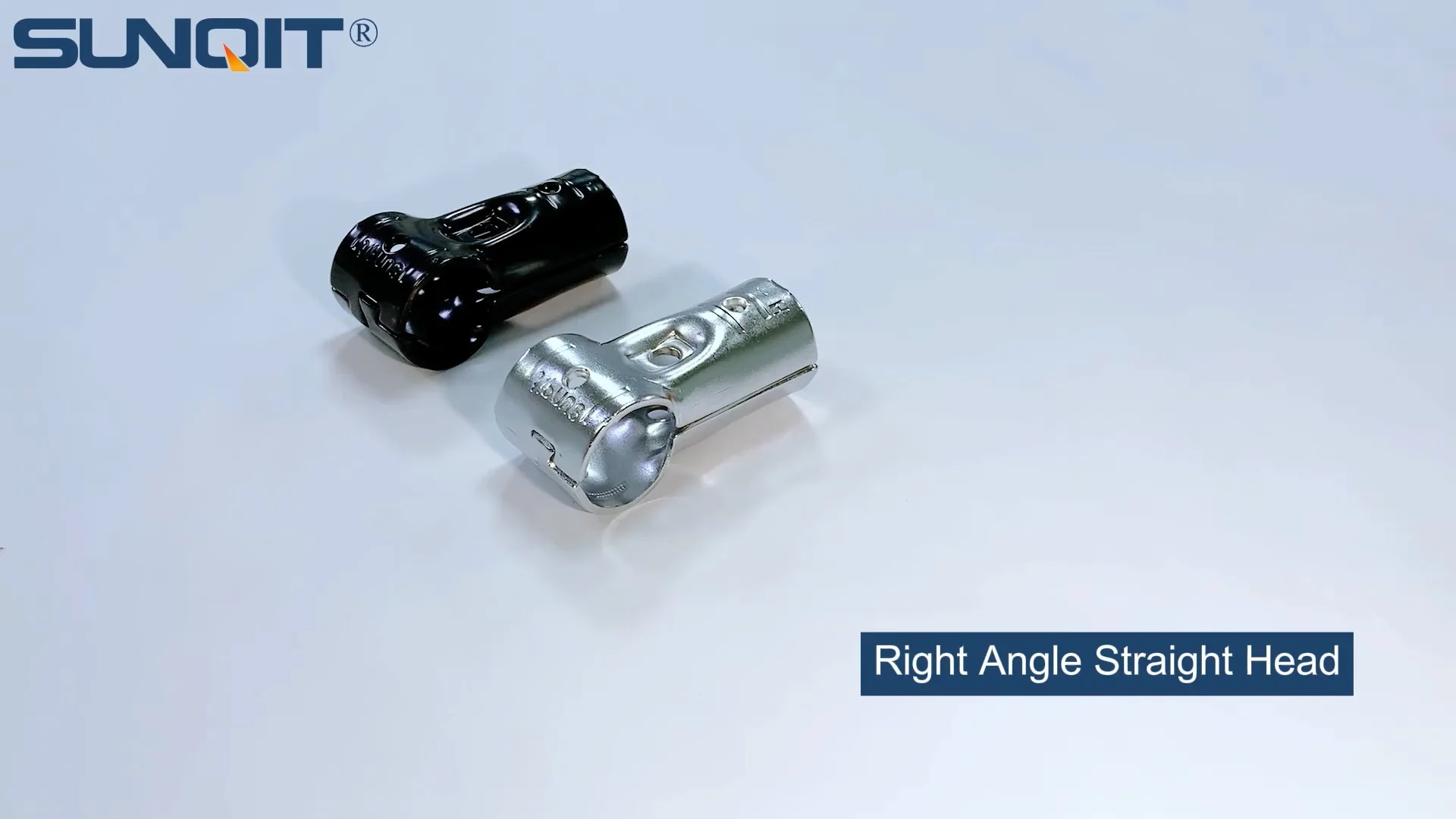
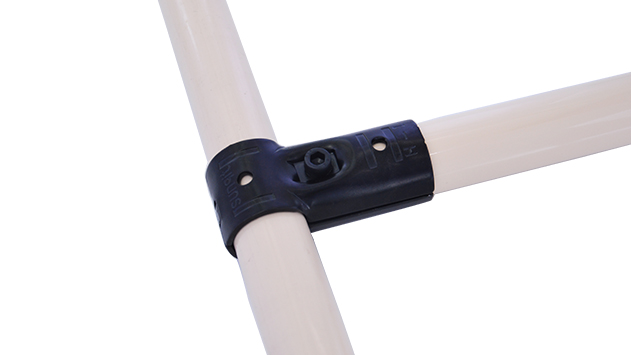
Two way lean pipe joint for 2 pcs 28MM lean pipe connection in straight angle, which used widely in workbench, flow rack, hand trolley frame connection.
Walk into any cleanroom—whether it's in a pharmaceutical lab synthesizing life-saving drugs, a semiconductor facility crafting microchips smaller than a grain of sand, or a medical device plant assembling precision tools—and you'll immediately feel the weight of responsibility in the air. Every breath, every movement, every surface matters. Because in these controlled environments, even a single stray particle can derail a batch, invalidate a test, or compromise a product that millions rely on. It's a high-stakes balancing act: maintaining (yánkē—strict) contamination standards while keeping workflows efficient enough to meet deadlines and scale production.
That's where lean system principles come into play. Lean isn't just about cutting waste; it's about designing spaces and processes that work with people, not against them. But in cleanrooms, lean takes on a unique challenge: how do you optimize workflow, reduce unnecessary movement, and adapt to changing needs—all without introducing new sources of particle contamination? The answer often lies in the details: the components that make up those lean workstations, material racks, and conveyor systems. And among those components, one unsung hero stands out for its ability to balance flexibility, durability, and cleanliness: the two way lean pipe joint chrome .
Why Lean Systems Struggle in Cleanrooms—And How Components Make the Difference
Lean systems thrive on modularity. The idea is simple: use basic building blocks—pipes, joints, panels—to create custom workbenches, carts, or racks that can be reconfigured in minutes as needs change. In a typical factory, this adaptability is a game-changer. But in a cleanroom, where even a tiny gap or rough surface can trap dust, hair, or skin cells, modularity can become a liability if the wrong components are used. Traditional lean setups might rely on plastic-coated pipes or uncoated metal joints that scratch easily, creating crevices where particles hide. Or they might use materials that degrade under harsh cleaning agents, leaving behind residues that become new contamination risks.
"We used to have this problem with our old material racks," says Maria, a cleanroom supervisor at a California-based biotech firm. "They were made with standard lean pipes and plastic joints, and no matter how much we wiped them down, the particle counters would spike during audits. The joints had these tiny grooves where cleaning wipes could never reach, and over time, they'd start to chip. It felt like we were fighting a losing battle—spending hours cleaning just to meet the ISO 7 standards, but never quite getting there."
Maria's frustration is common. Cleanroom teams don't just need lean systems—they need cleanroom-ready lean systems. And that's where the right lean pipe and accessories make all the difference. Components designed with contamination control in mind don't just tolerate cleanroom conditions; they support them. They're smooth, non-porous, easy to sanitize, and built to resist the wear and tear of daily cleaning. And when it comes to joints—the connectors that hold the entire system together—chrome-plated two-way joints have emerged as a gold standard for precisely this reason.
Chrome Two Way Lean Pipe Joints: The Contamination Control Secret
Let's start with the basics: what is a two way lean pipe joint chrome? At its core, it's a connector that joins two lean pipes at a 90-degree angle (the "two way" refers to its ability to connect two pipes, though variations exist for more complex angles). But the "chrome" part is where the magic happens. Chrome plating isn't just for shine—it's a functional choice that addresses two critical cleanroom needs: surface smoothness and chemical resistance .
Unlike uncoated steel or plastic joints, chrome-plated surfaces are mirror-smooth. This isn't just aesthetic; it eliminates the tiny valleys and ridges where particles love to settle. Run a cleaning wipe over a chrome joint, and it glides across without catching—no hidden spots, no leftover debris. "We switched to chrome two-way joints last year, and the difference in cleaning time was night and day," Maria recalls. "Our techs used to spend 20 minutes per rack, picking at joints with toothpicks (yes, toothpicks!) to dislodge particles. Now, a quick wipe with an IPA-soaked cloth does the job. We've cut our daily cleaning time by 30%—time we can now spend on actual production work."
But smoothness is just the start. Chrome plating also creates a barrier against corrosion. Cleanrooms rely on aggressive cleaning agents—alcohols, hydrogen peroxide, or specialized disinfectants—to kill bacteria and viruses. Over time, these chemicals can eat away at unprotected metal, causing pitting or flaking that releases even more particles into the air. Chrome-plated joints, however, stand up to these agents. They don't rust, they don't degrade, and they maintain their smooth finish even after hundreds of cleaning cycles. "We test our cleaning protocols monthly," says Raj, an environmental engineer at a semiconductor plant in Arizona. "After six months of daily IPA wipes, our chrome joints still look brand new. The stainless steel joints we used before? They started showing micro-scratches after just two months. That's a huge difference when you're trying to maintain ISO 5 standards."
Beyond Chrome: How Design and Compatibility Prevent Contamination
Chrome plating is a star player, but the two way lean pipe joint chrome 's success in cleanrooms comes from more than just its surface. Its design is engineered to minimize particle traps, starting with its compact, low-profile shape. Unlike bulkier joints that have overlapping parts or exposed screws, well-designed chrome two-way joints fit snugly against the pipes, with minimal gaps. Some even feature rounded edges to prevent dust from collecting in corners—a small detail that makes a big difference during particle testing.
Then there's compatibility. Lean systems are only as good as their lean pipe and accessories , and chrome two-way joints play well with others. They pair seamlessly with stainless steel pipes (from the stainless steel pipe series ), aluminum profiles, or even specialized ESD (electrostatic discharge) pipes—critical for cleanrooms handling sensitive electronics. This compatibility means teams can mix and match components without worrying about creating new contamination risks. For example, a workstation might use stainless steel pipes for structural support (known for their durability and resistance to corrosion), chrome two-way joints for connections (for smoothness and easy cleaning), and ESD-safe panels to prevent static buildup that attracts particles. It's a system where every piece reinforces the others' strengths.
"We built a custom workbench for our PCR testing station using these components," Maria explains. "The frame is stainless steel pipe, connected with chrome two-way joints, and the top is an aluminum honeycomb panel that's easy to decontaminate. When auditors came in, they couldn't believe how low our particle counts were. They even swabbed the joints—something they'd never done before—and found zero residues. It wasn't just about passing the audit; it was about knowing our setup was actually helping us keep the room clean, not fighting against us."

Chrome vs. Stainless Steel: When to Choose Which (And Why It Matters)
You might be wondering: if stainless steel is already a staple in cleanrooms (thanks to its corrosion resistance and smooth surface), why not just use stainless steel joints instead of chrome-plated ones? It's a fair question, and the answer depends on the specific needs of the cleanroom.
| Feature | Chrome-Plated Two-Way Joints | Stainless Steel Joints (Stainless Steel Pipe Series) |
|---|---|---|
| Surface Smoothness | Mirror-like finish; minimal particle trapping | Smooth, but may have slight grain depending on grade |
| Chemical Resistance | Excellent for most disinfectants (IPA, hydrogen peroxide) | Superior for highly acidic/alkaline agents |
| Cost | Generally more affordable than high-grade stainless steel | Higher upfront cost, but longer lifespan in harsh environments |
| Weight | Lighter than solid stainless steel | Heavier, which may limit portability of carts/racks |
| Best For | ISO 7-8 cleanrooms, frequent reconfiguration, standard cleaning protocols | ISO 5-6 cleanrooms, extreme chemical exposure, static-sensitive environments |
For most cleanrooms operating at ISO 7 or 8 standards—think pharmaceutical packaging lines, medical device assembly, or food processing—chrome-plated two-way joints offer the best balance of performance and cost. They're lightweight enough to make reconfiguring workstations easy (no need for heavy tools or extra manpower), smooth enough to prevent particle buildup, and durable enough to handle daily use. Stainless steel joints, while excellent for more extreme conditions (like ISO 5 semiconductor cleanrooms where acids are used), can be overkill for many applications—and their added weight makes them less ideal for modular setups that need to change quickly.

The Human Side: How Chrome Joints Reduce Stress and Boost Morale
At the end of the day, cleanroom work is human work. And anything that reduces the stress of maintaining those strict standards can have a ripple effect on productivity and quality. "Before we switched to chrome joints, our team was constantly on edge during audits," Maria says. "We'd spend weekends deep-cleaning, checking and rechecking joints, worrying that one missed spot would cost us. Now? There's this sense of confidence. They know the tools they're working with are designed to help them succeed, not create more work. And when people feel confident, they're more focused, more careful, and less likely to cut corners."
It's a small change, but it matters. A joint that wipes clean in seconds instead of minutes. A system that can be adjusted without scratching or chipping. A workspace that feels intentional, not haphazard. These are the things that turn a stressful environment into one where people can thrive—and when people thrive, so do the products they create.
Choosing the Right Components: It's About the System, Not Just the Joint
Of course, the two way lean pipe joint chrome is just one piece of the puzzle. To truly control contamination, cleanroom teams need to think about the entire ecosystem of lean pipe and accessories . That means pairing chrome joints with smooth, non-porous pipes (like stainless steel or aluminum from the stainless steel pipe series ), using ESD-safe panels that don't shed fibers, and selecting casters with sealed bearings to prevent lubricant leakage. It also means working with suppliers who understand cleanroom requirements—not just selling parts, but helping design systems that meet ISO standards from the ground up.
"We used to buy components from three different suppliers, and nothing ever quite fit together right," Maria admits. "Now, we source our pipes, joints, and accessories from a single supplier who specializes in cleanroom lean systems. They helped us choose the right chrome joints for our racks, recommended compatible stainless steel pipes, and even provided samples for us to test with our cleaning agents. It's not just about the product—it's about the partnership."
Final Thoughts: Small Components, Big Impact
In the world of cleanrooms, where success is measured in microns and milliseconds, it's easy to overlook the humble joint. But as Maria and her team discovered, the right components can transform a frustrating, endless battle against particles into a manageable, even empowering process. The two way lean pipe joint chrome isn't just a connector—it's a tool that lets cleanroom teams embrace lean system principles without sacrificing cleanliness. It's proof that in high-stakes environments, the smallest details often make the biggest difference.
So the next time you walk into a cleanroom, take a closer look at those workbenches and racks. Chances are, there's a chrome joint holding them together—quietly, reliably, and cleanly—making sure that the products we depend on are safe, effective, and built to last. And isn't that worth celebrating?