- Company Articles
- Products and Technology
- Product knowledge
- Chrome vs Aluminum Parallel Rotatory Lean Pipe Joints: Which to Pick?

Chrome vs Aluminum Parallel Rotatory Lean Pipe Joints: Which to Pick?
Related Product
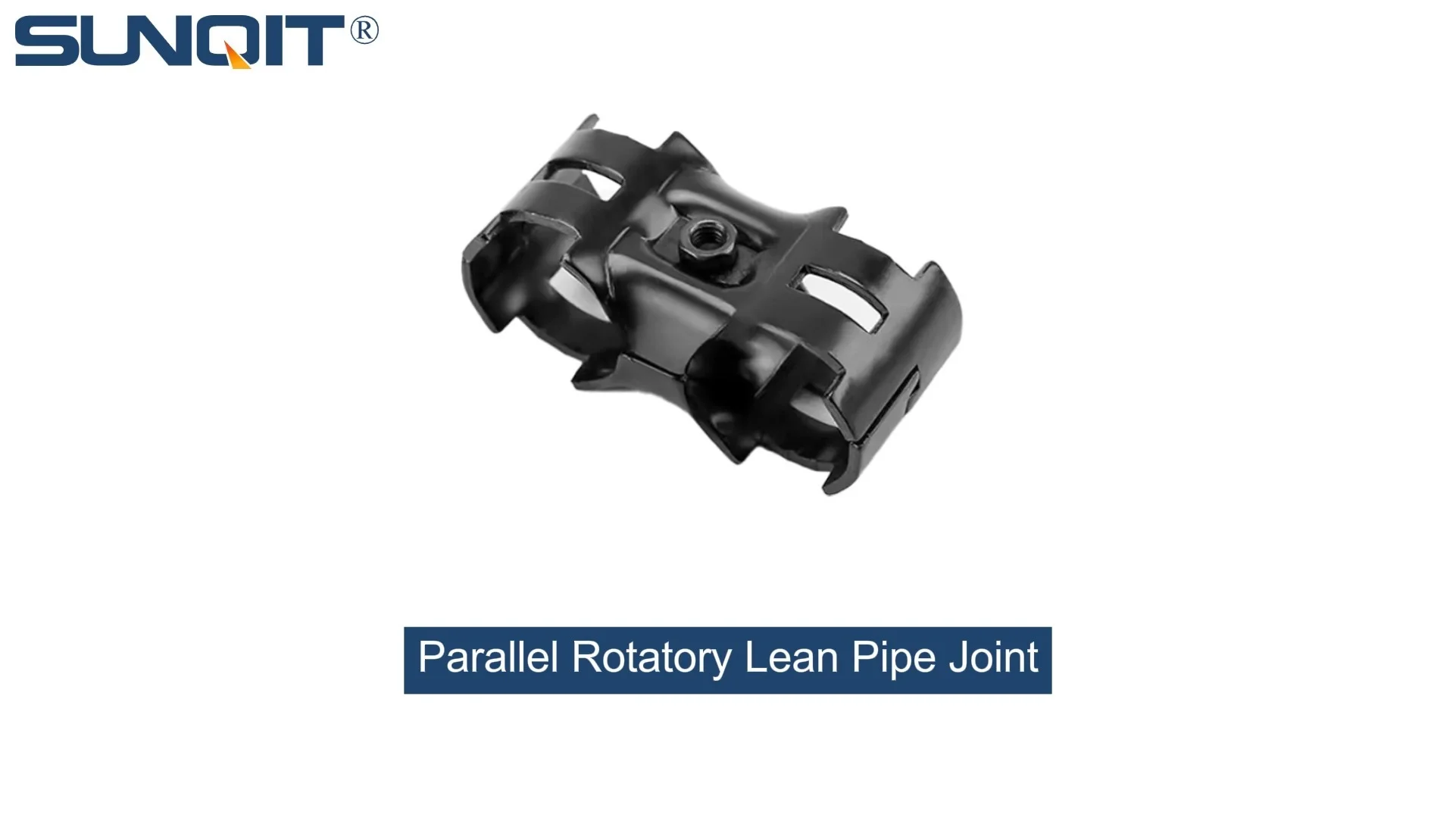
Parallel Rotatory Lean Pipe Joint
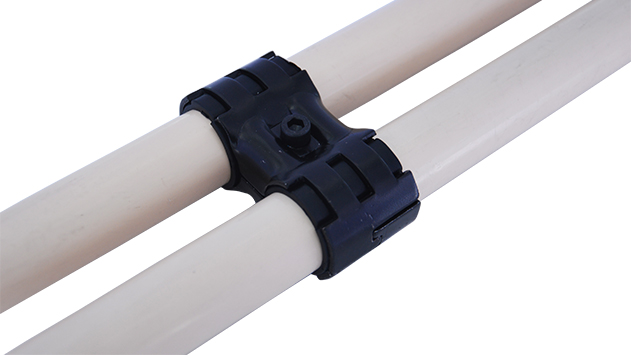
Parallel rotatory lean pipe joint, for 2 pcs pipe conenction in parallel direction with rotatory function.
The Unsung Heroes of Lean Manufacturing: Why Parallel Rotatory Lean Pipe Joints Matter
In the bustling world of manufacturing and production, where every second counts and efficiency is king, it's often the smallest components that make the biggest difference. Think about the last time you walked through a factory floor—you probably noticed the workbenches, the conveyor belts, the material racks. What you might not have seen, though, are the tiny connectors holding it all together: lean pipe joints. These unassuming pieces are the backbone of lean systems, enabling the flexibility, adaptability, and modularity that modern production lines rely on. And among the many types of lean pipe joints, one stands out for its versatility: the parallel rotatory lean pipe joint.
Whether you're setting up a new lean pipe workbench, reconfiguring a material rack, or building a turnover trolley, the choice between chrome and aluminum parallel rotatory lean pipe joints can impact everything from durability to daily workflow. It's not just about picking a part—it's about choosing a solution that aligns with your team's needs, your facility's environment, and your long-term efficiency goals. In this article, we'll dive deep into the world of these two joint types, breaking down their strengths, weaknesses, and ideal use cases to help you make the right call for your operation.
First Things First: What Are Parallel Rotatory Lean Pipe Joints?
Before we compare chrome and aluminum, let's make sure we're on the same page about what parallel rotatory lean pipe joints actually are. At their core, these joints are mechanical connectors designed to link lean pipes (also known as or "lean tubes") in a way that allows rotation along a parallel axis. Unlike fixed joints, which lock pipes into a rigid angle, parallel rotatory joints let sections of a structure pivot, swivel, or adjust—think of them as the "hinges" of the lean manufacturing world.
Why does rotation matter? Imagine a worker assembling small electronics on a lean pipe workbench. If the bench's side rack is fixed, they might have to stretch or twist to reach tools. But with a parallel rotatory joint, that rack can swing out of the way when not in use, or pivot closer when needed. Similarly, on a conveyor system, rotatory joints allow for smoother transitions between roller tracks, reducing jams and improving material flow. In short, these joints turn static structures into dynamic, worker-friendly setups—exactly what lean manufacturing is all about.
Now, not all parallel rotatory joints are created equal. The material they're made from—chrome-plated steel or aluminum—dictates their performance, longevity, and suitability for different environments. Let's start by examining the tried-and-true option: chrome parallel rotatory lean pipe joints.
Chrome Parallel Rotatory Lean Pipe Joints: The Heavy-Duty Workhorses
What Are Chrome Joints, Anyway?
Chrome parallel rotatory lean pipe joints are typically made from carbon steel, coated with a layer of chromium through a process called electroplating. This plating gives the joints their signature shiny, silver finish and adds a protective barrier against rust and wear. For decades, they've been a staple in factories, warehouses, and workshops, valued for their strength and affordability.
The Pros: Why Chrome Joints Have Stood the Test of Time
1. Unmatched Strength and Load Capacity : Steel is inherently strong, and chrome-plated steel takes that strength up a notch. These joints can handle heavy loads without bending or warping—think of a material rack stacked with metal parts or a workbench supporting a 500kg assembly. In high-stress environments, like automotive manufacturing or heavy machinery production, chrome joints are the go-to for reliability.
2. Resistance to Wear and Tear : The chromium plating isn't just for looks—it's a tough layer that resists scratches, dents, and corrosion from oils, greases, and mild chemicals. In busy facilities where tools might bump against the joints or spills are common, chrome holds up better than many other materials. Even after years of use, a well-maintained chrome joint will still rotate smoothly and look presentable.
3. Cost-Effective for Large-Scale Projects : Steel is widely available and inexpensive compared to aluminum, making chrome joints a budget-friendly choice for businesses looking to outfit an entire facility. If you're building multiple lean pipe workbenches or racks, the cost savings from choosing chrome can add up quickly—funds that can be redirected to other areas of your operation.
The Cons: Where Chrome Falls Short
1. Weight Adds Up : Steel is dense, and that density translates to heavier joints. While this isn't a problem for stationary structures, it can become a hassle if you need to reconfigure your setup frequently. Moving a workbench with chrome joints requires more effort, which can slow down your team and increase the risk of strain injuries.
2. Susceptible to Rust (If Damaged) : The chromium plating is a barrier, but it's not indestructible. If a joint gets scratched deep enough to expose the steel underneath, moisture can seep in and cause rust. In humid environments—like food processing plants or coastal facilities—this risk is higher, even with regular maintenance. Once rust starts, it can spread, weakening the joint and making rotation stiff.
3. Less Sleek in Modern Settings : Chrome's shiny finish is classic, but it can feel outdated in facilities that prioritize a clean, modern look—think tech startups or pharmaceutical labs where aesthetics matter alongside function. Aluminum, as we'll see, offers a more contemporary, streamlined appearance that fits better in these spaces.

Aluminum Parallel Rotatory Lean Pipe Joints: The Lightweight Innovators
Aluminum Joints: A Modern Twist on a Classic Design
Aluminum parallel rotatory lean pipe joints are a newer alternative, made from aluminum alloys (often mixed with magnesium or silicon for added strength). Unlike chrome, aluminum joints aren't plated—their natural finish is either anodized (a process that thickens the metal's oxide layer for protection) or powder-coated for color. They've gained popularity in industries where weight, corrosion resistance, and aesthetics are top priorities.
The Pros: Why Aluminum Is Gaining Ground
1. Lightweight and Easy to Handle : Aluminum is about one-third the weight of steel, which makes a world of difference when building or reconfiguring lean systems. A worker can carry a bundle of aluminum joints without straining, and adjusting a workbench or trolley takes less time and effort. This is a game-changer for facilities that frequently adapt their layouts—like electronics assembly lines, where product designs change often.
2. Superior Corrosion Resistance : Aluminum naturally forms a thin oxide layer when exposed to air, which protects it from rust and corrosion. Unlike chrome, it doesn't rely on a plating that can scratch off. This makes aluminum joints ideal for humid environments, cleanrooms, or facilities that use water-based cleaning solutions. In medical device manufacturing, for example, where sterility is critical, aluminum joints stand up to frequent wipe-downs with disinfectants.
3. Aesthetically Pleasing and Customizable : Aluminum's matte, uniform finish gives lean systems a sleek, professional look. It's also easy to color-code with powder coating—think red joints for tool racks, blue for material flow, or green for quality control areas. This visual organization can boost team efficiency by making it easier to identify zones at a glance.
4. Sustainable and Recyclable : Aluminum is 100% recyclable, and recycling it uses just 5% of the energy needed to produce new aluminum. For companies focused on sustainability and reducing their carbon footprint, aluminum joints are a responsible choice that aligns with green manufacturing goals.
The Cons: Where Aluminum Isn't the Best Fit
1. Lower Load Capacity Than Chrome : While aluminum alloys are strong for their weight, they can't match the sheer load-bearing power of steel. A typical aluminum parallel rotatory joint might handle 300-400kg, compared to chrome's 500kg+. If you're working with extremely heavy materials—like cast iron parts or large machinery—aluminum could bend or fail under the stress.
2. Higher Upfront Cost : Aluminum is more expensive than steel, so aluminum joints come with a higher price tag. For small projects, this might not be a big deal, but for large-scale setups, the cost difference can be significant. However, it's worth noting that aluminum's durability and low maintenance needs can offset this cost over time.
3. Prone to Denting (Without Anodization) : While anodized aluminum is tough, uncoated aluminum is softer than steel and can dent if hit with heavy tools or dropped. This isn't a problem in gentle environments, but in rough-and-tumble factories where equipment is moved frequently, aluminum joints might show wear faster than chrome.

Chrome vs. Aluminum: A Side-by-Side Comparison
To make the choice clearer, let's put chrome and aluminum parallel rotatory lean pipe joints head-to-head across key factors:
| Feature | Chrome Parallel Rotatory Lean Pipe Joints | Aluminum Parallel Rotatory Lean Pipe Joints |
|---|---|---|
| Material | Chrome-plated carbon steel | Anodized or powder-coated aluminum alloy |
| Weight | Heavy (3-4x aluminum) | Lightweight (1/3 the weight of steel) |
| Load Capacity | High (up to 500kg+ per joint) | Moderate (300-400kg per joint) |
| Corrosion Resistance | Good (plating protects steel); poor if plating is scratched | Excellent (natural oxide layer; no plating to damage) |
| Cost | Budget-friendly (lower upfront cost) | Premium (higher upfront cost, better long-term value) |
| Aesthetic | Shiny, classic steel look | Sleek, modern matte finish; customizable colors |
| Maintenance | Requires occasional cleaning to prevent rust (if scratched) | Low maintenance; wipes clean with mild detergent |
| Best For | Heavy loads, high-stress environments, budget projects | Light-to-moderate loads, humid/clean environments, modern aesthetics |
How to Choose: 5 Key Factors to Consider
Now that you understand the basics of chrome and aluminum parallel rotatory lean pipe joints, how do you decide which is right for your facility? Here are five critical questions to ask yourself:
1. What's the Environment Like?
Start by assessing your facility's conditions. Is it dry and climate-controlled, or humid and prone to moisture? If you're in a coastal area, a food processing plant, or a workshop with frequent water use, aluminum's corrosion resistance will be a lifesaver. Chrome, while durable, could rust over time if the plating gets damaged. On the flip side, if your facility is dry and low-moisture—like a warehouse in the desert—chrome will hold up just fine and save you money.
2. How Heavy Are Your Loads?
Be honest about the weight your joints will need to support. If you're building a rack for 20kg boxes, either joint will work. But if you're stacking 200kg pallets or mounting heavy machinery on a workbench, chrome's higher load capacity is non-negotiable. Aluminum might bend under that stress, leading to safety risks and costly replacements.
3. Will You Reconfigure Often?
Lean manufacturing thrives on adaptability. If your team rearranges workbenches or racks monthly (or even weekly), aluminum's lightweight design will make those tasks faster and easier. Your workers will thank you for reducing the physical strain, and you'll minimize downtime during transitions. If your setup is mostly permanent, though, chrome's weight won't be an issue.
4. What's Your Budget?
Upfront cost is a reality for most businesses. If you're working with a tight budget and need to outfit a large space, chrome is the practical choice. But if you can invest a bit more upfront, aluminum's durability, low maintenance, and sustainability might save you money in the long run. Think of it as a trade-off: chrome is cheaper now, aluminum pays off later.
5. Does Aesthetics Matter?
Your facility's appearance can impact everything from team morale to client perception. If you host tours or want a clean, modern look, aluminum's sleek finish and color options will elevate your space. Chrome, while functional, has a more industrial, utilitarian vibe that might feel outdated in creative or high-tech environments.
Real-World Examples: When to Pick Chrome vs. Aluminum
Let's put this all into context with two hypothetical (but realistic) scenarios:
Scenario 1: Automotive Parts Warehouse
A large warehouse storing heavy automotive components (engine blocks, transmissions) needs to build 20 material racks. The racks will hold 400kg per shelf, and the facility is dry with minimal moisture. The team rarely reconfigures the layout, as the parts are stored long-term. Best Choice: Chrome Parallel Rotatory Lean Pipe Joints . The high load capacity and low cost make chrome ideal here. The dry environment reduces rust risk, and since the racks don't move, the extra weight isn't a problem.
Scenario 2: Electronics Assembly Line
A small electronics manufacturer produces smartphones and tablets. Their assembly line reconfigures every 3-6 months to accommodate new models. The workbenches need to be lightweight for easy moving, and the facility uses disinfectant wipes daily to maintain cleanliness. The loads are moderate (50-100kg per workbench). Best Choice: Aluminum Parallel Rotatory Lean Pipe Joints . Aluminum's light weight makes reconfiguration a breeze, its corrosion resistance stands up to daily cleaning, and its modern look fits the tech-focused environment.
The Final Verdict: It's All About Your Unique Needs
At the end of the day, there's no "better" option between chrome and aluminum parallel rotatory lean pipe joints—only the better option for you . Chrome is the workhorse, perfect for heavy loads, budget projects, and stable environments. Aluminum is the innovator, ideal for flexibility, corrosion resistance, and modern aesthetics. The key is to assess your facility's conditions, load requirements, and long-term goals, then choose accordingly.
And remember: you don't have to go it alone. A reputable lean system supplier can help you evaluate your needs, recommend the right joint type, and even provide samples to test in your facility. After all, the best lean systems are built on collaboration—and the right partner will ensure your joints (and your entire operation) are set up for success.
So, whether you go with the tried-and-true chrome or the cutting-edge aluminum, rest assured that your parallel rotatory lean pipe joints will keep your lean system running smoothly, one rotation at a time.