- Company Articles
- Products and Technology
- Product knowledge
- Chrome vs. Aluminum Vertical Lean Pipe Joints: Which Is Better for Manufacturing?

Chrome vs. Aluminum Vertical Lean Pipe Joints: Which Is Better for Manufacturing?
Related Product
Vertical Lean Pipe Joint
Vertical lean pipe joint is used for 28mm lean pipe fixed on ground and keep it stable.
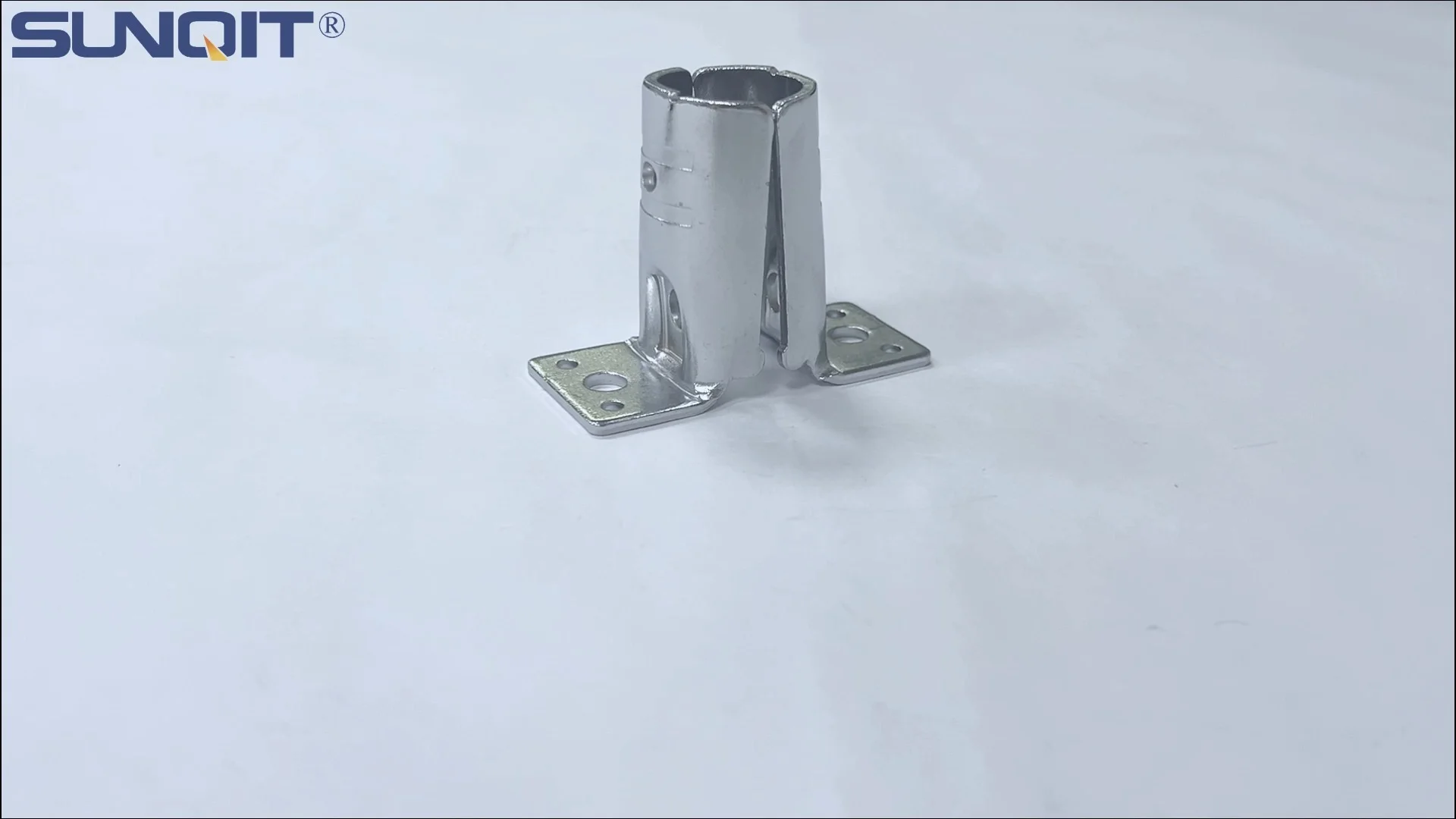
Walk into any modern manufacturing facility, and you'll notice a silent backbone holding everything together: the humble lean pipe system. From assembly line workbenches to material flow racks, these systems rely on one critical component to balance flexibility, strength, and efficiency: vertical lean pipe joints. But here's the question that keeps production supervisors up at night: when it comes to choosing between chrome-plated and aluminum vertical lean pipe joints, which one truly delivers the best value for your factory floor?
It's not just about picking a shiny piece of metal. The choice between chrome and aluminum joints ripples through every aspect of your operation—affecting worker productivity, maintenance costs, product quality, and even workplace safety. Let's dive into the details, debunk myths, and help you make a decision that aligns with your lean manufacturing goals.
The Unsung Heroes: What Are Vertical Lean Pipe Joints, Anyway?
Before we compare, let's get clear on what vertical lean pipe joints do . Think of them as the "elbows and knees" of your lean system. These small, often overlooked connectors link lean pipes (whether steel, aluminum, or plastic-coated) into sturdy structures like workbenches, turnover trolleys, and roller track conveyors. Their job? To hold everything together while allowing for quick reconfiguration—because in lean manufacturing, adaptability isn't a nice-to-have; it's a necessity.
Vertical joints, in particular, are designed to connect pipes at 90-degree angles, forming the vertical supports of your structures. Whether you're building a 3-row, 3-floor material rack or a single-deck workbench, these joints bear the brunt of the load, keep components aligned, and determine how easily your team can tweak the setup when production needs change.
Now, let's meet the two contenders: vertical lean pipe joint chrome (steel cores with a chrome plating) and vertical lean pipe joint (solid aluminum or aluminum alloy). Both promise to get the job done, but their paths to "done" are worlds apart.
Chrome Vertical Lean Pipe Joints: The Heavy-Duty Workhorses
Chrome joints have been a factory staple for decades, and for good reason. At their core, they're typically made from carbon steel—a material known for its brute strength. Then, they're dipped in a layer of chrome via electroplating, giving them that signature shiny finish and a boost in corrosion resistance.
Let's start with the obvious: strength . A standard chrome vertical joint can easily support loads of 400-500kg, making it ideal for heavy-duty applications. If your facility moves large automotive parts, stacks heavy tooling, or operates material racks loaded with metal components, chrome joints won't flinch. I've visited a Detroit automotive plant where chrome-jointed flow racks have been in use for 12 years, still holding up under daily abuse from forklifts and 80-pound engine blocks.
The chrome plating itself is more than just aesthetics. It acts as a barrier against rust, a common enemy in factories with high humidity or occasional spills. In food processing or chemical plants, where moisture is unavoidable, chrome joints outlast uncoated steel alternatives by years. And let's not forget the "feel" factor: run your hand over a chrome joint, and it's smooth, cool, and solid—qualities that signal durability to workers, boosting confidence in the structures they rely on.
But chrome isn't without drawbacks. For starters, it's heavy . A single chrome vertical joint weighs about 200-250 grams, compared to 100-150 grams for aluminum. Multiply that by dozens of joints per structure, and suddenly your "portable" turnover trolley feels more like a immovable boulder. This weight slows down reconfiguration—imagine a team of two workers struggling to adjust a chrome-jointed workbench vs. one worker effortlessly rearranging an aluminum setup. Time is money, and heavy joints eat into both.
Then there's the plating's Achilles' heel: chipping. drop a chrome joint, or bump it with a metal tool, and that shiny layer can crack. Once the steel core is exposed, rust creeps in, weakening the joint over time. A maintenance manager at a mid-sized electronics plant once showed me a corroded chrome joint that had snapped under load—all because a tiny chip from a dropped wrench had gone unnoticed six months prior.

Aluminum Vertical Lean Pipe Joints: The Lightweight Innovators
Enter aluminum vertical lean pipe joints: the new kids on the block, but quickly gaining ground. Made from high-grade aluminum alloys (often 6063-T5, a material prized for its strength-to-weight ratio), these joints are rewriting the rules of lean system design—especially when paired with aluminum lean pipe .
The first thing you notice? They're light . Pick up an aluminum joint, and it feels almost flimsy compared to chrome—until you realize it can still support 250-350kg, more than enough for most assembly line tasks. This lightness transforms how your team works. At a Samsung electronics facility in Vietnam, workers reconfigure their ESD workbenches twice weekly to adapt to new phone models. With aluminum joints, a two-person job now takes one person 15 minutes, cutting downtime by 40%.
Aluminum also wins the corrosion battle without plating. Unlike steel, aluminum forms a natural oxide layer when exposed to air, acting as a built-in shield against rust. In coastal factories where salt air eats away at metal, or in cleanrooms where harsh cleaning chemicals are used, aluminum joints stay intact for years. A pharmaceutical plant I consulted with reported replacing chrome joints every 3-4 years; their aluminum joints, installed 7 years ago, still look brand-new.
But the real game-changer? ESD compatibility . Static electricity is the bane of electronics manufacturing—one spark can fry a $500 microchip. Aluminum is naturally conductive, and many aluminum joints are treated with ESD-safe coatings to dissipate static charges, making them a no-brainer for ESD workstations. Chrome, while conductive, isn't always designed for controlled static dissipation, putting sensitive components at risk.
Of course, aluminum has limits. If you're lifting 600kg engine blocks or stacking pallets of cast iron, aluminum joints might bend over time. And while modern alloys are strong, they're still softer than steel—so a direct hit from a forklift tine is more likely to dent an aluminum joint than a chrome one. But for 80% of manufacturing tasks—think small-parts assembly, light component storage, or pick-and-place operations—aluminum has more than enough muscle.

Head-to-Head: Chrome vs. Aluminum in Key Categories
Numbers tell a clearer story than words. Let's break down the critical factors that matter most on the factory floor:
| Feature | Chrome Vertical Lean Pipe Joint | Aluminum Vertical Lean Pipe Joint |
|---|---|---|
| Material | Carbon steel core with chrome plating | Aluminum alloy (e.g., 6063-T5) |
| Weight (per joint) | 200-250g | 100-150g |
| Max Load Capacity | 400-500kg (vertical support) | 250-350kg (vertical support) |
| Corrosion Resistance | Good (chrome plating), but prone to rust if chipped | Excellent (natural oxide layer, no plating needed) |
| ESD Compatibility | Poor (conductive but not controlled) | Excellent (often ESD-rated for electronics) |
| Installation Ease | Heavier; requires more effort to align and tighten | Lightweight; one person can handle reconfigurations |
| Maintenance Needs | Check for plating chips; repaint rust spots | Minimal—wipe clean; no plating to chip |
| Cost (per joint) | Higher ($5-8 USD) | Moderate ($3-6 USD) |
| Lifespan (with maintenance) | 10-15 years | 15-20 years |
| Best For | Heavy loads, high humidity, non-ESD environments | Light-to-medium loads, ESD-sensitive areas, frequent reconfigurations |

Real-World Case Studies: When Chrome or Aluminum Shone Brightest
Case Study 1: Automotive Plant Chooses Chrome for Heavy-Duty Racks
A major automotive supplier in Ohio needed to replace aging material racks for transmission components. Each rack holds 8-10 transmissions, weighing ~150kg each—easily pushing 1,500kg per rack. Their lean system supplier recommended chrome vertical lean pipe joints for the vertical supports, paired with steel lean pipes and heavy-duty caster wheels.
Result? After 5 years, the racks show minimal wear. The chrome plating has held up against oil spills and daily use, and the joints have never required replacement. "We considered aluminum, but the math didn't add up," said the plant manager. "A bent aluminum joint could mean a rack collapse and damaged parts. Chrome gives us peace of mind."
Case Study 2: Electronics Factory Switches to Aluminum for ESD Workstations
A consumer electronics manufacturer in Malaysia was struggling with static-related defects on their smartphone assembly line. Their old chrome-jointed workbenches weren't ESD-safe, leading to occasional chip failures. They switched to aluminum vertical lean pipe joints and aluminum lean pipe, paired with ESD-safe workbench tops and anti-static caster accessories.
Result? Static defects dropped by 72% in six months. Workers also reported that reconfiguring workstations for new phone models now takes 30 minutes instead of 2 hours, thanks to the lighter aluminum joints. "Our team used to dread layout changes," the production supervisor noted. "Now, they can do it during breaks—no more overtime."
The Verdict: It's About Your Specific Needs (Not Hype)
So, which is better? The answer isn't "chrome" or "aluminum"—it's "it depends." Here's how to decide:
Choose chrome if… You're dealing with heavy loads (over 350kg per vertical support), work in a high-moisture environment where plating chipping is unlikely (e.g., dry automotive plants), or prioritize raw strength over reconfiguration speed. Chrome is also a safe bet if you're retrofitting an existing steel-based lean system—matching materials reduces compatibility issues with roller tracks or caster wheels.
Choose aluminum if… You need ESD protection, frequently reconfigure workstations, work with light-to-medium loads (under 350kg), or want to reduce long-term maintenance costs. Aluminum shines in electronics, medical device, and small-parts manufacturing, where agility and static control are critical.
And here's a pro tip: You don't have to pick one or the other. Many factories mix chrome and aluminum joints based on the task. For example, use chrome joints on your heavy material racks and aluminum joints on your assembly line workbenches. A good lean pipe supplier can help you map out a hybrid system that balances strength and flexibility.
Final Thoughts: Invest in the Joint That Invests in Your Team
At the end of the day, vertical lean pipe joints aren't just metal pieces—they're tools that empower your team to work smarter. A chrome joint that never bends under pressure keeps workers safe. An aluminum joint that lets a single operator reconfigure a workstation in minutes keeps production agile. Both have their place, but the best choice is the one that aligns with your unique challenges.
Still unsure? Talk to a trusted lean pipe supplier who can audit your facility, assess your load requirements, and even let you test both joint types in your environment. Remember: The goal of lean manufacturing is to eliminate waste—including the waste of choosing the wrong tools for the job.
So, next time you walk past that workbench or flow rack, take a closer look at the vertical joints holding it up. They might be small, but their impact on your bottom line? That's anything but.