- Company Articles
- Products and Technology
- Product knowledge
- Chrome vs. Galvanized Four Way Straight Lean Pipe Joints: Coating Comparison

Chrome vs. Galvanized Four Way Straight Lean Pipe Joints: Coating Comparison
Related Product
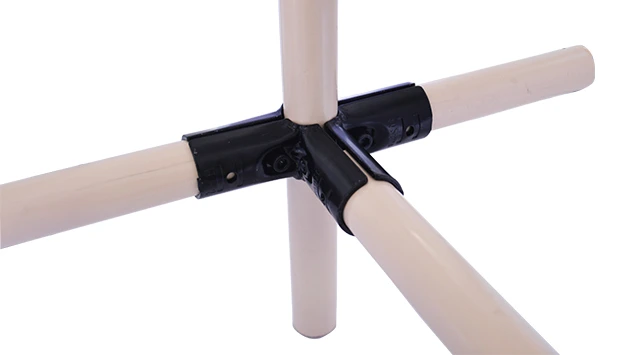
Four Way Straight Lean Pipe Joint
Four way lean pipe joint for 4 pcs 28MM lean pipe connection in straight angle, which used widely in workbench, flow rack, hand trolley frame connection.
In the world of lean manufacturing, where efficiency, adaptability, and durability are the cornerstones of success, every component plays a silent but critical role. Among these, the lean pipe joint stands out as a unsung hero—connecting pipes, supporting structures, and ensuring that everything from workbenches to material racks stays sturdy and reliable. Today, we're zeroing in on a specific star of this category: the four way straight lean pipe joint. These unassuming connectors are the backbone of countless lean pipe system setups, from bustling factory floors to precision-focused assembly lines. But here's the thing: not all joints are created equal. The coating on these joints can make or break their performance, longevity, and even the overall efficiency of your operation. That's why we're diving deep into two popular coatings: chrome and galvanized. By the end, you'll know which one deserves a spot in your workflow.
Chrome Coated Four Way Straight Lean Pipe Joints: The Sleek Performer
Let's start with the shiny contender: chrome-coated joints. If you've ever walked into a high-end workshop or a tech assembly line, you've probably seen these—their mirror-like finish catches the light, making even the most industrial setups look polished. But there's more to chrome than meets the eye. Let's break down how they're made, what they're good for, and where they might fall short.
The Making of Chrome Coating: Precision in Every Layer
Chrome coating isn't just a quick spray—it's a multi-step electroplating process that transforms a plain metal joint into a durable, glossy component. Here's a simplified look at how it's done:
- Prep Work: The raw lean pipe joint (usually made of steel) gets a thorough cleaning. Any rust, oil, or debris is stripped away using chemicals or abrasives. This ensures the coating adheres properly—no dirt, no weak spots.
- Base Layer (Nickel Plating): Before chrome goes on, the joint is dipped in a nickel solution. Nickel acts like a primer: it bonds tightly to the steel and provides a smooth surface for the chrome to stick to. Think of it as the foundation of a house—without it, the whole structure (or in this case, the coating) might crumble.
- Chrome Plating: Finally, the nickel-coated joint is submerged in a chrome electrolyte bath. An electric current passes through, causing chromium ions to bond to the nickel layer. The result? A thin (usually 0.0005 to 0.002 inches thick), hard layer of chrome that's as tough as it is shiny.
What Makes Chrome Coated Joints Stand Out?
Chrome isn't just about looks. Its properties make it a favorite in specific environments:
- Scratch and Wear Resistance: Chrome is hard—really hard. On the Mohs hardness scale, it ranks around 8.5, which is harder than steel (which is around 4-5). That means these joints can handle the daily bumps and scrapes of a busy lean pipe workbench without showing signs of damage. A tool dropping, a part sliding across—chrome takes it in stride.
- Easy to Clean: That smooth, non-porous surface? It's a nightmare for dirt and grime. Wipe it down with a damp cloth, and it's back to looking brand new. This is a big win for cleanrooms, labs, or any environment where hygiene matters—no more hiding spots for bacteria or dust.
- Aesthetic Appeal: Let's not understate this. A chrome-coated joint adds a professional, high-quality vibe to any setup. If your workspace is visible to clients or visitors—say, a demo area or a front-office assembly station—chrome helps make a good first impression.
- Corrosion Resistance (Indoors): In dry, indoor environments, chrome holds up well against rust. The nickel undercoat acts as a barrier, and the chrome topcoat repels moisture. Just don't take it outside—we'll get to that later.
When Chrome Might Not Be the Best Fit
For all its perks, chrome isn't perfect. Here are a few drawbacks to consider:
- Price Tag: That multi-step electroplating process isn't cheap. Chrome-coated joints can cost 30-50% more than their galvanized counterparts. If you're outfitting a large warehouse with hundreds of joints, those costs add up fast.
- Environmental Concerns: Traditional chrome plating uses hexavalent chromium, a toxic chemical that's harmful to both people and the planet. While there are eco-friendly alternatives (like trivalent chrome), they're still pricier and less common. If sustainability is a core value for your business, this might give you pause.
- Chipping Risk: Chrome is hard, but it's also brittle. If the joint takes a heavy impact—like a forklift accidentally hitting a rack—the chrome layer can chip. Once that happens, the underlying steel is exposed, and rust can start to form. It's not a dealbreaker, but it does mean you'll need to keep an eye out for damage.
- Not Great Outdoors: Chrome hates moisture. If you use these joints in a humid garage, a rainy loading dock, or an outdoor setup, they'll start to rust much faster than galvanized options. The nickel undercoat helps, but it's not a match for constant dampness.
Galvanized Four Way Straight Lean Pipe Joints: The Workhorse
Now, let's shift to the more rugged competitor: galvanized joints. These have a matte, silver-gray finish that screams "industrial strength." Galvanizing has been around for centuries (yes, centuries!) and for good reason—it's a tried-and-true method for protecting metal from the elements. Let's explore how it works and why it's the go-to for many manufacturers.
The Making of Galvanized Coating: Zinc to the Rescue
Galvanizing is all about zinc—a metal that's naturally resistant to corrosion. There are two main methods: hot-dip galvanizing and electro-galvanizing. Hot-dip is the heavyweight here, so we'll focus on that:
- Cleaning (Again!): Just like chrome, the joint starts with a deep clean. This time, it's often done with acid to remove rust and scale—a process called "pickling." Clean metal means better zinc adhesion.
- Flux Bath: The clean joint is dipped in a flux solution (usually zinc ammonium chloride). This prevents oxidation and helps the zinc wet the steel surface evenly.
- Hot-Dip in Molten Zinc: Here's the magic. The joint is submerged in a bath of molten zinc that's around 860°F (460°C). The high temperature causes a chemical reaction: the zinc and steel bond, forming a series of zinc-iron alloy layers. On top of that, a pure zinc layer forms. The result? A coating that's much thicker than chrome—usually 0.002 to 0.02 inches thick (yes, 10x thicker than chrome in some cases).
Why Galvanized Joints Are a Factory Favorite
Galvanized joints bring a lot to the table, especially in tough environments:
- Sacrificial Protection: Zinc is more reactive than steel, which means it "sacrifices" itself to protect the underlying metal. If the coating gets scratched, the zinc around the scratch corrodes first, preventing the steel from rusting. It's like having a bodyguard for your joint—zinc takes the hit so steel doesn't have to.
- Unbeatable Corrosion Resistance: This sacrificial protection makes galvanized joints ideal for humid, wet, or outdoor settings. Think warehouses with high moisture, outdoor storage racks, or even marine environments (though stainless steel might be better there). They can last 50+ years in rural areas, 20-30 in industrial zones—way longer than chrome in the same conditions.
- Cost-Effective: Hot-dip galvanizing is a bulk process, which makes it cheaper than chrome plating, especially for large orders. You get more protection per dollar, which is music to the ears of budget-conscious operations.
- Durable Finish: That thick zinc coating isn't just for show. It's tough enough to handle rough handling—no need to baby these joints. They can take impacts, abrasion, and even minor bending without cracking or peeling.
The Downsides of Galvanized Coating
Galvanized isn't perfect either. Here's where it falls short:
- Matte Finish: Let's be honest—it's not as pretty as chrome. That dull, gray look might not be ideal if aesthetics matter. If your lean pipe workbench is in a customer-facing area, galvanized could feel a bit "rough around the edges."
- White Rust Risk: When galvanized metal gets wet and doesn't dry properly, it can develop "white rust"—a powdery zinc oxide layer. It's not harmful to the steel (remember, zinc is sacrificial), but it looks unsightly. Wiping it off with a cloth usually fixes it, but it's an extra step.
- Thicker Coating, Tighter Tolerances: That thick zinc layer can affect how joints fit together. If you're working with precision connections, you might need to file down the coating slightly to get a snug fit. It's a minor hassle, but worth noting.
- Not as Scratch-Resistant as Chrome: While the zinc layer is tough, it's softer than chrome (around 2.5 on the Mohs scale). Deep scratches are more likely, though they're less of a problem thanks to sacrificial protection.

Chrome vs. Galvanized: Head-to-Head Comparison
Still on the fence? Let's put these two coatings side by side. The table below breaks down their key features to help you decide which is right for your setup.
| Feature | Chrome Coated Joints | Galvanized Joints |
|---|---|---|
| Coating Process | Electroplating: Thin layer of chrome over nickel undercoat | Hot-dip: Thick layer of zinc (and zinc-iron alloys) bonded to steel |
| Coating Thickness | 0.0005–0.002 inches | 0.002–0.02 inches (up to 10x thicker) |
| Corrosion Resistance | Good in dry, indoor environments; poor in wet/outdoor settings | Excellent in humid, wet, or outdoor environments (50+ year lifespan in rural areas) |
| Hardness (Mohs Scale) | 8.5 (very hard, scratch-resistant) | 2.5 (softer, more prone to deep scratches) |
| Aesthetic | Sleek, shiny, mirror-like finish; professional appearance | Matte, silver-gray finish; industrial look |
| Cost | Higher (30–50% more than galvanized) | Lower (budget-friendly for large orders) |
| Maintenance | Easy: Wipe with damp cloth; avoid abrasive cleaners | Low: Wipe off white rust; minimal upkeep |
| Environmental Impact | Potential concerns with hexavalent chrome (though trivalent options exist) | Eco-friendlier; zinc is recyclable, and hot-dip uses minimal chemicals |
| Ideal Applications | Cleanrooms, labs, customer-facing workbenches, dry indoor setups | Warehouses, outdoor racks, humid environments, heavy-duty industrial use |

Real-World Applications: Where Each Coating Shines
To make this concrete, let's look at two scenarios where one coating clearly outperforms the other.
Scenario 1: A Tech Assembly Line Workbench
Imagine you run a tech company that assembles smartphones. Your workbenches are in a bright, clean facility—no moisture, no heavy debris, but lots of foot traffic (including clients who tour the space). You need joints that look professional, resist scratches from small tools, and are easy to wipe down. Chrome-coated joints are the way to go here. Their sleek finish aligns with your brand's premium image, and their scratch resistance handles the daily wear of assembly work. Plus, cleaning is a breeze—no time wasted scrubbing grime.
Scenario 2: A Warehouse Flow Rack in a Humid Climate
Now, picture a warehouse in Miami, where humidity levels stay above 70% year-round. You need flow racks to store boxes of inventory, and they're exposed to occasional rain when the loading dock is open. Galvanized joints are your best bet. Their thick zinc coating laughs at moisture, preventing rust even in the muggy air. White rust might pop up occasionally, but a quick wipe takes care of it. And since you're buying hundreds of joints for the racks, the lower cost of galvanized keeps your budget in check.
Caring for Your Joints: Maintenance Tips
Whichever coating you choose, a little maintenance goes a long way. Here's how to keep your joints in top shape:
For Chrome-Coated Joints:
- Clean Regularly: Wipe with a soft, damp cloth to remove dust and fingerprints. For stubborn spots, use a mild soap (avoid harsh detergents or abrasives—they'll scratch the chrome).
- Polish Sparingly: If the shine fades, use a chrome polish (like you'd use on a car bumper) to restore it. Do this once every few months, not weekly—over-polishing can wear down the coating.
- Fix Chips Immediately: If you notice a chip, dab a small amount of chrome touch-up paint on the spot. This prevents the steel underneath from rusting.
For Galvanized Joints:
- Wipe Off White Rust: If you see white powdery spots, wipe them with a dry cloth or a cloth dampened with water. No need for soap—zinc oxide dissolves easily in water.
- Avoid Acidic Cleaners: Vinegar, bleach, or other acids will eat away at the zinc coating. Stick to plain water for cleaning.
- Treat Deep Scratches: For deep scratches that expose steel, apply a zinc-rich paint (available at hardware stores). This adds a protective layer until the zinc around the scratch can "heal" the area through sacrificial corrosion.
Final Verdict: Which Coating Should You Choose?
At the end of the day, there's no "better" coating—only the better choice for your needs. If aesthetics, scratch resistance, and a clean indoor environment are priorities, go with chrome. It's the sleek, professional option that works beautifully for lean pipe workbenches and systems where looks matter.
But if you need durability, cost-effectiveness, and resistance to moisture or outdoor conditions, galvanized is the clear winner. It's the workhorse that keeps factories running, even in tough environments.
And remember: you don't have to choose one for everything. Maybe you use chrome on the workbenches in your front office and galvanized on the flow racks in the back warehouse. Mixing and matching based on each area's needs is a smart way to balance performance and budget.
Whichever you pick, your lean pipe system will be stronger for it. After all, the best lean systems are built on strong, reliable components—and that starts with the right joint coating.