- Company Articles
- Products and Technology
- Product knowledge
- Chrome vs. Non-Chrome Two Way Lean Pipe Joints: Which Is Better?

Chrome vs. Non-Chrome Two Way Lean Pipe Joints: Which Is Better?
Related Product
Two Way Lean Pipe Joint
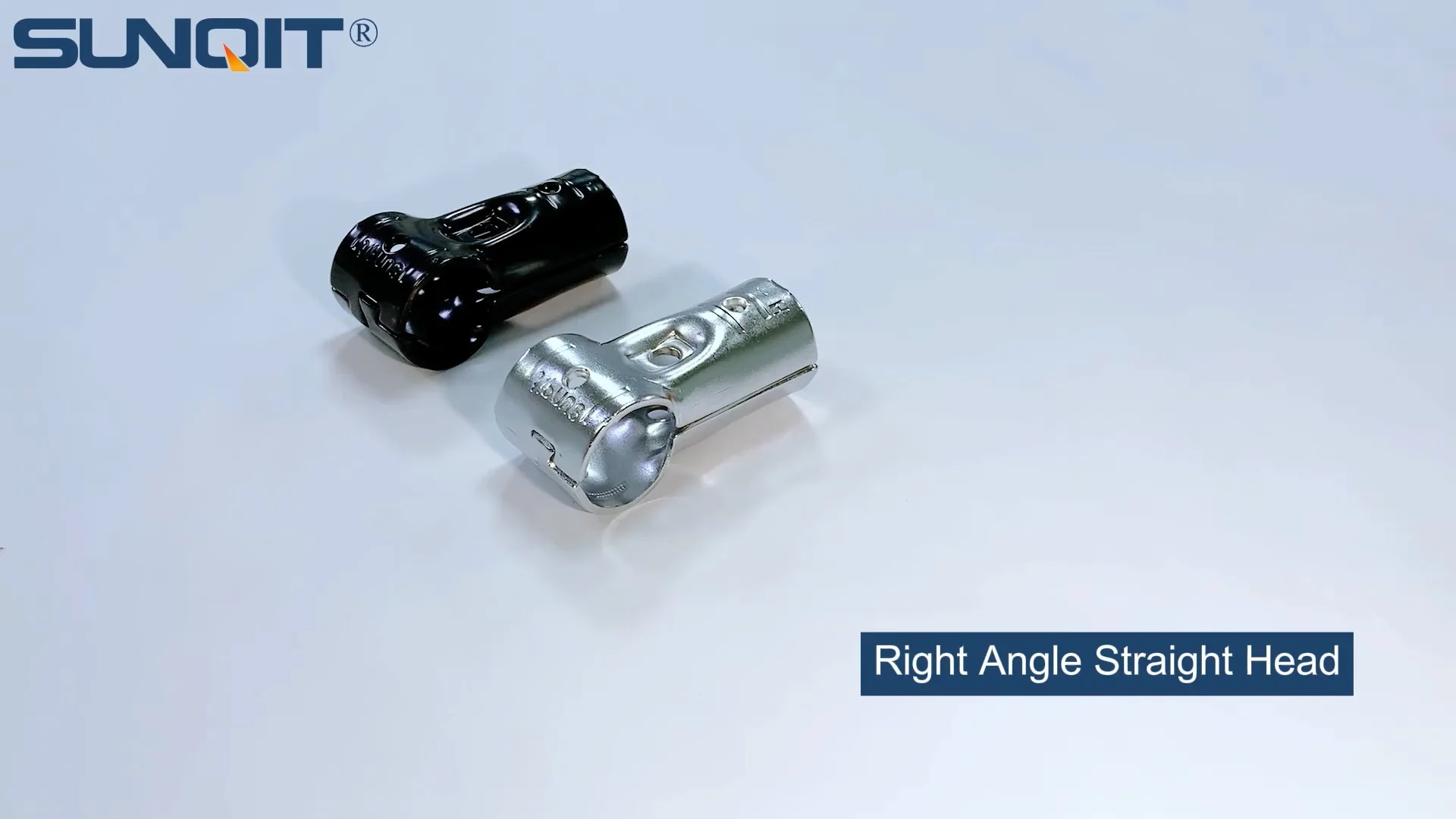
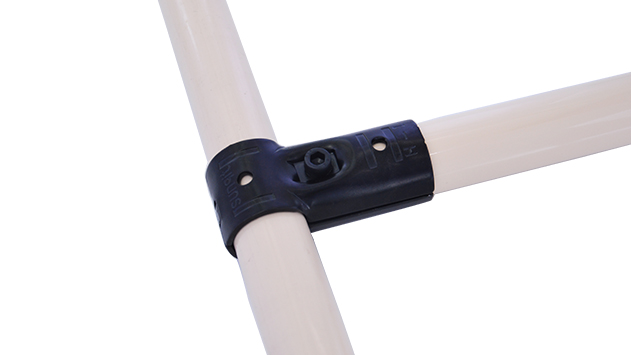
Two way lean pipe joint for 2 pcs 28MM lean pipe connection in straight angle, which used widely in workbench, flow rack, hand trolley frame connection.
In the fast-paced world of manufacturing and production, every component counts. From the largest conveyor belts to the smallest caster wheel, each part plays a role in keeping operations running smoothly. At the heart of many lean system setups—those designed to minimize waste and maximize efficiency—lies a humble yet critical component: the lean pipe joint. These unassuming connectors are the "glue" that holds together workbenches, material racks, and assembly lines, making them indispensable in factories, warehouses, and workshops worldwide.
Among the many types of lean pipe joints, two-way joints are some of the most commonly used. As the name suggests, they connect two pipes at a fixed angle (often 90 degrees), forming the basic (framework) of structures like lean pipe workbench setups, simple material racks, or lightweight trolleys. But not all two-way joints are created equal. A key distinction lies in their finish: chrome-plated vs. non-chrome. This seemingly small difference can have a big impact on performance, durability, and suitability for specific environments. So, which one should you choose for your operation?
In this article, we'll dive deep into the world of two-way lean pipe joints, exploring what makes chrome and non-chrome options unique. We'll compare their materials, durability, cost, and ideal applications, helping you make an informed decision that aligns with your needs—whether you're setting up a heavy-duty production line or a precision esd workstation for electronics manufacturing.
First Things First: What Are Two-Way Lean Pipe Joints?
Before we jump into the chrome vs. non-chrome debate, let's make sure we're on the same page about what two-way lean pipe joints actually do. In lean system design, pipes (often made of steel, aluminum, or stainless steel) are connected using joints to create custom structures. Two-way joints, as the simplest multi-directional connectors, allow two pipes to meet at a stable angle, typically 90 degrees. Think of them as the corner pieces of a bookshelf—without them, the shelves would wobble or collapse.
These joints are designed to be easy to assemble and disassemble, which is why lean systems are so popular: they're adaptable. Need to reconfigure your workbench to fit a new machine? Loosen the joints, adjust the pipes, and tighten them back up. No welding, no heavy tools—just a hex key or wrench. But this flexibility relies on the joint's strength and reliability. A weak joint can compromise the entire structure, leading to safety risks or inefficient workflows.
Chrome-Plated Two-Way Lean Pipe Joints: The Classic Choice
Chrome-plated two-way lean pipe joints have been a staple in manufacturing for decades. Here's what you need to know about them:
What Are Chrome-Plated Joints Made Of?
Most chrome two-way joints start as a base of carbon steel—a strong, affordable material that provides the structural integrity needed to support pipes and heavy loads. To enhance their performance, manufacturers coat the steel with a thin layer of chromium via electroplating. This process involves submerging the steel joint in a chromium solution and passing an electric current through it, causing chromium ions to bond to the surface. The result? A shiny, hard layer that transforms the joint's properties.
The Pros of Chrome-Plated Joints
Durability: Chromium is incredibly hard—harder than steel itself. This plating adds a tough outer layer that resists scratches, dents, and wear from regular use. If you're building a structure that will see heavy daily use (like a material rack in a busy warehouse), chrome joints can stand up to the abuse.
Corrosion Resistance (in Dry Environments): In dry, indoor settings, chrome plating acts as a barrier, protecting the underlying steel from moisture and rust. This makes them a solid choice for factories with controlled climates or workshops where spills are rare.
Affordability (Initial Cost): Carbon steel is cheap, and while chrome plating adds some cost, the total price tag is often lower than premium non-chrome options like stainless steel or high-grade aluminum. For budget-conscious operations, this can be a major selling point.
Familiarity: Many maintenance teams and workers are familiar with chrome joints. They're easy to source, and replacement parts are widely available—no need to hunt down specialty suppliers.
The Cons of Chrome-Plated Joints
Vulnerable to Chipping: While the chrome layer is hard, it's also brittle. If a joint is dropped, hit with a heavy object, or over-tightened during assembly, the plating can chip or crack. Once that happens, the underlying steel is exposed, and rust can set in quickly—especially in humid or damp environments.
Not Ideal for ESD or Cleanroom Settings: Chrome plating is conductive, but it's not designed for esd workstation environments where static control is critical. Additionally, if the plating chips, small metal flakes can flake off—an issue in cleanrooms or electronics manufacturing, where even tiny particles can damage sensitive components.
Weight: Steel is dense, so chrome-plated joints are heavier than alternatives like aluminum. This might not matter for fixed structures, but if you're building mobile trolleys or lightweight workbenches, the extra weight can add up.
Non-Chrome Two-Way Lean Pipe Joints: The Modern Alternative
As manufacturing needs have evolved—with a growing focus on sustainability, clean production, and specialized environments—non-chrome two-way lean pipe joints have emerged as a compelling alternative. These joints skip the chromium plating and instead use materials like aluminum, stainless steel, or even plastic composites. Let's take a closer look at the most popular options:
Aluminum Joints: Lightweight and Corrosion-Resistant
Aluminum two-way joints are gaining traction, especially in industries like electronics, pharmaceuticals, and food processing. Made from aluminum profile or solid aluminum alloy, they offer a unique set of benefits:
Lightweight: Aluminum is about one-third the weight of steel, making it perfect for mobile structures like turnover trolleys or temporary workbenches. Workers can easily reposition these setups without straining, boosting flexibility on the factory floor.
Natural Corrosion Resistance: Unlike steel, aluminum doesn't rust. When exposed to air, it forms a thin, invisible layer of aluminum oxide that seals the metal and prevents further corrosion. This makes aluminum joints ideal for humid environments, cleanrooms, or even outdoor use (with proper care).
ESD-Friendly: Many aluminum joints are available with ESD-safe coatings or anodized finishes, which dissipate static electricity. This is a game-changer for esd workstation setups, where static discharge can fry sensitive circuit boards or components.
Stainless Steel Joints: Strength Meets Longevity
Stainless steel two-way joints are another non-chrome option, prized for their strength and resistance to corrosion. Made from alloys containing chromium (but not plated—chromium is mixed into the steel itself), they're a step up in durability from both chrome-plated steel and aluminum.
Unbeatable Corrosion Resistance: Stainless steel's chromium content (at least 10.5%) creates a passive oxide layer that resists rust, even in wet or chemical-exposed environments. This makes them ideal for food processing plants, marine facilities, or any setting where sanitation is critical.
High Load Capacity: Stainless steel is stronger than aluminum, so these joints can support heavier loads—think large material racks or industrial workbenches. They're also heat-resistant, making them suitable for high-temperature environments like foundries or automotive paint shops.
The Pros of Non-Chrome Joints (Aluminum and Stainless Steel)
Low Maintenance: Unlike chrome-plated joints, non-chrome options don't require regular polishing to maintain their finish. A quick wipe with a damp cloth is usually enough to keep them clean. And since they're resistant to rust and corrosion, you won't have to replace them as often due to degradation.
Specialized Environments: Whether you need ESD protection for an electronics assembly line or corrosion resistance for a pharmaceutical cleanroom, non-chrome joints (especially aluminum and stainless steel) are designed to meet these niche needs.
Sustainability: Chrome plating involves harsh chemicals and energy-intensive processes. Aluminum and stainless steel joints, on the other hand, are often recyclable and have a lower environmental footprint—an important consideration for companies aiming to reduce their green impact.
The Cons of Non-Chrome Joints
Higher Initial Cost: Aluminum and stainless steel are more expensive raw materials than carbon steel. As a result, non-chrome joints often cost 20-50% more upfront than chrome-plated ones. For large-scale projects, this can add up quickly.
Weight (Stainless Steel): While aluminum is lightweight, stainless steel is even heavier than carbon steel. This can limit its use in mobile applications.
Availability: In some regions, non-chrome joints—especially specialized aluminum or ESD-safe options—may be harder to source than standard chrome-plated ones. You might need to order from a dedicated lean pipe supplier rather than picking them up from a local hardware store.

Side-by-Side Comparison: Chrome vs. Non-Chrome Two-Way Joints
| Feature | Chrome-Plated Steel Joints | Aluminum Joints (Non-Chrome) | Stainless Steel Joints (Non-Chrome) |
|---|---|---|---|
| Base Material | Carbon steel with chromium plating | Aluminum alloy (often 6061 or 6063) | Stainless steel (304 or 316 grade) |
| Weight | Heavy (steel base) | Lightweight (1/3 the weight of steel) | Heavy (denser than steel) |
| Corrosion Resistance | Good in dry environments; poor if plating chips | Excellent (natural oxide layer) | Excellent (resists rust, chemicals, and moisture) |
| ESD Compatibility | Not ideal (conductive but no ESD design) | Yes (with ESD coatings/anodizing) | Limited (can be made ESD-safe with coatings) |
| Initial Cost | Lowest | Moderate (higher than chrome, lower than stainless) | Highest |
| Long-Term Maintenance Cost | High (risk of rust if plating chips) | Low (no rust, minimal cleaning) | Low (no rust, heat/chemical resistant) |
| Best For | Heavy loads, dry environments, budget projects | Lightweight structures, ESD workstations, cleanrooms | Wet/chemical environments, high temperatures, heavy loads |

Real-World Applications: When to Choose Chrome vs. Non-Chrome
To put this all into perspective, let's look at a few scenarios where one type of joint might outperform the other:
Scenario 1: A Heavy-Duty Material Rack in a Dry Warehouse
If you're building a stationary material rack to hold heavy boxes in a dry, indoor warehouse, chrome-plated two-way joints are a solid choice. They're strong, affordable, and the dry environment minimizes the risk of rust. You won't need to worry about ESD protection here, and the initial cost savings can be reinvested in other equipment.
Scenario 2: An ESD Workstation for Electronics Assembly
For an esd workstation where workers assemble circuit boards or handle sensitive electronic components, aluminum non-chrome joints are the way to go. Their lightweight design makes the workstation easy to adjust, and ESD-safe coatings will protect components from static damage. Plus, aluminum's corrosion resistance ensures the workstation stays clean and reliable in a controlled environment.
Scenario 3: A Food Processing Line with Frequent Washdowns
In a food factory where equipment is regularly hosed down with water and sanitizers, stainless steel non-chrome joints are essential. Chrome-plated joints would quickly rust under these conditions, but stainless steel resists corrosion and stands up to harsh cleaning chemicals. They'll also maintain their integrity even with daily exposure to moisture and heat.
The Verdict: Which Is Better?
There's no one-size-fits-all answer to whether chrome or non-chrome two-way lean pipe joints are better—it depends on your specific needs. Here's a quick guide to help you decide:
Choose Chrome-Plated Joints If: You're on a tight budget, working in a dry environment, and need a strong, familiar solution for heavy loads. They're a classic choice that works well in many standard manufacturing settings.
Choose Non-Chrome Joints (Aluminum or Stainless Steel) If: You need corrosion resistance, ESD protection, lightweight design, or durability in specialized environments (like cleanrooms or wet facilities). While they cost more upfront, their low maintenance and longevity often make them a better long-term investment.
Ultimately, the best joint is the one that aligns with your operation's unique challenges. If you're still unsure, reach out to a trusted lean pipe supplier —they can help assess your needs and recommend the right product for your setup.
In the end, whether you go with chrome or non-chrome, the goal remains the same: to build a lean system that's efficient, reliable, and built to last. With the right joints, you'll be well on your way to creating a workspace that not only meets today's demands but can adapt to tomorrow's challenges, too.