- Company Articles
- Products and Technology
- Product knowledge
- Chrome vs. Stainless Steel Two Way Lean Pipe Joints: Which Lasts Longer?

Chrome vs. Stainless Steel Two Way Lean Pipe Joints: Which Lasts Longer?
Related Product
Two Way Lean Pipe Joint
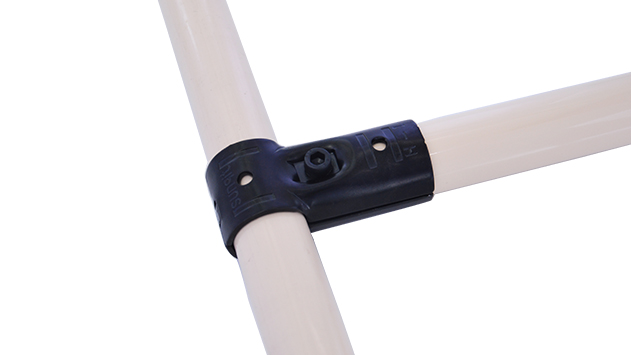
Two way lean pipe joint for 2 pcs 28MM lean pipe connection in straight angle, which used widely in workbench, flow rack, hand trolley frame connection.
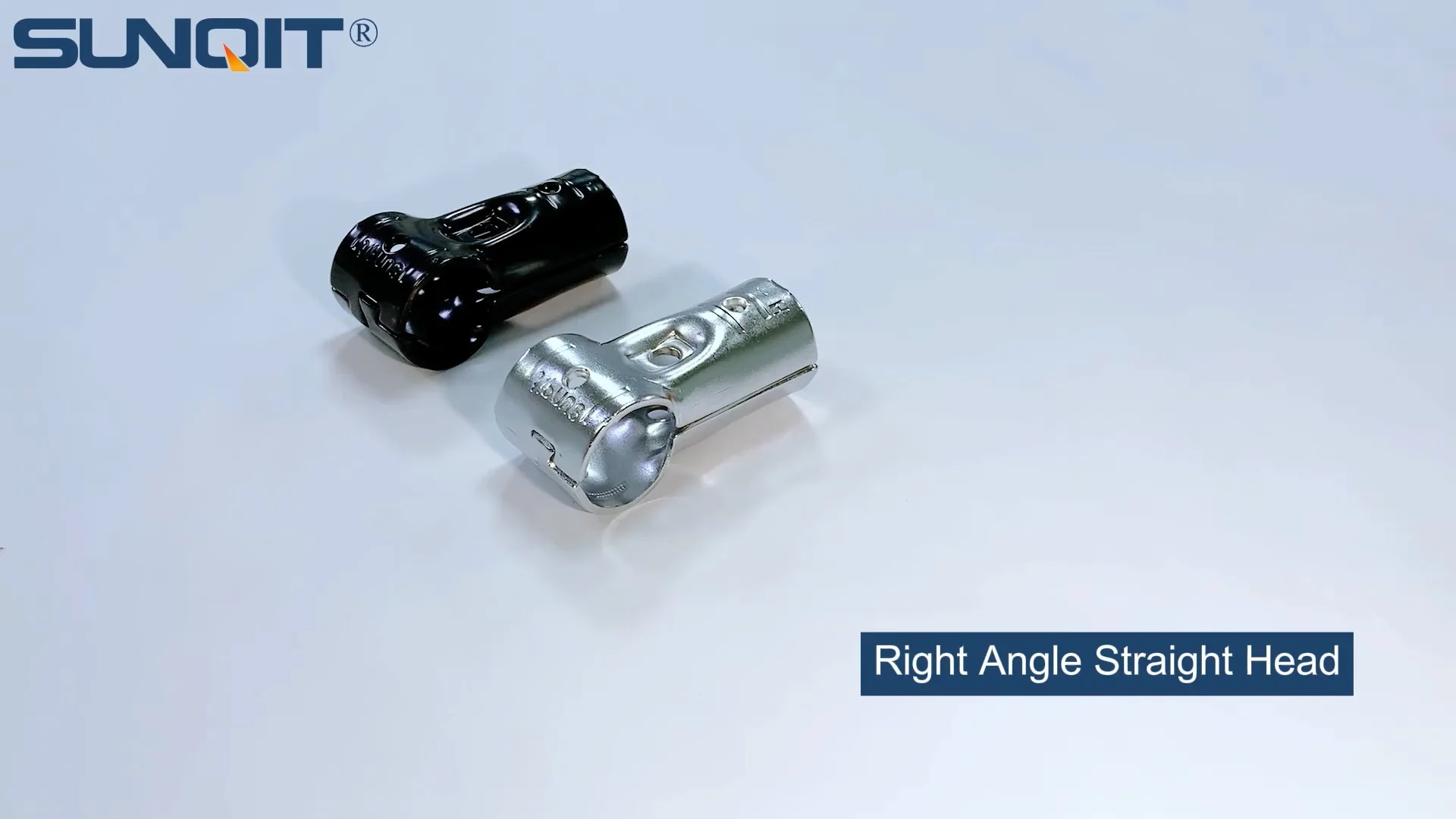
Walk into any busy manufacturing facility, and you'll notice a silent backbone holding everything together: the structures that support assembly lines, organize materials, and keep workflows moving. From the workbench where an operator assembles circuit boards to the flow rack that feeds parts to the production line, these structures rely on one small but critical component: the lean pipe joint. Among the most widely used are two way lean pipe joints, the unsung heroes that connect pipes, stabilize frames, and make lean systems adaptable. But when it comes to choosing between chrome-plated and stainless steel versions, a simple question arises: which one truly lasts longer? Let's dive into the details, break down their strengths, and help you make a decision that saves time, money, and headaches down the line.
What Are Two Way Lean Pipe Joints, Anyway?
Before we compare materials, let's get clear on what these joints do. Two way lean pipe joints are the connectors that link lean pipes (hollow tubes used in lean manufacturing) at—you guessed it—two points, forming corners, T-junctions, or straight extensions. Think of them as the "elbows" and "tees" of the lean system world. They're used to build everything from lightweight workbenches for small-scale assembly to heavy-duty flow racks that shuttle pallets across warehouses. Their job? To hold pipes securely, withstand daily wear and tear, and maintain structural integrity even when bumped, loaded, or adjusted as production needs change. In short, they're the glue that keeps lean systems flexible and sturdy.
Chrome-Plated Two Way Lean Pipe Joints: The Budget-Friendly Contender
What Are They Made Of?
Chrome-plated lean pipe joints start with a base material—usually carbon steel, a strong but corrosion-prone metal. To protect it, manufacturers coat the steel in a thin layer of chromium via electroplating. Here's how it works: the steel joint is dipped into a bath of chromium solution, and an electric current is run through it, causing chromium ions to bond to the surface. The result? A shiny, silver finish that looks sleek and promises protection against rust and scratches.
Durability Traits: Shine Now, Fade Later?
At first glance, chrome-plated joints seem like a solid choice. The chromium layer resists minor scratches and repels water, making them look new for the first few months. They're also budget-friendly—since carbon steel is cheap and electroplating is a relatively quick process, these joints often cost 30-50% less upfront than stainless steel options. For small businesses or temporary setups (like a short-term production line for a seasonal product), this lower initial cost is hard to ignore.
But here's the catch: the chromium coating is just that—a coating. It's thin, usually only 0.0005 to 0.002 inches thick. Over time, as the joint is tightened, adjusted, or bumped by carts and tools, the plating can chip or scratch. Once that happens, the underlying carbon steel is exposed. Without the chromium barrier, moisture and oxygen attack the steel, leading to rust. You've probably seen this: a once-shiny joint starts to show tiny brown spots, which spread if not addressed. In humid environments (like food processing plants or warehouses near the coast) or areas with chemical exposure (such as factories using cleaning agents), this rusting happens even faster.
Wear resistance is another weak spot. The chromium layer is hard, but it's not tough. Under repeated stress—like a flow rack loaded with heavy parts that slide across it daily—the plating can wear off, leaving the steel vulnerable. Load capacity is also limited by the base steel; while carbon steel is strong, the plating doesn't add structural strength—it just adds protection. So if you're building a workbench that will hold heavy machinery, chrome-plated joints might bend or warp over time, even if the plating stays intact.
Stainless Steel Two Way Lean Pipe Joints: The Heavy-Duty Performer
What Are They Made Of?
Stainless steel two way lean pipe joints are a different beast. Instead of coating a cheap metal, they're made from stainless steel—a steel alloy that contains at least 10.5% chromium, plus other elements like nickel or molybdenum. This alloy is forged or machined into the joint shape, no plating needed. The magic here is in the chemistry: chromium reacts with oxygen in the air to form a thin, invisible layer of chromium oxide on the surface. This layer acts as a shield, preventing rust and corrosion. And if the surface gets scratched? The chromium in the alloy reacts with oxygen again, "healing" the layer and re-forming the protection. It's like having a self-repairing shield built right in.
Durability Traits: Built to Last (and Last)
Stainless steel joints don't just resist corrosion—they thrive in harsh environments. In high-humidity settings (think: beverage bottling plants with steam), salty air (coastal warehouses), or areas with chemical spills (automotive factories using oils and solvents), they hold their own. Unlike chrome plating, which needs to stay perfect to work, stainless steel's protection is inherent. Scratch it with a wrench, and it still won't rust. That's why you'll find stainless steel joints in industries where cleanliness and longevity matter most, like pharmaceuticals or medical device manufacturing.
When it comes to wear and tear, stainless steel is a workhorse. The alloy itself is harder and more ductile than carbon steel, so it stands up to repeated tightening, loosening, and adjustment without deforming. If you've ever tried to reposition a chrome-plated joint after it's been in place for a year, you might have noticed it strips or cracks—stainless steel joints? They'll twist and turn with minimal damage, even after years of use. Load capacity is another win: stainless steel's higher tensile strength means it can support heavier weights. A stainless steel joint on a flow rack can handle pallets of metal parts day in and day out, while a chrome-plated one might start to bend under the same load.
The tradeoff? Upfront cost. Stainless steel is pricier than carbon steel, so these joints cost more initially—sometimes double the price of chrome-plated versions. But here's the kicker: they rarely need replacing. A chrome-plated joint might last 1-2 years in a busy facility before rust or wear forces you to swap it out. A stainless steel joint? It can easily last 5-10 years, even in tough conditions. When you factor in replacement costs and downtime, stainless steel often ends up being the cheaper option long-term.

Head-to-Head: Chrome vs. Stainless Steel Two Way Lean Pipe Joints
| Factor | Chrome-Plated Joints | Stainless Steel Joints |
|---|---|---|
| Corrosion Resistance | Low to Medium: Relies on intact chrome plating; rusts quickly if scratched or chipped. | High: Inherent chromium oxide layer self-heals; resists rust even when scratched. |
| Wear Resistance | Moderate: Chrome layer wears off with heavy use; base steel deforms over time. | High: Hard alloy resists scratches and deformation; stands up to repeated adjustment. |
| Load Capacity | Limited by carbon steel base; best for light to medium loads (up to 500 lbs per joint). | High: Stainless steel alloy supports heavy loads (up to 1,000+ lbs per joint). |
| Upfront Cost | Lower: Typically 30-50% cheaper than stainless steel. | Higher: 2-3x the cost of chrome-plated, but offset by longevity. |
| Long-Term Cost | Higher: Needs replacement every 1-2 years; adds labor and material costs. | Lower: Lasts 5-10+ years; minimal replacement needed. |
| Best For | Dry, low-humidity environments; temporary setups; light loads (e.g., small workbenches). | Wet, humid, or corrosive environments; heavy loads; long-term lean systems (e.g., flow racks, permanent assembly lines). |

Real-World Stories: When Material Mattered
The Electronics Plant That Switched to Stainless Steel
A mid-sized electronics manufacturer in the Midwest used chrome-plated joints for their assembly workbenches. The facility was climate-controlled, so humidity wasn't extreme, but operators frequently cleaned workbenches with alcohol-based wipes. Within 18 months, the chrome plating on the joints near the cleaning stations started chipping, and rust spots appeared. The maintenance team tried sanding and repainting the rust, but it kept coming back. Eventually, they had to replace 20% of the joints, costing $1,200 in parts and 8 hours of downtime. They switched to stainless steel joints the next year, and three years later, those joints still look new—no rust, no chipping, and zero replacements needed.
The Food Warehouse's Chrome Disaster
A food distribution warehouse in Florida installed chrome-plated joints on their flow racks to save money. Florida's humid air and occasional rain (which seeped in during loading) spelled trouble. Within 6 months, the joints started rusting, and the rust stained the food-grade plastic bins sitting on the racks. The warehouse had to shut down for a weekend to replace all 150+ joints with stainless steel versions—a $5,000 mistake (including lost revenue from downtime). "We thought we were saving $2,000 upfront," the operations manager later said. "Turns out, we paid triple that in the end."
Choosing the Right Joint for Your Lean System
So, which joint should you pick? It boils down to three questions:
- What's your environment like? If you're in a dry, low-humidity space (like a desert-based electronics lab) and rarely clean with harsh chemicals, chrome-plated joints might work—just plan to replace them every couple of years. But if you're in a wet, humid, or corrosive environment (food, pharmaceuticals, coastal areas), stainless steel is non-negotiable.
- How heavy are your loads? Building a lightweight workbench for assembling phone cases? Chrome could suffice. But if you're supporting heavy machinery or pallets of materials, stainless steel's higher load capacity will keep your system from wobbling or failing.
- Are you in it for the long haul? If your lean system is temporary (e.g., a 6-month project), chrome's lower upfront cost makes sense. For permanent setups, stainless steel's longevity will save you time, money, and frustration.
And don't forget to talk to your lean pipe supplier. A good supplier will visit your facility, assess your environment and loads, and recommend the best material for your needs. They might even have samples you can test—scratch them, expose them to water, and see how they hold up. It's a small step that can prevent big headaches later.
Final Verdict: Which Lasts Longer?
Stainless steel two way lean pipe joints outlast chrome-plated ones in nearly every scenario. While chrome is cheaper upfront, its thin plating can't stand up to long-term wear, corrosion, or heavy loads. Stainless steel, with its inherent strength and self-healing protective layer, lasts 3-5 times longer, even in tough environments. Yes, it costs more initially, but when you factor in replacement costs, downtime, and the peace of mind that comes with a system that rarely breaks, it's the clear winner for durability.
So, if you want joints that keep your lean system running smoothly for years—without rust, without replacement, without stress—go with stainless steel. Your future self (and your maintenance team) will thank you.