- Company Articles
- Products and Technology
- Installation And Maintenance
- Cleaning & Maintaining Lean Pipe Clamp B Chrome: Best Practices

Cleaning & Maintaining Lean Pipe Clamp B Chrome: Best Practices
Related Product
Lean Pipe Clamp B Chrome
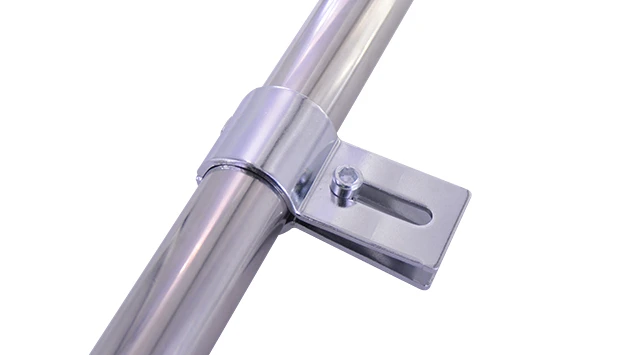
Lean pipe clamp is used for turnover trolley, workbench, flowrack adjust the frame or fix some accessory.
Introduction: The Unsung Hero of Lean Systems
In the fast-paced world of manufacturing and production, every component plays a role in keeping operations running smoothly. From the largest conveyor belts to the smallest connectors, each part contributes to the efficiency of a
lean system
—a framework designed to minimize waste, maximize productivity, and streamline workflows. Among these components, one that often flies under the radar but holds everything together is the
Lean Pipe Clamp B Chrome
. These unassuming clamps are the backbone of workbenches, flow racks, and material handling setups, ensuring stability, flexibility, and durability in daily operations. But like any hardworking tool, they need care to keep performing at their best. In this guide, we'll dive into why cleaning and maintaining your Lean Pipe Clamp B Chrome matters, walk through step-by-step best practices, and share tips to extend their lifespan—so your lean system stays strong, safe, and efficient for years to come.
What Is Lean Pipe Clamp B Chrome, Anyway?
Before we jump into maintenance, let's make sure we're all on the same page about what exactly a Lean Pipe Clamp B Chrome is. These clamps are specialized connectors used to join
lean pipe
(also known as "lean tubes")—typically made of steel or aluminum—into structures like workbenches, assembly lines, or material racks. The "B" in the name refers to their design: a sturdy, chrome-plated steel clamp with a unique shape that allows for secure, adjustable connections between pipes at various angles. The chrome plating adds a layer of protection against rust and corrosion, making them ideal for use in factories, warehouses, and other industrial environments where moisture, dust, and daily wear are common.
Think of them as the "glue" of your lean system. When you build a workbench, for example, Lean Pipe Clamp B Chrome connects the vertical and horizontal pipes, ensuring the surface stays level and stable even when loaded with tools, parts, or heavy equipment. They're also designed to be reconfigurable—meaning you can loosen, adjust, and reattach them as your needs change—making your setup adaptable to new projects or workflow tweaks. But this flexibility doesn't mean they're indestructible. Over time, dirt, grime, and neglect can take a toll, leading to rust, loosened connections, or even breakage. That's where regular maintenance comes in.
Think of them as the "glue" of your lean system. When you build a workbench, for example, Lean Pipe Clamp B Chrome connects the vertical and horizontal pipes, ensuring the surface stays level and stable even when loaded with tools, parts, or heavy equipment. They're also designed to be reconfigurable—meaning you can loosen, adjust, and reattach them as your needs change—making your setup adaptable to new projects or workflow tweaks. But this flexibility doesn't mean they're indestructible. Over time, dirt, grime, and neglect can take a toll, leading to rust, loosened connections, or even breakage. That's where regular maintenance comes in.
Why Maintenance Matters: Beyond "Just Cleaning"
You might be thinking, "They're just clamps—why spend time cleaning them?" The truth is, neglecting your Lean Pipe Clamp B Chrome can have ripple effects across your entire operation. Here's why maintenance is non-negotiable:
1. Durability: Save Money by Extending Lifespan
Chrome plating is tough, but it's not impervious. Dust, oil, and moisture can accumulate in the crevices of the clamp, creating a breeding ground for rust. Once rust starts, it eats away at the metal, weakening the clamp and reducing its ability to hold pipes securely. A rusted clamp might need replacement sooner than expected, adding unnecessary costs to your budget. Regular cleaning removes these harmful substances, preserving the chrome finish and keeping the metal strong.
2. Safety: Prevent Accidents Before They Happen
A loose or damaged clamp isn't just a maintenance issue—it's a safety hazard. Imagine a workbench where a corroded clamp fails mid-shift, causing the surface to collapse. Tools could fall, parts could scatter, and worst of all, someone could get hurt. By inspecting and tightening clamps regularly, you reduce the risk of structural failures, keeping your team safe and your workflow uninterrupted.
3. Efficiency: Keep Workflows Smooth
In a lean system, downtime is the enemy. A wobbly workbench or a misaligned flow rack (held together by loose clamps) slows down production as employees adjust, reposition, or even stop work to fix issues. Well-maintained clamps keep structures stable, ensuring that materials move smoothly along roller tracks , workbenches stay level, and everyone can focus on their tasks without distractions.
4. Performance: Maintain Flexibility
One of the best things about Lean Pipe Clamp B Chrome is their adjustability. Need to reconfigure a workbench for a new project? Loosen the clamps, move the pipes, and retighten. But if a clamp is gunked up with dirt or rust, it might stick or become hard to adjust. Regular cleaning keeps the moving parts (like the bolt and clamping mechanism) free of debris, so you can modify your setup quickly and easily—no struggling with stuck tools or seized components.
1. Durability: Save Money by Extending Lifespan
Chrome plating is tough, but it's not impervious. Dust, oil, and moisture can accumulate in the crevices of the clamp, creating a breeding ground for rust. Once rust starts, it eats away at the metal, weakening the clamp and reducing its ability to hold pipes securely. A rusted clamp might need replacement sooner than expected, adding unnecessary costs to your budget. Regular cleaning removes these harmful substances, preserving the chrome finish and keeping the metal strong.
2. Safety: Prevent Accidents Before They Happen
A loose or damaged clamp isn't just a maintenance issue—it's a safety hazard. Imagine a workbench where a corroded clamp fails mid-shift, causing the surface to collapse. Tools could fall, parts could scatter, and worst of all, someone could get hurt. By inspecting and tightening clamps regularly, you reduce the risk of structural failures, keeping your team safe and your workflow uninterrupted.
3. Efficiency: Keep Workflows Smooth
In a lean system, downtime is the enemy. A wobbly workbench or a misaligned flow rack (held together by loose clamps) slows down production as employees adjust, reposition, or even stop work to fix issues. Well-maintained clamps keep structures stable, ensuring that materials move smoothly along roller tracks , workbenches stay level, and everyone can focus on their tasks without distractions.
4. Performance: Maintain Flexibility
One of the best things about Lean Pipe Clamp B Chrome is their adjustability. Need to reconfigure a workbench for a new project? Loosen the clamps, move the pipes, and retighten. But if a clamp is gunked up with dirt or rust, it might stick or become hard to adjust. Regular cleaning keeps the moving parts (like the bolt and clamping mechanism) free of debris, so you can modify your setup quickly and easily—no struggling with stuck tools or seized components.
Cleaning Lean Pipe Clamp B Chrome: Step-by-Step Guide
Now that we know why maintenance is important, let's get into the "how." Cleaning your clamps doesn't have to be complicated, but it does require attention to detail. Here's a step-by-step process to get the job done right:
Step 1: Gather Your Tools
You don't need fancy equipment—just a few basic supplies:
- Soft microfiber cloths (avoid abrasive materials like steel wool, which can scratch the chrome)
- Mild dish soap or a chrome-specific cleaner (harsh chemicals like bleach can damage the finish)
- A small, soft-bristled brush (an old toothbrush works great!) for tight spaces
- Warm water (in a bucket or spray bottle)
- Rust remover (optional, for tough rust spots)
- Dry towel or air compressor (to dry clamps thoroughly)
Step 2: Prepare the Area
Before you start cleaning, clear the area around the clamps. If possible, remove any tools, parts, or materials from the workbench or rack to avoid getting them wet or soapy. If the clamps are on a large structure (like a flow rack), you might not need to disassemble anything—just focus on the visible parts of the clamp. For smaller setups, consider loosening the clamp slightly (but not fully removing it) to clean the inner surfaces where pipes connect.
Step 3: Remove Loose Dirt and Dust
Start by wiping the clamp with a dry microfiber cloth to remove loose dust, dirt, or debris. Pay extra attention to the crevices where the clamp meets the pipe and around the bolt—these areas often trap the most gunk. Use the soft-bristled brush to gently scrub away any stubborn dirt that the cloth misses.
Step 4: Wash with Soap and Water
Mix a small amount of mild dish soap with warm water to create a soapy solution. Dip the microfiber cloth into the solution, wring it out (you don't want excess water dripping into the clamp), and wipe down the entire surface of the clamp. The soap will cut through oil and grease, while the warm water helps lift grime. Again, use the brush to clean hard-to-reach spots, like the threads of the bolt or the inner edges of the clamp jaws.
Step 5: Rinse and Dry Thoroughly
Once the clamp is clean, dampen a new microfiber cloth with plain warm water and wipe away any soap residue. Soap left on the chrome can leave streaks or attract more dirt later, so make sure to rinse well. After rinsing, dry the clamp immediately with a dry towel—moisture is the enemy of chrome! For hard-to-reach areas, use an air compressor to blow out water, ensuring no droplets are left behind to cause rust.
Step 6: Polish (Optional, but Recommended)
For an extra shine and added protection, apply a small amount of chrome polish to a clean cloth and buff the clamp in circular motions. The polish creates a protective barrier that repels water and dirt, keeping the clamp looking new and resisting future corrosion. This step is especially useful if your clamps are in a humid environment or exposed to frequent moisture.
Step 1: Gather Your Tools
You don't need fancy equipment—just a few basic supplies:
- Soft microfiber cloths (avoid abrasive materials like steel wool, which can scratch the chrome)
- Mild dish soap or a chrome-specific cleaner (harsh chemicals like bleach can damage the finish)
- A small, soft-bristled brush (an old toothbrush works great!) for tight spaces
- Warm water (in a bucket or spray bottle)
- Rust remover (optional, for tough rust spots)
- Dry towel or air compressor (to dry clamps thoroughly)
Step 2: Prepare the Area
Before you start cleaning, clear the area around the clamps. If possible, remove any tools, parts, or materials from the workbench or rack to avoid getting them wet or soapy. If the clamps are on a large structure (like a flow rack), you might not need to disassemble anything—just focus on the visible parts of the clamp. For smaller setups, consider loosening the clamp slightly (but not fully removing it) to clean the inner surfaces where pipes connect.
Step 3: Remove Loose Dirt and Dust
Start by wiping the clamp with a dry microfiber cloth to remove loose dust, dirt, or debris. Pay extra attention to the crevices where the clamp meets the pipe and around the bolt—these areas often trap the most gunk. Use the soft-bristled brush to gently scrub away any stubborn dirt that the cloth misses.
Step 4: Wash with Soap and Water
Mix a small amount of mild dish soap with warm water to create a soapy solution. Dip the microfiber cloth into the solution, wring it out (you don't want excess water dripping into the clamp), and wipe down the entire surface of the clamp. The soap will cut through oil and grease, while the warm water helps lift grime. Again, use the brush to clean hard-to-reach spots, like the threads of the bolt or the inner edges of the clamp jaws.
Step 5: Rinse and Dry Thoroughly
Once the clamp is clean, dampen a new microfiber cloth with plain warm water and wipe away any soap residue. Soap left on the chrome can leave streaks or attract more dirt later, so make sure to rinse well. After rinsing, dry the clamp immediately with a dry towel—moisture is the enemy of chrome! For hard-to-reach areas, use an air compressor to blow out water, ensuring no droplets are left behind to cause rust.
Step 6: Polish (Optional, but Recommended)
For an extra shine and added protection, apply a small amount of chrome polish to a clean cloth and buff the clamp in circular motions. The polish creates a protective barrier that repels water and dirt, keeping the clamp looking new and resisting future corrosion. This step is especially useful if your clamps are in a humid environment or exposed to frequent moisture.
Maintenance Practices: Beyond Cleaning
Cleaning is crucial, but maintenance doesn't stop there. To keep your Lean Pipe Clamp B Chrome in top shape, you'll also need to inspect, lubricate, and tighten them regularly. Here's how to make it part of your routine:
1. Schedule Regular Inspections
Set a calendar reminder to inspect clamps at least once a month (more often if they're in high-use areas, like assembly lines or workbenches used daily). During inspections, check for:
- Rust spots (even small ones!)
- Cracks or bends in the metal
- Loose bolts (jiggle the clamp gently to see if it moves)
- Worn threads on the bolt (if the bolt spins without tightening, the threads might be stripped)
Make a list of clamps that need attention and address them promptly—don't let small issues turn into big problems.
2. Lubricate Moving Parts
The bolt and adjustment mechanism of the Lean Pipe Clamp B Chrome can get stiff over time, especially if they're exposed to dust or moisture. A little lubrication goes a long way in keeping them easy to tighten or loosen. Use a dry lubricant (like silicone spray) or a light machine oil (avoid heavy greases, which attract dirt). Apply a small amount to the bolt threads and the pivot points of the clamp, then work the bolt back and forth to distribute the lubricant evenly. This makes adjustments smoother and prevents the bolt from seizing up.
3. Tighten Loose Clamps
Even the tightest clamps can loosen over time due to vibration from machinery or regular use. During inspections, use a wrench or screwdriver (depending on the bolt type) to gently tighten any loose clamps. Be careful not to over-tighten—this can strip the threads or warp the clamp. A good rule of thumb: tighten until the clamp holds firmly, then give it a quarter-turn more.
4. replace When Necessary
No matter how well you maintain them, clamps will eventually wear out. If you notice severe rust, cracks, stripped threads, or a clamp that still wobbles after tightening, it's time for a replacement. Don't try to "make do" with a damaged clamp—remember, safety and efficiency depend on reliable components. When replacing, opt for genuine lean pipe joint and clamp parts from trusted suppliers to ensure compatibility and quality.
1. Schedule Regular Inspections
Set a calendar reminder to inspect clamps at least once a month (more often if they're in high-use areas, like assembly lines or workbenches used daily). During inspections, check for:
- Rust spots (even small ones!)
- Cracks or bends in the metal
- Loose bolts (jiggle the clamp gently to see if it moves)
- Worn threads on the bolt (if the bolt spins without tightening, the threads might be stripped)
Make a list of clamps that need attention and address them promptly—don't let small issues turn into big problems.
2. Lubricate Moving Parts
The bolt and adjustment mechanism of the Lean Pipe Clamp B Chrome can get stiff over time, especially if they're exposed to dust or moisture. A little lubrication goes a long way in keeping them easy to tighten or loosen. Use a dry lubricant (like silicone spray) or a light machine oil (avoid heavy greases, which attract dirt). Apply a small amount to the bolt threads and the pivot points of the clamp, then work the bolt back and forth to distribute the lubricant evenly. This makes adjustments smoother and prevents the bolt from seizing up.
3. Tighten Loose Clamps
Even the tightest clamps can loosen over time due to vibration from machinery or regular use. During inspections, use a wrench or screwdriver (depending on the bolt type) to gently tighten any loose clamps. Be careful not to over-tighten—this can strip the threads or warp the clamp. A good rule of thumb: tighten until the clamp holds firmly, then give it a quarter-turn more.
4. replace When Necessary
No matter how well you maintain them, clamps will eventually wear out. If you notice severe rust, cracks, stripped threads, or a clamp that still wobbles after tightening, it's time for a replacement. Don't try to "make do" with a damaged clamp—remember, safety and efficiency depend on reliable components. When replacing, opt for genuine lean pipe joint and clamp parts from trusted suppliers to ensure compatibility and quality.
Troubleshooting Common Issues: A Quick Reference Table
Even with regular maintenance, you might run into issues with your Lean Pipe Clamp B Chrome. Use the table below to diagnose and fix common problems quickly:
| Issue | Potential Cause | Solution |
|---|---|---|
| Small rust spots on the chrome | Moisture or dirt trapped in crevices | Scrub gently with a paste of baking soda and water, rinse, dry, and apply chrome polish |
| Clamp won't tighten (bolt spins freely) | Stripped threads on the bolt or nut | replace the bolt with a new one (use the same size and thread type) |
| Clamp is loose even after tightening | Worn or bent clamp jaws (can't grip pipe properly) | replace the clamp—worn jaws can't be repaired |
| Bolt is stuck (can't loosen or tighten) | Rust or debris in the threads | Apply penetrating oil (like WD-40) to the bolt, let sit for 10 minutes, then try again |
| Chrome finish is peeling | Heavy impact or exposure to harsh chemicals | replace the clamp—peeling chrome exposes the metal to rust |
Conclusion: Invest in Care, Reap the Rewards
The Lean Pipe Clamp B Chrome might not be the most glamorous part of your lean system, but it's one of the most essential. By taking the time to clean, inspect, and maintain these clamps, you're investing in the durability of your workbenches, the safety of your team, and the efficiency of your operations. Remember: a little care goes a long way. Set up a regular maintenance routine, keep your tools handy, and don't ignore the small signs of wear. Your lean system will thank you with smoother workflows, fewer accidents, and lower costs—and your clamps will keep holding everything together, day in and day out.
So, the next time you walk past a workbench or flow rack, take a moment to appreciate the clamps that keep it all stable. Then, grab a cloth, a brush, and get to work—your future self (and your budget) will be glad you did.
So, the next time you walk past a workbench or flow rack, take a moment to appreciate the clamps that keep it all stable. Then, grab a cloth, a brush, and get to work—your future self (and your budget) will be glad you did.