- Company Articles
- Products and Technology
- Installation And Maintenance
- Cleaning T Slot Aluminum Pipe: Best Practices for Factory Use

Cleaning T Slot Aluminum Pipe: Best Practices for Factory Use
Related Product
T Slot Aluminum Pipe
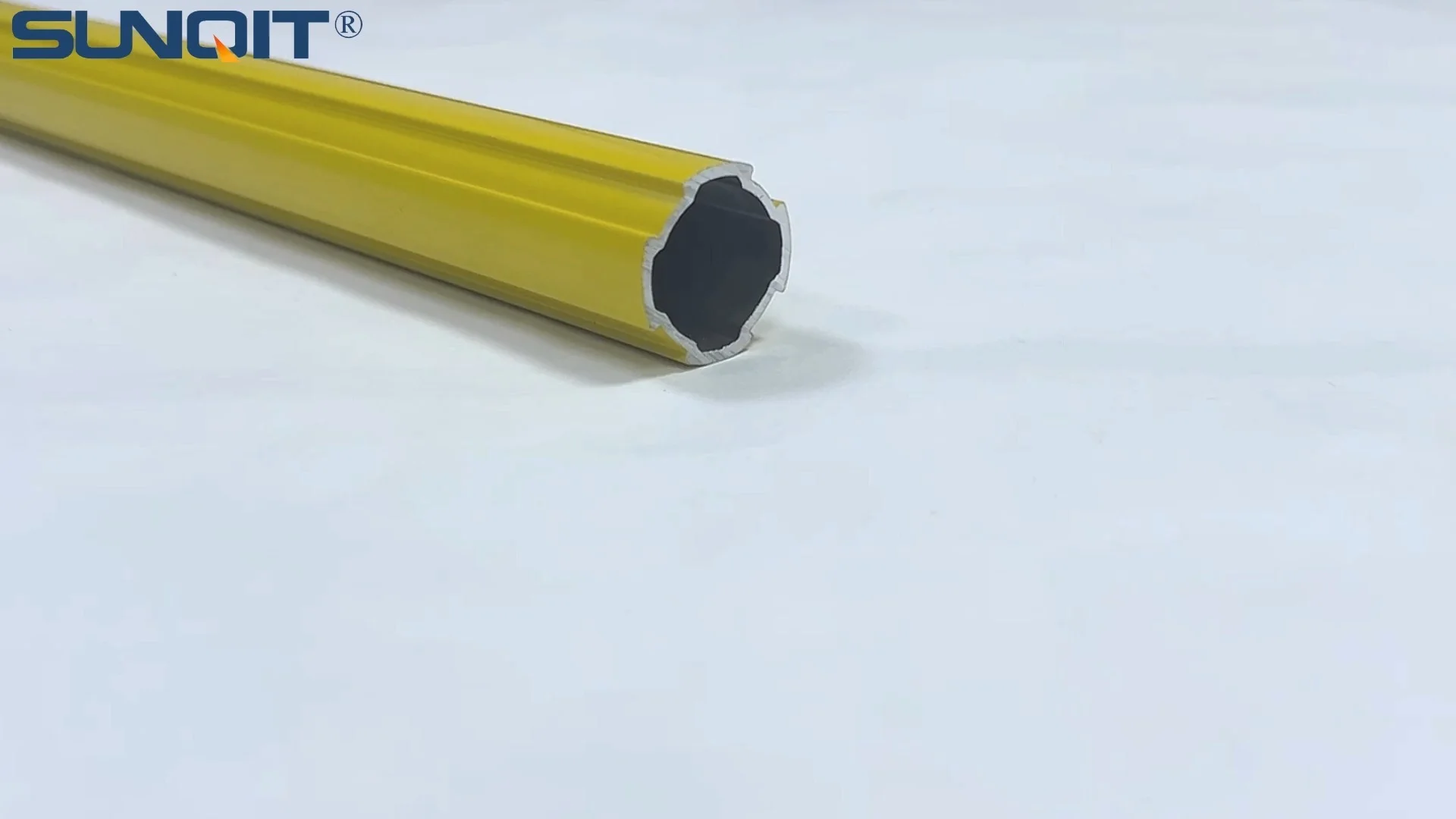
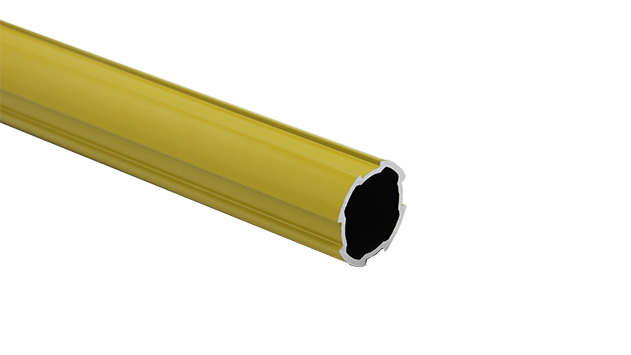
Aluminum pipe, it is used for workbench, flow rack,hand trolley assemble work with advantage of flexible and durable, yellow color makes it more attactive as a caution remind.
Walk onto any busy factory floor, and you'll likely spot them: sleek, silver structures weaving through workstations, material racks, and assembly lines. T slot aluminum pipes—those unassuming yet indispensable components—form the backbone of countless industrial setups. From the workbench where technicians assemble delicate electronics to the conveyor systems moving parts across the plant, these pipes keep operations flowing. But here's the thing: they don't stay shiny and functional on their own. Over time, factory grime, oil splatters, and daily wear take their toll. A dirty T slot aluminum pipe isn't just an eyesore; it's a silent productivity killer. Clogged slots make attaching aluminum profile accessories a hassle, grime traps moisture that breeds corrosion, and buildup can even throw off the precision of lean system workflows. So, how do you keep these workhorses in top shape? Let's dive into the best practices for cleaning T slot aluminum pipes in factory settings—because a little care today saves big headaches tomorrow.
Understanding T Slot Aluminum Pipes: More Than Just Metal Tubes
Before we grab the cleaning supplies, let's get to know our subject. T slot aluminum pipes are made from aluminum extrusion profile, a material prized for its winning combo of strength, lightness, and flexibility. The "T slot" refers to the long, narrow groove running along the length of the pipe—a genius design that lets you slide in bolts, brackets, and other aluminum profile accessories without drilling or welding. That's why they're everywhere: workbenches, flow racks, turnover trolleys, even custom machinery frames. Unlike rigid steel, they're easy to reconfigure, making them a favorite for lean system setups where adaptability is key. But their Achilles' heel? Those same T slots that make them versatile also act like magnets for factory muck. Dust, oil, and debris love to settle in the grooves, and if left unchecked, they can turn a high-performing tool into a frustrating bottleneck.
Common Contaminants: What's Gunking Up Your Pipes?
Factories are messy places, and T slot aluminum pipes catch the brunt of it. Let's break down the usual suspects:
- Oil and Grease: From lubricated machinery to workers' hands, oil finds its way everywhere. It coats the pipe surface, seeps into T slots, and traps dust, creating a sticky sludge that's tough to remove. Over time, this gunk can even degrade the pipe's anodized finish.
- Dust and Debris: Whether it's sawdust from woodworking, plastic particles from injection molding, or general factory dust, fine particles settle into T slots like tiny grains of sand. They scratch surfaces when accessories are adjusted and can jam moving parts like roller tracks.
- Metal Shavings: If your factory does any machining, metal shavings are inevitable. These sharp fragments can gouge T slot edges, leaving rough spots that make attaching accessories difficult. Worse, they're prone to rusting, which spreads to the aluminum if left in place.
- Fingerprints and Skin Oils: Even clean hands leave behind oils and acids that, over time, can etch into the aluminum's surface. Ever noticed dark spots on pipes that won't wipe off? That's often the result of repeated handling without gloves.
- Chemical Residues: Cleaning solvents, coolants, or even spilled adhesives can leave behind films that discolor the pipe or react with the aluminum. Some harsh chemicals might even strip the anodized layer, leaving the metal vulnerable to corrosion.
The bottom line: each contaminant brings its own set of problems, but they all share one goal—shortening your pipe's lifespan and disrupting your workflow. The good news? With the right tools and technique, you can banish them for good.
Tools and Materials: Your Cleaning Arsenal
You wouldn't use a hammer to fix a watch, and you shouldn't use abrasive tools on T slot aluminum pipes. The goal is to remove gunk without scratching or damaging the finish. Here's what you'll need:
Tools:
- Soft-Bristle Brushes: A small, narrow brush (think toothbrush size) gets into T slots, while a larger brush tackles flat surfaces. Avoid wire brushes—they'll scratch the anodized coating.
- Microfiber Cloths: Lint-free and super absorbent, these are perfect for wiping down surfaces and drying pipes without leaving streaks.
- Non-Abrasive Sponges: For stubborn spots, a soft sponge (no scouring pads!) gently lifts grime without harming the metal.
- Plastic Scrapers: Use these to dislodge dried-on gunk (like caked dust or old tape residue). Metal scrapers are a no-go—they'll leave permanent marks.
- Buckets and Spray Bottles: For mixing cleaning solutions and applying them evenly.
- Nitrile Gloves: Protect your hands from cleaning agents and keep oils from your skin off the pipes during and after cleaning.
Cleaning Agents:
- Mild Detergent: A gentle, pH-neutral dish soap or industrial mild detergent works for most everyday grime. Mix a few drops in warm water for a safe, effective cleaner.
- Isopropyl Alcohol (IPA): Great for cutting through oil and grease, especially in T slots. It evaporates quickly, so it's ideal for parts that can't stay wet long.
- Specialized Aluminum Cleaners: These are formulated to remove tough stains without damaging anodized finishes. Look for products labeled "safe for aluminum" or "non-corrosive."
- Distilled Water: For rinsing, tap water can leave mineral spots, especially if your area has hard water. Distilled water avoids that issue.
Pro tip: Skip the bleach, ammonia, or abrasive cleaners (like Comet). These chemicals are too harsh for aluminum and can eat away at the anodized layer, leaving the metal exposed to corrosion.

Step-by-Step Cleaning Process: From Grimy to Gleaming
Now that you've got your tools, let's walk through the cleaning process. Take it slow—rushing leads to missed spots or accidental damage.
1. Pre-Cleaning: Remove Loose Debris
Start by getting rid of the easy stuff. Use a soft-bristle brush to sweep loose dust and debris from the T slots and pipe surfaces. For stubborn chunks (like metal shavings), gently dislodge them with a plastic scraper—don't dig or scrape hard. If you're cleaning a workbench or rack, remove any aluminum profile accessories first (brackets, shelves, roller track connectors) so you can reach every nook. Lay accessories aside to clean separately (a quick wipe with IPA usually does the trick).
2. Wet Cleaning: Attack the Grime
Fill a bucket with warm water and a few drops of mild detergent, or pour IPA into a spray bottle. For general dirt, start with the soapy water—save IPA for oilier spots. Dip a microfiber cloth or sponge into the solution and wring it out (you want damp, not soaking wet). Wipe the pipe surfaces in long, even strokes, paying extra attention to T slots. For the slots themselves, use a small brush dipped in the solution to scrub gently—think of it like brushing teeth, but with less pressure. If you hit a greasy patch, spray a little IPA on a cloth and rub it in circular motions until the grime lifts. Avoid saturating the pipe; excess water can seep into joints and cause hidden corrosion.
3. Rinsing: Wash Away Residue
Once you've scrubbed all surfaces, it's time to rinse. Dip a clean cloth in distilled water and wipe down the pipes to remove soap or cleaner residue. For T slots, use a damp (not wet) brush to flush out any remaining gunk. If you're cleaning a large setup, you can use a spray bottle with distilled water for rinsing, but be sure to dry immediately afterward.
4. Drying: Prevent Water Spots and Rust
Aluminum dries quickly, but air-drying alone can leave water spots. Grab a dry microfiber cloth and buff the pipes until they're completely dry—pay special attention to T slots and joints, where water likes to hide. If you're in a hurry, use a fan to speed up drying, but avoid heat sources like hair dryers (high heat can warp plastic accessories or damage the anodized finish).
5. Post-Cleaning Inspection: The Final Check
Now, take a close look. Run your finger along a T slot—does it feel smooth, or is there still grit? Hold the pipe up to the light to check for water spots or missed grime. Reattach one aluminum profile accessory to test: it should slide in easily and tighten securely. If something still feels off, repeat the cleaning process on that spot. It's better to spend an extra minute now than to redo the whole job next week.

Cleaning Agents Compared: Which One Should You Use?
| Cleaning Agent | Pros | Cons | Best For |
|---|---|---|---|
| Mild Detergent + Water | Gentle on anodized finishes, affordable, safe for daily use | May not cut heavy oil; requires rinsing | Regular dust, light dirt, fingerprint smudges |
| Isopropyl Alcohol (IPA) | Evaporates quickly (no rinsing), great for oil/grease, disinfects | Strong smell; can dry out skin (wear gloves) | Oil slicks, adhesive residue, T slot gunk |
| Specialized Aluminum Cleaner | Formulated to prevent corrosion, removes tough stains | More expensive; some require rinsing | Heavy grime, oxidation spots, post-machining residue |
| Distilled Water (Rinsing) | Prevents mineral spots, safe for all finishes | Not a cleaner on its own; needs to be paired with soap/IPA | Final rinse after soap or cleaner |
Maintenance Tips: Keep Your Pipes Clean Longer
Cleaning is half the battle—staying ahead of grime is the other half. Here's how to keep your T slot aluminum pipes cleaner for longer:
- Stick to a Schedule: Daily: Wipe down high-touch areas (like workbench edges) with a dry microfiber cloth to remove dust. Weekly: Do a quick brush-out of T slots and a damp wipe with mild detergent. Monthly: Deep clean with IPA for oil-prone areas (near machinery) or specialized cleaner for tough spots.
- Protect When Not in Use: If a pipe setup is idle (e.g., a backup workbench), cover it with a breathable cloth to keep dust out. For long-term storage, wrap T slots with painter's tape (gentle adhesive won't damage finishes) to block debris.
- Wear Gloves: Make it a rule: anyone handling T slot pipes or aluminum profile accessories must wear nitrile gloves. This cuts down on fingerprint oils and skin acids.
- Clean Spills Immediately: If oil, coolant, or chemicals spill on pipes, wipe them up within 10 minutes. The longer a spill sits, the harder it is to remove—and the more damage it can do.
- Inspect for Early Damage: During cleaning, check for scratches, dents, or signs of corrosion (white/greenish spots). Small scratches can be buffed with a mild aluminum polish; deeper damage might mean replacing the pipe to avoid spreading corrosion.
Integrating Cleaning into Lean Systems: Cleanliness = Productivity
Factories that run on lean system principles know: efficiency starts with order. T slot aluminum pipes are a cornerstone of lean setups—they help organize workflows, reduce waste, and keep tools within reach. But a dirty pipe undermines all that. Clogged T slots mean workers waste time struggling to attach accessories; corroded pipes need frequent replacements, eating into budgets; and a grimy workspace can even lower team morale. That's why cleaning T slot pipes isn't just maintenance—it's part of dual foundation lean management: "good housekeeping" (one of the 5S pillars) and "preventive maintenance." By making pipe cleaning a standard step in your 5S "Shine" phase, you turn a chore into a habit. Workers take pride in a clean workspace, downtime from equipment issues drops, and your lean system runs like the well-oiled machine it's meant to be.
Troubleshooting: Common Cleaning Headaches (and Fixes)
Even with the best intentions, things can go wrong. Here's how to solve common cleaning mishaps:
- Scratches After Cleaning: Oops—you used a metal scraper or abrasive sponge. For light scratches, apply a tiny amount of aluminum polish to a microfiber cloth and buff in circular motions. Deep scratches? Unfortunately, they're permanent—focus on preventing more by switching to plastic scrapers.
- Water Spots: Caused by not drying thoroughly or using tap water. Buff spots with a dry microfiber cloth; if they're stubborn, dampen the cloth with a little IPA and rub gently.
- Stubborn Grease That Won't Budge: Soapy water isn't cutting it. Try letting IPA sit on the spot for 30 seconds (don't let it dry!) before scrubbing. For industrial grease, mix a paste of baking soda and water, apply, wait 5 minutes, then wipe off with a damp cloth (test on an inconspicuous spot first—baking soda is mildly abrasive).
- Discoloration (Dark Spots): Usually from prolonged exposure to oil or chemicals. Try a specialized aluminum cleaner, following the manufacturer's instructions. If that doesn't work, the anodized finish might be damaged—replace the pipe to avoid corrosion spreading.
Final Thoughts: Invest in Clean Pipes, Invest in Productivity
At the end of the day, T slot aluminum pipes are more than just parts of your factory equipment—they're the backbone of your workflow. Taking the time to clean them properly isn't a luxury; it's an investment in efficiency, longevity, and the success of your lean system. With the right tools, a little elbow grease, and a consistent routine, you can keep these pipes shining and functional for years. So next time you walk past that workbench or flow rack, take a closer look. Is it clean? If not, grab your brush and cloth—your future self (and your bottom line) will thank you.