- Company Articles
- Products and Technology
- Installation And Maintenance
- Cleaning Tips for 60 Steel Roller Track White to Maintain Hygiene Standards

Cleaning Tips for 60 Steel Roller Track White to Maintain Hygiene Standards
Related Product
60 Steel Roller Track White
The roller track can be installed with multiple accessories to create different slopes and configurations of flow racks.All steel conveyor 60 roller track accessories are engineered to perfectly fit the sliding rail.It is enable the movement of SLC boxes.
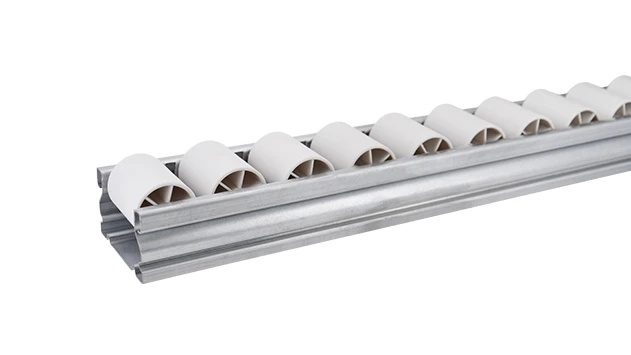
Keeping your 60 steel roller track white in top shape isn't just about aesthetics—it's about upholding the strict hygiene standards your industry demands, whether you're in medical device manufacturing, 3C assembly, or. These tracks are workhorses in your lean system, moving parts smoothly from one station to the next, so a dirty or poorly maintained track can slow down production, lead to product contamination, or even cause equipment failure. But don't worry—with the right steps and a little regular care, you can keep your roller tracks running clean and efficient for years. In this guide, we'll walk you through everything you need to know: from pre-cleaning prep to industry-specific tips, and even how to use roller track accessories to keep things in order.
Pre-Cleaning Preparation: Gather Your Tools & Supplies
Before you start cleaning, it's important to have all the right tools on hand. Skipping this step can lead to half-hearted cleaning or even damage to your track. Here's what you'll need:
- Soft-bristle brush (for loose debris)
- Microfiber cloths (lint-free, non-abrasive)
- pH-neutral mild detergent (avoid harsh chemicals)
- Sanitizing solution (medical-grade for healthcare, 70% isopropyl alcohol for electronics)
- Compressed air (for hard-to-reach spots)
- Silicone-based lubricant (for post-cleaning maintenance)
- Small toothbrush (optional, for tight gaps)
- Replacement roller track accessories (like connectors or end supports, if needed)
Each tool serves a purpose: soft brushes prevent scratching the white coating, microfiber cloths trap dust without leaving lint, and compressed air gets into gaps between rollers and connectors that cloths can't reach. For roller track accessories, having spares on hand means you can replace worn parts immediately instead of letting them cause bigger issues later.
Step-by-Step Cleaning Guide for 60 Steel Roller Track White
Follow these steps to ensure a thorough, safe clean that maintains hygiene standards and extends the life of your track:
Step 1: Safety First—Disconnect & Secure
If your 60 steel roller track is part of a conveyor system, turn off the power and disconnect it from the main unit to avoid accidents. If the track is mobile (fitted with caster wheels), lock the wheels to keep it stable during cleaning. Wear disposable gloves if you're using sanitizing solutions to protect your hands.
Step 2: Remove Loose Debris
Start with the basics: use a soft-bristle brush to sweep away loose dirt, dust, and small parts from the roller surface and frame. For gaps between rollers or around roller track connectors, use compressed air to blow out debris—hold the nozzle 6-8 inches away to avoid damaging the rollers. If compressed air isn't available, a small toothbrush works (be gentle to not bend the rollers).
A client in automotive manufacturing once told us they skipped this step and ended up with grease buildup in their track. The grease mixed with dust to form a sticky residue that jammed the rollers. Taking 5 minutes to remove loose debris before deep cleaning saves hours of troubleshooting later.
Step 3: Deep Clean with Mild Detergent
Mix a small amount of pH-neutral detergent with warm water (follow the manufacturer's instructions for dilution). Dip a microfiber cloth into the solution, wring it out completely (excess water can seep into roller bearings), and wipe each roller individually. For the white steel frame, use the same solution to wipe down every surface—pay attention to fingerprints, stains, or grease marks.
For stubborn stains (like oil from automotive parts), make a paste of baking soda and water. Apply it to the stain, let it sit for 5 minutes, then wipe it off with a damp cloth. Never use abrasive cleaners (like steel wool) or harsh chemicals (bleach, ammonia)—they strip the white coating and leave scratches that trap dirt.
Step 4: Sanitize for Industry Compliance
Sanitization is non-negotiable for industries like medical devices or food processing. Choose a sanitizer that meets your industry's guidelines:
- Medical device manufacturing: Use a medical-grade EPA-approved sanitizer (follow contact time instructions to kill bacteria).
- 3C assembly: Use 70% isopropyl alcohol to remove dust and kill germs without damaging electronic components.
- Warehousing: Use a food-safe sanitizer if handling packaged goods, or a general-purpose sanitizer for non-sensitive items.
Apply the sanitizer to a clean microfiber cloth and wipe all surfaces—rollers, frame, roller track connectors, and any attached accessories. Don't forget the end supports or caster wheel mounts—these areas often collect dirt that can contaminate products.
Step 5: Dry Thoroughly to Prevent Rust
Moisture is the enemy of steel, even coated steel. Use a dry microfiber cloth to wipe every part of the track until it's completely dry. For hard-to-reach areas (like inside roller bearings or connectors), use compressed air to blow out remaining moisture. If you skip this step, you risk rust—rust particles flake off and get into sensitive parts (like medical devices or 3C components) to cause defects.
A client in medical device manufacturing learned this the hard way: they left their track damp after cleaning, and rust formed on the connectors. They had to replace the entire track to comply with ISO 13485 guidelines. Drying takes 10 minutes—don't cut corners.
Step 6: Inspect & Maintain Roller Track Accessories
After cleaning, inspect your roller track accessories for wear or damage. Are the connectors tight? Do the caster wheels roll smoothly? Are the end supports intact?
Replacing a worn connector or caster wheel aligns with lean system principles—lean focuses on reducing waste, so replacing a small part instead of the entire track saves money and reduces environmental impact. A reliable lean system supplier will provide high-quality replacement accessories that fit your track perfectly.

Maintenance Tips Beyond Cleaning
Cleaning is just one part of maintaining your 60 steel roller track white. Here are additional tips to keep it running smoothly:
Lubricate Rollers Regularly
Every 3-6 months (depending on use), apply a silicone-based lubricant to the roller bearings. Avoid oil-based lubricants—they attract dust and dirt to clog the bearings. For mobile tracks, lubricate caster wheels every month to ensure smooth movement.
Set a Cleaning Schedule
Consistency is key. Use the table below to set a schedule that fits your industry:
| Industry | Cleaning Frequency | Recommended Sanitizer | Key Considerations |
|---|---|---|---|
| Medical Device Manufacturing | Daily (after each shift) | Medical-grade EPA-approved sanitizer | Follow ISO 13485 guidelines; use dedicated cleaning tools |
| 3C Assembly | Bi-weekly (weekly for high-dust areas) | 70% isopropyl alcohol | Use anti-static cloths; compressed air for dust removal |
| Warehousing & Logistics | Weekly | Food-safe sanitizer (if applicable) | Inspect caster wheels and connectors for wear |
| Automotive Manufacturing | Bi-weekly | Mild detergent + degreaser | Remove grease before cleaning; lubricate rollers monthly |
| Consumer Electronics | Weekly | 70% isopropyl alcohol | Avoid moisture near electronic components |
Train Your Team
Make sure everyone who uses the track knows how to clean it properly. Hold a 15-minute training session to go over the steps—use this guide as a reference. When your team understands the importance of cleaning (like preventing product contamination), they'll be more likely to follow the schedule.

Industry-Specific Considerations
Different industries have unique hygiene needs. Here's how to tailor your cleaning routine:
Medical Device Manufacturing
Medical device manufacturing follows strict ISO 13485 guidelines. You need to:
- Use dedicated cleaning tools for each track to avoid cross-contamination.
- Keep detailed records of every cleaning session (date, time, sanitizer used).
- Test your sanitizer regularly to ensure it meets kill rates for bacteria like E. coli and Salmonella.
3C Assembly
3C assembly (computers, communication, consumer electronics) is sensitive to dust. You need to:
- Use anti-static microfiber cloths to prevent static electricity from damaging components.
- Use compressed air daily to remove dust from between rollers.
- Avoid using water-based solutions near electronic parts—stick to isopropyl alcohol.
Warehousing & Logistics
Warehousing tracks handle heavy loads and get frequent use. You need to:
- Clean your track weekly (or daily for high-traffic areas).
- Inspect caster wheels every week—replace them if they're worn or cracked.
- Use a heavy-duty microfiber cloth to remove dirt from the frame.
Common Mistakes to Avoid
Even small mistakes can damage your track or compromise hygiene. Here are the most common ones:
Using Harsh Chemicals
Bleach or ammonia strip the white coating from your track. This exposes the steel to rust and leaves scratches that trap dirt. Stick to pH-neutral detergents.
Skipping the Drying Step
As we mentioned earlier, moisture causes rust. Always dry your track completely after cleaning.
Ignoring Roller Track Accessories
Connectors and caster wheels are small, but they keep your track functional. If a connector is loose, your track can shift and jam. Inspect these parts every time you clean.
Irregular Cleaning
Waiting until your track is visibly dirty is too late. Dirt builds up in hidden areas (like roller bearings) and causes jams. Set a schedule and stick to it.
Final Thoughts
Maintaining your 60 steel roller track white isn't rocket science—it's about consistency and attention to detail. By following these cleaning tips, you'll uphold hygiene standards, extend the life of your track, and keep your production line running smoothly.
Remember: your track is part of your lean system. Lean principles focus on continuous improvement and reducing waste—so investing time in cleaning and maintenance is an investment in your business's success.
If you need replacement roller track accessories or have questions about maintaining your track, reach out to a trusted lean system supplier. They'll provide the support you need to keep your equipment in top shape.