- Company Articles
- Products and Technology
- Application Cases
- Cleanroom Applications: 1.2mm Stainless Steel Pipe for Dust-Free Electronics Assembly

Cleanroom Applications: 1.2mm Stainless Steel Pipe for Dust-Free Electronics Assembly
Related Product
1.2mm Stainless Steel Pipe
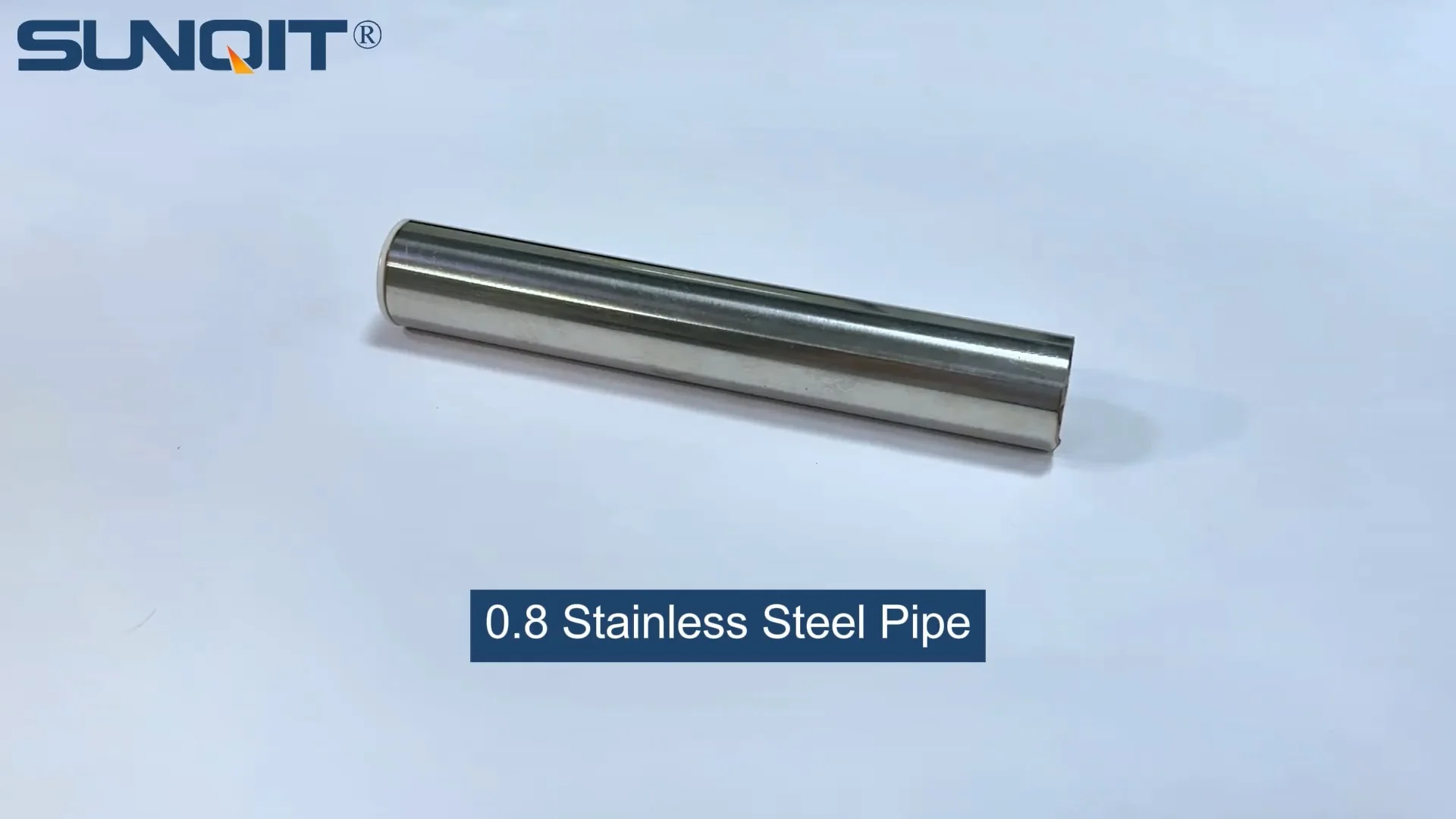
Stainless steel pipe, lean pipe, diameter is 28mm, material is SS201 or SS304, SS201 is normally used in the market. It knows a KARAKURI, KAIZEN material for industrial plant to improve efficiency, save labor cost, standard management.
In the high-stakes world of electronics manufacturing, where a single speck of dust or a tiny electrostatic discharge can ruin a $10,000 microchip, the environment in which products are assembled matters as much as the components themselves. Cleanrooms—those meticulously controlled spaces with filtered air, strict particle limits, and specialized equipment—are the backbone of modern electronics production. But what makes a cleanroom truly effective? Beyond HEPA filters and airtight seals, the materials used to build its workstations, conveyors, and workflows play a critical role. Among these materials, one stands out for its unique blend of durability, cleanliness, and adaptability: the 1.2mm stainless steel pipe. In this article, we'll explore why this unassuming component has become a cornerstone of dust-free electronics assembly, how it integrates with lean systems, and why it's the go-to choice for building everything from workbenches to ESD workstations.
The Cleanroom Challenge: Why Materials Matter in Electronics Assembly
Electronics manufacturing is a study in precision. From semiconductors to medical devices, the products rolling off assembly lines today are smaller, more complex, and more sensitive than ever. A typical cleanroom operating at ISO Class 7 standards (common in electronics) allows no more than 352,000 particles larger than 0.5 microns per cubic meter—compare that to the millions of particles in a normal office. Add to that the risk of electrostatic discharge (ESD), which can fry delicate circuits without warning, and it's clear: every surface, every tool, and every structural component must be designed to minimize risk.
Traditional building materials often fall short here. Wood harbors dust and bacteria. Plastic can generate static electricity and degrade under harsh cleaning chemicals. Even aluminum, while lightweight, may not stand up to the constant scrubbing and sanitizing required in cleanrooms. This is where stainless steel shines—and specifically, 1.2mm stainless steel pipe. Its unique properties address three critical cleanroom needs: minimal particle generation , resistance to corrosion and chemicals , and compatibility with ESD protocols . Let's break down why this thickness and material combo is a game-changer.
1.2mm Stainless Steel Pipe: The Sweet Spot of Strength and Versatility
Stainless steel has long been a staple in industries where cleanliness is non-negotiable—think pharmaceuticals, food processing, and aerospace. But why 1.2mm thickness? For electronics cleanrooms, the answer lies in balance. A thicker pipe (say, 2.0mm) would add unnecessary weight, making it harder to reconfigure workstations or build mobile conveyors. A thinner pipe (0.8mm) might lack the structural integrity to support heavy equipment or withstand the wear and tear of daily use. At 1.2mm, stainless steel pipe hits the sweet spot: it's lightweight enough to be modular and easy to install, yet strong enough to support the rigors of assembly lines, from holding circuit boards to transporting sensitive components.
But thickness is just part of the story. The real magic is in the material itself. Stainless steel is an alloy of iron, chromium, and other elements (like nickel or molybdenum) that form a passive oxide layer on its surface. This layer acts as a shield, preventing rust and corrosion even when exposed to harsh cleaning agents like isopropyl alcohol or hydrogen peroxide—common in cleanroom sanitization routines. Unlike aluminum, which can develop a dull oxide layer over time, stainless steel retains its smooth, non-porous finish, leaving nowhere for dust, bacteria, or contaminants to hide. Run a cloth over a 1.2mm stainless steel workbench, and you'll pick up fewer particles than you would from a plastic or painted surface—critical for maintaining ISO compliance.

Applications in Action: Building the Dust-Free Workflow
So, how exactly is 1.2mm stainless steel pipe used in electronics cleanrooms? Its versatility means it's found in nearly every corner of the assembly process, from static-free workbenches to precision conveyors. Let's take a closer look at three key applications where it truly shines.
1. Lean System Workstations: Efficiency Meets Cleanliness
Lean manufacturing principles—eliminating waste, streamlining workflows, continuous improvement—are the lifeblood of modern electronics plants. A lean system relies on workstations that are adaptable, ergonomic, and easy to reconfigure as production needs change. 1.2mm stainless steel pipe is the perfect building block for these setups. Its modular design allows teams to quickly assemble, disassemble, or modify workstations using simple joints and connectors, without welding or specialized tools. Need to add a shelf for component bins? Swap out a section of pipe. Want to lower the work surface to accommodate a new assembly process? Adjust the height in minutes.
But it's not just about flexibility. A lean system also demands minimal downtime, and stainless steel delivers here too. Unlike wood or plastic, which can chip, crack, or warp, 1.2mm stainless steel pipe withstands bumps, scrapes, and heavy loads without degradation. This durability means fewer replacements, less maintenance, and more time spent producing—not repairing. And because it's non-porous, cleaning takes minutes, not hours. Wipe down the surface with a disinfectant, and it's ready for the next shift—no lingering residues, no hidden grime.
2. ESD Workstations: Protecting Sensitive Components from Static
Electrostatic discharge is the silent killer of electronics manufacturing. Even a charge as small as 300 volts can damage a CMOS chip, and humans can carry up to 35,000 volts of static electricity without feeling a thing. ESD workstations are designed to ground this charge, protecting components from harm. Here, 1.2mm stainless steel pipe plays a dual role: as a structural support and as a conductive pathway for static dissipation.
Stainless steel is naturally conductive, making it easy to integrate into ESD grounding systems. By connecting the pipe framework to a facility's grounding network, any static charge that builds up on the workstation or operator is safely directed away from sensitive parts. Compare this to plastic, which is an insulator and can trap static, or aluminum, which may require additional conductive coatings that wear off over time. Stainless steel's conductivity is inherent and long-lasting, ensuring consistent ESD protection for years.
ESD workstations built with 1.2mm stainless steel pipe also excel in customization. Add a conductive mat on the work surface, mount ESD wrist strap holders, or attach grounding clips for tools—all without compromising the structural integrity of the setup. The pipe's slim profile keeps the workstation uncluttered, while its strength supports heavy ESD-safe equipment like soldering irons or inspection microscopes. For manufacturers of semiconductors or aerospace components, where ESD risks are highest, this combination of protection and adaptability is invaluable.
3. Conveyors: Smooth, Clean Material Handling
In a busy electronics plant, materials and subassemblies need to move quickly and cleanly from one station to the next. Conveyors are the arteries of this process, and their design directly impacts efficiency and product quality. 1.2mm stainless steel pipe is a popular choice for building roller conveyors and belt conveyors in cleanrooms, thanks to its smooth surface and resistance to friction.
Unlike plastic rollers, which can generate static or shed particles as they wear, stainless steel rollers (often mounted on 1.2mm stainless steel axles) glide silently and cleanly. The material's hardness ensures minimal wear, even with constant use, reducing the risk of particle generation. And because stainless steel is corrosion-resistant, conveyors built with 1.2mm pipe can handle humid environments or exposure to cleaning agents without rusting—a common issue with carbon steel alternatives.
Another advantage? Weight. 1.2mm stainless steel pipe is lightweight enough to keep conveyor systems energy-efficient, but strong enough to support heavy loads, from circuit board trays to finished products. This balance reduces strain on motors and extends equipment life, lowering operating costs over time. For lean systems focused on waste reduction, this translates to less energy use, fewer repairs, and smoother material flow—all critical for meeting tight production deadlines.

How 1.2mm Stainless Steel Pipe Stacks Up: A Material Comparison
To truly appreciate why 1.2mm stainless steel pipe is the top choice for cleanroom electronics assembly, it helps to see how it compares to other common materials. Below is a breakdown of key factors like particle control, ESD compatibility, durability, and cost:
| Material | Particle Generation | ESD Compatibility | Corrosion Resistance | Durability | Cost (Relative) |
|---|---|---|---|---|---|
| 1.2mm Stainless Steel Pipe | Low (non-porous, smooth surface) | High (naturally conductive, integrates with grounding systems) | Excellent (resists chemicals and humidity) | Very High (withstands impacts, wear, and heavy loads) | Moderate (higher upfront, lower long-term due to durability) |
| Aluminum Lean Pipe | Low (smooth, but oxide layer may shed tiny particles) | Moderate (requires conductive coatings, which wear off) | Good (resists corrosion, but can pit in acidic environments) | Moderate (prone to dents and bending under heavy loads) | Low (cheaper upfront, but higher replacement costs) |
| Plastic-Coated Lean Pipe | High (plastic can chip or degrade, releasing particles) | Low (insulative, may generate static; ESD coatings are temporary) | Poor (coating can crack, exposing metal core to corrosion) | Low (prone to warping, cracking, and UV damage) | Lowest (cheap upfront, but frequent replacements needed) |
| Wood | Very High (porous, traps dust and bacteria) | Very Low (insulative, major static risk) | Poor (swells with moisture, rots over time) | Low (scratches, dents, and harbors pests) | Low (but unsuitable for cleanrooms) |
The table tells a clear story: while aluminum and plastic may be cheaper upfront, 1.2mm stainless steel pipe offers superior performance in every category that matters for cleanroom electronics assembly. Its low particle generation, high ESD compatibility, and long-term durability make it a cost-effective choice, even with a higher initial investment. When you factor in reduced downtime, fewer replacements, and compliance with strict cleanroom standards, the value becomes undeniable.
Maintenance and Longevity: Keeping 1.2mm Stainless Steel Pipe in Top Shape
One of the biggest myths about stainless steel is that it's "maintenance-free." While it's certainly low-maintenance compared to other materials, proper care is still key to maximizing its lifespan in a cleanroom. The good news? Maintaining 1.2mm stainless steel pipe is simple and straightforward, requiring only basic tools and routine checks.
First, regular cleaning is essential. Even in a controlled environment, dust and fingerprints can accumulate on stainless steel surfaces. Wiping down workstations and conveyors with a soft cloth and a mild detergent (avoid abrasive cleaners, which can scratch the surface) removes these residues and prevents buildup. For sanitization, isopropyl alcohol or a 10% bleach solution works well—just rinse thoroughly afterward to avoid chemical residue. Avoid chloride-based cleaners (like bleach) on a daily basis, as prolonged exposure can eventually break down the oxide layer; reserve these for deep cleaning when needed.
Second, inspect joints and connectors periodically. Over time, the vibration of conveyor systems or heavy use can loosen fasteners. Tightening these with a wrench or screwdriver takes minutes and prevents structural issues down the line. Also, check for signs of corrosion (though rare, it can occur if the oxide layer is compromised by scratches or harsh chemicals). If you spot a small rust spot, gently sand it with fine-grit sandpaper, then apply a stainless steel passivation solution to restore the protective layer.
With proper care, a 1.2mm stainless steel pipe system can last 10 years or more—far longer than plastic or aluminum alternatives. This longevity not only reduces waste but also ensures consistent performance, which is critical for maintaining cleanroom certification and product quality.
Case Study: How a Semiconductor Plant Cut Downtime with 1.2mm Stainless Steel Pipe
Client: XYZ Semiconductor (ISO Class 6 Cleanroom)
Challenge: XYZ Semiconductor was struggling with frequent downtime in its chip assembly line. Their existing workstations, built with aluminum lean pipe, were prone to dents and required monthly replacements of ESD coatings. Conveyors made from plastic-coated pipe were shedding particles, leading to frequent cleanroom recertification failures and costly product defects.
Solution: The plant replaced all aluminum and plastic components with 1.2mm stainless steel pipe, rebuilding workstations, conveyors, and ESD workstations using modular stainless steel frameworks. They integrated the new systems with their existing grounding network to enhance ESD protection.
Results: Within six months, downtime due to equipment failure dropped by 40%. Particle counts in the cleanroom decreased by 65%, eliminating recertification issues. ESD-related defects fell from 2.3% to 0.5% of production. The plant estimates the stainless steel investment will pay for itself within 2 years through reduced maintenance and defect costs.
The Future of Cleanroom Design: Why 1.2mm Stainless Steel Pipe Will Remain a Staple
As electronics manufacturing continues to evolve—with smaller components, faster production cycles, and stricter regulatory standards—the demand for reliable, adaptable cleanroom materials will only grow. 1.2mm stainless steel pipe is well-positioned to meet these challenges, thanks to its timeless combination of durability, cleanliness, and flexibility.
Looking ahead, we'll likely see even more innovation in how stainless steel pipe is used. For example, manufacturers are developing new joint designs that allow for tool-less assembly, making reconfiguration even faster. There's also growing interest in combining stainless steel with smart technologies, like embedded sensors that monitor ESD levels or structural stress in real time, alerting maintenance teams to issues before they cause downtime.
Sustainability is another trend driving material choices, and stainless steel aligns here too. It's 100% recyclable, and its long lifespan reduces the need for frequent replacements—lowering the carbon footprint of manufacturing operations. As companies strive to meet net-zero goals, the environmental benefits of stainless steel will become an even bigger selling point.
Conclusion: The Unsung Hero of Dust-Free Electronics Assembly
In the fast-paced world of electronics manufacturing, where precision and reliability are everything, the 1.2mm stainless steel pipe may not grab headlines—but it's the unsung hero keeping cleanrooms running smoothly. Its unique blend of strength, versatility, and cleanliness makes it ideal for building lean systems, ESD workstations, and conveyors that meet the strict demands of modern production.
Whether you're assembling microchips, medical devices, or consumer electronics, the materials you choose shape your ability to deliver quality products on time and on budget. 1.2mm stainless steel pipe isn't just a building material—it's an investment in efficiency, compliance, and peace of mind. As technology advances and cleanroom standards become more rigorous, this humble component will continue to play a vital role in powering the next generation of electronics manufacturing.