- Company Articles
- Products and Technology
- Application Cases
- Cleanroom Applications: 2.0mm Stainless Steel Pipe for Medical Tools

Cleanroom Applications: 2.0mm Stainless Steel Pipe for Medical Tools
Related Product
2.0mm Stainless Steel Pipe
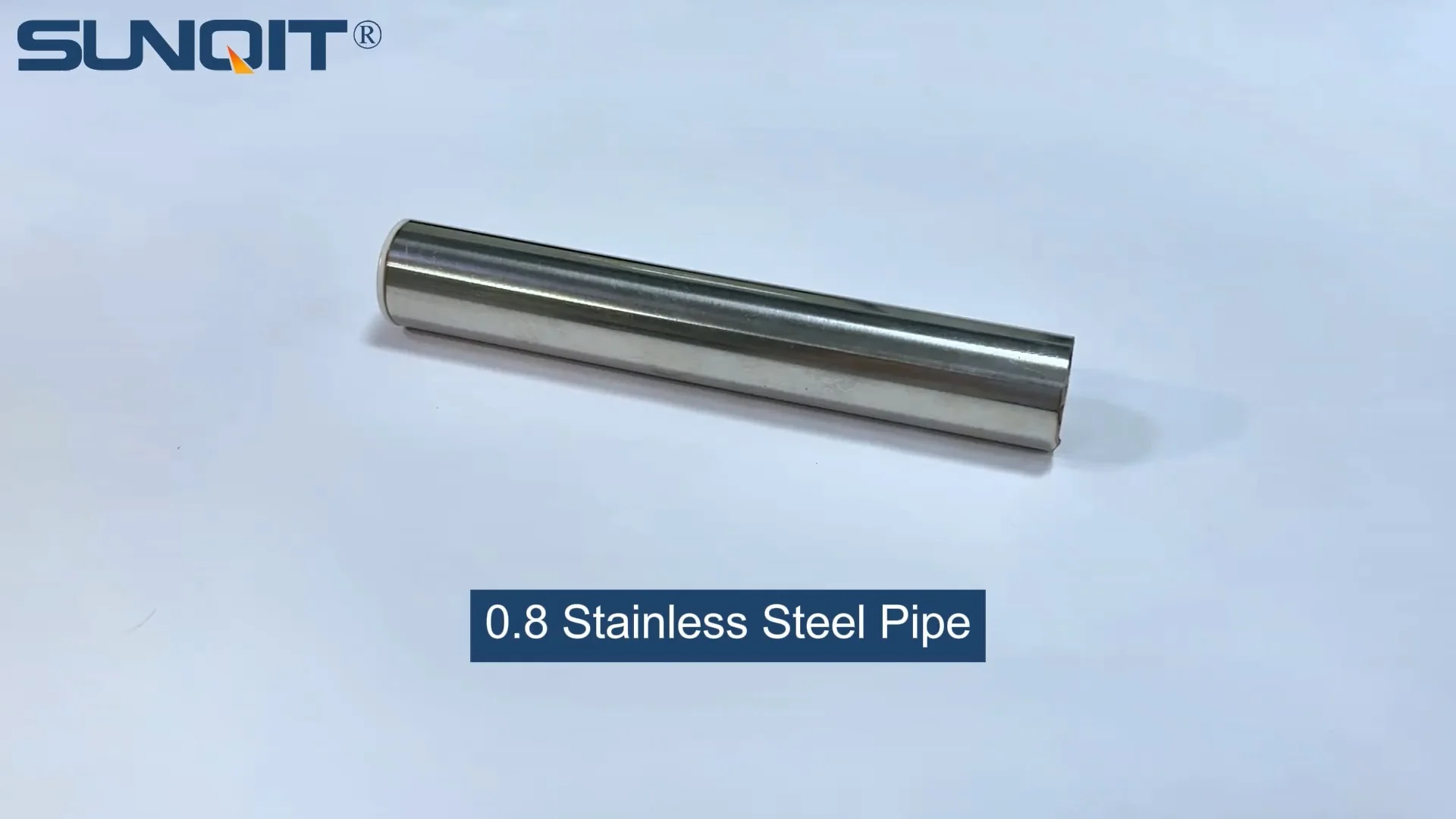
Stainless steel pipe, lean pipe, diameter is 28mm, material is SS201 or SS304, SS201 is normally used in the market. It knows a KARAKURI, KAIZEN material for industrial plant to improve efficiency, save labor cost, standard management.
Step into a medical device manufacturing cleanroom, and you'll immediately sense the gravity of the space. The air feels crisp, the surfaces gleam, and every movement is deliberate. This isn't just a factory floor—it's a sanctuary where precision meets purpose, where the tools that save lives are born. In these environments, even the smallest detail matters: a single particle of dust, a hint of corrosion, or a wobbly workbench could compromise a product meant to heal. That's why choosing the right infrastructure isn't just a practical decision; it's a promise to patients, regulators, and the teams who pour their expertise into every device. Today, we're diving into one component that quietly holds it all together: the
2.0mm stainless steel pipe
. Far more than just a metal tube, it's the backbone of cleanroom systems that keep medical tool production safe, efficient, and compliant.
Why Stainless Steel? The Material That Checks All the Boxes
Let's start with the basics: why stainless steel? In cleanrooms—especially those in medical settings—materials face a unique set of challenges. They must resist corrosion from daily disinfection, stand up to constant use without chipping or warping, and leave no room for bacteria to hide. Stainless steel, with its alloy of iron, chromium, and nickel, was practically engineered for this role. But not all stainless steel pipes are created equal. The 2.0mm thickness, in particular, is a sweet spot that balances strength, versatility, and practicality.
Think about the demands of a medical cleanroom. Technicians lean on workbenches while assembling delicate tools; material racks hold heavy sterilized equipment; and carts glide across floors, loaded with components. A thinner pipe—say, 1.2mm or 1.5mm—might save a little weight upfront, but over time, the stress of daily use could lead to bending or weakening. At 2.0mm, the pipe doesn't just support the load; it maintains its structural integrity for years, even under the harsh chemicals used in cleaning protocols. And because it's stainless steel, there's no risk of rust or pitting, which could flake off and contaminate products. When every surface is wiped down with alcohol or bleach multiple times a day, that resistance isn't just convenient—it's critical.
From Pipes to Purpose: Building the Cleanroom Ecosystem
A 2.0mm stainless steel pipe doesn't work alone. It's part of a larger ecosystem, working in harmony with workbenches, ESD workstations, and lean system principles to create a space that's both functional and compliant. Let's break down how it integrates into key cleanroom elements:
1. Workbenches: The Heart of Assembly
Walk through any cleanroom, and you'll notice the
workbench
is where the magic happens. It's where technicians spend hours assembling surgical instruments, calibrating diagnostic tools, or packaging implants. These workbenches need to be rock-solid—no wobbling, no flexing—because precision here is non-negotiable. The 2.0mm stainless steel pipe forms the frame of these workbenches, providing a stable base that can be customized with shelves, tool holders, or even integrated lighting. Unlike wooden or plastic frames, stainless steel won't absorb spills, harbor germs, or degrade under UV light (a common sterilization method). And when paired with a smooth, non-porous top (like stainless steel or ESD-safe laminate), it becomes a surface that's as easy to clean as it is reliable.
Imagine a technician assembling a tiny laparoscopic tool, their hands steady as they align components smaller than a grain of rice. If the workbench shifted even a millimeter, that tool could be ruined. With a frame built from 2.0mm stainless steel pipe, that shift simply doesn't happen. It's the quiet confidence that lets teams focus on what matters: building tools that work, every single time.
2. ESD Workstations: Protecting Sensitive Electronics
Many medical tools today include electronic components—think of pacemakers, insulin pumps, or smart diagnostic devices. These electronics are incredibly sensitive to static electricity, which can fry circuits or disrupt functionality. That's where
ESD workstations
come in, designed to channel static charge safely away from products. And again, the 2.0mm stainless steel pipe plays a starring role. When grounded properly, stainless steel acts as a conductor, preventing static buildup on the workstation surface. This isn't just about protecting the product; it's about protecting the patient who relies on that device to function flawlessly when it matters most.
What makes stainless steel ideal for ESD workstations? Unlike aluminum (another common material), stainless steel doesn't require additional coatings to conduct electricity. Its natural properties, combined with the 2.0mm thickness, ensure a consistent ground path—no weak points where static could leak through. For cleanroom managers, that means fewer worries about costly product failures or regulatory violations. It's one less variable in a process where variables can't afford to exist.
3. Lean System Integration: Streamlining Workflow Without Sacrificing Cleanliness
Cleanrooms aren't just about keeping things clean—they're about keeping things moving. A clunky workflow, with materials stuck in bottlenecks or tools scattered across the floor, wastes time and increases the risk of errors. That's where
lean system
principles come into play: minimizing waste, optimizing movement, and ensuring every tool, part, and workstation has a clear purpose. The 2.0mm stainless steel pipe is the unsung hero of lean cleanrooms, because it's modular, adaptable, and built to support the flow of work.
Need a material rack to hold sterilized components? Use stainless steel pipes and joints to build one that fits exactly where you need it, with shelves spaced to prevent overcrowding. Want a cart to transport tools from one station to the next? A frame made of 2.0mm stainless steel can handle the load, even when stacked with heavy equipment. Unlike rigid, one-size-fits-all systems, stainless steel pipe setups can be reconfigured as workflows change—no need to replace entire structures when a new tool or process is introduced. This flexibility is gold in an industry where medical technology evolves at lightning speed.

2.0mm vs. the Rest: Why Thickness Matters
You might be wondering: if 1.5mm stainless steel pipe is cheaper and lighter, why not use that instead? Let's put it to the test. Below is a comparison of 2.0mm stainless steel pipe with two common alternatives—1.5mm stainless steel and aluminum profile—to see how they stack up in cleanroom conditions:
| Feature | 2.0mm Stainless Steel Pipe | 1.5mm Stainless Steel Pipe | Aluminum Profile |
|---|---|---|---|
| Corrosion Resistance | Excellent—resists daily disinfection chemicals | Excellent, but thinner walls may wear faster | Good, but prone to pitting with harsh cleaners |
| Load Capacity | High—supports heavy workbenches and racks | Moderate—may bend under constant heavy use | Moderate—strong but less rigid than stainless steel |
| Cleanability | Smooth surface, no crevices for bacteria | Same as 2.0mm, but thinner walls may dent, creating gaps | Good, but extruded profiles can have hard-to-reach grooves |
| ESD Compatibility | Yes—easily grounded for static protection | Yes, but thinner material may have inconsistent conductivity | Yes, but often requires additional grounding kits |
| Longevity | 10+ years with proper maintenance | 5–7 years, depending on use intensity | 7–8 years, but may show wear from impacts |
The takeaway? While 1.5mm stainless steel and aluminum have their place in less demanding settings, the 2.0mm stainless steel pipe pulls ahead in cleanrooms where durability, hygiene, and reliability are non-negotiable. It's an investment that pays off in fewer replacements, fewer compliance headaches, and more confidence in the products rolling off the line.

Real-World Impact: A Day in the Life of a Cleanroom Team
Let's ground this in reality with a quick story. Meet Maria, a lead technician at a medical device manufacturer specializing in endoscopic tools. Her team spends 8–10 hours a day assembling components smaller than a pencil eraser, each requiring microscopic precision. Their workbench, framed with 2.0mm stainless steel pipe, has been in use for six years—and it still looks brand new. "We clean it with isopropyl alcohol three times a day, and it never rusts or stains," Maria says. "Last month, we had an audit, and the inspector couldn't believe how solid the workbench was. He said it was the most well-maintained setup he'd seen all year."
Down the line, Juan manages material flow, ensuring components move from sterilization to assembly without delays. His team uses stainless steel pipe racks and carts, all built with 2.0mm pipe. "We used aluminum racks before, and they'd warp after a year of moving heavy trays," he explains. "These stainless steel ones? We've loaded them with 50kg of parts, rolled them across the floor, and they don't budge. No squeaks, no bending—just smooth, reliable movement. That's lean system efficiency in action."
Choosing the Right Supplier: More Than Just a Pipe
Of course, even the best material is only as good as the supplier behind it. When sourcing 2.0mm stainless steel pipe for a medical cleanroom, look for a partner who understands the industry's unique needs. They should provide documentation on material certifications (like ISO 13485, the gold standard for medical device manufacturing), offer custom cutting or finishing to avoid sharp edges that could harbor bacteria, and stand behind their products with responsive support. A supplier who specializes in cleanroom infrastructure will also know how to pair pipes with the right joints, casters, and accessories to ensure your system is not just functional, but optimized for your specific workflow.
The Bottom Line: Invest in Infrastructure, Invest in Trust
At the end of the day, a cleanroom is more than a collection of tools and materials—it's a reflection of the values of the people who run it. Choosing 2.0mm stainless steel pipe isn't just about durability or compliance; it's about respecting the work of the technicians who rely on stable workbenches, the patients who depend on safe tools, and the regulators who ensure we never cut corners. In a space where precision can mean the difference between healing and harm, the right infrastructure isn't a luxury—it's essential.
So the next time you step into a medical device cleanroom, take a moment to notice the quiet strength of the stainless steel frames holding it all together. That 2.0mm pipe isn't just part of the scenery; it's a promise kept. And in an industry built on trust, that's everything.