- Company Articles
- Products and Technology
- Product knowledge
- Color-Coded T-Groove Aluminum Pipe: Streamlining Workshop Organization

Color-Coded T-Groove Aluminum Pipe: Streamlining Workshop Organization
Related Product
T-Groove Aluminum Pipe
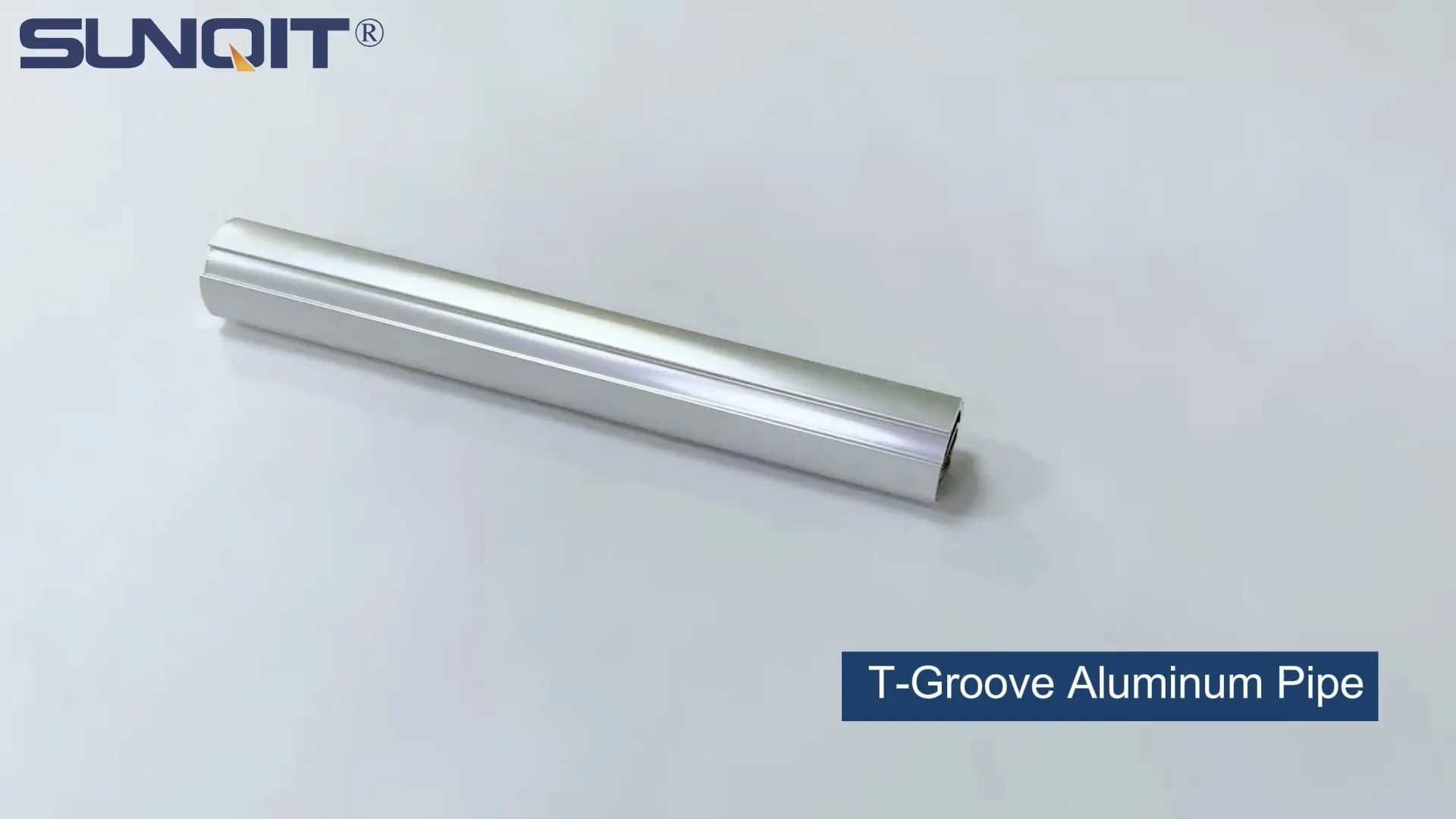
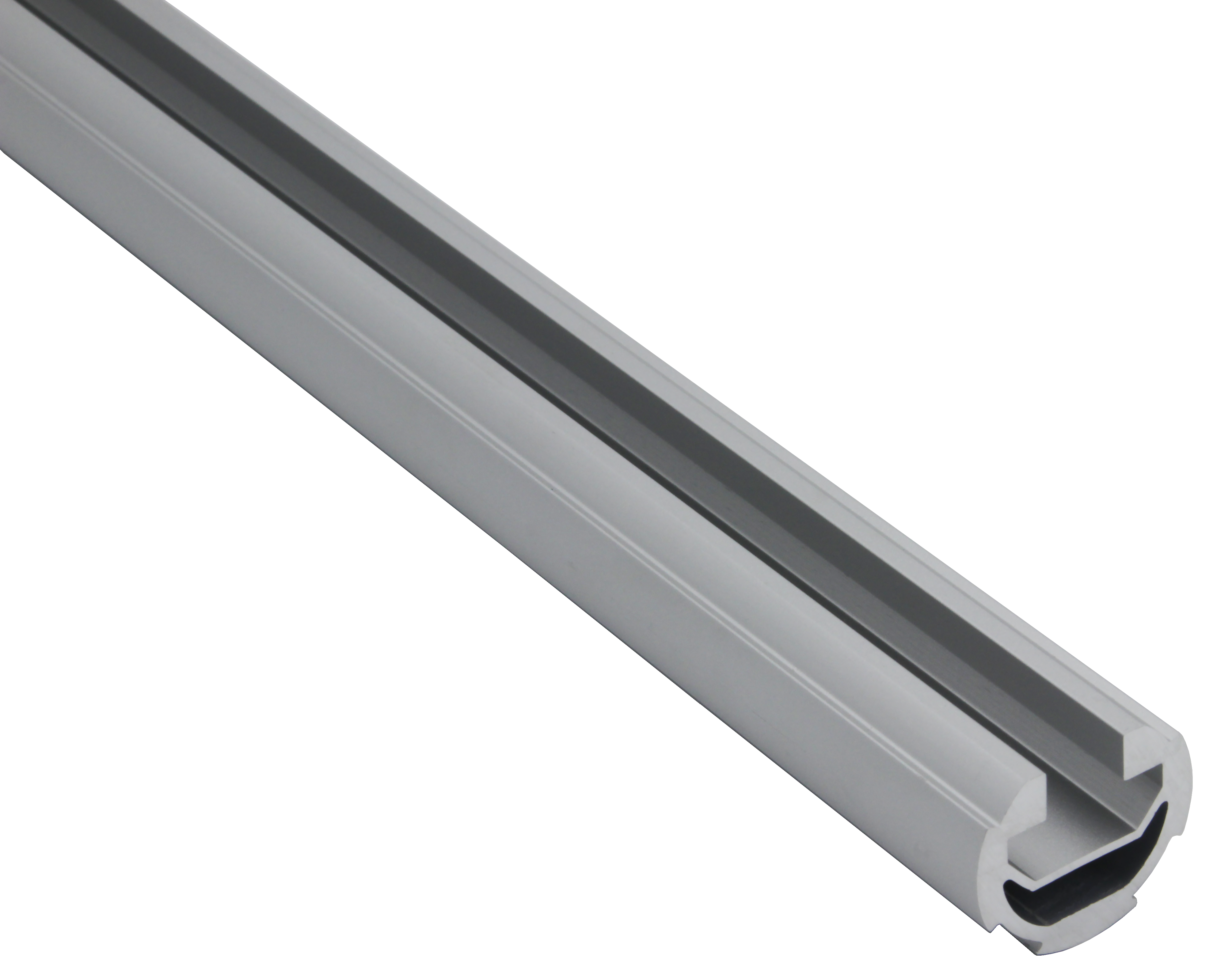
The aluminum pipe opening 10mm is installed into the T-shaped slider, which can be installed with casters or other matching functional parts. The groove can be used for positioning and is used for the track of the roller.
Walk into any busy workshop—whether it's a manufacturing plant, a repair shop, or a small-scale production facility—and you'll likely be greeted by the same scene: tools scattered across workbenches, materials stacked haphazardly, workers pausing mid-task to search for the right part, and a general sense of controlled (or not-so-controlled) chaos. For years, workshop managers have accepted this as the cost of doing business. "It's just how things are," they say, shrugging off the wasted minutes, the misplaced inventory, and the occasional errors that stem from disorganization. But what if there was a simpler, more intuitive way to bring order to the madness? Enter color-coded T-groove aluminum pipe—a humble yet revolutionary solution that's quietly transforming how workshops operate, one modular component at a time.
At first glance, a pipe might seem like an unlikely hero. But T-groove aluminum pipe isn't just any pipe. Its unique design—featuring longitudinal slots that allow for easy attachment of accessories—combined with strategic color coding, turns it into a visual language for efficiency. Imagine (oops, scratch that—let's see ) a workshop where every tool has a designated spot, every material bin glides smoothly along a roller track to its next station, and new employees can navigate the space like veterans on day one. That's the promise of color-coded T-groove aluminum pipe. In this article, we'll dive deep into how this versatile system works, why color coding matters, and how it integrates with lean principles to create workshops that aren't just productive, but harmonious .
What Is Color-Coded T-Groove Aluminum Pipe, Anyway?
Let's start with the basics. T-groove aluminum pipe—sometimes called T-slot aluminum pipe—is a lightweight, durable building material made from extruded aluminum. Its defining feature is the T-shaped groove running along its length, which acts as a universal connection point for a wide range of aluminum profile accessories: brackets, joints, shelves, tool holders, and more. Unlike traditional steel pipes or wooden dowels, which require welding, drilling, or complex fasteners, T-groove pipe lets you assemble and reconfigure structures with nothing more than a hex key or a simple clamp. It's modularity at its finest—think of it as the "Lego for adults" of workshop organization.
But what sets color-coded T-groove aluminum pipe apart is the intentional use of colored coatings or anodization. These colors aren't just for aesthetics (though they do make workshops look sharper). They serve as a visual shorthand, communicating critical information at a glance: What's this pipe used for? Which tools belong here? Where does this material need to go next? For example, a red pipe might signal "tools only," while a blue pipe could mark "raw materials," and a green pipe might indicate "finished goods." This simple system turns abstract processes into something tangible—something even a new hire can understand without flipping through a 50-page manual.
Aluminum, as a base material, is a big part of why this system works. It's strong enough to support heavy loads (think workbenches stacked with machinery) but light enough to be moved and reconfigured by a single person. It's resistant to rust and corrosion, making it ideal for workshops where spills or humidity are common. And because it's extruded, it can be produced in consistent lengths and profiles, ensuring that every pipe and accessory fits together perfectly—no guesswork, no mismatched parts.
The Science of Color Coding: Why It's Not Just "Pretty Pipes"
Color coding isn't a new idea. Hospitals use it to label medications, airports use it to direct passengers, and even your closet might use it to separate summer and winter clothes. But in a workshop setting, its impact is transformative. Research in industrial psychology shows that the human brain processes visual information 60,000 times faster than text. That means a worker scanning a shelf for a red-handled tool will find it in seconds, whereas reading a label or memorizing a location could take minutes. Multiply that by hundreds of tasks per day, and the time savings add up—fast.
But color coding in workshops goes beyond speed. It reduces errors. In a study by the Manufacturing Extension Partnership, companies that implemented color-coded systems reported a 35% decrease in material handling mistakes. Why? Because colors create an immediate feedback loop. If a worker reaches for a part on a yellow pipe but the process requires a blue pipe, the color mismatch triggers an instant "stop" signal in their brain. It's a built-in quality control check that doesn't rely on memory or attention to detail alone.
To make color coding effective, consistency is key. That's why many workshops adopt standardized color schemes, often aligned with lean principles or 5S methodology (Sort, Set in Order, Shine, Standardize, Sustain). Below is a table showing a common color code framework used in manufacturing and assembly workshops, paired with typical uses and aluminum profile accessories that might accompany each color:
| Color | Meaning | Typical Use | Common Accessories |
|---|---|---|---|
| Red | Tools & Equipment | Tool racks, workbench tool holders | Tool hooks, clamp-on tool organizers, magnetic strips |
| Blue | Raw Materials | Material racks, incoming inventory shelves | Bin dividers, label holders, roller track for material flow |
| Green | Finished Goods | Packaging stations, shipping racks | Conveyor belt attachments, stacking brackets, caster wheels for mobility |
| Yellow | Work-in-Progress (WIP) | Assembly line workbenches, roller track between stations | Adjustable shelves, part bins, swivel roller balls for easy part movement |
| Orange | Quality Control | Inspection workbenches, reject bins | Lighting attachments, magnifying glass mounts, document holders |
Of course, every workshop is unique, so these colors can be adjusted to fit specific needs. The goal is to create a system that's intuitive for your team. If your workshop primarily handles electronics, for example, you might add an ESD (Electrostatic Discharge) color—like gray—to indicate ESD-safe zones, where esd workbench and esd workstation setups are located. The key is to involve your team in designing the color code; after all, they're the ones who'll use it every day.
T-Groove Aluminum Pipe and Lean Systems: A Match Made in Workshop Heaven
Lean manufacturing isn't just a buzzword—it's a philosophy centered on eliminating waste (muda) and creating value for customers. At its core, lean is about making processes as efficient and flexible as possible. And color-coded T-groove aluminum pipe? It's practically a lean system in physical form. Let's break down how these two concepts work together.
First, modularity. Lean systems thrive on adaptability. A product line might change, a new machine might be added, or customer demand might shift—and the workshop needs to keep up without massive overhauls. T-groove aluminum pipe excels here. Unlike fixed steel structures or custom-built wooden shelves, which are expensive and time-consuming to modify, T-groove setups can be disassembled and reconfigured in hours. Need to shorten a workbench? Unclamp a few joints, remove a section of pipe, and you're done. Want to add a new roller track to route materials to a different station? Attach brackets to the existing T-slots, snap in the roller track, and you're operational. This flexibility eliminates the "waste of waiting" and "waste of overprocessing" that plague rigid workshop setups.
Second, visual management. Lean relies on making problems visible so they can be solved. Color-coded pipes turn abstract workflow issues into concrete, visual cues. For example, if the yellow (WIP) roller track is always backed up, that's a clear sign that the assembly station downstream is a bottleneck. Without color coding, that bottleneck might be hidden in a jumble of gray pipes and unmarked shelves. With color, it's impossible to ignore—and easy to address.
Third, standardized work. Lean emphasizes creating consistent processes that anyone can follow. Color-coded T-groove systems standardize how tools, materials, and workstations are organized. A workbench in the electronics department will have the same red tool zone and yellow WIP area as a workbench in the automotive department. This standardization reduces training time for new employees and ensures that tasks are performed the same way, every time—minimizing errors and rework.
Consider a real-world example: a small electronics manufacturer that switched to color-coded T-groove aluminum pipe for their assembly line. Previously, their workbenches were a mix of wooden shelves, metal racks, and plastic bins, all unlabeled. Workers spent 15-20 minutes per shift searching for parts. After implementing a color system—red for soldering tools, blue for circuit boards, yellow for WIP, and green for finished units—they saw a 40% reduction in search time. The roller track, which was previously a single gray line, was split into yellow (feeding assemblies to testing) and green (moving tested units to packaging), cutting down on cross-contamination of defective and non-defective parts. Within six months, their on-time delivery rate increased by 25%, and employee satisfaction scores rose—because no one likes hunting for tools.

Building with T-Groove Aluminum Pipe: From Workbenches to Roller Tracks
Enough theory—let's get practical. What can you actually build with color-coded T-groove aluminum pipe? The answer: almost anything. But two of the most common (and impactful) applications are workbenches and roller tracks. Let's take a closer look at each.
Workbenches: The Heart of the Workshop
A workbench is where the magic happens—where parts are assembled, tools are used, and problems are solved. A poorly designed workbench can slow down even the most skilled worker; a well-designed one can make them feel like a superhero. T-groove aluminum pipe workbenches are customizable to fit any task, from delicate electronics assembly to heavy machinery repair.
Here's how to build one (in simplified terms): Start with a frame made from T-groove pipes—typically 40mm or 20mm diameter, depending on the load. Use 90-degree aluminum joints to connect the vertical and horizontal pipes, creating a sturdy base. Add a work surface (plywood, metal, or even an aluminum honeycomb panel for lightweight strength). Then, use the T-slots to attach accessories: a red tool rail along the back for hanging pliers and screwdrivers, a yellow bin rack on the side for WIP parts, and a blue shelf below for raw materials. Casters can be added to the bottom for mobility, or leveling feet for stability on uneven floors.
The beauty is in the details. Need to adjust the height of the workbench to accommodate a taller worker? Swap out the vertical pipes for longer ones. Want to add a lamp? Clamp a light fixture to the T-slot. Need to move the workbench to a new location? Remove the casters, disassemble the frame into sections, and reassemble—no heavy lifting required. And because it's color-coded, every tool and part has a home, so the bench stays organized even during the busiest shifts.
Roller Tracks: Keeping Materials Moving
Material flow is the lifeblood of any workshop. When materials get stuck—sitting on a shelf, waiting to be carried across the floor—productivity grinds to a halt. Roller tracks, built with T-groove aluminum pipe, solve this by creating gravity-fed or manually pushed pathways for bins, boxes, and parts.
Building a roller track is straightforward. Mount T-groove pipes parallel to each other on a slight incline (or level, for manual pushing). Attach roller track brackets to the T-slots, then snap in roller wheels—either plastic (for lightweight items) or steel (for heavy loads). Add side guides (using aluminum profile accessories like edge protectors) to keep bins from falling off. Color-code the track based on what's moving along it: blue for incoming raw materials, yellow for WIP, green for finished goods.
For example, a furniture manufacturer might use a blue roller track to feed wood panels from the warehouse to the cutting station, a yellow track to move cut panels to the assembly workbench, and a green track to send assembled pieces to the painting booth. Each track is clearly marked with color, so workers know exactly where to place each item—and where to find it when they need it.
Pro tip: Add swivel roller balls (1 inch or 0.5 inch, depending on the bin size) at transfer points, where materials move from one track to another. These small, omnidirectional balls let workers pivot bins with minimal effort, reducing strain and speeding up the process.

Aluminum Profile Accessories: The "Secret Sauce" of Customization
You could have the best T-groove aluminum pipes in the world, but without the right accessories, they're just… pipes. Aluminum profile accessories are what turn a basic frame into a fully functional workshop system. Let's explore some of the most useful ones and how they enhance your color-coded setup.
First, joints. These are the connectors that hold your pipes together, and they come in every angle imaginable: 90-degree, 45-degree, 135-degree, even swivel joints for adjustable structures. Look for internal rotary aluminum joints if you need parts of your setup to pivot (like a workbench shelf that can fold down when not in use). For straight connections, external straight aluminum joints create a clean, seamless look.
Next, brackets. These attach to the T-slots and let you add shelves, bins, or tools. L-brackets are great for mounting shelves perpendicular to the frame; angle brackets reinforce corners. There are even specialized brackets for roller track—like roller track placon mounts, which secure the track to the aluminum profile without drilling. These mounts come in different heights and angles, so you can adjust the track's position to fit your workflow.
End caps might seem trivial, but they're essential for safety. T-groove pipes have open ends, which can be sharp or catch on clothing. Placing plastic or aluminum end caps (like 4040 aluminum profile end caps or 2020 aluminum profile end caps) over the ends smooths them out, preventing injuries and giving the setup a polished look.
Tool holders and bin dividers are where color coding really shines. Attach red tool hooks to your red tool rail, and blue bin dividers to your blue material shelf. Some accessories even come in colored variants, so they match the pipe color—like yellow plastic roller track guide rails for yellow WIP tracks, or grey ones for blue material tracks. This visual consistency reinforces the color code and makes the system even more intuitive.
Finally, casters and leveling feet. Casters (with or without brakes) turn static structures into mobile ones—perfect for workbenches that need to move to the job, or material racks that need to be repositioned. Leveling feet, on the other hand, keep structures stable on uneven floors, ensuring that roller tracks roll smoothly and workbenches don't wobble during precision tasks.
Implementing Color-Coded T-Groove Systems: A Step-by-Step Guide
Ready to transform your workshop? Here's how to get started with color-coded T-groove aluminum pipe:
- Assess Your Needs: Walk through your workshop and identify pain points. Where is time being wasted? What tasks cause the most errors? Talk to your team—they'll have insights you might miss. For example, a machinist might complain about tools always "disappearing" from the workbench, while a material handler might mention struggling to find the right bin on the shelf.
- Design Your Color Code: Based on your needs, create a color scheme. Start simple—4-5 colors max. Assign each color to a category (tools, materials, WIP, etc.) and document it in a chart that's visible to everyone. Test the scheme with a small group first to make sure it makes sense.
- Choose Your Pipes and Accessories: select T-groove pipes in your chosen colors. Most suppliers offer pre-colored pipes, but you can also buy plain aluminum pipes and paint them (though pre-colored is more durable). Pick accessories that match the colors—red hooks for red pipes, blue bins for blue pipes. Don't forget joints, brackets, and end caps.
- Start Small: Don't try to overhaul the entire workshop at once. Pick one area—a single workbench or a section of roller track—and implement the system there. This lets you test the design, fix any issues, and build momentum before expanding.
- Train Your Team: Hold a short training session to explain the color code and how the new system works. Show employees how to reconfigure the pipes and use the accessories. Encourage feedback—if something isn't working, adjust it.
- Standardize and Sustain: Once the initial area is successful, roll out the system to other parts of the workshop. Create standard operating procedures (SOPs) for maintaining the color code and reconfiguring structures. Schedule regular check-ins to ensure the system is being used and update it as needed.
Common mistakes to avoid? Overcomplicating the color code (too many colors = confusion), skimping on quality accessories (cheap joints will loosen over time), and forgetting to involve the team (if workers don't buy into the system, they won't use it). Remember, the goal is to make their jobs easier, not harder.
Conclusion: More Than Pipes—A New Way to Work
Color-coded T-groove aluminum pipe isn't just a product; it's a mindset shift. It's about seeing your workshop not as a collection of tools and materials, but as a system—one where every part, every color, and every accessory has a purpose. It's about respecting your team's time by eliminating the frustration of searching for tools or moving heavy materials. It's about building a space that adapts, grows, and improves—just like your business.
Will it solve every problem? No. But it will solve many of the small, daily problems that add up to big inefficiencies. And in today's competitive manufacturing landscape, those small wins are what separate good workshops from great ones.
So, the next time you walk into your workshop and see the chaos, remember: there's a better way. It starts with a pipe—colored, modular, and ready to streamline. All you have to do is build it.