- Company Articles
- Products and Technology
- Product knowledge
- Color Options for 3030 Aluminum Profile End Caps: Matching Your Frame Aesthetics

Color Options for 3030 Aluminum Profile End Caps: Matching Your Frame Aesthetics
Related Product
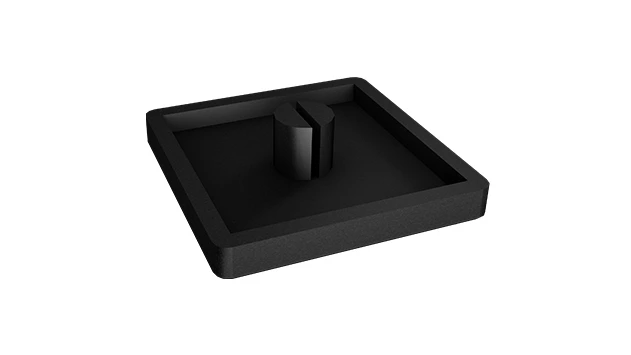
3030 Aluminum Profile End Cap
The aluminum profile end cap adds a finishing touch to your project and closes off profile ends to limit dust and debris buildup, also it can avaid some scratch for material and labor during the assemble work.
Aluminum extrusion profiles have quietly become the backbone of modern workspace design, from industrial factories to sleek office setups. Among these, the 3030 aluminum profile stands out for its versatility—strong enough to support heavy equipment, lightweight enough for easy assembly, and modular enough to adapt to any project. But even the most well-designed frame can feel incomplete without the right finishing touches. That's where aluminum profile accessories come in, and today, we're zooming in on a small but mighty detail: 3030 aluminum profile end caps. Specifically, how their color options can transform the look of your frame, enhance safety, and even reflect your brand's personality. Whether you're building a lean pipe workbench, a material rack, or a custom storage system, the color of these tiny caps matters more than you might think.
Understanding 3030 Aluminum Extrusion Profiles: The Foundation of Your Design
Before diving into end caps, let's start with the star of the show: the 3030 aluminum extrusion profile. Named for its cross-sectional dimensions (30mm by 30mm), this profile is a staple in industries ranging from manufacturing to furniture design. What makes it so popular? For starters, it's part of the broader family of aluminum extrusion profiles—products created by forcing heated aluminum through a die to create consistent, custom shapes. Unlike welded steel or plastic, aluminum extrusion profiles offer a unique blend of strength and flexibility. They're corrosion-resistant, lightweight, and infinitely modular, thanks to the T-slots that run along their length (those grooves you see on the sides), which let you attach accessories like brackets, shelves, and yes, end caps, without drilling or welding.
3030 profiles are often chosen for mid-weight applications. They're sturdier than smaller 2020 profiles (which are great for lightweight frames) but more compact than 4040 or 4080 profiles (used for heavy machinery or industrial workbenches). Think of them as the "goldilocks" of aluminum extrusion profiles—just right for projects like workbenches, small machine guards, display racks, and even DIY furniture. Their versatility means they're used in settings as varied as automotive factories, tech startup offices, and home workshops. And while the profile itself is the foundation, it's the aluminum profile accessories that turn a simple frame into a functional, polished system.
Aluminum Profile Accessories: The Unsung Heroes of Modular Design
If aluminum extrusion profiles are the bones of your structure, aluminum profile accessories are the joints, muscles, and skin that bring it to life. Without them, a 3030 profile is just a hollow aluminum tube—useful, but far from its full potential. The accessory lineup is extensive: there are connectors to join profiles at angles, brackets to mount shelves, hinges for foldable components, and leveling feet to stabilize uneven surfaces. But today, we're focusing on one accessory that's easy to overlook but critical for both safety and style: end caps.
So, what exactly are 3030 aluminum profile end caps? Simply put, they're small caps (usually made of plastic or, less commonly, metal) designed to fit snugly over the open ends of 3030 profiles. At first glance, they might seem like an afterthought—why bother covering the ends when the profile works just fine without them? But their purpose goes beyond aesthetics. For one, they're a safety feature. The cut ends of aluminum profiles, even when deburred, can still be sharp enough to scratch hands or catch on clothing. End caps smooth those edges, turning a potential hazard into a user-friendly surface. They also act as a barrier, preventing dust, dirt, and small debris from collecting inside the hollow profile—important for maintaining cleanliness in sensitive environments like labs or food processing facilities. And yes, they make your frame look finished. Exposed profile ends can give a project a "unfinished" or haphazard vibe; end caps hide those raw edges, creating a sleek, professional appearance.

Why Color Matters: More Than Just a Pretty Finish
Okay, so end caps are functional. But why does their color matter? Let's be honest: if function were the only concern, we'd all stick to plain silver or white end caps. But design is about more than utility—it's about creating spaces that feel intentional, cohesive, and even inspiring. The color of your 3030 aluminum profile end caps can influence everything from how professional your workspace looks to how safe your team feels. Here's why it's worth paying attention:
- Aesthetics & Cohesion: Imagine walking into a workshop where the frames are 3030 aluminum profiles with mismatched end caps—some silver, some random black, maybe a few missing entirely. It feels chaotic, right? Color-coordinated end caps pull the design together, making even a utilitarian structure feel thought out. Whether you're aiming for an industrial, modern, or playful look, the right color can tie your frame to its surroundings, from the walls to the tools on the shelves.
- Branding Opportunities: For businesses, end caps are a subtle but effective branding tool. If your company colors are navy blue and gold, adding navy end caps to your workbenches or display racks reinforces your brand identity. It's a small detail, but it makes your space feel "on-brand," which can leave a lasting impression on clients, visitors, and even employees.
- Safety & Visibility: In high-traffic or industrial areas, color isn't just about looks—it's about safety. Bright colors like red or yellow can draw attention to potential hazards (e.g., low-hanging frames or moving parts), while high-visibility orange might mark emergency exits or first-aid stations. Even in offices, contrasting colors can help distinguish different zones (e.g., blue end caps for work areas, green for break spaces).
- Psychological Impact: Colors evoke emotions, and that's true even in workspaces. Cool tones like blue and gray tend to create a calm, focused atmosphere—great for labs or offices. Warm tones like orange or yellow can energize a space, making them ideal for creative areas or production lines where motivation matters. White, often associated with cleanliness, is a staple in medical facilities or food prep areas.

Exploring Color Options: From Classic to Custom
Now that we've established why color matters, let's dive into the actual options available for 3030 aluminum profile end caps. Most manufacturers offer a range of standard colors, with custom options for those who need something specific. Below, we'll break down the most common choices, their best uses, and what makes each one unique.
| Color | Material Options | Best For | Aesthetic Vibe | Durability Rating (1-5) |
|---|---|---|---|---|
| Silver/Metallic | Plastic, Metal | Industrial settings, neutral designs | Classic, utilitarian, blends with aluminum | 4 (resistant to fading, matches profile finish) |
| Black | Plastic (ABS, nylon) | Modern offices, tech workspaces, sleek furniture | Sophisticated, bold, hides fingerprints/scratches | 5 (durable plastic, color holds well over time) |
| White | Plastic (PP, PE) | Medical labs, cleanrooms, minimalist designs | Clean, sterile, brightens small spaces | 3 (may show dirt; opt for matte finish to hide smudges) |
| Gray | Plastic | Schools, commercial spaces, multi-purpose areas | Neutral, calming, versatile with other colors | 4 (mid-tone hides minor wear, pairs with most palettes) |
| Blue | Plastic | Tech offices, creative studios, marine environments | Trustworthy, calm, stimulates focus | 4 (deep blues resist fading; lighter shades may need touch-ups) |
| Red/Yellow | Plastic | Safety zones, high-traffic areas, | Attention-grabbing, energetic, urgent | 5 (vibrant pigments are often UV-stabilized for longevity) |
Standard Colors: Tried-and-True Choices for Every Project
Silver/Metallic: The default for a reason. Silver or metallic end caps are designed to match the natural finish of aluminum extrusion profiles, creating a seamless look. They're perfect for industrial settings where a "no-nonsense" aesthetic is preferred, or for projects where you want the focus to stay on the frame itself, not the accessories. Most silver end caps are made of either plastic (mimicking aluminum's sheen) or actual metal (like anodized aluminum), offering extra durability for heavy-use environments.
Black: If sleek and modern is your goal, black end caps are a game-changer. They add contrast to the silver aluminum, creating a bold, contemporary look that works in everything from tech startups to high-end retail displays. Black plastic end caps (often made of ABS or nylon) are durable, scratch-resistant, and great at hiding fingerprints—ideal for spaces where appearance matters daily. Pro tip: Pair black end caps with black connectors and brackets for a monochromatic, "invisible hardware" effect.
White: For clean, bright spaces, white end caps are unbeatable. They're a staple in medical facilities, laboratories, and cleanrooms, where sterility and light reflection are priorities. White also works well in minimalist home projects or offices with white walls, as it keeps the design feeling open and airy. The downside? White shows dirt more easily than darker colors, so opt for a matte finish (which hides smudges) if you're using them in high-traffic areas.
Gray: The ultimate neutral, gray end caps sit between silver and black, offering the best of both worlds. They're versatile enough to pair with almost any color scheme—whether you're adding pops of red for energy or soft blues for calm. Gray is a popular choice for schools, community centers, and multi-purpose workspaces, where the design needs to adapt to different uses over time. It's also great for hiding minor scuffs, making it a practical pick for busy environments.
Bright Hues (Red, Yellow, Blue): When you need to make a statement or enhance safety, bright colors deliver. Red end caps might mark emergency shutoffs or restricted areas, while yellow could highlight walkways or moving parts. In creative spaces, bold blues or greens can inject personality without overwhelming the design. These colors are often UV-stabilized to prevent fading, ensuring they stay vibrant even in well-lit areas.
Custom Colors: Tailoring to Your Brand or Vision
For businesses or DIYers with specific needs, standard colors might not cut it. That's where custom color end caps come in. Many aluminum profile suppliers offer RAL or Pantone color matching, letting you replicate your brand's exact shade. Imagine a coffee shop using green end caps to match their logo, or a sports equipment manufacturer using team colors on their assembly line workbenches. Custom colors aren't just about aesthetics—they're about creating a space that feels uniquely yours. Keep in mind that custom orders often require minimum quantities and longer lead times, so plan accordingly.
Matching Colors to Your Application: Real-World Scenarios
Choosing a color isn't just about personal preference—it should align with how and where your frame will be used. Let's walk through a few scenarios to see how color choice plays out:
Scenario 1: Industrial Manufacturing Plant
Your goal is durability, safety, and easy maintenance. The space is busy, with forklifts, heavy machinery, and daily wear and tear. Silver or gray end caps make sense here—they blend with the aluminum frames, hide scuffs, and won't clash with the industrial environment. For areas near moving parts, add a few red end caps to draw attention to potential hazards. Avoid white (too hard to keep clean) or light blue (may fade under harsh factory lighting).
Scenario 2: Tech Startup Office
You want a modern, innovative vibe that reflects your brand (let's say your logo is black and teal). Black end caps on your 3030 profile workbenches and shelving create a sleek base, while teal end caps on accent pieces (like monitor stands or storage racks) tie in your brand. This combination feels intentional and professional, without being too corporate. Add a few white end caps on overhead shelves to brighten the space.
Scenario 3: Home Workshop
Your workshop doubles as a hobby space, so you want it to feel inviting. You've built a 3030 aluminum profile workbench with a wooden top, and you want the frame to complement the wood. Earthy tones like olive green or brown end caps would warm up the metal, while a pop of orange on the tool rack end caps adds energy. Avoid bright reds or yellows if you find them distracting—this is your space, so prioritize what makes you happy.
Scenario 4: Medical Lab
Sterility and precision are key. White end caps on all frames keep the space feeling clean and clinical, while blue end caps on equipment carts (used for transporting samples) add a subtle color code to prevent mix-ups. Stick to matte finishes to avoid glare, and ensure all end caps are made of easy-to-clean, chemical-resistant plastic (like PP or HDPE).
Tips for Choosing the Right End Cap Color
With so many options, how do you narrow it down? Here are a few practical tips to guide your decision:
- Test Samples First: Lighting can drastically change how a color looks. A blue end cap that appears vibrant in the supplier's catalog might look dull under your workshop's fluorescent lights. Order a few sample end caps and test them in your space at different times of day.
- Consider the Profile's Finish: Is your 3030 profile anodized (natural aluminum), powder-coated (matte black), or painted? Your end cap color should complement, not clash. For example, a powder-coated black profile would look odd with silver end caps—stick to black or matching gray instead.
- Think About Long-Term Wear: Will the frame be indoors or outdoors? Outdoor use requires UV-stabilized colors to prevent fading. High-traffic areas need colors that hide scuffs (black, gray) over those that show every mark (white, light blue).
- Don't Overcomplicate: You don't need every end cap to be a different color. Stick to 1-2 main colors and 1 accent color for cohesion. Too many hues can make the design feel busy.
- Ask for Feedback: If you're designing a shared space (like an office or classroom), get input from the people who'll use it. They might have insights about what colors make them feel focused, calm, or motivated.
Common Mistakes to Avoid
Even with the best intentions, it's easy to slip up when choosing end cap colors. Here are a few pitfalls to watch for:
- Ignoring the "Small Detail" Effect: End caps are small, but they're everywhere. A frame with 20 exposed ends will have 20 end caps—their color will be more noticeable than you think. Don't assume they "won't matter" and skip choosing intentionally.
- Matching to Trends Instead of Needs: Neon green might be trendy now, but will it still feel fresh in 5 years? Stick to timeless colors for major elements, and use trends sparingly (e.g., on removable accent pieces).
- Forgetting About Material: Metal end caps offer durability but limited color options; plastic end caps come in more colors but may not hold up to heavy impacts. Choose the material first, then the color—don't sacrifice function for looks.
- Overlooking Color Psychology: Colors affect mood, whether we realize it or not. Avoid red in relaxation spaces (it increases heart rate) or bright yellow in areas requiring focus (it can feel overwhelming). Do a quick Google search on color psychology basics before deciding.
Final Thoughts: The Power of the Perfect End Cap Color
At the end of the day, 3030 aluminum profile end caps are a reminder that great design is in the details. They're small, affordable, and easy to overlook—but when chosen with care, they can elevate a functional frame into a space that feels intentional, safe, and uniquely yours. Whether you're drawn to the classic utility of silver, the modern boldness of black, or the brand-building power of custom colors, the right end cap color is out there. So next time you're designing with aluminum extrusion profiles, take a moment to think about those little caps. Your workspace (and your team) will thank you.