- Company Articles
- Products and Technology
- Product knowledge
- Combining 3030 Aluminum Profile End Caps with Lean Tube Systems

Combining 3030 Aluminum Profile End Caps with Lean Tube Systems
Related Product
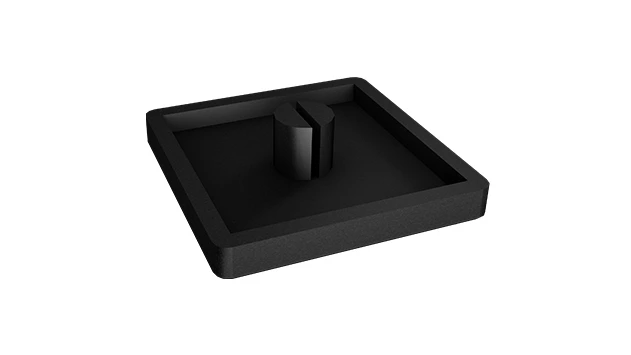
3030 Aluminum Profile End Cap
The aluminum profile end cap adds a finishing touch to your project and closes off profile ends to limit dust and debris buildup, also it can avaid some scratch for material and labor during the assemble work.
In the fast-paced world of manufacturing and production, every detail counts. From the layout of the factory floor to the tools on the workbench, small choices can add up to big differences in efficiency, safety, and morale. One such detail that often flies under the radar? The humble end cap. Specifically, when paired with 3030 aluminum profiles—the backbone of modern lean tube systems—these unassuming accessories play a critical role in turning a basic setup into a polished, high-performing workspace. Let's take a deep dive into how 3030 aluminum profile end caps integrate with lean systems, why they matter, and how they can transform everything from workbenches to flow racks.
Understanding the Foundation: Lean Tube Systems and Aluminum Profiles
Before we get to the end caps, let's ground ourselves in the basics. Lean tube systems—often called "flexible lean systems"—are the unsung heroes of efficient manufacturing. Born from the principles of lean manufacturing (think eliminating waste, streamlining flow, and continuous improvement), these systems are built around modular components that can be easily assembled, disassembled, and reconfigured. Unlike rigid, one-size-fits-all equipment, lean tube systems adapt to changing needs, making them ideal for everything from small workshops to large-scale production lines.
At the heart of many modern lean systems are aluminum profiles. Lightweight yet strong, resistant to corrosion, and infinitely customizable, aluminum profiles (especially T-slot profiles) have largely replaced traditional steel pipes in lean setups. Why? For starters, their T-slot design allows for quick attachment of accessories—shelves, brackets, conveyor tracks—without welding or drilling. This flexibility aligns perfectly with lean's "adapt or die" philosophy. And among the most popular aluminum profiles? The 3030 aluminum profile. Measuring 30mm by 30mm, it strikes a sweet spot between strength and versatility, making it a go-to for workbenches, material racks, and flow racks across industries.
The Unsung Hero: What Are 3030 Aluminum Profile End Caps?
If aluminum profiles are the bones of a lean system, end caps are the finishing touch that protects those bones and makes the whole structure functional. Simply put, a 3030 aluminum profile end cap is a small cover designed to fit snugly over the exposed ends of 3030 aluminum profiles. At first glance, they might seem like a cosmetic add-on, but their value goes far beyond looks. Let's break down what they do:
Safety First: Raw aluminum profile ends can be sharp, especially if cut on-site. A stray bump from a worker or a passing trolley could result in scrapes or cuts. End caps smooth out these edges, turning a potential hazard into a harmless surface. In busy environments where every second counts, reducing even minor injuries means fewer disruptions and a happier team.
Debris Defense: Manufacturing floors are dusty, oily, and full of small particles. Without end caps, these particles can sneak into the hollow interior of aluminum profiles. Over time, dust, metal shavings, or liquid spills can build up inside, making it harder to attach accessories (like brackets or connectors) or even corroding the profile from the inside out. End caps act as a barrier, keeping the inside of the profile clean and functional for years.
Aesthetic and Professionalism: Let's face it—an exposed, raw profile end looks unfinished. In customer-facing areas (like a workshop that hosts client tours) or even just for team morale, a clean, uniform look matters. End caps give lean systems a polished, intentional appearance, signaling that the company cares about details—something that doesn't go unnoticed by employees or visitors.
Preserving Functionality: Many aluminum profile accessories, like sliding brackets or adjustable shelves, rely on smooth, unobstructed T-slots. If debris clogs the end of a profile, it can jam these accessories or make adjustments difficult. End caps prevent this, ensuring that the T-slots (and the system as a whole) work as intended, when intended.

Why 3030 Profiles? The Sweet Spot of Lean System Design
Not all aluminum profiles are created equal, and the 3030 aluminum profile has earned its popularity for good reason. Its 30mm x 30mm cross-section offers enough strength to support heavy loads (like tools on a workbench or boxes on a flow rack) without being overly bulky. This makes it versatile—equally at home in a lightweight assembly workstation or a sturdy material rack. Let's put it in context: A 2020 profile (20mm x 20mm) might be too flimsy for heavy use, while a 4040 profile (40mm x 40mm) could be overkill for a simple workbench. The 3030 profile hits that "just right" middle ground, which is why it's a staple in lean systems worldwide.
But even the best profile is only as good as its components. That's where 3030 aluminum profile end caps come in. Designed specifically for this profile size, these end caps are engineered to fit perfectly—no gaps, no loose fits, no compromises. They're typically made from durable plastics (like ABS or nylon) or, in some cases, aluminum for extra strength. Some are even ESD (electrostatic discharge) safe, making them ideal for electronics manufacturing where static can damage sensitive components.

Integrating 3030 End Caps into Lean Systems: Applications and Benefits
Now, let's get practical. How do 3030 aluminum profile end caps actually work in real-world lean systems? Let's explore a few common applications and the difference end caps make in each.
1. Workbenches: The Heart of the Operation
A workbench is where the magic happens—assembly, testing, packaging. A typical lean workbench built with 3030 aluminum profiles will have vertical supports, horizontal rails, and a tabletop (often made of plywood, aluminum, or a honeycomb panel). Without end caps, the exposed tops of the vertical supports (where they meet the tabletop) could be sharp, posing a risk to workers leaning over the bench. End caps here create a smooth, safe edge. They also prevent dust from collecting in the profile ends, which is crucial for maintaining a clean workspace—especially in industries like pharmaceuticals or food processing where hygiene is non-negotiable.
Consider a scenario: A small electronics manufacturer uses a 3030-based workbench for assembling circuit boards. Without end caps, metal shavings from drilling or cutting components fall into the open profile ends. Over time, these shavings build up, and when the team tries to add a new shelf bracket to the T-slot, it jams. With end caps, the shavings stay out, the bracket slides in smoothly, and the team avoids a 20-minute delay. That might not sound like much, but multiply that by 10 workbenches and 52 weeks a year, and suddenly end caps are saving hundreds of hours.
2. Flow Racks: Keeping Materials Moving
Flow racks—those inclined racks with roller tracks that let materials "flow" to the front—are all about efficiency. They ensure that the next part in line is always within reach, reducing wasted motion (a key lean waste). Many flow racks are built with 3030 aluminum profiles for the frame, with roller tracks (like 40 steel roller track or 38 aluminum roller track) mounted to the T-slots. The vertical and horizontal profiles of the rack's frame are prime candidates for end caps.
Imagine a warehouse using flow racks to store boxes of parts for an automotive assembly line. Without end caps, the open ends of the 3030 profiles could catch on gloves, clothing, or even the boxes themselves as workers restock the racks. A snagged glove might lead to a dropped box, damaged parts, or a worker injury. End caps eliminate these snags, keeping the flow of materials (and workers) smooth. Plus, in a dusty warehouse, end caps prevent debris from clogging the T-slots used to adjust the roller tracks' height or angle—so the rack can be reconfigured quickly when production needs change.
3. Turnover Trolleys and Material Carts
Turnover trolleys—used to transport materials between workstations—are workhorses of lean systems. Built with 3030 profiles for durability and lightweight maneuverability, these trolleys take a lot of abuse: bumps, jostles, and constant movement. Exposed profile ends here are a double risk: they can damage walls or other equipment when the trolley is moved, and they can injure workers if someone bumps into them. End caps act as a buffer, absorbing minor impacts and protecting both the trolley and its surroundings. They also keep dirt out of the profiles, ensuring that the trolley's caster wheels (another key component!) and height-adjustable shelves remain easy to adjust.
Choosing the Right 3030 Aluminum Profile End Cap: A Quick Guide
Not all end caps are the same, and choosing the right one depends on your needs. Here's a breakdown of common types and when to use them:
| End Cap Type | Material | Key Features | Best For |
|---|---|---|---|
| Snap-On End Caps | ABS Plastic | Easy to install (snaps into place), cost-effective | General-purpose workbenches, flow racks, and trolleys in low-impact environments |
| Screw-On End Caps | Nylon or Aluminum | Secure fit (screws into the profile), reusable | High-vibration areas (like near machinery) or heavy-duty applications where end caps might come loose |
| ESD-Safe End Caps | Conductive Plastic | Dissipates static electricity, prevents ESD damage | Electronics manufacturing, cleanrooms, or any environment with sensitive components |
| Colored End Caps | Plastic (various colors) | Color-coding for organization (e.g., red for "high priority," blue for "assembly") | Workstations or racks where visual management is key (a core lean principle) |
| Aluminum End Caps | Aluminum Alloy | Maximum durability, corrosion-resistant | Outdoor use, wet environments (like food processing), or heavy industrial settings |
When selecting end caps, also consider the profile's wall thickness. Most 3030 profiles have standard wall thicknesses (e.g., 1.5mm or 2.0mm), and end caps are designed to match these. A cap that's too loose won't protect the profile; one that's too tight might crack during installation. Always check the manufacturer's specs to ensure a proper fit.
Installation Tips: Getting the Most Out of Your End Caps
Installing 3030 aluminum profile end caps is straightforward, but a few best practices will ensure they perform their best:
Clean the Profile End First: Before installing an end cap, wipe the exposed end of the profile with a dry cloth to remove dust, oil, or debris. This ensures a tight, secure fit and prevents particles from getting trapped under the cap (which could cause it to loosen over time).
Align and Press Firmly (for Snap-On Caps): For snap-on end caps, align the cap with the profile end (making sure any tabs or notches line up with the T-slots) and press firmly until you hear a "click." This click means the cap is locked in place. Avoid using excessive force—if it doesn't snap on easily, check for debris or misalignment.
Don't Over-Tighten Screw-On Caps: For screw-on caps, use a screwdriver to tighten the screw until it's snug, but stop before stripping the threads. Over-tightening can crack the cap or damage the profile's internal threads.
Inspect Regularly: End caps can wear out over time, especially in high-traffic areas. During routine maintenance checks, take a moment to ensure end caps are still snug and intact. replace any that are cracked, loose, or missing—remember, a small investment in a new end cap prevents bigger problems down the line.
The Big Picture: End Caps as Part of a Lean Mindset
At first glance, 3030 aluminum profile end caps might seem like a tiny detail in the grand scheme of lean manufacturing. But lean is all about the details. It's about recognizing that even small improvements—like adding end caps—contribute to a safer, more efficient, and more adaptable system. When workers don't have to worry about sharp edges, when equipment stays clean and functional, and when systems can be reconfigured without hassle, everyone wins.
Think of it this way: A lean system is like a well-oiled machine. You can't ignore the small parts and expect the whole thing to run smoothly. End caps are the "oil" for your aluminum profiles—they reduce friction (literal and figurative), protect against wear, and keep everything moving as it should. And when paired with 3030 profiles—a versatile, reliable foundation—they become part of a system that doesn't just support lean principles; it embodies them.
Final Thoughts: Small Parts, Big Impact
So, what's the takeaway? 3030 aluminum profile end caps are more than just covers—they're a testament to the power of intentional design in lean systems. They protect workers, preserve equipment, and enhance functionality, all while aligning with the core principles of lean manufacturing. Whether you're building a new workbench, upgrading a flow rack, or reconfiguring a turnover trolley, don't overlook these small but mighty components.
In the end, lean manufacturing isn't about perfection—it's about progress. And progress often starts with the details. So the next time you walk through your facility, take a look at those aluminum profiles. Are their ends exposed, or are they capped? The answer might just tell you a lot about how seriously your team takes efficiency, safety, and the pursuit of better. And if they're not capped? Now you know where to start.