- Company Articles
- Products and Technology
- Application Cases
- Common Applications of Aluminum Guide Rail B in Consumer Electronics Industry

Common Applications of Aluminum Guide Rail B in Consumer Electronics Industry
Related Product
Aluminum Guide Rail B
The aluminum guide rails hold the transport goods securely on the roller track. For installation, the guide rails are simply pushed over the roller tracks.To protect sensitive products.
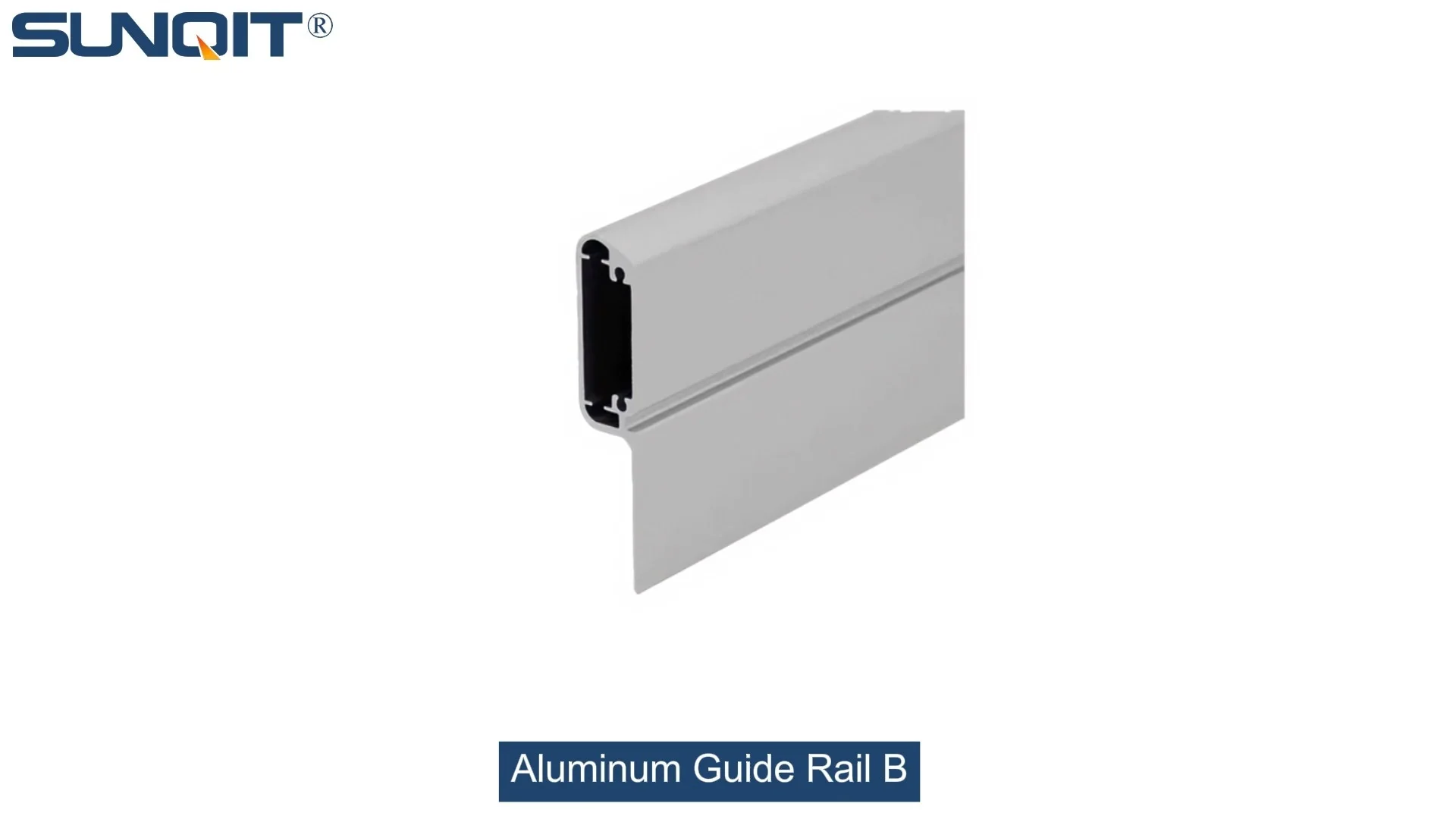
In the fast-paced world of consumer electronics, where new models of smartphones, laptops, and wearables hit the market every few months, manufacturers face a constant challenge: how to keep production lines flexible, efficient, and adaptable to rapid changes. Behind the scenes of every sleek device lies a network of tools and components working together to ensure precision, speed, and reliability. Among these, Aluminum Guide Rail B stands out as a quiet yet powerful contributor, shaping the way products are assembled, materials are handled, and workflows are optimized. Let's take a closer look at how this unassuming component has become a cornerstone of modern consumer electronics manufacturing.
What Makes Aluminum Guide Rail B Indispensable?
Before diving into its applications, it's worth understanding why Aluminum Guide Rail B has become a go-to choice for consumer electronics plants. Unlike traditional steel rails or plastic alternatives, this aluminum extrusion profile brings a unique set of advantages tailored to the industry's needs:
- Lightweight yet durable : Aluminum's natural lightness makes installation and reconfiguration a breeze for workers, while its inherent strength ensures it can withstand the daily wear and tear of busy production lines—no more bent or warped rails slowing down operations.
- Corrosion resistance : Consumer electronics manufacturing demands clean, controlled environments. Aluminum Guide Rail B resists rust and chemical damage, maintaining its integrity even in facilities with strict hygiene standards or frequent cleaning protocols.
- Precision engineering : With tight tolerances and smooth surfaces, these rails ensure consistent, jolt-free movement of materials and components—critical when handling delicate parts like circuit boards or display screens that can't afford even minor scratches or misalignment.
- Seamless compatibility : Designed to work with a range of aluminum profile accessories, Aluminum Guide Rail B integrates effortlessly with existing systems, from lean pipe workbenches to flow racks and conveyors. This flexibility means manufacturers don't have to overhaul entire lines to upgrade—they can adapt incrementally, saving time and money.
Where Aluminum Guide Rail B Shines: Key Applications in Consumer Electronics
Now, let's explore how this versatile component transforms everyday operations in consumer electronics plants, from the assembly line to material storage and beyond.
1. Lean Pipe Workbenches: The Heart of Assembly Lines
Walk into any consumer electronics assembly facility, and you'll find rows of workbenches where technicians meticulously install components, test circuits, and assemble final products. Many of these workbenches are built using lean pipe systems, and Aluminum Guide Rail B plays a star role here—often as the "backbone" that organizes tools, secures equipment, and guides materials.
Consider a smartphone assembly station: Technicians need quick access to screws, connectors, and small parts while keeping their workspace clutter-free. Aluminum Guide Rail B is often mounted along the edges of the lean pipe workbench, serving as a track for sliding tool holders or part bins. This setup lets workers glide tools into place with one hand, reducing the time spent reaching, bending, or searching for items. Over a full shift, those seconds add up to significant gains in productivity.
What's more, in ESD-sensitive areas—where static electricity can fry delicate microchips—Aluminum Guide Rail B can be paired with anti-static accessories to create a grounded pathway, protecting components from damage. This combination of functionality and safety is why lean pipe workbenches with Aluminum Guide Rail B have become a staple in 3C assembly lines worldwide.
2. Flow Racks: Streamlining Material Handling
In consumer electronics manufacturing, time is money—and nowhere is this truer than in material handling. When production lines need a steady supply of components (think batteries for laptops or camera modules for smartphones), delays in retrieving parts can bring the entire process to a halt. This is where flow racks, equipped with Aluminum Guide Rail B, step in to keep things moving.
Flow racks are designed to use gravity to feed materials from the back of the rack to the front, ensuring that the oldest stock is used first (a practice known as FIFO, or "first in, first out"). Aluminum Guide Rail B forms the (slides) of these racks, providing a smooth, low-friction surface for plastic bins or trays to glide on. Unlike plastic rails that can warp under heavy loads or metal rails that rust and jam, Aluminum Guide Rail B maintains its shape and slickness, even when loaded with heavy component boxes.
Take a typical SMT (Surface Mount Technology) line, where tiny resistors, capacitors, and IC chips are placed onto circuit boards. These components are stored in small, standardized reels or trays. When loaded onto a flow rack with Aluminum Guide Rail B, these trays slide forward as the front ones are emptied, so operators never have to reach deep into the rack or strain their backs. The result? Faster pick times, fewer errors, and a more ergonomic workspace that keeps technicians comfortable throughout their shifts.
3. Conveyor Systems: Precision Transport for Delicate Components
From circuit board fabrication to final product testing, consumer electronics parts spend a lot of time on the move. Conveyor systems are the arteries of these facilities, carrying everything from raw PCBs to nearly finished devices between workstations. Here, Aluminum Guide Rail B acts as a guide and guard, ensuring that components stay on track—literally.
Imagine a conveyor belt transporting smartphone screens, each worth hundreds of dollars. A single misalignment could scratch the display or knock the screen off the belt, leading to costly waste. Aluminum Guide Rail B is often mounted along the sides of these conveyors, creating a gentle barrier that keeps parts centered. Its smooth, rounded edges prevent snags or scratches, even on delicate glass surfaces. In high-speed lines, where components zip along at meters per second, the rail's precision ensures consistent spacing between parts, making it easier for robotic arms to pick and place items accurately.
But Aluminum Guide Rail B isn't just about preventing accidents—it also optimizes the flow of the conveyor itself. When paired with roller track systems, the rail reduces friction between moving parts, extending the life of the conveyor and cutting down on maintenance. For manufacturers, this means fewer breakdowns, lower repair costs, and a more reliable production schedule—all critical in an industry where meeting tight launch deadlines is non-negotiable.
4. Custom Lean Solutions: Adapting to Rapid Product Cycles
One of the biggest headaches for consumer electronics manufacturers is the speed at which products evolve. A smartphone model might be in production for just 12–18 months before a new version with updated features hits the market. To stay competitive, factories need to reconfigure their lines quickly and cost-effectively—a challenge that traditional fixed equipment often can't meet. This is where custom lean solutions, built around Aluminum Guide Rail B, shine.
Lean manufacturing is all about eliminating waste and maximizing flexibility, and Aluminum Guide Rail B embodies these principles. Its modular design allows manufacturers to build temporary workstations, adjustable shelving, or mobile carts in hours, not days. For example, when a new smartwatch model requires a slightly different assembly process, technicians can disassemble the old workstation, re-cut the Aluminum Guide Rail B to size, and reassemble a new setup using basic tools. No need for welding or specialized equipment—just simple bolts and brackets.
A case in point: A major electronics brand recently needed to add a new step to its tablet assembly line—applying a protective film to screens before packaging. Instead of waiting weeks for a custom machine, the team used Aluminum Guide Rail B, lean pipe, and a few clamps to build a temporary workstation. The rail served as a guide for the film applicator, ensuring straight, bubble-free application. When the production run ended, the workstation was disassembled, and the rail was reused to build a testing station for the next product. This kind of adaptability is why lean solution providers increasingly recommend Aluminum Guide Rail B as a core component of their designs.

The Impact: Numbers That Matter
It's one thing to talk about the benefits of Aluminum Guide Rail B, but hard data shows just how much of a difference it can make. Here's a snapshot of results reported by consumer electronics manufacturers who've integrated the rail into their operations:
| Metric | Improvement After Aluminum Guide Rail B Integration |
|---|---|
| Material retrieval time | Reduced by 15–20% in flow rack systems |
| Workstation reconfiguration time | Cut from days to hours in lean pipe workbench setups |
| Component damage rate | Decreased by up to 25% on conveyor lines |
| Maintenance costs for transport systems | Lowered by 30% due to reduced wear and tear |
Real-World Example: A Smartwatch Manufacturer's Success Story
A leading global brand specializing in wearable tech recently faced a problem: Its smartwatch production line was struggling to keep up with demand for a new model featuring a slimmer design and more complex internal components. The existing workstations were rigid, making it hard to adjust tool positions, and the flow racks for small parts were prone to jamming, causing frequent delays.
The solution? The manufacturer partnered with a lean solution provider to overhaul key parts of the line using Aluminum Guide Rail B. They replaced the plastic rails in their flow racks with Aluminum Guide Rail B, reducing jams by 90%. They also retrofitted their lean pipe workbenches with the rail, adding sliding tool holders and adjustable part bins that let technicians customize their workspaces. Within a month, assembly time per watch dropped by 12%, and the line was able to handle 15% more units per shift—all without adding extra workers or equipment.

Looking Ahead: Aluminum Guide Rail B in the Future of Consumer Electronics
As consumer electronics continue to shrink in size and grow in complexity—think foldable phones, AR glasses, and IoT devices—manufacturers will need even more precise, flexible, and reliable tools. Aluminum Guide Rail B is poised to meet these challenges head-on. Its compatibility with automation (think robotic arms that glide along its tracks) and its ability to integrate with smart sensors (to monitor flow rates or detect jams) make it a future-ready component.
Moreover, as sustainability becomes a bigger priority in manufacturing, Aluminum Guide Rail B's recyclability and reusability align with the industry's push to reduce waste. Unlike plastic rails that end up in landfills after a few years, aluminum rails can be melted down and repurposed, supporting the "circular economy" goals many brands now champion.

Conclusion: The Unsung Hero of Consumer Electronics Production
In the grand scheme of consumer electronics manufacturing, Aluminum Guide Rail B may not grab headlines like the latest chipset or display technology. But for the technicians on the factory floor, the engineers designing production lines, and the brands racing to meet market demands, it's an indispensable tool. From keeping lean pipe workbenches organized to ensuring flow racks and conveyors run smoothly, this unassuming aluminum profile plays a vital role in turning raw components into the devices we rely on every day.
As the industry continues to evolve, one thing is clear: Aluminum Guide Rail B won't just keep up—it will keep innovating, adapting, and supporting the next generation of consumer electronics. After all, in a world where precision and flexibility are everything, sometimes the smallest components make the biggest difference.