- Company Articles
- Products and Technology
- Installation And Maintenance
- Common Failures of 60 Steel Roller Track Small Wheels & Troubleshooting Tips

Common Failures of 60 Steel Roller Track Small Wheels & Troubleshooting Tips
Related Product
60 Steel Roller Track Small Wheel
Modular system roller tracks aluminum gravity roller tracks are an excellent solution for transporting materials within industrial environments, warehouses and distribution centres.
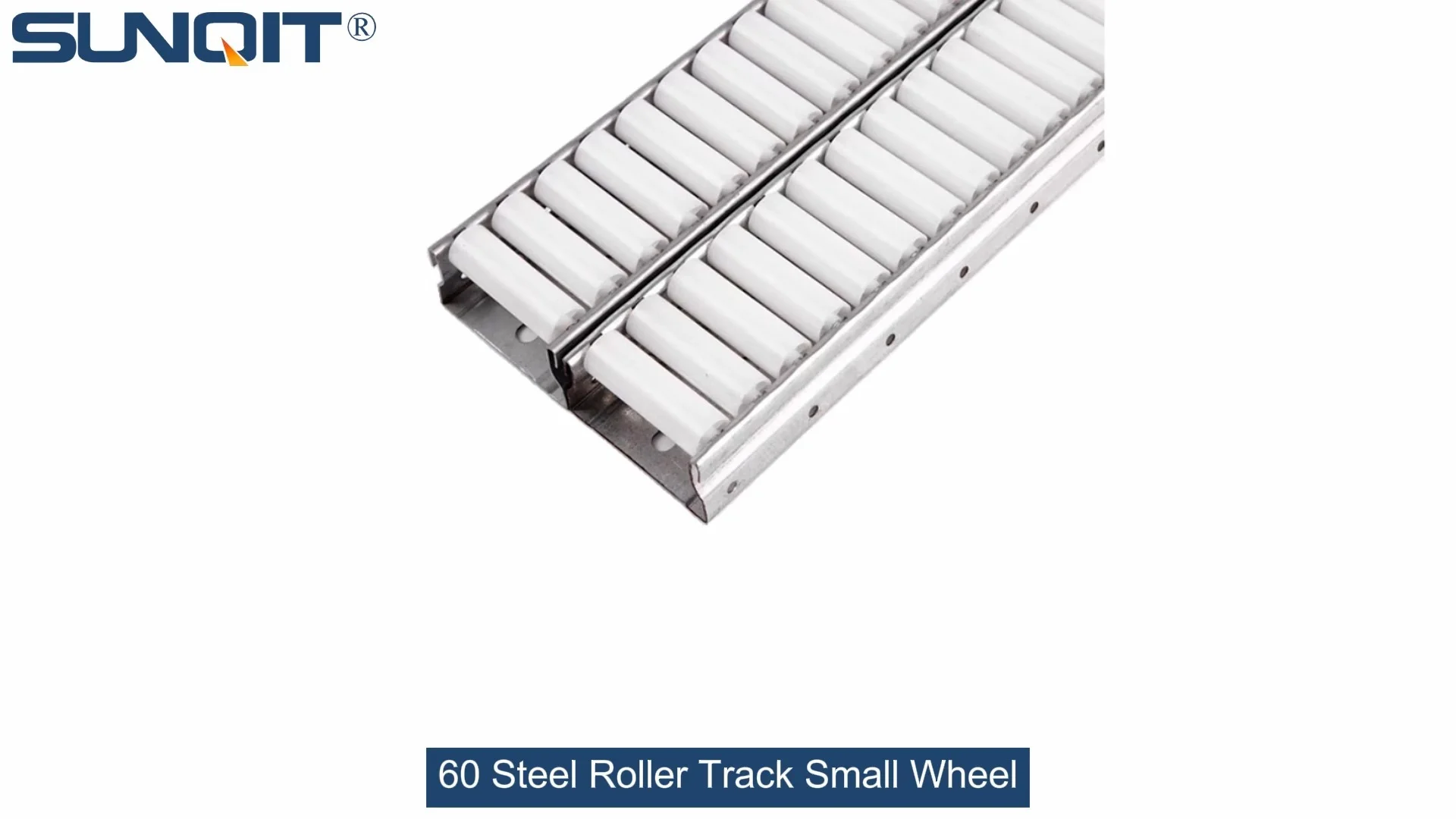
Roller tracks are the unsung heroes of modern manufacturing and logistics operations. They form the backbone of flow racks, conveyors, and lean pipe workbenches, enabling smooth movement of materials and products across assembly lines, warehouses, and distribution centers. Among the various types of roller tracks available, the 60 steel roller track small wheels stand out for their robust construction, high load-bearing capacity, and versatility. These wheels are widely used in industries such as 3C assembly, medical equipment manufacturing, automotive production, and, where efficiency and reliability are paramount. However, like any mechanical component, these small wheels can encounter issues that disrupt workflow, leading to downtime, increased costs, and reduced productivity. In this comprehensive article, we'll explore the most common failures of 60 steel roller track small wheels and provide practical, step-by-step troubleshooting tips to keep your operations running seamlessly. Whether you're a maintenance technician, production manager, or logistics supervisor, this guide will help you identify problems early and resolve them effectively.
Common Failures of 60 Steel Roller Track Small Wheels
| Common Failure | Key Causes | Quick Fixes |
|---|---|---|
| Wheel Jamming/Sticking | Dirt accumulation, dry bearings, misaligned connectors | Clean, lubricate, tighten connectors |
| Uneven Rolling/Wobbling | Worn bearings, overloading, bent tracks | replace bearings, redistribute load, straighten tracks |
| Excessive Noise | Dry bearings, misaligned tracks, loose connectors | Lubricate, align tracks, tighten connectors |
| Premature Wear | Overloading, harsh environments, lack of maintenance | Reduce load, protect from elements, schedule maintenance |
| Loose/Broken Connectors | Over-tightening, vibration, low-quality parts | Tighten to torque, replace connectors |
1. Wheel Jamming or Sticking
One of the most frequent issues with 60 steel roller track small wheels is jamming or sticking, which halts the smooth flow of items. This can lead to delays in production lines or warehouse operations, affecting overall efficiency and causing bottlenecks in critical processes.
Possible Causes:
- Accumulation of dirt, dust, or debris in the wheel bearings or track grooves, which restricts rotation.
- Lack of proper lubrication in the wheel axles, leading to increased friction between metal components.
- Damage to the wheel surface (e.g., dents, scratches, or deformation) that catches on the track during movement.
- Misalignment of the roller track sections due to loose roller track connectors, causing uneven contact between wheels and tracks.
Troubleshooting Steps:
- First, stop the operation immediately and disconnect any power source if the track is part of an automated conveyor system to ensure safety.
- Use a soft-bristled brush or compressed air to gently remove dirt and debris from the wheels and track grooves. Avoid using harsh chemicals or abrasive tools that might scratch or corrode the steel surfaces.
- Apply a small amount of industrial-grade lubricant (such as silicone-based oil or lithium grease) to the wheel axles. Ensure not to over-lubricate, as excess oil can attract more dust and debris over time.
- Inspect all roller track connectors for signs of looseness. Use the appropriate tools (like a torque wrench) to tighten bolts to the manufacturer's recommended torque specifications, ensuring all track sections are perfectly aligned and level.
- If the wheel surface is damaged or deformed, replace the affected wheel with a new one of the same to prevent further jamming and ensure smooth operation.
2. Uneven Rolling or Wobbling
When 60 steel roller track small wheels roll unevenly or wobble, it can cause items on the track to shift, tilt, or fall off, leading to product damage, safety hazards, and increased waste. This issue is particularly problematic in industries like 3C assembly where delicate components are handled.
Possible Causes:
- Worn-out wheel bearings that no longer support smooth, stable rotation of the wheels.
- Uneven load distribution on the track (e.g., placing heavy items on one side or at the edge of the track).
- Bent or deformed roller track sections due to impact or overloading, which create uneven surfaces for the wheels to roll on.
- Loose or damaged caster wheels if the track is mounted on a mobile unit (like a turnover trolley), leading to instability in the entire system.
Troubleshooting Steps:
- Inspect each wheel's bearing by rotating it manually. If the bearing feels loose, makes a grinding noise, or does not rotate smoothly, replace it immediately with a new bearing of the same type.
- Ensure that items placed on the track are evenly distributed across the width and length of the track. Follow the manufacturer's weight capacity guidelines to avoid overloading any single section.
- Check the track sections for any bends or deformities. If minor, use a hydraulic press or straightening tool to correct the shape. For severe damage, replace the affected track section to maintain a flat, even surface.
- If the track is mounted on a mobile unit, examine the caster wheels for signs of wear or looseness. Tighten the caster wheel bolts to the recommended torque or replace the entire caster if it is damaged beyond repair.
3. Excessive Noise During Operation
Loud, unusual noises from 60 steel roller track small wheels can indicate underlying mechanical issues and create a disruptive work environment that affects employee concentration and productivity. Common noises include grinding, squeaking, or rattling sounds.
Possible Causes:
- Dry or worn-out bearings causing friction between metal parts during rotation.
- Misaligned track sections leading to metal-on-metal contact between wheels and track edges.
- Loose roller track connectors that allow the track to vibrate or shift during operation.
- Damaged wheel surfaces scraping against the track, creating a harsh grinding sound.
Troubleshooting Steps:
- Apply a high-quality industrial lubricant to the wheel bearings to reduce friction and eliminate squeaking or grinding noises.
- Check the alignment of all track sections using a level tool. Adjust the roller track connectors to ensure all sections are perfectly aligned and flush with each other.
- Tighten any loose bolts or screws in the roller track connectors to minimize vibration and rattling sounds.
- Inspect the wheel surfaces for scratches, dents, or deformities. replace any damaged wheels to eliminate scraping noises and restore smooth operation.
4. Premature Wear of Wheels
Wheels that wear out faster than expected increase maintenance costs, lead to frequent replacements, and cause unnecessary downtime. Understanding the root causes of premature wear can help extend the lifespan of your 60 steel roller track small wheels.
Possible Causes:
- Overloading the track beyond its specified weight capacity, putting excessive stress on the wheels.
- Continuous exposure to harsh environments (e.g., moisture, chemicals, or extreme temperatures) that corrode the steel or degrade the wheel material.
- Lack of regular cleaning and lubrication, leading to increased friction and wear.
- Using the wrong type of wheels for the application (e.g., not using ESD wheels in static-sensitive areas, which can lead to static discharge and damage to components).
Troubleshooting Steps:
- Refer to the manufacturer's specifications to confirm the maximum load capacity of the track. If the track is consistently overloaded, redistribute the load or upgrade to a heavier-duty track system.
- Protect the track from moisture and corrosive substances by using waterproof covers or relocating it to a drier, more controlled environment. Apply a corrosion-resistant coating to the wheels if they are exposed to harsh chemicals.
- Implement a scheduled maintenance plan that includes weekly cleaning and monthly lubrication of the wheels and bearings. This will reduce friction and prevent the buildup of dirt and debris.
- Ensure that the wheels are suitable for the application. For example, use ESD wheels in 3C assembly lines to prevent static damage and extend wheel life. Consult with your supplier to select the right wheel type for your specific needs.
5. Loose or Broken Roller Track Connectors
Roller track connectors are critical components that hold the track sections together. Loose or broken connectors can lead to track misalignment, wobbling, and even complete track failure, posing significant safety risks.
Possible Causes:
- Over-tightening or under-tightening the connector bolts during installation or maintenance.
- Continuous vibration from heavy loads or frequent use, which loosens the bolts over time.
- Using low-quality or incompatible connectors that cannot withstand the load or environmental conditions of the application.
- Impact damage from heavy items falling on the track or accidental collisions with equipment.
Troubleshooting Steps:
- Inspect all roller track connectors for signs of looseness, cracks, or breakage. Pay special attention to connectors in high-traffic or high-load areas.
- Use a torque wrench to tighten loose bolts to the manufacturer's recommended torque. Avoid over-tightening, as this can strip the threads or break the connector.
- replace any broken or damaged connectors with high-quality, compatible parts from a reputable supplier. Ensure that the new connectors are designed to handle the load and environmental conditions of your application.
- Install vibration-dampening washers under the connector bolts to reduce the impact of vibration and prevent future loosening.
Preventive Maintenance Tips for 60 Steel Roller Track Small Wheels
Proactive maintenance is key to extending the lifespan of 60 steel roller track small wheels and minimizing downtime. Here are some actionable tips to keep your tracks in optimal condition:
- Regular Cleaning: Schedule weekly cleaning sessions to remove dirt, dust, and debris from the wheels and track grooves. Use a soft brush or compressed air to avoid scratching the steel surfaces.
- Lubrication: Apply industrial-grade lubricant to the wheel bearings every month. Choose a lubricant that is resistant to dust and moisture to maintain smooth operation.
- Load Checks: Verify that the track is not overloaded beyond its specified weight capacity. Redistribute loads or upgrade to a heavier-duty track if necessary.
- Connector Inspections: Check roller track connectors monthly for signs of looseness or damage. Tighten bolts to the recommended torque and replace any worn connectors.
- Environmental Protection: Shield the track from moisture and corrosive substances using protective covers. In humid areas, use rust-resistant steel wheels or apply a corrosion inhibitor.
- Employee Training: Train your team on proper usage guidelines, including load limits and correct loading techniques. Encourage employees to report any issues promptly.
Integration with Lean Pipe Systems and Workbenches
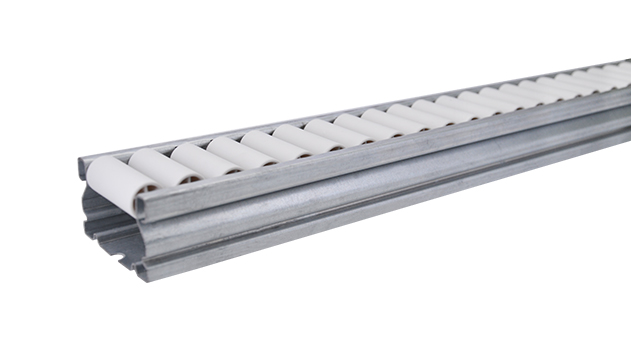
60 steel roller track small wheels are an integral part of lean pipe systems, which are designed to optimize manufacturing processes by reducing waste and improving efficiency. These wheels are often used in flow racks, conveyors, and lean pipe workbenches to create flexible, modular workspaces that can be adapted to changing production needs.
For example, in a 3C assembly line, a lean pipe workbench equipped with roller tracks allows components to move smoothly from one station to the next, reducing manual handling and improving productivity. Similarly, flow racks using these roller tracks help organize materials in a first-in-first-out (FIFO) manner, minimizing waste and ensuring efficient inventory management. In medical equipment manufacturing, roller tracks are used to transport delicate components safely and efficiently, reducing the risk of damage.
Maintaining these roller tracks is crucial for sustaining the lean principles of continuous improvement and waste reduction. A well-maintained track system reduces downtime, lowers maintenance costs, and ensures that the lean system operates at peak efficiency. By addressing common failures promptly and implementing preventive maintenance practices, you can maximize the value of your lean pipe system and achieve long-term operational excellence.

Conclusion
60 steel roller track small wheels are essential components in modern manufacturing and logistics operations. Their robust construction and versatility make them ideal for a wide range of applications, from 3C assembly to medical equipment manufacturing. By understanding the common failures of these wheels and implementing effective troubleshooting and maintenance strategies, you can ensure their smooth operation, extend their lifespan, and keep your production lines running efficiently.
Whether you're dealing with wheel jamming, uneven rolling, excessive noise, premature wear, or loose connectors, the tips provided in this guide will help you identify and resolve issues quickly. Remember that preventive maintenance is the key to minimizing downtime and reducing costs. By investing in regular cleaning, lubrication, and inspections, you can maximize the performance of your roller tracks and achieve the lean goals of reduced waste, improved productivity, and cost savings.
If you need further assistance with selecting the right roller track system or troubleshooting complex issues, consult with a reputable supplier who specializes in lean pipe systems and roller track solutions. Their expertise can help you optimize your operations and ensure long-term success.