- Company Articles
- Products and Technology
- Installation And Maintenance
- Common Installation Mistakes with 3030 Aluminum Profile End Caps & Fixes

Common Installation Mistakes with 3030 Aluminum Profile End Caps & Fixes
Related Product
3030 Aluminum Profile End Cap
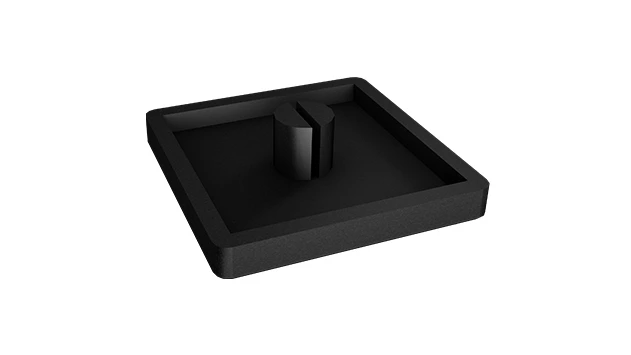
The aluminum profile end cap adds a finishing touch to your project and closes off profile ends to limit dust and debris buildup, also it can avaid some scratch for material and labor during the assemble work.
There's something uniquely satisfying about building with aluminum profiles. Whether you're setting up a sleek workbench in your garage, a sturdy material rack in a warehouse, or a custom shelving unit for your workshop, these versatile pieces feel like the building blocks of productivity. But even the most well-planned projects can hit a snag when the small details get overlooked—like installing 3030 aluminum profile end caps. These tiny caps might seem insignificant, but they're the unsung heroes that protect your profiles, hide sharp edges, and give your project that polished, professional look. Yet time and again, DIYers and even seasoned builders rush through this step, only to deal with loose caps, damaged profiles, or safety hazards later. Let's dive into the most common mistakes people make when installing 3030 aluminum profile end caps, why they happen, and how to fix them—so your next project stays safe, durable, and looking its best.
Why 3030 Aluminum Profile End Caps Matter
Before we jump into the mistakes, let's take a second to appreciate why these little caps deserve attention. 3030 aluminum profiles—named for their 30mm x 30mm cross-section—are workhorses in industrial and DIY settings. Their T-slot design makes them easy to customize with accessories, but the exposed ends? They're often raw, with sharp edges that can snag clothing, scratch hands, or even damage delicate materials sliding past. End caps seal off these ends, turning a functional frame into a finished product. They also keep dust, debris, and moisture from getting inside the profile, which can corrode internal surfaces over time. And let's not forget aesthetics: a project with mismatched, loose, or missing end caps looks unfinished, like you ran out of steam before the final step. So, treating end caps as an afterthought isn't just a small oversight—it's a risk to safety, durability, and pride in your work.
Mistake #1: Choosing the Wrong Size or Type of End Cap
"I thought all end caps were the same!" That's what Mike, a hobbyist woodworker, told me after he finished building a mobile workbench using 3030 aluminum profiles. Eager to wrap up the project, he grabbed a pack of end caps from his local hardware store labeled "for aluminum profiles" and popped them on. A week later, he noticed half of them had fallen off, and the ones that stayed were wobbly. Worse, the sharp edges of the profiles were still poking through in spots. When he checked the package, he realized the caps were actually designed for 2020 profiles—smaller, skinnier, and completely incompatible with his 3030 frames.
Why it happens: Aluminum profiles come in a range of sizes—2020, 3030, 4040, and beyond—and end caps are not one-size-fits-all. Many people assume "universal" means "works with everything," or they skip reading the product specs, grabbing whatever's cheapest or most convenient. Some even mix up "3030" with "3060" (a wider profile) or assume push-fit caps are interchangeable with adhesive-backed ones.
The fallout: A mis-sized end cap won't stay put. Too small, and it'll slide off with the slightest bump; too large, and you'll struggle to get it on, potentially warping the cap or scratching the profile. Using the wrong type (like a rigid plastic cap on a profile that needs flexibility) can lead to cracking, especially if the profile is exposed to temperature changes. And if the cap doesn't fully cover the end, sharp metal edges remain exposed—turning your project into a hazard zone.
The fix: Start by confirming you have 3030 profiles—measure the cross-section (30mm x 30mm) to be sure. Then, check the end cap's specs: look for labels like "3030 aluminum profile end cap" to ensure a snug fit. Pay attention to the type, too: push-fit caps are great for quick installs but may need reinforcement in high-vibration areas; adhesive-backed caps offer extra security but require clean surfaces to stick; and screw-on caps are ideal for heavy-duty applications where you need the cap to stay put permanently. When in doubt, buy from a reputable supplier that specializes in aluminum profile accessories—they'll have end caps designed specifically for 3030 profiles, so you won't have to guess.
Mistake #2: Forcing the End Cap Instead of Aligning It Properly
Lisa, a small business owner, was assembling a set of aluminum profile racks for her boutique's stockroom. She'd ordered the correct 3030 end caps, but when she tried to push them onto the profile ends, they only went on halfway, sticking at an angle. Frustrated, she grabbed a hammer and tapped them into place—only to hear a crack. One cap split down the middle, and another left a deep scratch on the profile's surface. "I just wanted them to fit!" she sighed, staring at the damaged parts.
Why it happens: Aluminum profile ends aren't always perfectly smooth. Sometimes, there's a tiny burr from cutting, or the profile's edges are slightly rounded, making alignment tricky. Instead of taking a moment to adjust, people often resort to brute force: slamming the cap with a fist, using a metal hammer, or prying it on with a screwdriver. They assume "tight fit" means "needs force," but that's rarely the case.
The fallout: Forcing an end cap can bend or crack the cap itself, especially if it's made of rigid plastic. Even if the cap survives, you might scratch or dent the aluminum profile, marring its finish. In extreme cases, misalignment can warp the cap, leaving gaps where dust and moisture can seep in. And if you bend the profile's end while hammering? Now you've got a wonky frame that might not fit with other components later.
The fix: Alignment is key. Start by inspecting the profile end: if there's a burr, gently file it down with fine-grit sandpaper (no need to overdo it—just smooth the edge). Hold the end cap at a 90-degree angle to the profile, making sure all four corners of the cap line up with the profile's edges. Then, apply even pressure with your palms, pressing straight down. If it's tight, try wiggling the cap slightly from side to side as you press—this helps it seat into place without binding. For stubborn caps, use a rubber mallet (never metal!) and tap lightly around the edges, rotating the profile as you go to distribute force evenly. Think of it like putting a lid on a jar: twisting or forcing leads to spills, but steady, even pressure gets the job done right.
Mistake #3: Ignoring Surface Preparation Before Installation
Maria manages a manufacturing facility where her team builds custom aluminum workstations. When they noticed end caps on a recent batch of workbenches were coming loose after just a few weeks, she was confused—they'd used the right size caps and aligned them carefully. Then, a closer look revealed the culprit: oil and metal shavings from the profile-cutting process were still caked on the ends of the profiles. The end caps had never fully adhered, and daily vibrations from the workshop finished the job, shaking them loose.
Why it happens: Aluminum profiles often come with residues from production—oil from cutting tools, dust from storage, or fingerprints from handling. When you slap an end cap on top of that grime, you're not bonding the cap to the profile—you're bonding it to a layer of gunk. Over time, that layer breaks down, and the cap loses its grip. Even push-fit caps rely on friction to stay in place, and oil or dust reduces that friction dramatically.
The fallout: A dirty surface means a weak bond. Adhesive-backed caps peel off, push-fit caps slide loose, and screw-on caps may not tighten properly if debris clogs the threads. In humid or dusty environments, the problem gets worse: moisture mixes with grime to create a slippery mess, and dust acts like sandpaper, wearing away at the cap's edges. The result? End caps that need constant reattaching, or worse, fall off entirely—exposing sharp edges and ruining the project's appearance.
The fix: Cleaning the profile end takes 30 seconds and saves hours of frustration later. Wipe the end of the profile with a lint-free cloth dampened with isopropyl alcohol (70% or higher works best) to dissolve oil and grease. For stubborn metal shavings, use a soft-bristled brush first to sweep them away, then wipe with alcohol. Let the profile dry completely—alcohol evaporates quickly, so this won't slow you down. If you're using adhesive-backed end caps, this step is non-negotiable: the adhesive needs a clean, dry surface to form a strong bond. Even for push-fit caps, a clean surface ensures maximum friction, keeping the cap snug for years. Think of it like painting a wall—skipping the primer leads to peeling; skipping cleaning leads to loose end caps.
Mistake #4: Overlooking Environmental Factors (Temperature, Humidity, and Expansion)
"They fit perfectly in the shop, but now they're cracking!" That's what Tom, a garage mechanic, told me when he moved his aluminum profile tool rack from his climate-controlled workshop to his unheated garage for the winter. The end caps, which had been snug and secure, started developing small cracks around the edges. Some even popped off entirely on particularly cold days. He hadn't considered that aluminum and plastic (the most common end cap material) expand and contract at different rates with temperature changes.
Why it happens: Aluminum is a metal that conducts heat and cold quickly, expanding in warm weather and contracting in cold. Plastic end caps do the same, but at different rates. Installing end caps in extreme temperatures—like on a sweltering summer day or a freezing winter morning—can lead to problems later. For example, installing a plastic cap on a hot aluminum profile might feel tight at first, but when the temperature drops, the aluminum contracts more than the plastic, leaving gaps. Conversely, a cap installed in the cold might stretch when the profile heats up, leading to cracks.
The fallout: Temperature-induced expansion and contraction can warp end caps, crack them, or loosen their fit. In humid environments, moisture can get into the gaps created by contraction, freezing and expanding in cold weather to further damage the cap or profile. Even indoor projects aren't immune: a workshop with large temperature swings (like a garage that heats up in the day and cools at night) can cause end caps to degrade over time, losing their shape and functionality.
The fix: Install end caps in moderate temperatures—ideally between 60°F and 80°F (15°C and 27°C). If you're working outside or in an unheated space, bring the profiles and end caps indoors to acclimate for a few hours first. This ensures both materials are at the same temperature, reducing stress from expansion/contraction later. For outdoor projects or environments with extreme swings, consider upgrading to end caps made of more flexible materials, like soft PVC, which can stretch and shrink without cracking. You can also add a thin layer of silicone adhesive (clear, waterproof) around the edge of the cap before installing—this acts as a buffer, allowing for movement while still keeping the cap secure. It's a small step, but it makes a big difference in durability.
Mistake #5: Using Damaged or Low-Quality End Caps
When Jake, a startup founder, was kitting out his office with budget-friendly aluminum profile desks, he opted for the cheapest end caps he could find online to save money. The price was unbeatable—until he opened the package. Half the caps were warped, with misshapen edges that didn't align with his 3030 profiles. A few had cracks straight out of the box, and others felt flimsy, like they'd snap if he squeezed too hard. He tried to make them work, but within a month, the corners of the caps started chipping, and the adhesive on the backed ones failed completely. "I guess you get what you pay for," he groaned.
Why it happens: It's tempting to cut costs on "small" parts like end caps, especially when you're working with a tight budget. Generic, off-brand caps from unknown suppliers often skip quality control—using thin plastic, weak adhesive, or imprecise molds. Some even repackage used or rejected caps, selling them as new. The result? Caps that are already damaged, poorly shaped, or made of materials that can't stand up to daily use.
The fallout: Low-quality end caps fail fast. Warped caps won't seal the profile properly, leaving edges exposed. Weak plastic chips or cracks under minimal pressure, and cheap adhesive peels off in weeks. In industrial settings, where profiles might be bumped, loaded with heavy materials, or cleaned regularly, these caps don't stand a chance. The worst part? Replacing them means buying new caps anyway—so you end up spending more in the long run, plus the time wasted on reinstallation.
The fix: Invest in quality from the start. Look for end caps from reputable aluminum profile accessories suppliers—companies that specialize in T-slot systems and stand behind their products. Check reviews for mentions of durability: do other users report caps staying put for years, or falling off after months? Inspect the caps before installing: they should have clean, even edges, no cracks or warping, and (for adhesive-backed types) the adhesive should feel tacky but not gloopy. If you're unsure, order a small sample pack first to test fit and quality before buying in bulk. Remember: a few extra cents per cap saves you from headaches later. Your project deserves end caps that last as long as the profiles themselves.
Choosing the Right 3030 End Cap: A Quick Reference Table
| End Cap Type | Best For | Installation Tips | Pros | Cons |
|---|---|---|---|---|
| Push-Fit (Standard Plastic) | Indoor projects, low-vibration settings (shelving, workbenches) | Align, press firmly; use rubber mallet if needed | Quick install, no tools required, affordable | May loosen in high vibration; not ideal for outdoor use |
| Adhesive-Backed | Projects with light to moderate vibration (small racks, displays) | Clean surface, peel backing, press firmly for 30 seconds | Extra secure, no slipping; low profile | Adhesive fails in extreme temps; hard to remove if repositioning |
| Screw-On (Metal or Hard Plastic) | Heavy-duty industrial use (warehouse racks, machinery frames) | Pre-drill small pilot holes, secure with self-tapping screws | Almost permanent; withstands vibration, moisture, and temperature swings | Requires tools; may scratch profile if over-tightened |
| Soft PVC (Flexible) | Outdoor projects or extreme temperature environments | Stretch slightly while aligning, press into place | Expands/contracts with temperature; resists cracking | Less rigid; may look "softer" than plastic or metal caps |

Wrapping Up: End Caps as the Final Touch
Installing 3030 aluminum profile end caps might seem like a minor step, but as we've seen, it's one that can make or break your project. From choosing the wrong size to ignoring surface grime, these mistakes are easy to make—but just as easy to avoid with a little attention to detail. Remember: measure twice, clean the surface, align carefully, and invest in quality caps. Your hands (and your project's appearance) will thank you. After all, the best builds aren't just about the big pieces—the profiles, the brackets, the tools. They're about the small choices that turn a pile of parts into something you're proud to stand behind. So take that extra minute with your end caps. Your future self, and anyone who uses your project, will appreciate it.