- Company Articles
- Products and Technology
- Installation And Maintenance
- Common Installation Mistakes with Two Way Lean Pipe Joint and How to Avoid

Common Installation Mistakes with Two Way Lean Pipe Joint and How to Avoid
Related Product
Two Way Lean Pipe Joint
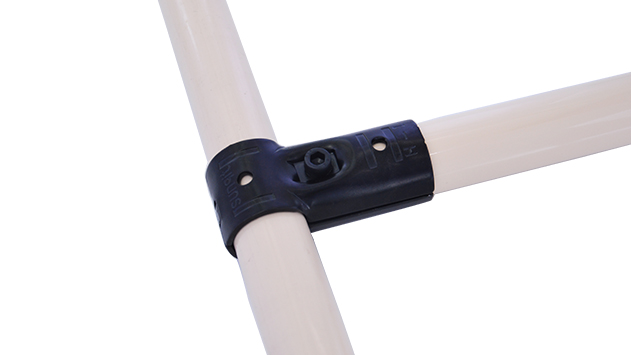
Two way lean pipe joint for 2 pcs 28MM lean pipe connection in straight angle, which used widely in workbench, flow rack, hand trolley frame connection.
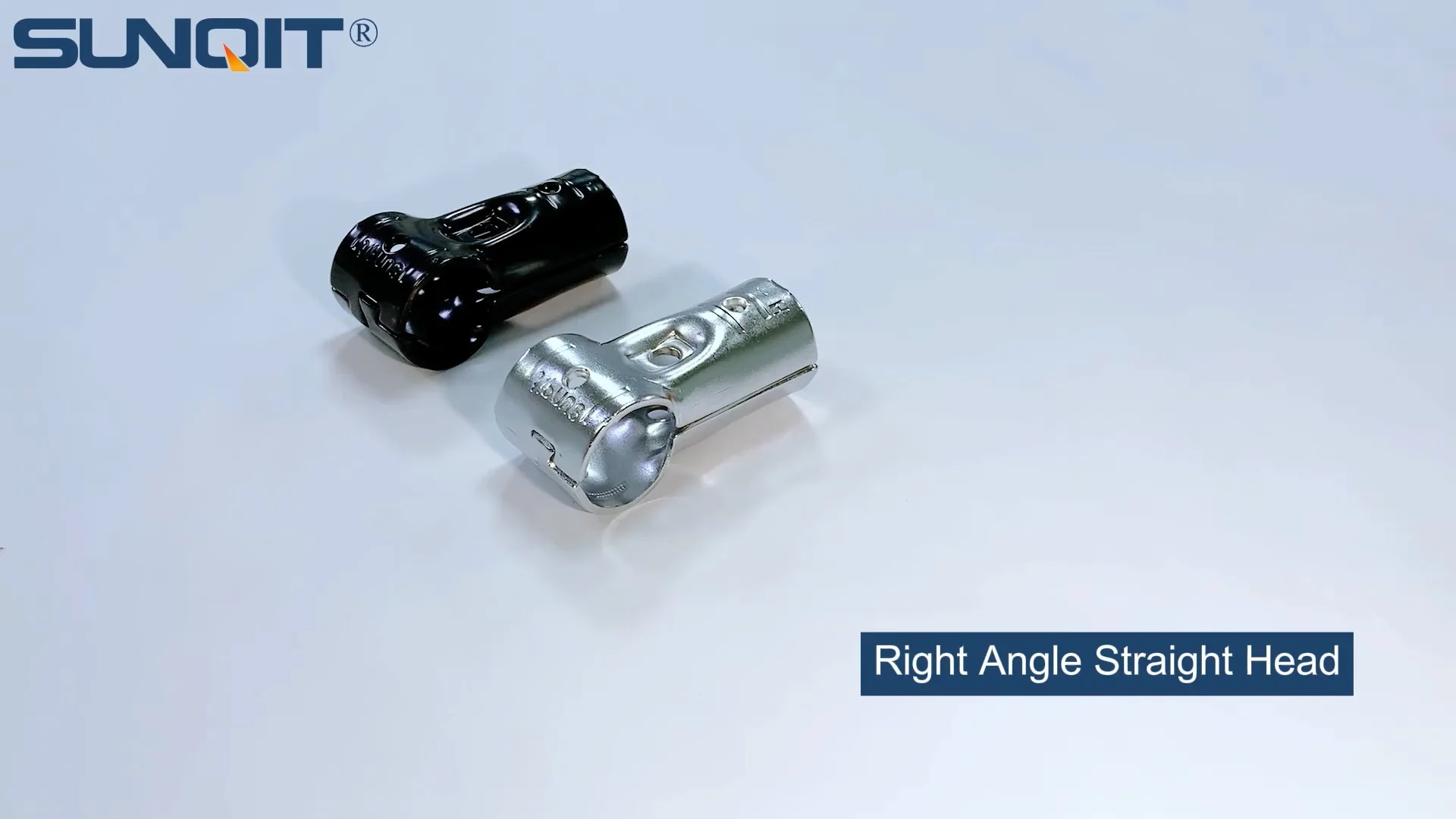
In the world of manufacturing and warehouse operations, where efficiency and adaptability are the backbone of success, lean systems have become more than just a buzzword—they're a way of life. At the heart of these systems lie modular components like lean pipes and their connecting joints, which allow teams to build everything from workbenches and flow racks to conveyor systems and turnover trolleys. Among these components, the two way lean pipe joint might seem, but its role is critical: it's the silent connector that holds the structure together, ensuring stability, safety, and smooth workflow.
Yet, for something so essential, two way lean pipe joints are often installed with little thought—leading to wobbly workbenches, jamming conveyors, and even safety hazards. Over the years, I've visited countless facilities where a simple joint mistake snowballed into production delays or costly repairs. The good news? Most of these issues are avoidable with a little awareness and attention to detail. In this article, we'll walk through the most common installation mistakes with two way lean pipe joints, why they happen, and exactly how to steer clear of them.
Mistake #1: Choosing the Wrong Two Way Lean Pipe Joint for the Job
Not all two way lean pipe joints are created equal. They come in different materials, designs, and load capacities, each tailored to specific environments and tasks. But far too often, teams grab the first joint they find in the toolbox, assuming "a joint is a joint." This one-size-fits-all approach is a recipe for disaster.
Why It Happens
Many operators or facility managers underestimate the diversity of two way lean pipe joints. They might not realize that a joint made for light-duty aluminum lean pipe won't hold up under the weight of a heavy workbench loaded with tools, or that a plastic joint designed for dry environments will crack in a humid warehouse. Suppliers often offer joints in materials like aluminum, steel, and reinforced plastic, each with unique strengths: aluminum is lightweight and corrosion-resistant, steel is heavy-duty, and plastic is cost-effective for low-load setups. Ignore these differences, and you're setting your structure up to fail.
Real-World Example: A electronics manufacturer once reached out to me after their assembly line kept grinding to a halt. Their issue? They'd used standard plastic two way joints to build a material rack B (3 row and 3 floor) meant to hold heavy circuit board components. Within weeks, the joints began to warp under the weight, causing the shelves to tilt. Not only did this slow down pick times, but a few components even fell off, leading to product damage. The fix? Switching to steel two way joints with a higher load rating—simple, but only after days of lost productivity.
How to Avoid It
Start by asking two key questions: What's the maximum weight this structure will need to support? and What environmental conditions will it face? For a workbench in a dry assembly area with light tools, an aluminum joint might suffice. For a flow rack in a cold storage facility, stainless steel joints (resistant to rust) would be better. Always check the supplier's specifications—reputable lean pipe suppliers list load capacities and material tolerances clearly. When in doubt, overestimate slightly; it's better to have a joint that's stronger than needed than one that's just barely adequate.
Mistake #2: Over-Tightening or Under-Tightening the Joint
Tightening a two way lean pipe joint might seem like a no-brainer—just twist until it feels "snug," right? Wrong. Both over-tightening and under-tightening are common mistakes that can compromise the joint's integrity and the structure's stability.
The Risks of Over-Tightening
When you crank down on a joint with a wrench or pliers, you're not just securing it—you're putting stress on the threads and the joint's body. Most lean pipe joints, especially those made of aluminum or plastic, have threads designed to handle a specific amount of torque. Exceed that, and you could strip the threads, crack the joint, or even warp the lean pipe itself. I've seen teams ruin brand-new joints by using power tools (like impact drivers) without torque settings, turning a simple installation into a costly replacement job.
The Dangers of Under-Tightening
On the flip side, a joint that's too loose is a ticking time bomb. Even a small gap between the joint and the pipe can lead to wobbling, which over time loosens other connections in the structure. For example, a conveyor system with under-tightened two way joints might start vibrating during operation, causing roller tracks to misalign. This leads to products getting stuck, jamming the line, and creating frustration for workers who have to stop and fix it repeatedly.
Real-World Example: A automotive parts warehouse had a recurring issue with their roller conveyor system. Boxes would frequently get stuck halfway down the line, and upon inspection, we found that the two way joints connecting the roller track to the aluminum profile were loose. The team had been hand-tightening them "until they felt firm," but without a torque wrench, some were too loose, causing the track to sag. By switching to a torque wrench set to the manufacturer's recommended 15 Nm (newton-meters), they eliminated the jams entirely.
How to Get It Right
The solution is simple: use a torque wrench. Most lean pipe suppliers specify the ideal torque range for their joints—typically between 10–20 Nm for aluminum joints and 20–30 Nm for steel ones. If you don't have a torque wrench, at least invest in a calibrated hand tool (like a hex key with a rubber grip) and practice the "two-finger rule": tighten until you can't turn it with just two fingers. And remember: joints can loosen over time with vibration, so schedule monthly check-ins to retighten as needed.
Mistake #3: Misaligning Pipes During Assembly
Imagine building a house with walls that aren't plumb—sooner or later, the roof will sag, and doors won't close. The same principle applies to lean pipe structures: if the pipes connected by two way joints aren't perfectly aligned, the entire setup will be unstable. Yet, many teams rush through assembly, forcing pipes into joints at odd angles just to "get it done."
Why Misalignment Happens
Misalignment often stems from impatience or poor planning. Maybe the team is trying to build a workbench quickly to meet a production deadline, so they skip measuring and just "eyeball" the pipe angles. Or perhaps the workspace is cluttered, making it hard to lay out pipes straight. Whatever the reason, even a 5-degree misalignment can put uneven stress on the two way joint, causing it to wear out faster. Over time, this stress leads to cracks, loose connections, or pipes that bend under load.
The Hidden Costs of Crooked Pipes
A misaligned structure might look "good enough" on day one, but the long-term costs add up. For example, a flow rack with misaligned levels will cause products to get stuck as they slide down, requiring workers to stop and unjam it. A workbench with uneven legs (due to misaligned joints) can lead to ergonomic issues—workers hunching or straining to use it, increasing the risk of injuries. In worst cases, a severely misaligned structure might collapse entirely, endangering workers and damaging equipment.
Real-World Example: A food packaging plant built a turnover trolley using two way joints, but the vertical pipes were slightly tilted inward. At first, it seemed fine—until they loaded it with 50-pound boxes of packaging material. The misaligned joints couldn't distribute the weight evenly, and the trolley began to wobble during transport. One day, a worker lost control, and the trolley tipped over, spilling boxes and causing a 30-minute production delay. The fix? Disassembling the trolley, using a level to align the pipes, and reattaching the joints with proper spacing.
How to Ensure Perfect Alignment
Slow down and plan. Start by laying out all pipes and joints on a flat surface (like a clean floor) before assembly. Use a spirit level to check that horizontal pipes are straight and vertical pipes are plumb. For larger structures, use string lines or laser levels to ensure alignment across multiple joints. When inserting pipes into two way joints, apply gentle pressure—if the pipe doesn't slide in easily, stop and check the angle. For complex setups, consider using jigs or templates to guide placement. Remember: 10 extra minutes of alignment now saves hours of repairs later.

Mistake #4: Ignoring Compatibility with Lean Pipe Accessories
Two way lean pipe joints don't work in isolation—they're part of a larger ecosystem of lean pipe accessories, from caster wheels and roller tracks to workbench surfaces and material racks. Yet, many installers forget to check if their chosen joint is compatible with these accessories, leading to mismatched components that don't fit or function properly.
Common Compatibility Issues
Compatibility problems often arise when mixing parts from different suppliers. For example, a two way joint from Supplier A might have a slightly different diameter than the roller track from Supplier B, making it impossible to attach the track securely. Or, the joint might lack the necessary holes or slots to mount caster accessories, forcing workers to drill their own (which weakens the joint). Even within the same supplier's lineup, certain joints are designed for specific accessories—using a basic two way joint with a heavy-duty caster wheel, for instance, will result in a wobbly trolley.
The Domino Effect of Mismatched Parts
A single incompatible component can throw off the entire system. Let's say you're building a conveyor with roller track and two way joints. If the joint isn't designed to connect to the roller track's placon mount, you might have to rig a solution with zip ties or duct tape. This "fix" will fail quickly, causing the track to separate from the joint and products to pile up. Worse, incompatible parts often void warranties—so if the joint breaks, the supplier might refuse to replace it because you used it with the wrong accessory.
How to Avoid Compatibility Headaches
Stick to a single supplier when possible—reputable lean pipe suppliers design their joints and accessories to work together seamlessly. If you must mix suppliers, cross-check specifications carefully: measure diameters, check hole spacing, and confirm load ratings. Most suppliers provide compatibility charts on their websites or in catalogs—use them. When ordering, ask the supplier to confirm that the two way joint will work with the specific accessories you plan to use (e.g., "Will this joint fit with your 40 steel roller track?"). It's a quick call that can save days of frustration.

Mistake #5: Forgetting Post-Installation Inspections
You've chosen the right joint, tightened it to the perfect torque, aligned the pipes, and checked compatibility—job done, right? Not quite. Even the best-installed two way lean pipe joints need regular inspections. Over time, vibration, temperature changes, and heavy use can loosen connections or wear down components. Skipping these check-ins is like never changing the oil in your car—eventually, something will break.
What to Look For During Inspections
Inspections don't have to be complicated. Once a month, walk around your lean pipe structures and check each two way joint for: looseness (wiggle the joint gently—if it moves, retighten it), cracks or damage (especially in plastic or aluminum joints), and corrosion (common in humid or chemical-exposed areas). Pay extra attention to joints in high-stress areas, like the corners of workbenches or the base of material racks. Also, check that accessories (like roller tracks or casters) are still securely attached to the joints—these are often the first to loosen.
Real-World Example: A pharmaceutical warehouse had a lean system in place for over a year with no inspections. One day, a worker noticed that a flow rack was leaning to one side. Upon closer look, several two way joints had cracked, and others were so loose that the pipes were barely connected. The root cause? The warehouse used a pressure washer for cleaning, and water had seeped into the joints, causing hidden corrosion. Regular inspections would have caught the corrosion early, allowing for simple joint replacements instead of a full rack rebuild.
How to Make Inspections a Habit
Assign a team member (or rotate responsibilities) to conduct monthly inspections. Create a simple checklist with the structure's location, date, and notes on each joint's condition. For critical structures (like those holding heavy machinery), inspect every two weeks. Keep a small stock of replacement joints on hand so you can fix issues immediately—delaying repairs only makes them worse. Remember: a 10-minute inspection can prevent a 10-hour shutdown.
Summary: Avoiding Two Way Lean Pipe Joint Mistakes
| Mistake | Common Cause | Impact | Prevention Tip |
|---|---|---|---|
| Choosing the wrong joint | Ignoring material/load differences | Warped joints, structural failure | Check supplier specs; match joint to load/environment |
| Incorrect torque | "Snug" by feel instead of torque specs | Stripped threads, loose connections | Use a torque wrench; follow supplier torque ranges |
| Misaligned pipes | Rushing assembly; no measuring tools | Uneven stress, bent pipes | Use levels/string lines; align before tightening |
| Incompatible accessories | Mixing suppliers without checking specs | Mismatched parts, voided warranties | Stick to one supplier; confirm compatibility first |
| Skipping inspections | Assuming "set it and forget it" | Hidden damage, sudden failures | Monthly inspections with a checklist; stock replacements |
Conclusion: Small Joints, Big Impact
Two way lean pipe joints might be small, but their role in your lean system is huge. They're the glue that holds your workbenches, flow racks, and conveyors together—ensuring your team can work efficiently, safely, and without interruptions. By avoiding these common mistakes—choosing the right joint, tightening it properly, aligning pipes, checking compatibility, and inspecting regularly—you'll extend the life of your lean structures, reduce downtime, and keep your operations running smoothly.
Remember, lean systems are all about continuous improvement. Even if you've made some of these mistakes in the past, it's never too late to correct them. Start with a quick audit of your existing structures, fix any obvious joint issues, and implement a regular inspection routine. Your team (and your bottom line) will thank you.
At the end of the day, the goal isn't just to build structures—it's to build systems that empower your team to do their best work. And it all starts with getting the little things right: like a properly installed two way lean pipe joint.