- Company Articles
- Products and Technology
- Product knowledge
- Common Materials for Vertical Lean Pipe Joints: Aluminum vs. Plastic vs. Steel

Common Materials for Vertical Lean Pipe Joints: Aluminum vs. Plastic vs. Steel
Related Product
Vertical Lean Pipe Joint
Vertical lean pipe joint is used for 28mm lean pipe fixed on ground and keep it stable.
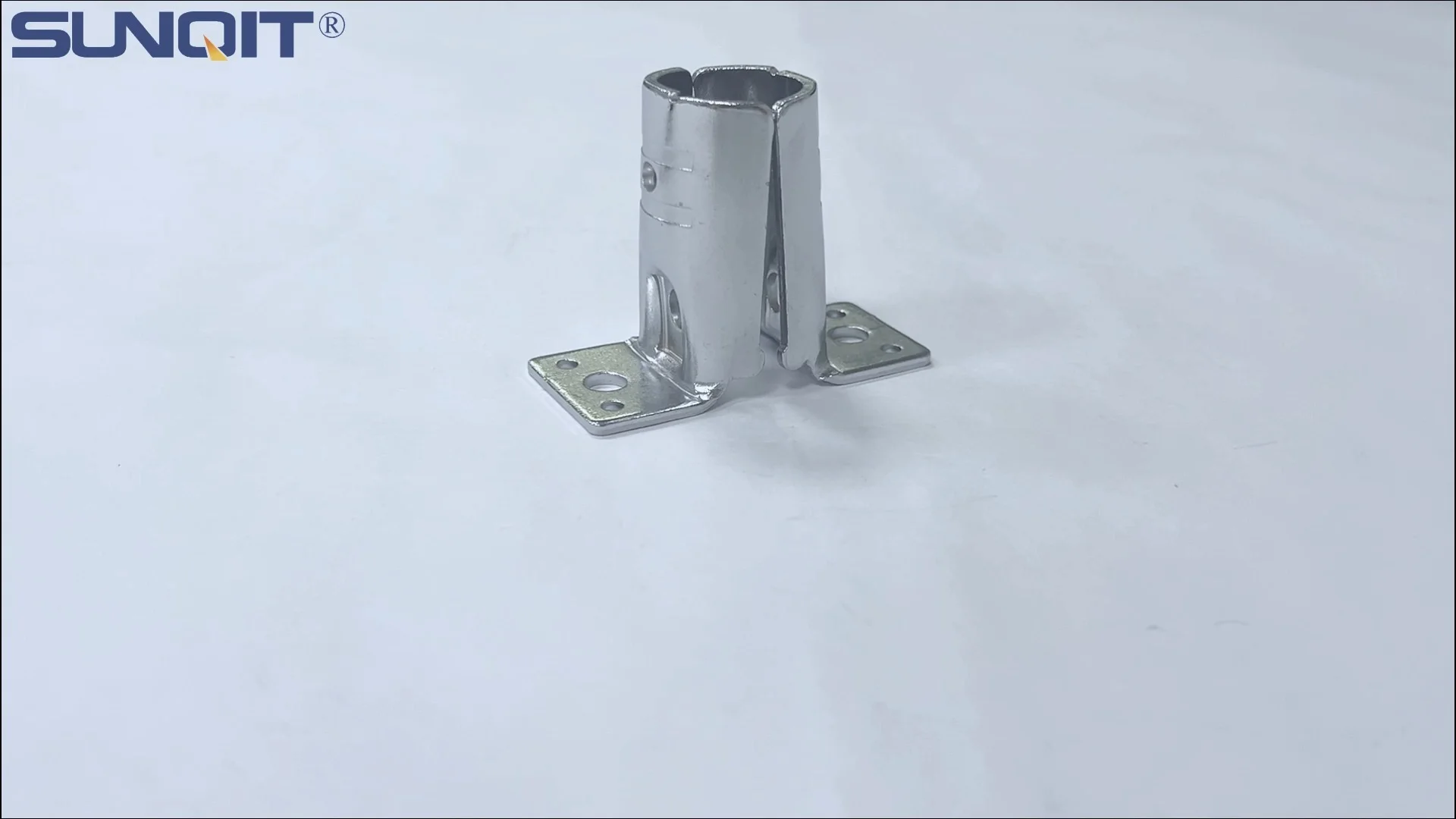
In the world of lean manufacturing, every component plays a silent but critical role in keeping production lines running smoothly. From the conveyor belts that glide materials across the floor to the workbenches where teams assemble products, each part has a job to do. But if there's one unsung hero in this ecosystem, it's the vertical lean pipe joint. These small but mighty connectors are the glue that holds lean pipe systems together—literally. They secure pipes, support workbenches, and ensure that racks and trolleys stay stable, even when loaded with heavy components.
But not all vertical lean pipe joints are created equal. The material they're made from—aluminum, plastic, or steel—can make or break a system's efficiency, durability, and cost-effectiveness. Imagine a food processing plant where corrosion is a constant threat: using a steel joint here could lead to rust, contamination, and costly downtime. On the flip side, a heavy automotive assembly line relying on plastic joints might see frequent breakages under the weight of engine parts. The choice of material isn't just about specs; it's about matching the joint to the unique demands of your workspace.
In this article, we'll dive into the three most common materials for vertical lean pipe joints: aluminum, plastic, and steel. We'll explore their strengths, weaknesses, and ideal applications, so you can make an informed decision that keeps your production line moving, your team safe, and your budget in check. Along the way, we'll touch on related components like aluminum lean pipe, stainless steel pipe series, and even plastic roller track guide rail—accessories that often work hand-in-hand with these joints to create a seamless lean system.
Aluminum Vertical Lean Pipe Joints: Lightweight Strength for Modern Workspaces
Aluminum has become a favorite in lean manufacturing circles, and for good reason. When it comes to vertical lean pipe joints, aluminum brings a unique blend of strength and agility that's hard to beat. Let's start with the basics: aluminum lean pipe joints are typically made from high-grade aluminum alloys, which means they're lightweight—often half the weight of steel joints—but still surprisingly strong. This combination makes them a dream for teams that need to reconfigure their workspace frequently. Imagine rearranging a production line: lifting a steel joint might require two people, but an aluminum joint? One person can carry a handful without breaking a sweat.
Corrosion resistance is another standout feature of aluminum joints. Unlike steel, aluminum naturally forms a protective oxide layer that shields it from rust and moisture. This makes it ideal for environments where cleanliness and longevity are priorities, such as pharmaceutical labs, food processing plants, or electronics manufacturing facilities. In a bakery, for example, where flour dust and occasional spills are part of the daily grind, aluminum joints won't corrode or degrade over time, ensuring the production line stays hygienic and operational.
But aluminum isn't just about practicality—it's also about precision. Many aluminum vertical joints are designed to work seamlessly with aluminum profile accessories, like T-slot aluminum pipes and connectors. These accessories allow for easy customization: you can attach shelves, tool holders, or even LED lights directly to the joints without drilling or welding. This flexibility is a game-changer for lean systems, where adaptability is key to reducing waste and improving workflow. A electronics manufacturer, for instance, might use aluminum joints with profile accessories to create a custom workbench that holds circuit boards, tools, and testing equipment—all within arm's reach of the assembler.
Of course, aluminum isn't perfect. While it's strong for its weight, it can't match the raw load capacity of steel. If your system needs to support extremely heavy loads—think engine blocks or large machinery—aluminum might bow or bend over time. It's also more expensive than plastic, which can be a barrier for small businesses or temporary setups. But for most mid-weight applications, the benefits of aluminum—lightweight, corrosion-resistant, and easy to customize—far outweigh the drawbacks.
So, when should you choose aluminum vertical lean pipe joints? If your workspace values mobility, cleanliness, or frequent reconfiguration, aluminum is likely your best bet. It's the material of choice for forward-thinking manufacturers who want a system that grows and changes with their needs, without sacrificing durability or safety.
Plastic Vertical Lean Pipe Joints: Affordable and Adaptable for Light-Duty Needs
Plastic vertical lean pipe joints are the underdogs of the lean manufacturing world—often overlooked, but quietly reliable in the right settings. Made from durable polymers like polypropylene or nylon, these joints are all about accessibility and versatility. Let's start with the most obvious advantage: cost. Plastic joints are significantly cheaper than both aluminum and steel, making them a go-to option for startups, small businesses, or teams working with tight budgets. If you're setting up a temporary assembly line for a seasonal product, or testing a new workflow before investing in permanent infrastructure, plastic joints let you build a functional system without breaking the bank.
Lightweight is another feather in plastic's cap. Even more so than aluminum, plastic joints are easy to handle, transport, and install. This is a big plus for teams that need to move their lean system frequently—think pop-up production facilities or event-based manufacturing. A team assembling promotional products for a trade show, for example, could set up a plastic joint-based rack in minutes, break it down at the end of the day, and store it in a closet until the next event. No heavy lifting, no complicated tools—just simple, straightforward assembly.
Plastic joints also shine in environments where conductivity or chemical resistance is a concern. Unlike metal, plastic is non-conductive, which makes it safe for use around electrical components or sensitive equipment. In a electronics repair shop, for instance, plastic joints could support a workbench where technicians handle circuit boards, reducing the risk of static electricity damage. Additionally, many plastic joints are resistant to oils, solvents, and mild chemicals, making them suitable for light industrial settings where spills are occasional but not severe.
Of course, plastic has its limitations. The biggest one is load capacity. Plastic joints simply can't support the same weight as aluminum or steel. A vertical plastic joint might handle 50-100 pounds, but anything more could cause it to crack or snap, especially under repeated stress. They're also prone to wear and tear over time. In high-traffic areas—like conveyor systems where parts slide past the joints daily—plastic can scratch, chip, or degrade, leading to loose connections and potential safety hazards. And while they resist mild chemicals, harsh substances like strong acids or bases can eat away at the plastic, compromising its integrity.
Accessories matter too. Plastic vertical joints often pair well with components like plastic roller track guide rail, which are used to create smooth, low-friction surfaces for materials to slide on. These guide rails are lightweight, affordable, and easy to attach to plastic joints, making them a great addition to low-weight assembly lines. A toy manufacturer, for example, might use plastic joints and roller track guide rails to create a gravity-fed system that moves toy parts from one workstation to the next—no motors, no hassle, just simple, efficient flow.
So, when is plastic the right choice? If you need a budget-friendly, lightweight, or non-conductive solution for light to mid-weight loads, plastic vertical lean pipe joints are hard to beat. They're not built for the long haul, but for temporary setups, small-scale operations, or environments where metal could cause issues, plastic gets the job done—and does it well.

Steel Vertical Lean Pipe Joints: Heavy-Duty Durability for Industrial Strength
When it comes to raw power, steel vertical lean pipe joints are in a league of their own. For decades, steel has been the backbone of heavy industry, and for good reason: it's strong, durable, and built to withstand the toughest conditions. Let's start with load capacity. A high-quality steel joint can support hundreds—even thousands—of pounds without so much as a creak. This makes it indispensable in environments where heavy loads are the norm, such as automotive manufacturing, construction, or shipbuilding. Imagine a production line assembling truck engines: each engine block weighs hundreds of pounds, and the vertical joints holding up the conveyor system need to handle that weight day in and day out. Steel joints don't just handle it—they thrive on it.
Durability is another hallmark of steel. Unlike plastic, which wears down over time, or aluminum, which can bend under stress, steel joints are built to last. With proper maintenance—like regular cleaning and occasional lubrication—they can stay in service for decades. This longevity makes them a cost-effective choice in the long run, even though they have a higher upfront cost than plastic. A steel mill, for example, might invest in steel vertical joints for its material handling racks, knowing that they'll outlast multiple generations of equipment and employees.
But not all steel is created equal. When corrosion is a concern—say, in outdoor settings or industrial facilities with high humidity—stainless steel pipe series joints are the way to go. Stainless steel contains chromium, which forms a protective layer against rust and stains. This makes it ideal for environments like chemical plants, wastewater treatment facilities, or marine manufacturing, where moisture and corrosive substances are ever-present. A seafood processing plant, for instance, might use stainless steel vertical joints to support its cleaning stations, ensuring that saltwater and cleaning chemicals don't eat away at the system over time.
Of course, steel's strength comes with a trade-off: weight. Steel joints are heavy—often two to three times heavier than aluminum—and this can make installation and reconfiguration a challenge. Moving a steel joint-based rack might require a forklift or a team of people, which adds time and labor costs. They're also prone to rust if not properly coated or maintained, which can weaken the joint and lead to safety issues. In a humid warehouse, for example, an uncoated steel joint might start to rust within months, compromising the stability of the entire system.
Despite these drawbacks, steel remains the gold standard for heavy-duty lean systems. Its ability to handle extreme loads, resist wear, and stand the test of time makes it irreplaceable in industries where downtime is costly and safety is paramount. When paired with accessories like heavy-duty casters or reinforced pipes, steel vertical joints can create systems that are not just functional, but legendary for their reliability.
So, when should you choose steel? If your operation deals with heavy loads, harsh conditions, or requires long-term durability, steel vertical lean pipe joints are the clear choice. They're not the most flexible or lightweight option, but when the going gets tough, steel keeps going.

Aluminum vs. Plastic vs. Steel: A Side-by-Side Comparison
Choosing the right vertical lean pipe joint material can feel overwhelming, but breaking down the key factors can simplify the decision. Below is a comparison table that highlights how aluminum, plastic, and steel stack up against each other in critical areas like load capacity, cost, and durability.
| Factor | Aluminum | Plastic | Steel (Including Stainless Steel Pipe Series) |
|---|---|---|---|
| Load Capacity | Medium (100-300 lbs per joint) | Low (50-100 lbs per joint) | High (300+ lbs per joint) |
| Cost | Moderate (Higher than plastic, lower than stainless steel) | Low (Most budget-friendly option) | High (Especially stainless steel; highest upfront cost) |
| Weight | Light (Easy to handle and reconfigure) | Very Light (Lightest option, ideal for portability) | Heavy (Requires tools or team lifting for installation) |
| Corrosion Resistance | High (Naturally resistant; ideal for wet or humid environments) | High (Resistant to moisture and mild chemicals) | Low (Prone to rust unless coated; stainless steel offers high resistance) |
| Durability/Wear Resistance | Moderate (Resists scratches; may bend under extreme loads) | Low (Prone to chipping, cracking, and degradation over time) | High (Resists wear; stainless steel offers exceptional longevity) |
| Customization | High (Pairs well with aluminum profile accessories for easy modifications) | Moderate (Limited to basic accessories like plastic roller track guide rail) | Moderate (Requires welding or heavy-duty fasteners for customization) |
| Ideal Applications | Cleanrooms, food processing, electronics manufacturing, mid-weight assembly lines | Low-weight assembly, temporary setups, pop-up facilities, non-conductive environments | Heavy manufacturing, automotive, construction, outdoor or corrosive settings (with stainless steel) |

Choosing the Right Material: It All Comes Down to Your Needs
At the end of the day, there's no "best" material for vertical lean pipe joints—only the best material for your unique needs. Aluminum, plastic, and steel each bring something different to the table, and the key is to match their strengths to the demands of your workspace.
If you value lightweight flexibility and corrosion resistance, aluminum is your ally. It's perfect for environments where cleanliness, adaptability, and ease of reconfiguration are priorities—think pharmaceutical labs or electronics plants. Pair it with aluminum profile accessories, and you've got a system that can grow and change with your business.
For budget-friendly, lightweight setups with light to mid-weight loads, plastic is the way to go. It's affordable, easy to handle, and great for temporary or low-stress environments, like small-scale assembly lines or pop-up production facilities. Just remember to pair it with compatible accessories like plastic roller track guide rail to maximize efficiency.
And when raw strength and durability are non-negotiable—when you're dealing with heavy loads, harsh conditions, or long-term setups—steel (especially stainless steel pipe series) is the workhorse you can rely on. It's not the easiest to move or customize, but it will stand up to the toughest challenges, keeping your production line running for years to come.
Whichever material you choose, remember that vertical lean pipe joints are more than just connectors—they're the foundation of your lean system. They keep your workflow efficient, your team safe, and your operations running smoothly. So take the time to assess your needs, weigh the pros and cons, and choose the material that will help you build a lean system that's not just functional, but future-ready.