- Company Articles
- Products and Technology
- Product knowledge
- Common Materials Used in Castor Install Base Manufacturing: A Comparison

Common Materials Used in Castor Install Base Manufacturing: A Comparison
Related Product
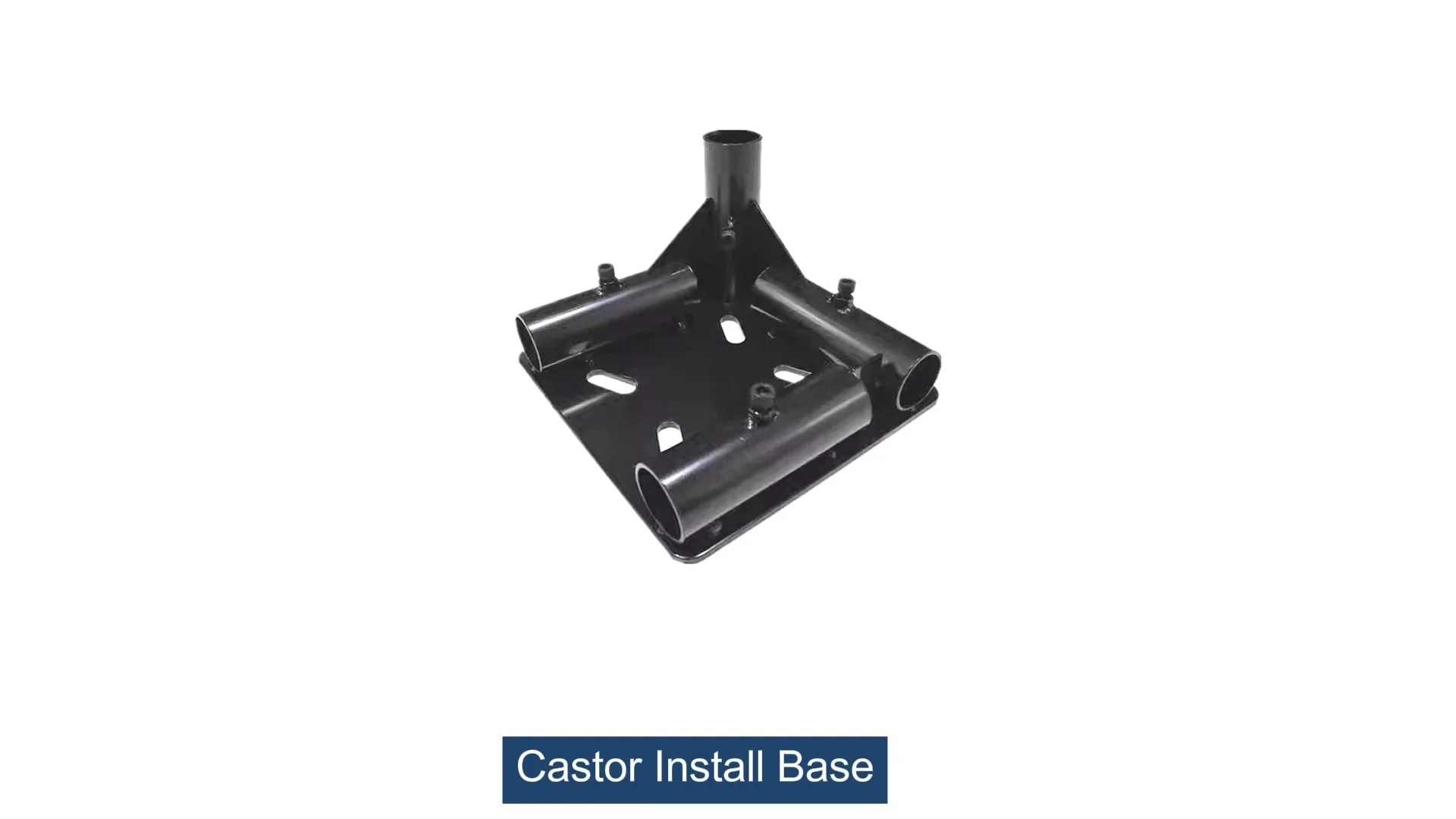
Castor Install Base
Castor install base, used for connection between pipe and castor, it can connect 4 pcs pipe by 1 pcs castor base, to make the structure strong and stable.
In the world of manufacturing and material handling, few components work as quietly yet critically as the caster install base. These unassuming structures serve as the bridge between equipment—whether it's a heavy-duty warehouse trolley, a hospital cart, or a lightweight assembly workbench—and the casters that make mobility possible. While casters themselves often get the spotlight for their role in smooth movement, the install base is the unsung hero that ensures stability, load distribution, and long-term reliability. Choosing the right material for a caster install base isn't just a matter of cost; it's about matching the base's properties to the environment, load requirements, and daily demands of the equipment it supports. In this article, we'll dive into the most common materials used in caster install base manufacturing, exploring their strengths, weaknesses, and ideal applications to help you make informed decisions for your next project.
Why Material Choice Matters for Caster Install Bases
Before we jump into specific materials, let's take a moment to understand why the material of a caster install base is so crucial. Imagine a scenario: a food processing plant uses a trolley with a plastic install base to transport heavy vats of sauce. Over time, the plastic warps under the heat of the kitchen, causing the casters to wobble and the trolley to become unstable. Or consider a warehouse in a coastal area where salt air corrodes a mild steel install base, leading to rust that weakens the structure and eventually causes a collapse. These examples highlight the consequences of poor material selection: downtime, safety risks, and unnecessary replacement costs.
A caster install base must balance several key factors: load capacity (how much weight it can support without bending or breaking), corrosion resistance (to withstand moisture, chemicals, or harsh weather), weight (affecting the overall mobility of the equipment), and cost (fitting within budget constraints). Additionally, factors like temperature resistance, hygiene (for cleanrooms or food environments), and aesthetic appeal (for retail or office settings) can play a role. With so many variables, it's clear that there's no one-size-fits-all material. Instead, the best choice depends on the unique needs of the application.
Aluminum: The Lightweight Powerhouse
Aluminum has become a go-to material for caster install bases in industries where weight and corrosion resistance are top priorities. Known for its impressive strength-to-weight ratio, aluminum offers a rare combination of durability and portability that makes it ideal for everything from medical carts to aerospace assembly lines. Let's break down what makes aluminum stand out, and where it might fall short.
Properties of Aluminum for Caster Install Bases
Aluminum is a soft, silvery metal with a low density (about a third that of steel), which translates to lightweight install bases. Despite its lightness, it's surprisingly strong—especially when alloyed with elements like copper, magnesium, or zinc. The most common aluminum alloys used in caster install bases are 6061 and 6063, both of which are heat-treatable and offer excellent mechanical properties. 6061, for example, has a tensile strength of around 310 MPa, making it strong enough to support medium to heavy loads (think 500–1,500 lbs per install base, depending on design). Aluminum is also naturally corrosion-resistant: when exposed to air, it forms a thin oxide layer that acts as a barrier against rust and oxidation, eliminating the need for additional coatings in many environments.
Manufacturing Processes for Aluminum Install Bases
Aluminum caster install bases are typically made using one of two processes: extrusion or machining. Extrusion, a method where heated aluminum is forced through a die to create uniform shapes, is popular for producing long, consistent profiles—think of the aluminum profile you might see in a modular workbench frame. This process is cost-effective for large production runs and allows for complex cross-sections, which can be designed to optimize strength and weight. Machining, on the other hand, involves cutting or shaping solid aluminum blocks (often from aluminum profile stock) to create custom install bases with precise dimensions. While more expensive than extrusion, machining is ideal for small batches or bases with unique geometries, such as those requiring specific mounting holes or cutouts for wiring.
Pros of Aluminum Install Bases
Lightweight Mobility: By far, aluminum's biggest advantage is its low weight. A typical aluminum install base weighs 40–50% less than a steel base of the same size, making the equipment it supports easier to push, pull, or maneuver—critical in settings like hospitals, where nurses and technicians move carts constantly throughout their shifts.
Corrosion Resistance: Unlike steel, aluminum doesn't rust. This makes it perfect for humid environments, such as greenhouses, swimming pool facilities, or coastal warehouses where salt air would quickly degrade other materials. It also holds up well in areas with frequent cleaning, like food processing plants or laboratories, where harsh chemicals or high-pressure washing are common.
Design Flexibility: Aluminum's malleability allows for intricate designs, including hollow sections that reduce weight without sacrificing strength. Extruded aluminum profile, for instance, can be customized with T-slots, which make it easy to attach casters, brackets, or other accessories without welding. This modularity is a boon for manufacturers who need to adapt equipment to changing needs.
Recyclability: Aluminum is 100% recyclable, and recycling it requires just 5% of the energy needed to produce new aluminum. For companies focused on sustainability, this makes aluminum a more eco-friendly choice than materials like plastic or non-recyclable composites.
Cons of Aluminum Install Bases
Lower Load Capacity Compared to Steel: While aluminum is strong for its weight, it can't match the absolute load capacity of steel. For extremely heavy equipment—like industrial machinery weighing over 2,000 lbs—aluminum may bend or deform under stress, making steel a better choice.
Thermal Conductivity: Aluminum conducts heat and cold more readily than steel or plastic. In environments with extreme temperatures, this can be a drawback. For example, an aluminum install base in a freezer might become uncomfortably cold to touch, or one in a foundry could heat up quickly, potentially affecting nearby components.
Higher Cost Than Mild Steel: Raw aluminum is more expensive than mild steel, and extrusion or machining processes can add to the cost. While this premium is often justified by aluminum's performance benefits, it may be a barrier for budget-sensitive projects with low load requirements.
Ideal Applications for Aluminum Install Bases
Aluminum caster install bases shine in scenarios where mobility, corrosion resistance, and moderate load capacity are key. Examples include: medical carts (where lightweight maneuverability and easy cleaning are critical), cleanroom equipment (where rust-free materials prevent contamination), retail display fixtures (where aesthetics and portability matter), and lightweight assembly workbenches (common in electronics manufacturing, where workers need to reposition workstations frequently). In each of these cases, aluminum's strengths outweigh its weaknesses, delivering a balance of performance and practicality.

Stainless Steel: The Champion of Durability and Hygiene
When the environment is harsh—think saltwater, chemicals, or constant moisture—stainless steel steps in as the material of choice for caster install bases. Part of the stainless steel pipe series, this alloy of iron, chromium, and other elements (like nickel or molybdenum) is prized for its exceptional corrosion resistance and strength. It's a material that doesn't just last; it thrives in conditions that would quickly degrade other metals. Let's explore why stainless steel is a staple in industries from food processing to marine engineering.
Properties of Stainless Steel for Caster Install Bases
Stainless steel owes its corrosion resistance to chromium, which forms a passive oxide layer on the surface when exposed to oxygen. This layer self-heals if scratched, ensuring long-term protection against rust and staining. The most common grades used in caster install bases are 304 and 316. 304 stainless steel (often called "food-grade stainless") contains 18% chromium and 8% nickel, making it resistant to most acids and everyday corrosion. 316 stainless steel adds molybdenum, which enhances resistance to chlorides (like saltwater or harsh cleaning chemicals), making it ideal for marine or coastal applications. Both grades are strong—304 stainless steel has a tensile strength of around 505 MPa, significantly higher than aluminum—allowing install bases to support heavy loads (2,000 lbs or more, depending on design).
Manufacturing Processes for Stainless Steel Install Bases
Stainless steel caster install bases are typically fabricated using welding, bending, or machining. Welding is common for custom designs, as it allows manufacturers to join thick steel plates or tubes into robust structures. However, welding stainless steel requires precision: the heat can sensitize the material (depleting chromium near the weld, making it prone to corrosion) if not done correctly. To avoid this, post-weld annealing (a heat treatment process) is often used to restore the material's corrosion resistance. Bending is another method, suitable for creating angles or curves in sheet stainless steel, while machining (drilling, cutting, or grinding) is used to add mounting holes or refine dimensions. Unlike aluminum, stainless steel is not easily extruded due to its high melting point and strength, so most install bases start as flat sheets or round tubes from the stainless steel pipe series.
Pros of Stainless Steel Install Bases
Unmatched Corrosion Resistance: For environments with moisture, chemicals, or salt, stainless steel is unparalleled. A 316 stainless steel install base can withstand years of exposure to saltwater without rusting, making it a favorite for docks, fishing boats, and coastal warehouses. In food processing plants, 304 stainless steel resists the acids in fruits, vegetables, and cleaning agents, ensuring compliance with hygiene standards.
High Load Capacity: Stainless steel's strength means it can support heavier loads than aluminum or plastic. This makes it ideal for industrial equipment, such as heavy-duty trolleys carrying automotive parts or metalworking tools, where stability under stress is non-negotiable.
Heat and Fire Resistance: Stainless steel retains its strength at high temperatures, making it suitable for use in foundries, bakeries, or other high-heat environments. Unlike plastic, it won't melt or warp when exposed to extreme heat, and it's non-combustible, adding a layer of safety.
Easy to Clean and Sanitize: The smooth, non-porous surface of stainless steel resists bacterial growth and is easy to wipe down with disinfectants. This is critical in healthcare, food service, and pharmaceutical settings, where hygiene is a top priority.
Cons of Stainless Steel Install Bases
Heavy Weight: Stainless steel is dense—about 2.5 times heavier than aluminum—so install bases made from it add significant weight to equipment. This can make maneuvering carts or trolleys more difficult, especially for workers who need to push them manually over long distances.
High Cost: Stainless steel is more expensive than both mild steel and aluminum, and fabrication (welding, annealing) adds to the cost. For example, a stainless steel install base might cost 2–3 times more than a mild steel one of the same size. This premium is often justified for critical applications, but it's a consideration for budget-limited projects.
Prone to Fingerprints and Smudges: While stainless steel is easy to clean, its shiny surface shows fingerprints and smudges more readily than matte materials like aluminum or plastic. In settings where appearance is key (like high-end retail), this may require frequent polishing to maintain a neat look.
Ideal Applications for Stainless Steel Install Bases
Stainless steel caster install bases are the gold standard in environments where durability, hygiene, and resistance to harsh conditions are non-negotiable. Common applications include: food and beverage processing equipment (trolleys for moving ingredients or finished products), marine and coastal equipment (where saltwater corrosion is a constant threat), chemical processing plants (resisting exposure to acids and solvents), and healthcare facilities (surgical instrument carts, where easy sterilization and rust resistance prevent cross-contamination). In these industries, the investment in stainless steel pays off with longer equipment lifespans and reduced maintenance costs.

Plastic: The Economical and Versatile Option
Plastic may not have the strength of steel or the sleekness of aluminum, but it holds its own as a cost-effective, lightweight material for caster install bases—especially in low-load, indoor applications. From PVC to nylon to polyethylene, plastic offers a range of options tailored to specific needs, making it a popular choice for budget-conscious projects or temporary setups. Let's explore the world of plastic install bases, including their unique benefits and limitations.
Properties of Plastic for Caster Install Bases
Plastics used in caster install bases are typically thermoplastics, meaning they can be melted and reshaped when heated. The most common types include: polyvinyl chloride (PVC), known for its rigidity and chemical resistance; high-density polyethylene (HDPE), valued for its impact strength and low cost; and nylon (polyamide), which offers better heat resistance and durability than PVC or HDPE. Each type has distinct properties: PVC is stiff and affordable but can become brittle in cold temperatures; HDPE is flexible and impact-resistant but has lower load capacity; nylon is strong and heat-resistant but more expensive than other plastics. Most plastic install bases are reinforced with additives like glass fibers to improve strength, or UV stabilizers to prevent degradation from sunlight.
Manufacturing Processes for Plastic Install Bases
Plastic caster install bases are almost always produced via injection molding, a process where molten plastic is injected into a mold and allowed to cool, forming a precise shape. Injection molding is ideal for plastic because it allows for complex designs—including integrated mounting holes, ribbing for strength, and even custom logos—at low per-unit costs for large production runs. For smaller batches, 3D printing is sometimes used, though it's slower and more expensive. Unlike metal bases, plastic bases rarely require secondary processing (like welding or machining), as the mold can produce the final shape directly. Accessories like plastic pipe end caps, which protect the ends of plastic tubes used in some install bases, are also injection-molded, ensuring a snug fit and uniform appearance.
Pros of Plastic Install Bases
Low Cost: Plastic is one of the most affordable materials for caster install bases, especially for large production runs. Injection molding reduces labor costs, and raw plastic resins are cheaper than metal alloys. This makes plastic ideal for budget projects, such as temporary event displays, lightweight storage racks, or consumer-grade furniture with casters.
Lightweight: Plastic is lighter than both aluminum and steel, making equipment easier to move. A plastic install base on a children's toy cart, for example, ensures the cart is light enough for kids to push, while a plastic base on a home office chair adds mobility without adding unnecessary weight.
Corrosion and Chemical Resistance: Like stainless steel, plastic is inherently resistant to rust and corrosion. It won't react with water, mild acids, or cleaning agents, making it suitable for indoor applications where moisture is present (e.g., kitchen carts, laundry room organizers). Some plastics, like HDPE, even resist oils and solvents, expanding their utility.
Design Flexibility: Injection molding allows for nearly unlimited design possibilities. Plastic install bases can be shaped to fit unique caster sizes, include built-in cable management channels, or feature ergonomic grips—all without adding significant cost. This versatility is a major advantage for custom or niche applications.
Cons of Plastic Install Bases
Low Load Capacity: Even reinforced plastic has a lower load capacity than metal. A typical plastic install base can support 100–500 lbs, but beyond that, it may crack, bend, or creep (slowly deform under constant stress). This limits its use to lightweight equipment only.
Prone to Wear and Degradation: Plastic is less durable than metal over time. UV exposure can cause it to fade or become brittle, so it's not ideal for outdoor use without UV stabilizers. Additionally, plastic can scratch easily, and repeated impact (like a cart hitting a wall) may cause cracks or chips.
Heat Sensitivity: Most plastics soften at high temperatures. A plastic install base near a radiator or in a hot attic might warp, losing its shape and compromising stability. This makes plastic unsuitable for high-heat environments.
Ideal Applications for Plastic Install Bases
Plastic caster install bases are best suited for lightweight, indoor, and budget-friendly applications. Examples include: consumer furniture (e.g., rolling storage bins, under-bed organizers), office equipment (like mobile file cabinets or printer stands), toy carts (where low weight and safety are priorities), and temporary event setups (such as trade show booth displays, which need to be lightweight and easy to assemble). In these cases, plastic's low cost and design flexibility make it a practical choice, even with its limitations.

Mild Steel: The Workhorse of Heavy-Duty, Budget-Friendly Bases
Mild steel, also known as carbon steel, has been a staple in manufacturing for decades—and for good reason. It's strong, abundant, and affordable, making it the material of choice for caster install bases in applications where raw strength and low cost take precedence over corrosion resistance or weight. While it may not have the flashy properties of aluminum or stainless steel, mild steel remains a reliable workhorse in industries ranging from construction to logistics.
Properties of Mild Steel for Caster Install Bases
Mild steel is an alloy of iron and carbon, with a carbon content between 0.05% and 0.25%. This low carbon content makes it malleable and easy to weld, bend, or cut, while still offering impressive strength. Tensile strength for mild steel ranges from 370–460 MPa, which is higher than aluminum and comparable to some stainless steel grades. However, unlike stainless steel, mild steel lacks chromium, so it's highly prone to rust when exposed to moisture. To combat this, mild steel install bases are often coated with paint, zinc (galvanized), or powder to add a layer of protection against corrosion.
Manufacturing Processes for Mild Steel Install Bases
Mild steel is one of the easiest metals to fabricate, which contributes to its low cost. Common processes include welding (joining steel plates or tubes with heat), bending (using press brakes to create angles), and cutting (with saws or plasma cutters). Many mild steel install bases start as flat sheets or square tubes, which are cut to size, welded into frames, and then drilled to mount casters. Galvanization—dipping the base in molten zinc—is a popular post-fabrication step to add corrosion resistance, though it adds to the cost. Unlike aluminum or plastic, mild steel is rarely molded; instead, it's shaped through mechanical processes, making it ideal for custom, one-off designs or small production runs.
Pros of Mild Steel Install Bases
Exceptional Strength and Load Capacity: Mild steel can support heavy loads—often 2,000 lbs or more—making it the top choice for industrial equipment like construction tool trolleys, warehouse pallet jacks, and heavy machinery bases. Its rigidity also ensures minimal flexing under stress, providing stability for equipment that carries fragile or precision components.
Low Cost: Mild steel is significantly cheaper than aluminum, stainless steel, or even reinforced plastic. Raw steel prices are low, and fabrication processes like welding are widely available and affordable. For large-scale projects or budget-strapped operations, this cost advantage is hard to beat.
Easy Fabrication: Mild steel's malleability makes it easy to customize. Whether you need a simple square frame or a complex design with cutouts and angles, steel fabricators can quickly turn plans into reality. This flexibility is a boon for industries with unique or evolving equipment needs.
Repairability: Unlike plastic (which cracks) or aluminum (which can bend permanently), mild steel can often be repaired if damaged. A bent install base can be straightened with a press, and a cracked weld can be re-welded, extending the base's lifespan.
Cons of Mild Steel Install Bases
Prone to Corrosion: Without a protective coating, mild steel rusts quickly when exposed to moisture. Even with paint or galvanization, the coating can chip or scratch, leaving the steel vulnerable. In humid environments (like basements or outdoor settings), this requires frequent maintenance—repainting or re-galvanizing—to prevent structural damage.
Heavy Weight: Mild steel is dense, so install bases made from it add significant weight to equipment. This can make manual mobility challenging; for example, a steel-based trolley loaded with tools might require two people to push, whereas an aluminum version could be moved by one.
Limited Aesthetic Appeal: Raw mild steel has a dull, industrial look, and even painted or galvanized steel lacks the sleek finish of aluminum or stainless steel. This makes it less suitable for applications where appearance matters, such as retail displays or high-end office furniture.
Ideal Applications for Mild Steel Install Bases
Mild steel caster install bases are ideal for indoor, heavy-load applications where cost is a priority and corrosion risk is low. Examples include: construction site tool carts (where strength and low cost outweigh weight concerns), industrial storage racks on casters (used in warehouses with dry, controlled environments), and stationary machinery bases (where mobility is occasional and the equipment's weight is already high). In these settings, mild steel's strength and affordability make it the practical choice, even with the need for periodic maintenance.
Comparing the Materials: A Side-by-Side Analysis
To help visualize how these materials stack up, let's compare their key properties in a table. This side-by-side view will highlight the trade-offs and make it easier to identify which material aligns with your specific needs.
| Material | Durability | Load Capacity | Corrosion Resistance | Weight (Relative) | Cost (Relative) | Best For |
|---|---|---|---|---|---|---|
| Aluminum | High (resists corrosion, moderate impact strength) | Medium-High (500–1,500 lbs typical) | High (natural oxide layer) | Light (1/3 the weight of steel) | Medium (more than mild steel, less than stainless steel) | Medical carts, cleanrooms, retail displays, lightweight workbenches |
| Stainless Steel | Very High (resists corrosion, high impact strength) | Very High (1,500–3,000+ lbs typical) | Very High (chromium oxide layer; 316 grade resists saltwater) | Heavy (2.5x weight of aluminum) | High (most expensive option) | Food processing, marine environments, chemical plants, heavy industrial equipment |
| Plastic | Low-Medium (prone to UV degradation and impact damage) | Low (100–500 lbs typical) | High (resists moisture and mild chemicals) | Very Light (lighter than aluminum) | Low (most affordable option) | Consumer furniture, lightweight carts, temporary displays, indoor low-load equipment |
| Mild Steel | Medium-High (strong but prone to rust without coating) | Very High (2,000+ lbs typical) | Low (requires coating for protection) | Heavy (similar to stainless steel) | Low (cheapest metal option) | Indoor heavy machinery, construction equipment, budget industrial carts |
Conclusion: Choosing the Right Material for Your Caster Install Base
The caster install base may be a small component, but its material choice has a big impact on equipment performance, safety, and longevity. As we've explored, each material—aluminum, stainless steel, plastic, and mild steel—brings unique strengths and weaknesses to the table. Aluminum excels in mobility and corrosion resistance; stainless steel dominates in durability and hygiene; plastic offers unbeatable affordability and versatility; and mild steel delivers raw strength at a low cost.
When selecting a material, start by defining your priorities: What is the maximum load the base will need to support? Will the equipment be used indoors or outdoors, in a dry or humid environment? How important is mobility? What's your budget? Answering these questions will narrow down your options. For example, if you're designing a medical cart for a hospital, aluminum's lightweight maneuverability and corrosion resistance make it the clear choice. If you're building a heavy-duty trolley for a food processing plant, stainless steel's hygiene and durability will justify its higher cost. For a budget-friendly home office cart, plastic may be all you need. And for an indoor construction tool trolley, mild steel's strength and low cost will get the job done.
Ultimately, there's no "best" material—only the best material for your specific needs. By understanding the properties and applications of each option, you can choose a caster install base that balances performance, cost, and practicality, ensuring your equipment moves smoothly, safely, and reliably for years to come.