- Company Articles
- Products and Technology
- Product knowledge
- Common Materials Used in Duplex Aluminum Pipe Joint Production

Common Materials Used in Duplex Aluminum Pipe Joint Production
Related Product
Duplex Aluminum Pipe Joint
Duplex Aluminum pipe joint used for one pcs 28pcs aluminum pipe and one pcs of 28mm duplex pipe connection in straight angle.
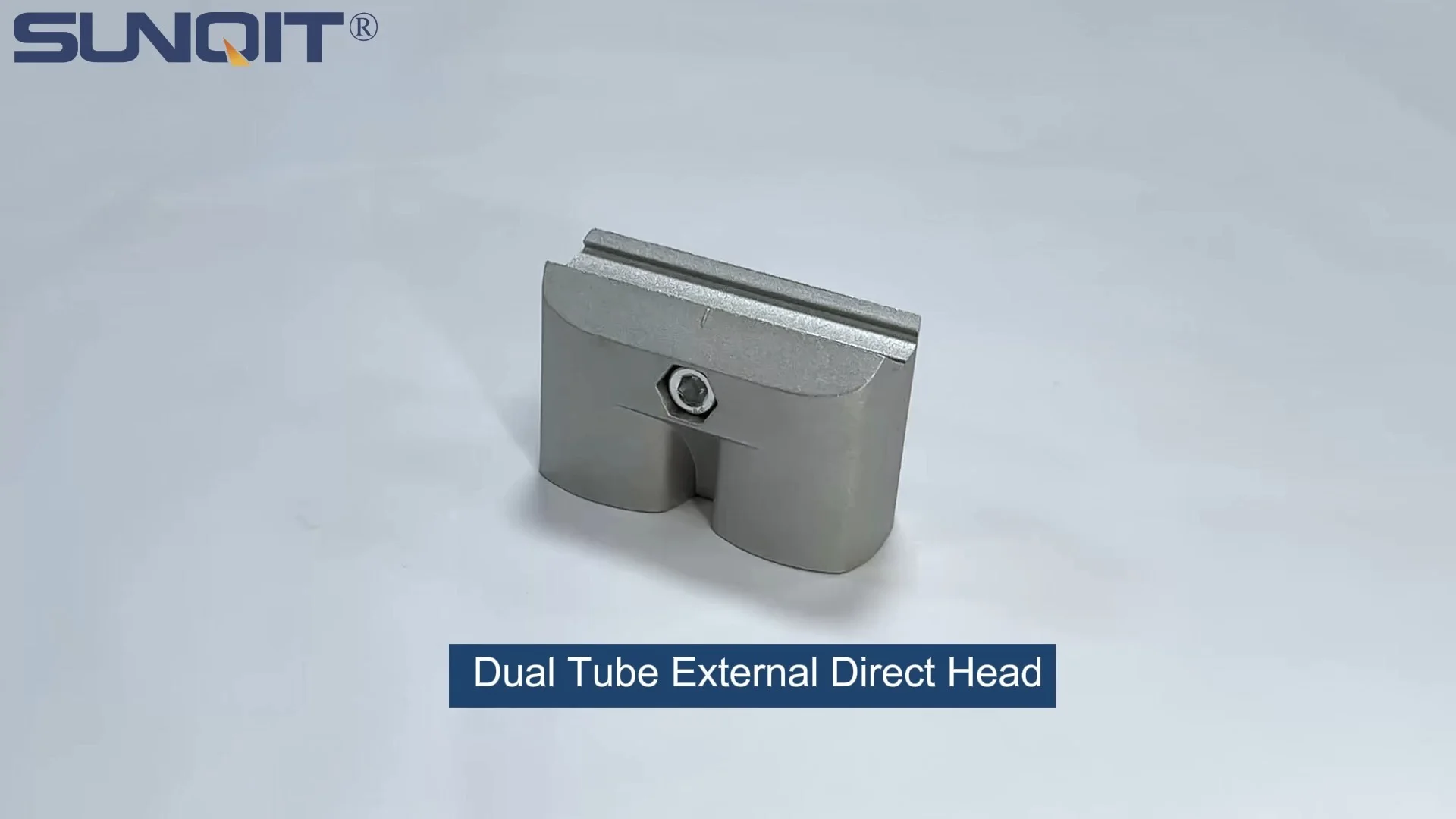
The unsung heroes connecting efficiency and durability in modern manufacturing
Walk through any bustling manufacturing plant, and you'll see them everywhere—workbenches that adjust to fit a technician's height, flow racks that glide components to assembly lines, and turnover trolleys that carry heavy loads with ease. What holds these structures together? More often than not, it's the duplex aluminum pipe joint: a small but mighty component that turns basic aluminum pipes into flexible, functional systems. These joints are the backbone of lean systems, allowing factories to adapt quickly to changing production needs without rebuilding from scratch.
But not all duplex aluminum pipe joints are created equal. The materials used to make them directly impact how well they perform—how much weight they can support, how long they last in harsh factory environments, and how easily they can be reconfigured. In this article, we'll dive into the most common materials that go into crafting these essential connectors, exploring why each is chosen, what makes them unique, and how they contribute to the reliability of everything from a simple workbench to a complex conveyor system.
The Building Blocks: Key Materials in Duplex Aluminum Pipe Joints
1. Aluminum Alloys: The Core of the Joint
When you think of a duplex aluminum pipe joint, the first material that comes to mind is aluminum—and for good reason. Aluminum alloys are the primary material here, chosen for their unbeatable combination of strength, light weight, and versatility. Two alloys stand out in particular: 6061 and 6063.
6061 Aluminum Alloy is often called the "workhorse" of the industry. Blended with magnesium and silicon, it boasts impressive tensile strength (around 310 MPa) and excellent machinability. This means manufacturers can shape it into intricate joint designs—like the internal rotary aluminum joint or parallel aluminum joint a—without compromising its structural integrity. In practical terms, this translates to joints that can handle the daily grind of a factory floor: supporting heavy material racks (think material rack b with 3 rows and 3 floors) or staying stable under the constant movement of roller tracks.
Then there's 6063 Aluminum Alloy , prized for its smooth finish and corrosion resistance. While slightly less strong than 6061, it's more malleable, making it ideal for joints that need a sleek, uniform look—like those used in cleanroom environments or visible workbench setups. Its natural resistance to rust also means it holds up well in humid or dusty conditions, a common scenario in food processing or automotive plants.
What truly makes aluminum alloys indispensable, though, is their weight-to-strength ratio. A duplex aluminum pipe joint made from 6061 weighs about 2.7 grams per cubic centimeter—less than half the weight of steel—yet can support loads up to 500 kg when paired with the right aluminum pipe. This lightness is a game-changer for lean systems, where quick reconfiguration (moving a workbench or adjusting a flow rack) saves time and labor.
2. Stainless Steel: The Reinforcement for Tough Conditions
While aluminum forms the bulk of the joint, stainless steel often steps in to add strength where it matters most. Think of it as the "reinforcement bar" in concrete—small in proportion but critical for durability. Stainless steel components like screws, pins, and internal connectors are common in duplex aluminum pipe joints, especially in applications where corrosion resistance is non-negotiable.
304 Stainless Steel is the go-to here. With 18% chromium and 8% nickel, it forms a protective oxide layer that fights off rust, even when exposed to moisture or chemicals. This makes it perfect for joints used in pharmaceutical labs or marine manufacturing facilities, where a single rusted pin could compromise an entire assembly line. Imagine a roller track in a seafood processing plant: the constant exposure to water and salt would quickly degrade regular steel, but 304 stainless steel components keep the joint moving smoothly for years.
For even harsher environments—like factories dealing with acids or heavy industrial solvents— 316 Stainless Steel takes over. Adding molybdenum to the mix gives it enhanced corrosion resistance, making it a favorite for offshore manufacturing or chemical processing plants. While pricier than 304, the cost is justified by reduced maintenance and longer lifespans.
Stainless steel also shines in high-wear areas. Take the swivel roller balls (1 inch or 0.5 inch) often found in flow racks: their stainless steel cores ensure smooth rotation even after thousands of cycles, preventing the jams that slow down production. In duplex aluminum pipe joints, stainless steel components act as the "hinges" that keep the system flexible without sacrificing strength.
3. Reinforced Nylon: Lightweight Strength for Dynamic Parts
Not all critical components in a duplex aluminum pipe joint are metal. Reinforced nylon—nylon blended with fibers like glass or carbon—has carved out a niche as a go-to material for parts that need to be lightweight, flexible, and resistant to impact.
One of its most common uses is in joint collars and locking mechanisms . When you adjust a workbench or reposition a flow rack, the nylon parts absorb the shock of tightening or loosening, preventing metal-on-metal wear. This is especially important for lean systems, where frequent reconfiguration is part of the daily routine. A plant manager once told me their team used to spend hours replacing metal collars that had worn down from constant adjustments; switching to reinforced nylon cut that maintenance time by 70%.
Reinforced nylon also excels in noise reduction . In busy factories, the clanging of metal parts can be deafening. Nylon components muffle these sounds, creating a quieter workspace—something workers appreciate at the end of a long shift. Plus, its natural resistance to oils and chemicals means it won't degrade when exposed to lubricants used on roller tracks or conveyor systems.
Don't let its "plastic" reputation fool you, though. High-grade reinforced nylon can have a tensile strength of up to 80 MPa—strong enough to hold a 50 kg load without cracking. It's the reason you'll find it in everything from caster accessories (to dampen vibrations) to the plastic roller track guide rails (yellow or grey) that keep products sliding smoothly along assembly lines.
4. Polypropylene: The Unsung Hero of Non-Metallic Parts
Polypropylene (PP) is another non-metallic material that plays a quiet but crucial role in duplex aluminum pipe joint production. Known for its chemical resistance and low cost, it's often used for gaskets , bushings , and end caps —the small parts that keep the joint functioning smoothly.
Take the plastic pipe end cap, for example. Slid over the end of an aluminum pipe before attaching a joint, it creates a barrier that prevents dust, debris, and moisture from seeping into the connection. In a factory with sawdust or metal shavings in the air, this simple PP cap can extend the life of a joint by years by stopping corrosion from the inside out.
Polypropylene also excels in electrical insulation . In ESD workstations (where static electricity can damage sensitive electronics), PP bushings between metal components prevent electrical conductivity, keeping products safe. Its low friction coefficient is another plus: PP washers between a joint and an aluminum pipe reduce wear during movement, ensuring the joint stays tight longer.
Perhaps best of all, PP is lightweight and easy to mold, making it cost-effective for high-volume production. This affordability doesn't come at the expense of durability, though—good quality PP can withstand temperatures from -20°C to 100°C, making it suitable for both cold storage facilities and warm manufacturing plants.
How Do These Materials Stack Up? A Quick Comparison
| Material | Key Strengths | Best For | Limitations |
|---|---|---|---|
| 6061 Aluminum Alloy | High strength (310 MPa), machinable, lightweight | Heavy-duty joints (material rack b, workbench E) | Less corrosion-resistant than 6063 |
| 304 Stainless Steel | Rust-resistant, durable, high wear resistance | Wet/dusty environments, roller balls, pins | Heavier than aluminum; higher cost |
| Reinforced Nylon | Lightweight, impact-resistant, noise-dampening | Collars, locking mechanisms, caster accessories | Lower heat resistance than metal |
| Polypropylene | Chemical-resistant, insulating, low cost | Gaskets, end caps, ESD workstation components | Lower tensile strength than nylon |
Each material brings something unique to the table, and the best duplex aluminum pipe joints often combine two or more to balance performance and cost. For example, a joint might use 6063 aluminum for the body, 304 stainless steel for the pin, and reinforced nylon for the collar—creating a connector that's strong, rust-resistant, and easy to adjust.

Choosing the Right Material: What Matters Most?
Selecting materials for a duplex aluminum pipe joint isn't just about picking the strongest or cheapest option. It's about matching the material to the job. Here are the key factors manufacturers and plant managers consider:
1. Environment
A joint used in a dry, temperature-controlled electronics factory has different needs than one in a humid seafood processing plant. In wet or corrosive environments, stainless steel components are a must to prevent rust. For cleanrooms, 6063 aluminum with a smooth finish is preferred to avoid trapping dust. And in ESD-sensitive areas, polypropylene or nylon insulators are non-negotiable.
2. Load Capacity
How much weight will the joint support? A material rack b (3 rows, 3 floors) loaded with heavy components needs the high tensile strength of 6061 aluminum. A lightweight workbench, on the other hand, might use 6063 aluminum to save on weight and cost. Reinforced nylon is great for moderate loads but isn't the best choice for anything over 100 kg.
3. Frequency of Reconfiguration
Lean systems thrive on flexibility. If a joint will be adjusted daily (like a workbench height or flow rack angle), reinforced nylon collars reduce wear and make adjustments smoother. Stainless steel pins might be overkill here—save them for joints that stay in place for months at a time.
4. Cost vs. Longevity
Stainless steel and high-grade aluminum alloys cost more upfront, but they last longer in tough conditions. For a factory planning to use the same setup for years, the investment pays off in lower replacement costs. For short-term projects or low-load applications, polypropylene or standard aluminum might be the more budget-friendly choice.

Looking Ahead: The Future of Duplex Aluminum Pipe Joint Materials
As manufacturing evolves, so do the materials used in duplex aluminum pipe joints. Here are a few trends to watch:
- Recycled Aluminum Alloys: With sustainability becoming a priority, suppliers are increasingly using recycled aluminum (up to 70% in some cases) without sacrificing strength. This reduces the carbon footprint of production while keeping costs competitive.
- Composite Materials: Lab tests are underway on carbon fiber-reinforced aluminum, which could offer even higher strength-to-weight ratios. Imagine a joint that's as strong as steel but as light as standard aluminum—perfect for aerospace or automotive manufacturing where every gram counts.
- Smart Materials: Some innovators are experimenting with "self-healing" polymers for nylon components. These materials can repair small cracks when exposed to heat or UV light, extending the life of joints in hard-to-reach places.
At the end of the day, though, the core principles remain the same: the best duplex aluminum pipe joint materials are those that balance strength, durability, and practicality. Whether it's a 6061 aluminum body holding up a material rack or a polypropylene cap keeping dust out, each material plays a role in keeping our factories running smoothly.

The Bottom Line: Materials That Make the Difference
Duplex aluminum pipe joints may be small, but their impact on manufacturing efficiency is huge. The materials used to make them—aluminum alloys, stainless steel, reinforced nylon, and polypropylene—determine whether a workbench wobbles or stays steady, whether a flow rack jams or glides, and whether a factory can adapt to change or gets stuck in the past.
Next time you walk through a plant, take a closer look at those unassuming joints. Chances are, they're working hard behind the scenes, made from materials chosen with care to keep the world of lean manufacturing moving forward.