- Company Articles
- Products and Technology
- Product knowledge
- Common Misconceptions About 60 Steel Roller Track Small Wheel Load Limits

Common Misconceptions About 60 Steel Roller Track Small Wheel Load Limits
Related Product
60 Steel Roller Track Small Wheel
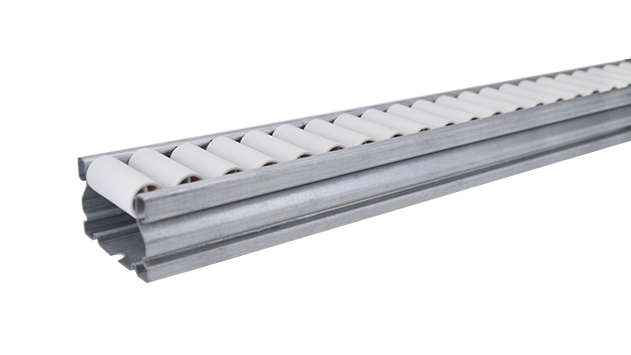
Modular system roller tracks aluminum gravity roller tracks are an excellent solution for transporting materials within industrial environments, warehouses and distribution centres.
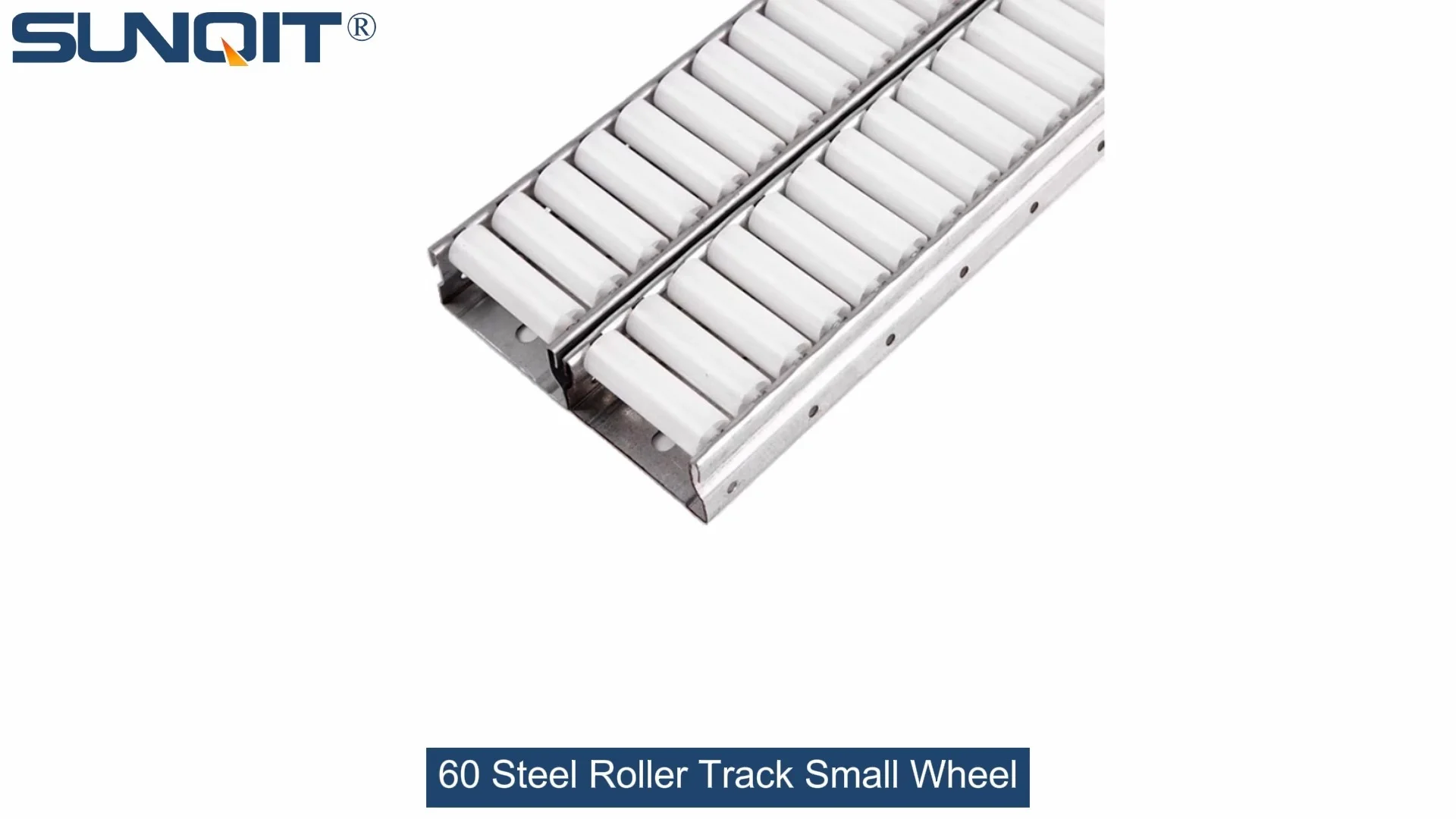
When it comes to building efficient material handling systems in manufacturing and logistics, roller tracks and conveyors are the backbone of lean operations. The 60 steel roller track small wheel is a critical component in many lean systems, used in everything from flow racks to automated assembly lines. However, there are several widespread misconceptions about its load limits that can lead to inefficiencies, equipment damage, and even safety hazards. In this article, we'll debunk these myths and provide clear, practical guidance to help you make informed decisions about using this component.
Misconception 1: "The Load Limit Is Just Per Wheel—Multiply by Number of Wheels for Total Capacity"
One of the most common mistakes people make is assuming that the load limit specified for a single 60 steel roller track small wheel can simply be multiplied by the number of wheels in a track section to get the total weight capacity. This oversimplification ignores several key factors that affect how weight is distributed and supported.
First, weight distribution matters a lot. If the load is concentrated on a small area of the track, even if the total weight is under the calculated "total capacity," the pressure on individual wheels in that area could exceed their limit. For example, a heavy box placed off-center on a roller track might rest on only 2-3 wheels instead of the full set, leading to overloading those wheels.
Second, wheel spacing plays a role. If wheels are spaced too far apart, a long load might bridge between wheels, creating additional stress on the track structure itself, not just the wheels. The track's own rigidity and the material it's made of also influence how much weight it can support when wheels are spaced differently.
Third, dynamic vs. static load differences come into play here too (we'll dive deeper into this later). Even if the static load seems okay when calculated this way, moving the load (especially with acceleration or deceleration) can increase the force on individual wheels beyond their dynamic capacity.
Let's take an example: Suppose a 60 steel roller track small wheel has a static load limit of 50 kg. A track section has 10 wheels. If someone assumes total capacity is 500 kg, but a 400 kg load is placed such that only 6 wheels are bearing the weight, each wheel is under ~66.7 kg, which exceeds the 50 kg limit. This could lead to wheel deformation or failure.
Misconception 2: "All 60 Steel Roller Track Small Wheels Have the Same Load Limit"
Another prevalent myth is that every manufacturer's 60 steel roller track small wheel has identical load limits. This couldn't be further from the truth. The load capacity of these wheels depends on multiple variables that vary between manufacturers and even between batches from the same manufacturer.
Material quality is a major factor. Not all steel is created equal—different grades of steel have different tensile strengths and yield points. A wheel made from high-carbon steel that's been properly heat-treated will have a higher load limit than one made from low-grade steel without any heat treatment.
Manufacturing processes also impact load capacity. Precision machining ensures that the wheel's dimensions are consistent, which helps distribute load evenly. Wheels with rough edges or uneven surfaces may not roll smoothly, leading to uneven load distribution and reduced effective capacity. Welding quality (if applicable) and the way the wheel is attached to the axle can also affect how much weight it can bear.
Design differences are another key variable. Some wheels have thicker rims, while others have reinforced hubs. The shape of the wheel (e.g., flat vs. slightly curved) can influence how it interacts with the track, affecting load distribution. Even small design changes like the size of the axle hole or the type of bearing used can alter the load limit.
To illustrate this, let's compare two 60 steel roller track small wheels from different manufacturers. Manufacturer A uses S45C steel with quenching and tempering, resulting in a static load limit of 60 kg. Manufacturer B uses Q235 steel without heat treatment, giving a static load limit of only 35 kg. Using Manufacturer B's wheel in an application that requires 50 kg per wheel would be a disaster.
Misconception 3: "Static Load Limit Equals Dynamic Load Limit"
Many users confuse static load limit with dynamic load limit, assuming they are the same. This is a dangerous mistake because these two values represent very different scenarios, and using the wrong one can lead to equipment failure.
Static load limit refers to the maximum weight a wheel can support without deformation when it's not moving. The load is evenly distributed, and there's no movement or vibration. Dynamic load limit, on the other hand, is the maximum weight a wheel can handle when it's in motion. This includes factors like acceleration, deceleration, vibration, and shock from uneven surfaces or sudden stops.
Dynamic loads are typically lower than static loads because movement introduces additional forces. For example, when a load starts moving, acceleration adds force to the wheels (F = ma). When it stops, deceleration does the same. Vibration from uneven surfaces or the conveyor's motor also contributes to dynamic forces. These additional forces mean that the wheel has to withstand more stress than just the static weight of the load.
For example, if a 50 kg load is accelerated at 2 m/s², the additional force is F = 50 kg * 2 m/s² = 100 N (about 10.2 kg). So the total force on the wheels is 50 kg + 10.2 kg = 60.2 kg. If the dynamic load limit is 55 kg, this would exceed it, even though the static load is 50 kg.
Let's look at a typical specification: A 60 steel roller track small wheel might have a static load limit of 70 kg and a dynamic load limit of 45 kg. If a user uses the static limit (70 kg) for a conveyor system where loads are moving at 0.5 m/s, they're overloading the wheels by 25 kg per wheel, which will lead to premature wear, wheel deformation, or even sudden failure during operation.

Misconception 4: "Environmental Conditions Don't Affect Load Limits"
Many people don't consider that environmental factors can significantly reduce the load capacity of 60 steel roller track small wheels over time. The load limit specified by the manufacturer is usually under ideal conditions—room temperature, dry environment, no corrosion. But real-world applications often have less-than-ideal conditions.
Temperature is a key factor. Extreme heat can soften the steel, reducing its tensile strength and yield point. For example, if the wheel is used in a foundry where temperatures reach 100°C or higher, its load capacity might drop by 10-20% compared to room temperature. Conversely, extreme cold can make the steel more brittle, increasing the risk of cracking under load.
Humidity and corrosion are other major issues. If the wheel isn't properly coated or made from stainless steel (though most 60 steel roller track small wheels are carbon steel), exposure to moisture can lead to rust. Rust weakens the steel by creating pits and reducing the cross-sectional area of the wheel. Over time, this can lower the load limit significantly. Even a small amount of rust can compromise the wheel's structural integrity.
Dust and debris can also affect load limits indirectly. If dust accumulates between the wheel and the track, it can cause friction, leading to uneven rolling and increased stress on the wheel. This can make the dynamic load limit effectively lower because the wheel has to work harder to move the load.
For instance, a 60 steel roller track small wheel used in a humid warehouse without proper corrosion protection might start to rust after 6 months. Its load limit could drop from 50 kg to 35 kg due to rust damage. If the user continues to use it at the original 50 kg limit, the wheel could break, causing the load to fall off the track.
Misconception 5: "Overloading a Little Is Okay Occasionally"
The final misconception we'll address is the idea that "just a little overloading now and then won't hurt." This is a risky attitude because even minor overloading can cause cumulative damage that leads to sudden failure later.
When a wheel is overloaded, even slightly, it experiences plastic deformation. Unlike elastic deformation (which reverses when the load is removed), plastic deformation is permanent. Over time, repeated minor overloading can cause the wheel to become misshapen, leading to uneven rolling, increased friction, and further stress on the wheel and track.
Overloading also accelerates wear and tear on the wheel's bearings (if it has them). Bearings are designed to handle a certain amount of load; exceeding that leads to increased friction, heat generation, and premature bearing failure. A failed bearing can cause the wheel to seize up, stopping the conveyor or flow rack abruptly, which could damage the load or the entire system.
Safety is another big concern here. If a wheel fails while a load is moving, the load could fall off the track, potentially injuring workers nearby. In industries like manufacturing or logistics where heavy loads are common, this risk is even higher.
Let's consider a scenario: A user occasionally overloads a 60 steel roller track small wheel by 10% (from 50 kg to 55 kg) once a week. After a few months, the wheel has developed a small dent from the repeated overloading. One day, when moving a 50 kg load (within the original limit), the dent causes the wheel to catch on the track, leading to a sudden stop. The load shifts and falls off, damaging expensive equipment below.
How to Correctly Determine Load Limits for 60 Steel Roller Track Small Wheels
Now that we've debunked these common misconceptions, let's talk about how to properly determine the load limits for your application:
- Check the manufacturer's specifications carefully: Look for both static and dynamic load limits, and make sure you understand the conditions under which these limits apply (temperature, environment, etc.).
- Consider your application type: If it's a static application (like a flow rack where loads are stored), use the static load limit. If it's dynamic (conveyor, moving parts), use the dynamic load limit.
- Account for load distribution: Ensure the load is spread evenly across as many wheels as possible. If the load is irregularly shaped, calculate the maximum weight each wheel might bear and make sure it's under the dynamic/static limit.
- Factor in environmental conditions: If your application is in a harsh environment (high temp, humidity, dust), choose wheels with appropriate coatings or materials (like stainless steel) and adjust the load limit downward if necessary.
- Don't overload: Always stay within the specified limits, even if it seems like "just a little" over is okay. It's better to use more wheels or a higher-capacity wheel than to risk failure.
Summary of Common Misconceptions and Truths
| Misconception | Truth |
|---|---|
| Multiply per-wheel load limit by number of wheels for total capacity | Weight distribution, spacing, dynamic load affect total capacity; calculation is not linear |
| All 60 steel roller track small wheels have same load limit | Material quality, manufacturing, design vary; load limits differ by manufacturer |
| Static load limit = dynamic load limit | Dynamic load (moving) is lower than static; use correct limit for application |
| Environmental conditions don't affect load limits | Temp, humidity, corrosion reduce load capacity over time |
| Occasional minor overloading is okay | Causes permanent damage, leads to sudden failure; never overload |
Deep Dive: Static vs. Dynamic Load Limits
To further clarify the difference between static and dynamic load limits, let's look at the engineering behind these values. Static load is the maximum weight a wheel can support without deformation when it's not moving. This is determined by testing the wheel under a constant weight until it shows signs of plastic deformation.
Dynamic load, however, is more complex. It includes the forces from movement: when a load starts moving, acceleration adds force to the wheels (F = ma). When it stops, deceleration does the same. Vibration from uneven surfaces or the conveyor's motor also contributes to dynamic forces. These additional forces mean that the wheel has to withstand more stress than just the static weight of the load.
Another factor in dynamic load is fatigue. Repeated movement and vibration can cause metal fatigue in the wheel, which reduces its load capacity over time. Metal fatigue is the process where repeated stress leads to cracks, even if the stress is below the static yield point. This is why dynamic load limits are often lower than static ones—they account for the cumulative effect of repeated dynamic stresses.
Case Study: The Cost of Ignoring Load Limits
Let's look at a real-world example (anonymized) of what happens when these misconceptions are ignored. A manufacturing plant was using 60 steel roller track small wheels in their conveyor system for moving heavy metal parts. The plant manager assumed that the static load limit of 60 kg per wheel was the same as the dynamic limit, and calculated total capacity by multiplying the number of wheels.
One day, a batch of parts weighing 400 kg was placed on a conveyor section with 8 wheels. The manager thought 8*60=480 kg was enough, but the parts were moving, so the dynamic load limit of 45 kg per wheel applied. Each wheel was under 50 kg (400/8), which exceeded the dynamic limit. After a few minutes of movement, several wheels deformed, causing the conveyor to jam. The parts fell off, damaging the conveyor belt and the parts themselves. The plant had to shut down production for 2 hours to repair the conveyor, costing them thousands of dollars in lost productivity and damaged goods.
After this incident, the plant revised their procedures: they now use the dynamic load limit for all moving applications, calculate the maximum load per wheel considering distribution, and conduct regular inspections of the wheels to check for wear and tear.
Choosing the Right 60 Steel Roller Track Small Wheel for Your Needs
When selecting 60 steel roller track small wheels, here are some additional tips:
- Look for quality certifications: Wheels that meet ISO or other industry standards are more likely to have consistent load limits and quality.
- Ask for test reports: Reputable manufacturers should be able to provide test reports showing the static and dynamic load limits of their wheels.
- Consider maintenance: Choose wheels that are easy to clean and maintain, especially if your application is in a dusty or humid environment.
- Consult an expert: If you're unsure about the load limits for your specific application, talk to a lean system or conveyor expert who can help you calculate the correct capacity.
The Role of 60 Steel Roller Track Small Wheels in Lean Systems
Lean systems are all about efficiency, waste reduction, and continuous improvement. Roller tracks and conveyors are key components in lean operations because they help streamline material handling, reduce manual labor, and improve workflow.
The 60 steel roller track small wheel is particularly useful in lean systems because it's durable, cost-effective, and versatile. It can be used in flow racks to ensure parts are easily accessible (first-in, first-out), in conveyors to move parts between workstations, and in other lean equipment. By understanding the load limits of these wheels, you can design lean systems that are both efficient and safe.
For example, in a 3C assembly line (a common application for lean systems), 60 steel roller track small wheels are used in conveyors to move phone or laptop parts between stations. If the load limits are misunderstood, the conveyor could fail, leading to delays in production and increased waste (since parts might be damaged).
In warehouse logistics, these wheels are used in flow racks to store boxes of goods. Proper load limit calculation ensures that the flow rack can hold the boxes without collapsing, keeping the warehouse organized and efficient.
Final Thoughts
The 60 steel roller track small wheel is an essential component in lean systems, conveyors, and flow racks, but understanding its load limits correctly is crucial for safety and efficiency. By debunking these common misconceptions—from oversimplifying load calculation to ignoring environmental factors—we hope you can make more informed decisions when using this component.
Remember, load limits aren't just numbers on a spec sheet; they're guidelines based on engineering principles and real-world testing. Taking the time to understand these limits and apply them correctly will help you avoid equipment damage, reduce downtime, and keep your operations running smoothly.
Whether you're setting up a new conveyor system, optimizing a flow rack, or maintaining existing lean equipment, always prioritize proper load limit calculation. Your workers' safety and your business's productivity depend on it.