- Company Articles
- Products and Technology
- Installation And Maintenance
- Common Mistakes to Avoid When Installing 38 Aluminum Roller Track Black

Common Mistakes to Avoid When Installing 38 Aluminum Roller Track Black
Related Product
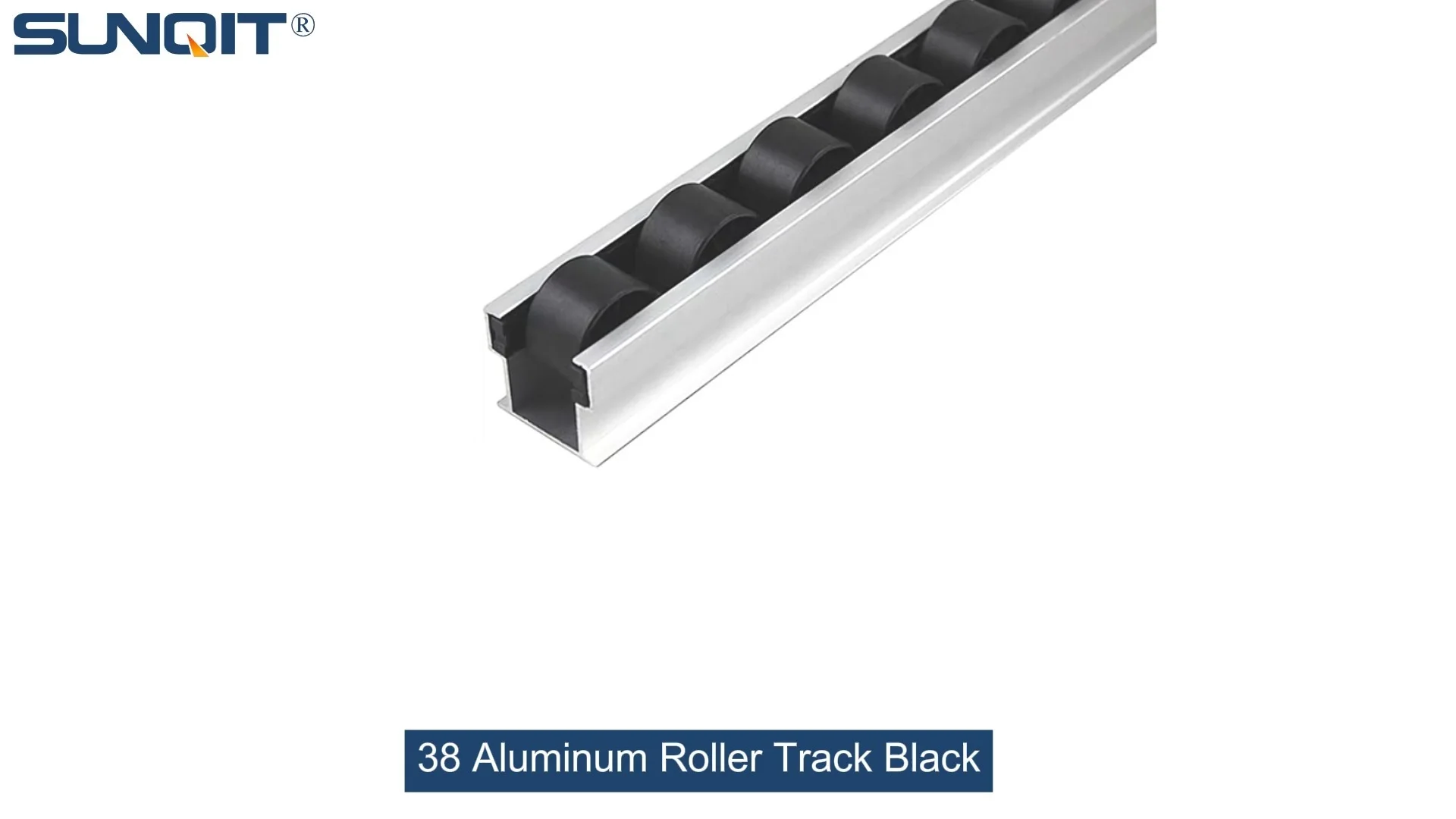
38 Aluminum Roller Track Black
Durable and smooth-running modular roller rails. The system is fully assembled. The roller rail profile contains plastic rollers mounted on steel axles. Aluminum frame with plastic wheel make it anti corrosion,and material convey more smooth.
Common Mistakes to Avoid When Installing 38 Aluminum Roller Track Black
Why 38 Aluminum Roller Track Black Matters
If you've ever worked in a warehouse, production line, or even a small workshop, you know how crucial smooth material flow is. The 38 Aluminum Roller Track Black is one of those unsung heroes—sleek, durable, and designed to handle everything from small electronic parts to heavier metal components. It's a staple in flow racks, conveyors, and workstations across industries like 3C assembly, medical device manufacturing, and warehouse logistics. What makes it stand out? Its black anodized finish gives it corrosion resistance, so it holds up well in busy, dusty environments. Plus, it's easy to install and modify, aligning perfectly with lean manufacturing principles that prioritize adaptability. But here's the catch: install it wrong, and you'll end up with jams, slowdowns, and even safety hazards that disrupt your entire operation. Let's dive deep into the most common mistakes people make when setting up this roller track, and how to fix them so you can get the most out of your investment.
Mistake 1: Skipping Surface Leveling Before Installation
Let's start with the basics—surface leveling. You'd be surprised how many people skip this step, thinking it's unnecessary. A friend of mine who runs a small e-commerce warehouse once installed 38 Aluminum Roller Track Black on a flow rack without checking the base level. For weeks, their team had to manually push boxes down the track because they kept getting stuck halfway. They blamed the track manufacturer, even considering returning all the units, until a maintenance worker suggested checking the base. Turns out, one side of the flow rack was 5mm lower than the other—just enough to throw off the gravity-driven flow. After adjusting the adjustable leveling feet to even out the base, the boxes rolled smoothly without any extra effort.
Roller tracks rely on a consistent incline (or gentle pushing) to move items. If the surface is tilted too much, items will zoom down too fast, risking damage or spills. If it's not tilted enough, or if it's uneven, items will stall. Even a tiny discrepancy in level can cause big problems. So what's the right way to do it? Grab a spirit level and check the base from front to back and left to right. Adjust each adjustable leveling foot until the bubble stays centered in all directions. Don't rush this—taking an extra 10 minutes here can save you hours of frustration later.
Mistake 2: Using the Wrong Roller Track Connector
You might think, "A connector is just a piece of metal that holds things together—any will do." But that's a dangerous assumption. Using the wrong roller track connector for your 38 Aluminum Roller Track Black is like trying to fit a square peg into a round hole. Let's take an example from a production line I consulted with: the manager used connectors meant for 40mm tracks on their 38mm roller track. At first, everything seemed fine, but within a month, the track started wobbling. One day, a box of small circuit boards fell off the track, scattering parts everywhere. The team had to stop production for an hour to clean up and fix the track. The solution? Replacing the mismatched connectors with roller track placon mount connectors—specifically designed for 38mm tracks. After that, the track stayed stable, and there were no more accidents.
The key here is to always check compatibility. Look for connectors that explicitly state they work with 38mm aluminum roller tracks. When attaching them, tighten the screws evenly—don't over-tighten (you'll strip the threads) or under-tighten (the track will loosen). A good rule of thumb: turn the screw until it's snug, then give it a quarter turn more. This ensures a secure fit without damaging the parts.
Mistake 3: Misaligning Roller Tracks with Aluminum Guide Rails
Aluminum guide rails are the unsung guardians of your roller track system. They keep items from sliding off the sides and ensure a straight path. But if you align them incorrectly with your 38 Aluminum Roller Track Black, you'll run into a world of trouble. I remember a 3C assembly plant where the team installed guide rails too close to the track. When they tried to move phone cases down the line, the cases got stuck between the rails—causing a backlog that delayed production for an entire shift. After repositioning the rails to the correct distance (slightly wider than the phone cases), the line ran smoothly again.
How to get alignment right? First, use a straightedge to line up the guide rails with the roller track. Measure the distance between the rails at three points: the start, middle, and end of the track. This ensures the rails are parallel. The ideal distance between the rails should be 1-2mm wider than the items you're moving—enough to let them pass easily but not so wide that they can slide off. Also, check the height of the guide rails: they should be just high enough to keep items on track without touching the bottom of the product (which would create friction and slow things down).
Mistake 4: Overloading the Track Beyond Its Weight Capacity
Why Weight Limits Matter
The 38 Aluminum Roller Track Black is durable, but it's not indestructible. Every track has a weight limit—usually around 50kg per meter for standard models. Overloading it can cause the rollers to bend, the track to warp, or even the entire structure to collapse. Let's talk about a medical device manufacturer that made this mistake: they used their 38mm roller track to move heavy stainless steel parts (each weighing 60kg) even though the track's limit was 50kg per meter. After a few months, the rollers started to deform, and the track warped so much that it was unusable. Replacing the track cost them thousands of dollars and downtime.
To avoid this, always check the product specs before loading items. If you need to move heavier items, consider upgrading to a reinforced track or adding extra supports (like more roller track connectors) to spread the load. Also, distribute the weight evenly across the track—don't pile all the heavy items in one spot. For example, if you're moving 10kg boxes, place them every 30cm along the track instead of stacking them in one area. This reduces stress on individual rollers and extends the track's lifespan.
Mistake 5: Neglecting Regular Maintenance
Installing the track correctly is only half the battle—maintenance is the other half. A logistics company I worked with neglected to clean their 38 Aluminum Roller Track Black for six months. Dust and debris built up in the roller bearings, causing them to seize. One day, their flow rack system stopped working entirely. They had to shut down operations for a day to clean all the tracks and lubricate the rollers. The lesson here: regular maintenance is non-negotiable.
So what's a good maintenance routine? Here's a simple plan:
1. Monthly Cleaning: Wipe down the track with a dry cloth to remove dust and debris. For stubborn dirt, use mild soap and water (avoid harsh chemicals—they'll damage the anodized finish).
2. Quarterly Lubrication: Apply a small amount of silicone oil to the roller bearings. This keeps them rolling smoothly and prevents rust.
3. Quarterly Inspection: Check all roller track connectors and screws to make sure they're tight. replace any worn or damaged parts immediately.
4. Annual Deep Clean: Disassemble the track (if possible) and clean each roller individually. This removes any hidden dust or debris that's accumulated over time.
1. Monthly Cleaning: Wipe down the track with a dry cloth to remove dust and debris. For stubborn dirt, use mild soap and water (avoid harsh chemicals—they'll damage the anodized finish).
2. Quarterly Lubrication: Apply a small amount of silicone oil to the roller bearings. This keeps them rolling smoothly and prevents rust.
3. Quarterly Inspection: Check all roller track connectors and screws to make sure they're tight. replace any worn or damaged parts immediately.
4. Annual Deep Clean: Disassemble the track (if possible) and clean each roller individually. This removes any hidden dust or debris that's accumulated over time.
Quick Reference Table: Mistakes & Fixes
| Common Mistake | Why It's a Problem | Proven Fix |
|---|---|---|
| Not leveling the base before installation | Items stall or veer off track; increases manual labor | Use adjustable leveling feet and spirit level to ensure base is even |
| Using mismatched roller track connectors | Track wobbles; items fall off; production delays | Choose connectors designed for 38mm tracks (e.g., roller track placon mount) |
| Misaligning aluminum guide rails | Items get stuck or slide off; backlogs | Use straightedge to align rails; measure distance at 3+ points |
| Overloading beyond weight capacity | Rollers bend; track warps; structural damage | Check specs; distribute load evenly; use reinforced tracks for heavy items |
| Neglecting maintenance | Rollers seize; track wears out prematurely; downtime | Clean monthly, lubricate quarterly, inspect regularly |
Step-by-Step Correct Installation Guide
Now that you know what to avoid, let's walk through the correct way to install your 38 Aluminum Roller Track Black:
1. Prepare the Base: Set up your flow rack or workstation frame. Use adjustable leveling feet to ensure it's perfectly level (check with spirit level).
2. Gather Tools & Parts: Collect your 38mm roller track, compatible connectors (roller track placon mount), aluminum guide rails (if needed), screws, and a screwdriver.
3. Attach the Track: Place the roller track on the base. Secure it with connectors—tighten screws evenly (snug + quarter turn).
4. Install Guide Rails: Align rails with the track using a straightedge. Measure distance between rails (1-2mm wider than items). Secure rails with screws.
5. Test the System: Roll a few items down the track to check flow. Adjust leveling feet or rail alignment if needed.
6. Set Maintenance Schedule: Note monthly cleaning and quarterly lubrication dates in your calendar.
1. Prepare the Base: Set up your flow rack or workstation frame. Use adjustable leveling feet to ensure it's perfectly level (check with spirit level).
2. Gather Tools & Parts: Collect your 38mm roller track, compatible connectors (roller track placon mount), aluminum guide rails (if needed), screws, and a screwdriver.
3. Attach the Track: Place the roller track on the base. Secure it with connectors—tighten screws evenly (snug + quarter turn).
4. Install Guide Rails: Align rails with the track using a straightedge. Measure distance between rails (1-2mm wider than items). Secure rails with screws.
5. Test the System: Roll a few items down the track to check flow. Adjust leveling feet or rail alignment if needed.
6. Set Maintenance Schedule: Note monthly cleaning and quarterly lubrication dates in your calendar.
Final Thoughts
Installing 38 Aluminum Roller Track Black doesn't have to be a headache. By avoiding these five common mistakes—skipping leveling, using wrong connectors, misaligning guide rails, overloading, and neglecting maintenance—you can ensure your track works smoothly for years. Remember, the key is to take your time during installation and stay consistent with maintenance. Whether you're using it in a flow rack for warehouse storage or a conveyor for production, a well-installed roller track will make your work easier and more efficient.
So next time you're setting up your 38 Aluminum Roller Track Black, keep these tips in mind. Your team will thank you for the smoother operations, and your wallet will thank you for avoiding costly repairs and downtime.