- Company Articles
- Products and Technology
- Installation And Maintenance
- Common Mistakes to Avoid with 38 Aluminum Roller Track White with Side Guide

Common Mistakes to Avoid with 38 Aluminum Roller Track White with Side Guide
Related Product
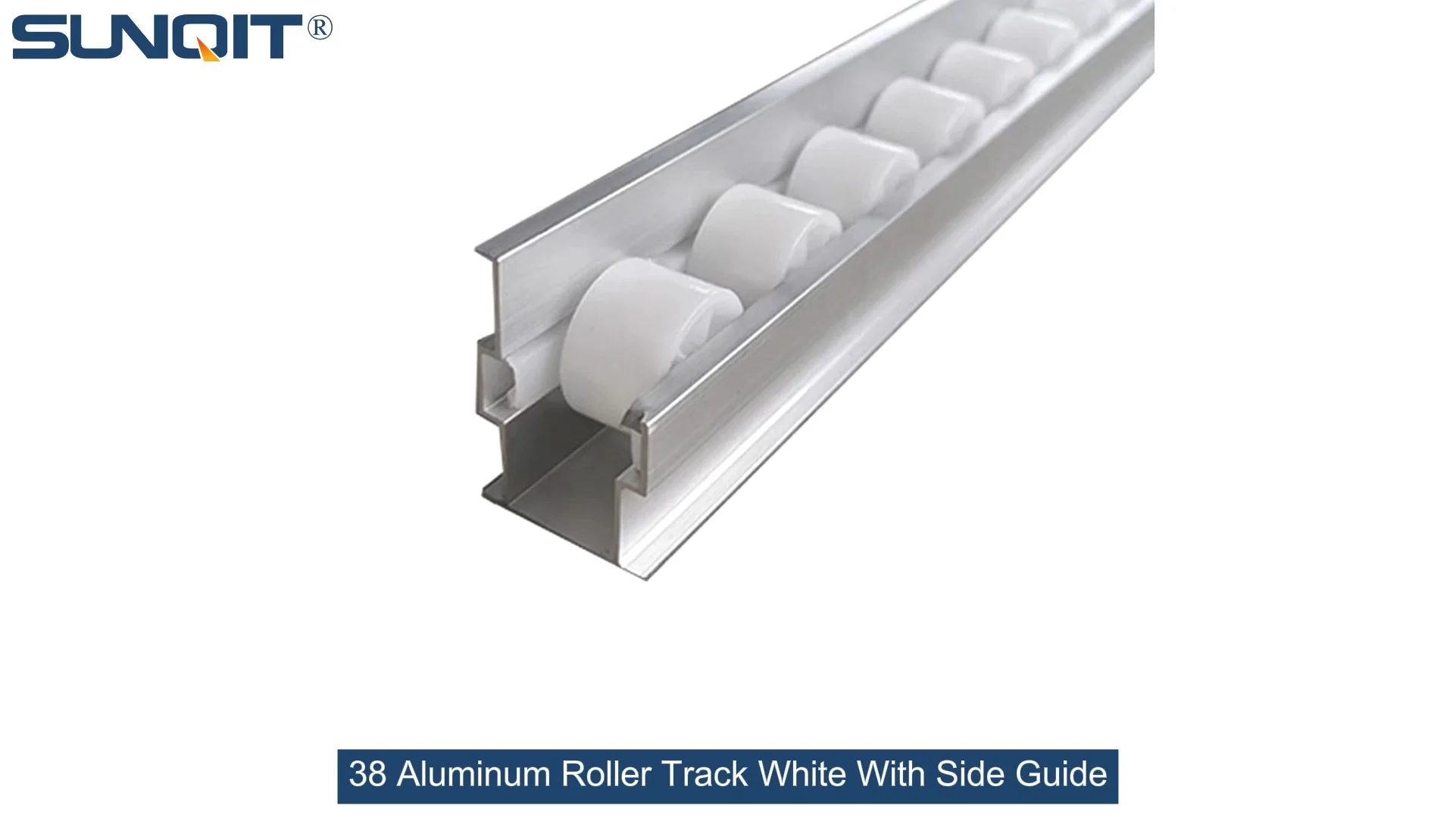
38 Aluminum Roller Track White with Side Guide
Heavy duty roller tracks, aluminum frame with plastic wheel, one side with guide keeps goods and materials on the track to prevent bin move to other direction.Aluminum frame makes the rail ani-corrision when the environment are humid.
Common Mistakes to Avoid with 38 Aluminum Roller Track White with Side Guide
Introduction: The Unsung Hero of Lean Manufacturing
The 38 Aluminum Roller Track White with Side Guide isn't just a strip of metal with rollers—it's a backbone of efficient lean systems, keeping parts moving smoothly through flow racks, conveyors, and production lines. For factories in 3C assembly, medical device manufacturing, or (warehousing and logistics), this track is key to reducing waste and boosting productivity. But even the best tools fail when used wrong. Let's break down the most common mistakes people make with this track and how to steer clear of them.
Mistake 1: Overlooking Load Capacity Limits
One of the easiest traps to fall into is assuming the track can handle more weight than it's designed for. The 38mm white roller track with side guide has precise load limits—skip checking them, and you'll face costly consequences.
Take a small electronics factory that recently set up a flow rack using this track. They started placing heavy circuit boards (8 kg each) on it without reviewing the specs. A week later, rollers began to bend, and the track sagged. One day, a board fell off, hitting a worker's foot—triggering a safety incident and a two-hour production shutdown. The factory spent $1,200 on replacement parts and lost $5,000 in output that day. All this could have been avoided if they'd just checked the track's load capacity: 5 kg per roller and 50 kg per linear meter, as listed in the product manual.
| Track Specification | Details | Impact of Exceeding Limits |
|---|---|---|
| Max Load per Roller | 5 kg | Bent rollers, uneven flow |
| Max Load per Linear Meter | 50 kg | Track sagging, safety hazards |
| Recommended Item Weight | 1–4 kg per unit | Reduced lifespan, frequent breakdowns |
To avoid this mistake, always cross-reference your item weights with the track's specs before installation. If you need to handle heavier loads, opt for a heavy-duty version instead of pushing the white track beyond its limits.
Mistake 2: Improper Installation of Side Guides
Side guides are critical for keeping items aligned on the track—but install them wrong, and you'll create more problems than you solve. Common errors here include misalignment, using incorrect aluminum profile accessories, and loose fasteners.
A 3C assembly line learned this the hard way. They installed the side guides using random bolts from their toolbox instead of the recommended aluminum profile accessories. Within days, the guides wobbled. Every time a smartphone component moved along the track, it rubbed against the guide—leaving scratches and slowing flow. Workers stopped every few minutes to adjust items, cutting daily output by 10%. The line supervisor estimated this mistake cost the factory 20 hours of productive time in one month.
How to get installation right? First, use only the accessories specified by the manufacturer—these are designed to fit the track perfectly. Second, align the guides parallel to the track's length using a level. Third, tighten all fasteners with the correct torque (usually 8–10 Nm) to prevent wobbling. Finally, test the flow with a few items to ensure nothing rubs or gets stuck.
Mistake 3: Neglecting Compatibility with Lean System Components
The 38mm white roller track is meant to work with other lean system parts like flow racks, conveyors, and workstations. Ignore compatibility, and you'll defeat the purpose of lean manufacturing—flexibility and waste reduction.
A medical device plant wanted to integrate this track into their existing conveyor system. They didn't check if the track's height matched the conveyor's. The result? Parts got stuck at the transition point between the track and conveyor. The plant had to spend $800 on adapters and two days of downtime to modify the system. This was a classic case of waste—rework that could have been avoided by consulting the supplier about compatibility upfront.
Another example: A factory used the track with a flow rack that had incompatible supports. When they tried to reconfigure the flow rack for a new product line, the track wouldn't fit the new setup. They had to replace the entire track system, costing $2,000. To avoid this, always plan your lean system as a whole—map out how the track will connect to other components, and ask your supplier for compatibility checks.
Mistake 4: Skipping Regular Maintenance
Roller tracks are workhorses, but they need care to stay efficient. Skipping maintenance leads to dust buildup, stuck rollers, and unexpected downtime.
A warehouse using this track in their flow rack didn't clean it for three months. Dust accumulated between the rollers, making them stick. This slowed down the flow of parts to the production line, leading to a 15% drop in output. When they finally cleaned the track, it took two hours of downtime to get everything back to normal. Regular cleaning (once a week with compressed air) would have prevented this issue entirely.
What else should you do? Lubricate the rollers every three months with a light oil (like silicone oil) to reduce friction. Inspect the track weekly for worn or broken rollers—replace them immediately to avoid further damage. Check the side guides for loose fasteners and tighten them as needed. These small steps will extend the track's lifespan and keep your line running smoothly.
Mistake 5: Using the Track in the Wrong Environment
The 38mm white roller track is designed for dry, clean indoor environments—like 3C assembly lines or medical device factories. Use it in the wrong environment, and you'll face corrosion, stuck rollers, and premature failure.
A small automotive parts factory used this track in a warehouse with no climate control. The warehouse was damp, and over time, the aluminum track started to corrode. The rollers got stuck, and the track became unusable within six months. They had to replace the entire system for $3,000. If they'd chosen a stainless steel track (designed for damp environments), this wouldn't have happened.
Another example: A factory used the track for tiny screws (0.5 cm in size). The screws fell between the rollers, leading to lost parts and production delays. They had to switch to a track with smaller rollers to fix the problem. To avoid this, always consider the environment and item size before choosing the track.
How to Avoid These Mistakes: A Practical Checklist
To make sure you're using the 38 Aluminum Roller Track White with Side Guide correctly, follow this checklist:
1. Load Capacity Check: Confirm your item weights are within the track's limits.
2. Installation: Use recommended aluminum profile accessories, align guides properly, and tighten fasteners.
3. Compatibility: Ensure the track works with your existing lean system components.
4. Maintenance: Clean weekly, lubricate quarterly, and inspect for wear.
5. Environment: Choose the right track for your environment and item size.
1. Load Capacity Check: Confirm your item weights are within the track's limits.
2. Installation: Use recommended aluminum profile accessories, align guides properly, and tighten fasteners.
3. Compatibility: Ensure the track works with your existing lean system components.
4. Maintenance: Clean weekly, lubricate quarterly, and inspect for wear.
5. Environment: Choose the right track for your environment and item size.
By following these steps, you'll maximize the track's efficiency, reduce downtime, and get the most out of your lean system investment.
Conclusion
The 38 Aluminum Roller Track White with Side Guide is a powerful tool for lean manufacturing—but only if used correctly. The common mistakes we've discussed (overloading, improper installation, ignoring compatibility, skipping maintenance, wrong environment) can cost you time, money, and safety incidents. By being mindful of these pitfalls and following the best practices outlined here, you'll keep your production line running smoothly and achieve your lean goals.
Remember: Every small detail matters in lean manufacturing. Taking the time to check specs, install correctly, and maintain your track will pay off in the long run—with higher efficiency, fewer delays, and lower costs. Whether you're a seasoned professional or new to lean systems, these tips will help you get the most out of your roller track.