- Company Articles
- Products and Technology
- Procurement Guidelines
- Common Mistakes When Buying Flat Swivel Castor Wheel with Brake & How to Avoid Them

Common Mistakes When Buying Flat Swivel Castor Wheel with Brake & How to Avoid Them
Related Product
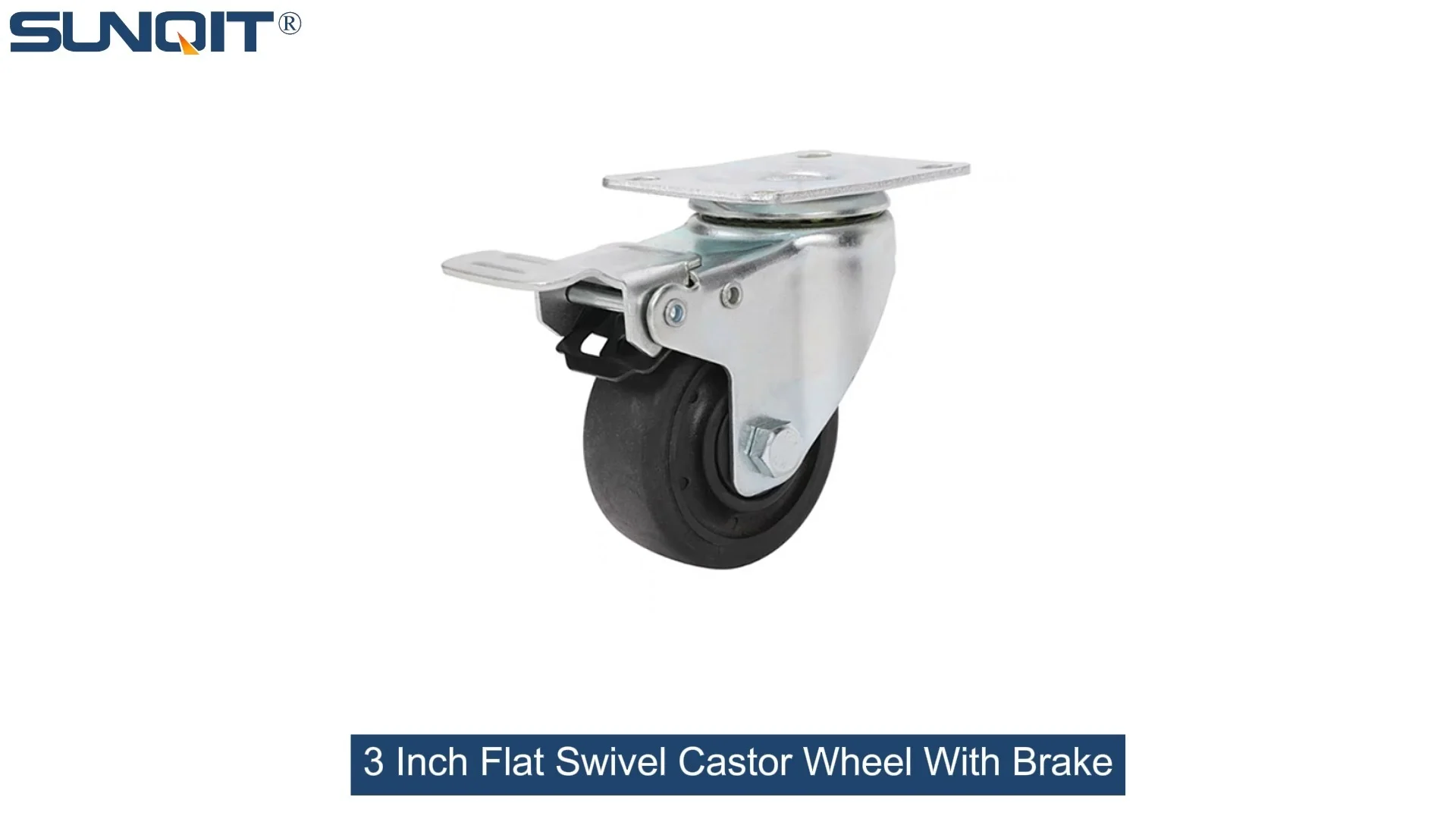
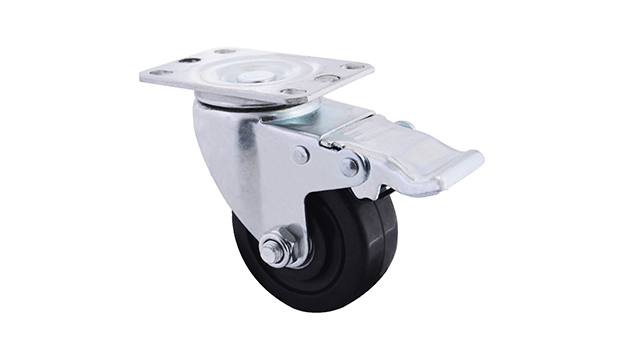
Flat Swivel Castor Wheel With Brake
Chair Casters Ball Bearing Wheels Rubber Base with brake design. Resistant to abrasion, impact and corrosion. Heavy payload can hold 70Kgs per pcs,which can make it works at a stable and smooth status.
Picture this: You've just set up a new assembly line in your workshop. The workbenches are aligned, the tools are organized, and the turnover trolley you ordered arrives—complete with a set of flat swivel castor wheels with brakes. You load it up with parts, hit the brake, and step back, ready to streamline your workflow. But an hour later, you hear a crash: the trolley has rolled into a shelf, spilling components everywhere. The brake? It never fully engaged. The castor wheels? They're bent under the weight. Sound familiar? If you've ever dealt with wobbly carts, stuck brakes, or broken caster wheels, you know how a small part can derail an entire day's work. In this guide, we'll walk through the most common mistakes people make when buying flat swivel castor wheels with brakes—and how to steer clear of them, so your equipment rolls smoothly, safely, and reliably.
Why Castor Wheels Matter More Than You Think
Flat swivel castor wheels with brakes aren't just "wheels on a cart." They're the unsung heroes of efficiency in workshops, warehouses, hospitals, and even home garages. A well-chosen caster wheel keeps your equipment mobile when you need it and anchored when you don't. But choose the wrong one, and you're looking at damaged floors, broken equipment, wasted time, and even safety hazards. From miscalculating load capacity to ignoring your workspace environment, the smallest oversight can turn a "time-saver" into a "headache-maker." Let's dive into the mistakes you need to avoid.
Mistake #1: Ignoring Load Capacity—"It Looks Strong Enough, Right?"
The Problem: Underestimating What Your Caster Wheels Need to Carry
One of the biggest blunders is guessing (or worse, ignoring) the load capacity of your flat swivel castor wheels with brakes. "It's just a small trolley," you might think. "How much can it really weigh?" But here's the truth: load capacity isn't just about the items you're hauling. It includes the weight of the trolley itself, plus any dynamic forces—like when you push or stop the cart suddenly. A caster wheel rated for 200kg might handle a static load of 200kg, but if you're moving it (dynamic load), that number drops. And if you overload it? You're looking at bent axles, cracked wheels, or brakes that snap under pressure.
Real-Life Example: The "500kg Cart" Disaster
A local electronics manufacturer once reached out to me frustrated. They'd ordered a material rack with four flat swivel castor wheels, each labeled "300kg capacity." They assumed that meant the total load was 1200kg (4 wheels x 300kg). So they loaded it with 800kg of circuit boards—well under their "calculation." But within a week, the wheels started to wobble. One brake locked up permanently, and another wouldn't engage at all. When we checked the specs, we realized the manufacturer's "300kg" was the static load (stationary weight), not dynamic (moving). The dynamic load for those wheels? Only 200kg per wheel. With 800kg total, each wheel was carrying 200kg—right at the edge. Add the jostling from moving across concrete floors, and the wheels couldn't keep up. The result? Downtime, damaged parts, and a costly replacement.
How to Avoid It: Calculate Load Like a Pro
Don't rely on guesswork. Follow these steps:
- Add up the total weight: Include the cart/rack itself + the heaviest load you'll ever put on it. If your trolley weighs 50kg and you'll load 450kg of materials, total weight is 500kg.
- Divide by the number of casters: For a 4-wheel trolley, 500kg ÷ 4 = 125kg per wheel. But here's the catch: never assume even weight distribution . Carts often tip when loaded unevenly, so add a 20% buffer. 125kg + 20% = 150kg per wheel.
- Check dynamic vs. static load: If the cart moves frequently, prioritize dynamic load ratings. Most reputable suppliers list both—don't mix them up!
- Ask the supplier: If you're unsure, send them your total weight and usage (how often it moves, floor type) and let them recommend a caster. A good caster supplier will guide you, not just sell you a product.
Mistake #2: Overlooking Your Floor Type & Environment—"Wheels Are Wheels, Right?"
The Problem: Using the Wrong Wheel Material for Your Space
Your caster wheels don't exist in a vacuum—they interact with your floors, your workspace's temperature, and even the chemicals in the air. A wheel that works perfectly in a clean office might fail miserably in a greasy garage or a cold warehouse. Ignore the environment, and you'll end up with scratched floors, squeaky wheels, or premature wear.
The Floor Factor: Hard, Soft, Smooth, or Rough?
Let's break down floor types and which wheels work best:
- Hard, smooth floors (concrete, tile): Polyurethane wheels are your best bet. They're durable, quiet, and won't scratch. Avoid hard plastic wheels—they'll skid and make a racket.
- Soft floors (carpet, vinyl): Rubber wheels or large-diameter polyurethane wheels (4+ inches) work here. Small, hard wheels sink into carpet, making the cart hard to push. Rubber grips without sinking.
- Rough floors (potholed concrete, gravel): Steel or cast iron wheels. They can handle bumps and debris without cracking. Just note: they're noisy and might scratch smooth floors, so reserve them for tough environments.
The Environment Factor: Heat, Chemicals, and Moisture
A bakery with high heat, a garage with oil spills, or a lab with corrosive cleaners—each needs a different wheel. For example, standard plastic wheels melt in temperatures over 60°C (140°F), so a bakery cart needs heat-resistant polyurethane. In a garage, oil and solvents can degrade rubber over time; opt for oil-resistant polyurethane instead. And in wet environments (like a food processing plant), stainless steel wheels prevent rust, while sealed bearings keep water out.
How to Avoid It: Audit Your Workspace First
Before buying, walk your workspace and note:
- Floor material (concrete, carpet, etc.)
- Typical debris (dirt, oil, metal shavings)
- Temperature range (hot, cold, fluctuating)
- Exposure to chemicals (oils, cleaners, water)
Then, match your wheel material to the environment. When in doubt, ask: "Will this wheel survive a spill? A bump? A summer day in a non-air-conditioned warehouse?"

Mistake #3: Choosing the Wrong Brake Type—"Any Brake Will Do, Right?"
The Problem: Not All Brakes Stop the Same Way
A "brake" on a flat swivel castor wheel isn't just a lever that "stops movement." There are different brake types, and choosing the wrong one can mean your cart rolls when it shouldn't—or gets stuck when you need to move it. The three most common types are:
- Total lock brakes: Lock both the wheel (prevents rolling) and the swivel (prevents the caster from turning). Best for stability—use when the cart needs to stay completely stationary (e.g., a workbench on casters).
- Wheel lock brakes: Only lock the wheel, not the swivel. The caster can still turn, but the wheel won't roll. Good for temporary stops (e.g., loading/unloading a trolley).
- Side lock brakes: A lever on the side of the caster that presses against the wheel. Simple, but less durable than total lock brakes. Avoid for heavy loads.
The "Hospital Cart" Misstep
A hospital in my area once switched to wheel lock brakes on their medication carts to save costs. They thought: "We just need to stop rolling—swivel doesn't matter." But nurses often park the carts next to beds, and with wheel lock only, the cart would swivel when bumped, rolling into patients or walls. Worse, in emergencies, staff struggled to move the carts quickly because the swivel was still loose, making the cart hard to steer. They ended up replacing all brakes with total lock versions—costing twice as much as if they'd chosen right the first time.
How to Avoid It: Match Brake Type to Use Case
Ask yourself: When do I need the cart to stay put?
- For permanent or long stops (e.g., workbench): Total lock brakes.
- For quick, temporary stops (e.g., loading a trolley): Wheel lock brakes.
- For light loads and infrequent use (e.g., a storage rack): Side lock brakes (but still prioritize quality).
Also, test the brake lever before buying. It should be easy to engage with one foot (no bending over!) and lock firmly. If it feels flimsy or hard to press, skip it—you'll regret it when you're rushing to stop a rolling cart.

Mistake #4: Neglecting Caster Accessories—"It's Just a Wheel, Right?"
Here's a secret: Even the best flat swivel castor wheel with brake will fail if you skimp on accessories. Caster accessories like bearings, installation bases, and even washers play a huge role in performance and longevity. Let's break down the most overlooked ones.
Bearings: The "Hidden Engine" of Smooth Movement
Caster wheels spin on bearings—and not all bearings are created equal. Cheap castors use "plain bearings" (no balls or rollers), which create friction. Push a cart with plain bearings, and you'll feel resistance; over time, the axle wears down, making the wheel wobbly. High-quality castors use ball bearings or roller bearings, which reduce friction and last longer. Sealed bearings are even better—they keep out dirt and moisture, so you don't have to grease them as often.
Caster Installation Base: The Foundation Matters
The installation base (the plate that attaches the caster to the cart) is often an afterthought. But if the base is too small, made of thin metal, or doesn't match the cart's frame, it will bend or crack. For example, using a 4x4-inch base on a heavy-duty rack with 2x2-inch frame rails—there's not enough surface area to distribute weight, so the base twists, and the caster comes loose. Always check that the installation base is compatible with your cart's frame material (steel, aluminum) and thickness.
Adjustable Leveling Feet: When Casters Need Backup
Ever noticed a cart that rocks even when the brakes are locked? That's often because the floor isn't level. Adjustable leveling feet (small, threaded feet that screw into the cart frame) can save the day. They let you stabilize the cart on uneven floors, taking pressure off the casters and brakes. For example, a workbench with casters might need leveling feet to stay steady during precise assembly work. Skip them, and you'll strain the casters, leading to premature wear.
How to Avoid It: Invest in Quality Accessories
Don't buy a caster without checking these accessories:
- Bearings: Look for "sealed ball bearings" or "precision roller bearings" in the specs.
- Installation base: Choose a base made of 3mm+ steel (thicker for heavy loads) with pre-drilled holes that match your cart's frame.
- Adjustable leveling feet: If your workspace has uneven floors, add them to your order. They're cheap insurance against rocking carts.
Mistake #5: Poor Installation—"I Can Do This With a Screwdriver, Right?"
You've chosen the perfect caster: correct load capacity, wheel material, brake type, and accessories. Now, you slap it on with whatever screws you have lying around, tighten them "as much as possible," and call it a day. Big mistake. Poor installation is one of the top reasons casters fail prematurely.
The "Over-Tightening" Trap
Over-tightening caster bolts might seem like a good idea—"I want it secure!"—but it warps the installation base or strips the threads. When the base warps, the wheel doesn't sit straight, leading to uneven wear and squeaky movement. A client once told me, "My casters were fine for a month, then they started to wobble." Turns out, he'd used a power drill to tighten the bolts, cranking them until the base bent. The wheels were no longer aligned, so the brakes couldn't engage evenly.
The "Wrong Tools" Fumble
Using a Phillips screwdriver on a hex bolt, or a wrench that's too small—these mistakes strip fasteners, making it impossible to remove or adjust the caster later. Always use the tool specified by the manufacturer (usually a socket wrench or hex key) and torque the bolts to their recommended setting (most casters list torque specs in their manual).
How to Avoid It: Install Like a Pro
Follow these steps for a bulletproof install:
- Clean the mounting surface: Remove rust, paint, or debris from the cart frame so the installation base sits flat.
- Use the right fasteners: If the caster came with screws/bolts, use those—they're matched to the base's thickness and material. If not, use Grade 8 steel bolts (for heavy loads) or stainless steel (for wet environments).
- Torque evenly: Tighten bolts in a "star pattern" (like tightening lug nuts on a car) to distribute pressure. Don't over-tighten—stop when you feel resistance, or use a torque wrench set to the manufacturer's spec (usually 15-25 ft-lbs for most casters).
- Test before use: After installing, push the cart back and forth. It should roll smoothly, with no wobbling. Engage the brakes—they should lock firmly. If something feels off, check alignment and retighten bolts.
Quick Reference: Good vs. Bad Practices
| Category | Bad Practice | Good Practice |
|---|---|---|
| Load Capacity | Guessing total load; using static load rating for moving carts | Calculating total load (cart + materials) + 20% buffer; checking dynamic load specs |
| Floor & Environment | Using plastic wheels on rough concrete; ignoring oil/heat exposure | Matching wheel material to floor type (polyurethane for concrete, rubber for carpet); choosing heat/oil-resistant wheels for harsh environments |
| Brake Type | Using wheel lock brakes for stationary workbenches | Choosing total lock brakes for permanent stops; wheel lock for temporary stops |
| Accessories | Skimping on sealed bearings; using mismatched installation bases | Opting for sealed ball bearings; matching installation base size/ material to cart frame |
| Installation | Over-tightening bolts with a power drill; using wrong tools | Torqueing bolts evenly with a torque wrench; cleaning mounting surfaces first |
Final Thoughts: Roll With Confidence
Flat swivel castor wheels with brakes might seem like small parts, but they're the backbone of a smooth, efficient workspace. By avoiding these common mistakes—ignoring load capacity, overlooking floor/environment, choosing the wrong brake, neglecting accessories, and poor installation—you'll save time, money, and frustration. Remember: It's not just about buying a caster wheel; it's about investing in a solution that works for your needs. So take the time to calculate, audit your space, and choose quality over price. Your future self (and your workflow) will thank you.
Now, go out there and find the perfect flat swivel castor wheel with brake—and roll on!