- Company Articles
- Products and Technology
- Product knowledge
- Common Types of Lean Pipe Fixed Clamps: Which Fits Your Project?

Common Types of Lean Pipe Fixed Clamps: Which Fits Your Project?
Related Product
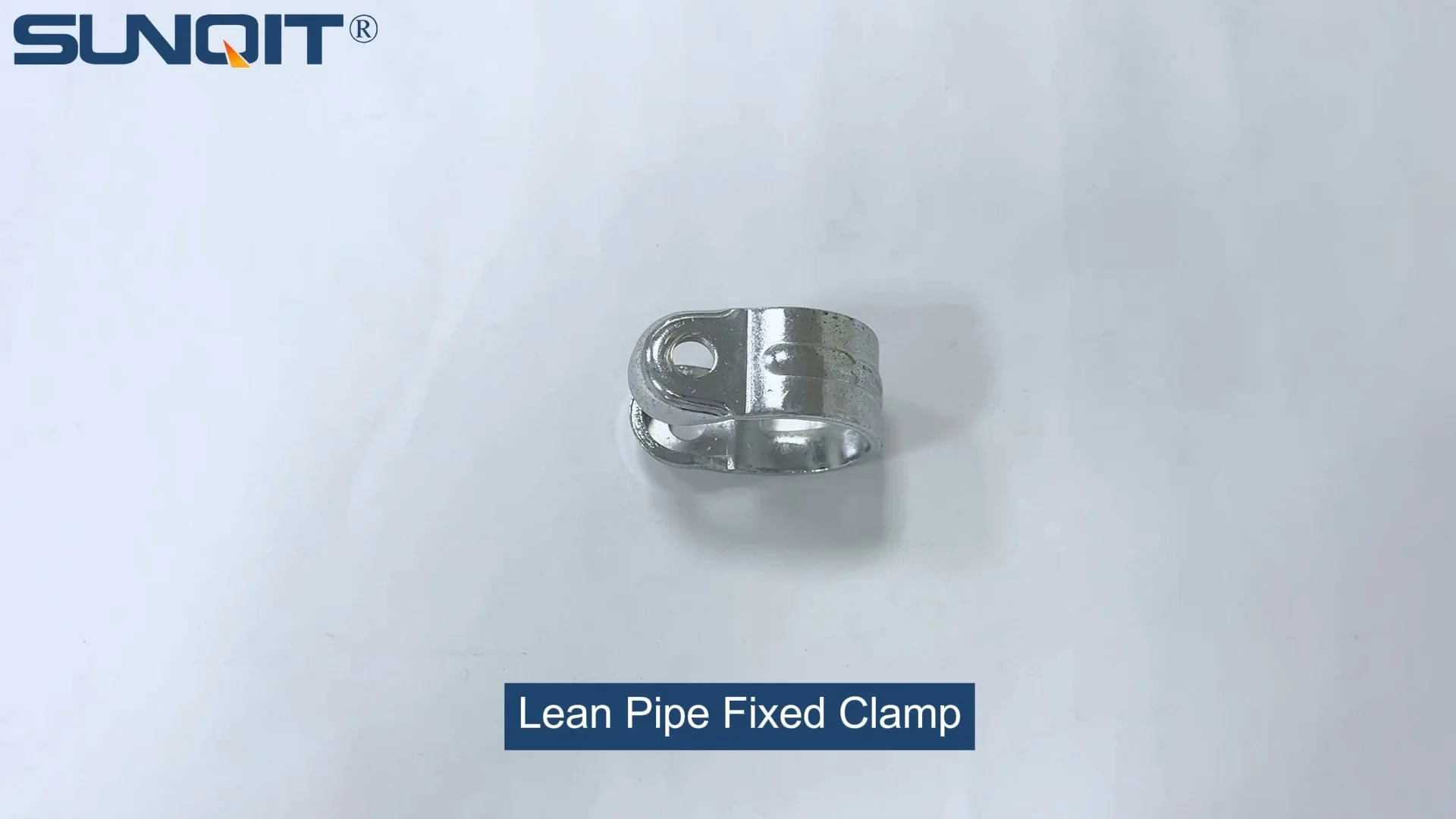
Lean Pipe Fixed Clamp
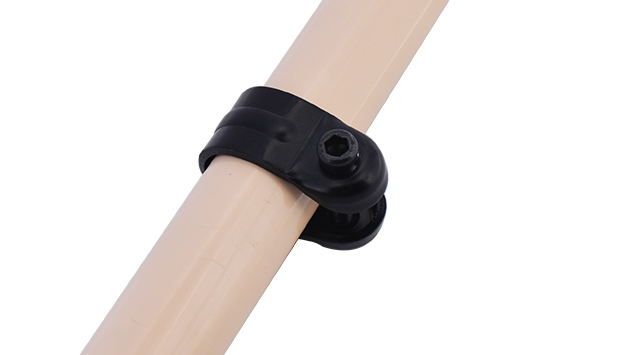
Lean pipe fixed clamp is used for pipe connector fixing the correct position during workbench flow rack hand trolley assemble work.
If you've ever stepped onto a bustling production floor, you've probably seen the quiet workhorses of modern manufacturing: lean pipe systems. These modular structures—workbenches, flow racks, conveyors, and material carts—are the backbone of efficient workflows, designed to eliminate waste and keep operations running like clockwork. But here's the thing: none of it works without the right connectors. Enter lean pipe fixed clamps—the unsung heroes that hold these systems together, ensuring stability, safety, and precision in every build. Whether you're setting up a heavy-duty assembly station or a lightweight material handling rack, choosing the right fixed clamp can mean the difference between a wobbly, inefficient setup and a rock-solid foundation that stands the test of time.
In this guide, we'll dive deep into the world of lean pipe fixed clamps. We'll break down the most common types, explore their strengths and weaknesses, and help you figure out which one aligns with your project's unique needs. By the end, you'll know exactly what to look for—whether you're working with aluminum pipes in a cleanroom, stainless steel in a food processing plant, or classic steel in a high-volume factory. Let's get started.
What Are Lean Pipe Fixed Clamps, Anyway?
First, let's clarify: lean pipe fixed clamps are specialized connectors designed to secure lean pipes (also called "lean tubes") in rigid, non-adjustable positions. Unlike swivel joints or rotating connectors, which allow for movement or angle adjustments, fixed clamps lock pipes into place—think of them as the "glue" that turns loose tubes into sturdy structures. They come in various shapes, sizes, and materials, each tailored to specific loads, environments, and pipe types. Without them, even the most well-designed lean system would sag, shift, or even collapse under the weight of tools, parts, or daily use.
But why does this matter? In lean manufacturing, stability equals efficiency. A wobbly workbench makes precision tasks harder; a sagging flow rack slows down material transfer; a loose clamp on a conveyor can throw an entire production line off schedule. Fixed clamps aren't just "parts"—they're the insurance policy for your workflow's reliability. And with so many options on the market, picking the right one starts with understanding the basics.
Key Types of Lean Pipe Fixed Clamps: A Closer Look
Lean pipe fixed clamps aren't one-size-fits-all. They're engineered to pair with different pipe materials, handle varying loads, and thrive in specific environments. Let's break down the most common types, so you can match them to your project's demands.
1. Steel Fixed Clamps: The Workhorses for Heavy Loads
Steel fixed clamps are the backbone of industrial lean systems—and for good reason. Made from durable steel (often coated in zinc or PE for rust resistance), they're built to handle heavy weights without bending or slipping. If your project involves a workbench holding power tools, a material rack stacked with metal parts, or a conveyor moving bulky components, steel clamps are likely your first choice.
Take, for example, a 1.5mm PE-coated lean pipe system in an automotive factory. The steel fixed clamps here need to secure pipes that support not just the bench itself, but also the constant vibration of power drills, the weight of engine parts, and the daily wear of workers leaning on the structure. A well-made steel clamp—like the "lean pipe clamp b" or "parallel lean pipe joint"—distributes pressure evenly across the pipe, preventing dents in the PE coating while maintaining a tight grip. These clamps often feature threaded bolts or cam levers for easy installation, and their rigidity ensures the structure stays aligned even under stress.
But steel isn't perfect. It's heavier than aluminum, which can make reconfiguring systems a two-person job. And if you're working in a damp environment (like a warehouse near the coast), uncoated steel clamps can rust over time—so opt for zinc-plated or PE-coated versions if moisture is a concern.
2. Aluminum Fixed Clamps: Lightweight and Corrosion-Resistant
If steel is the brute force option, aluminum fixed clamps are the precision players. Lightweight, sleek, and naturally resistant to corrosion, they're ideal for environments where cleanliness, weight, or aesthetics matter. Think electronics manufacturing, pharmaceutical labs, or cleanrooms—places where even a tiny rust spot could contaminate products or a heavy structure could damage sensitive equipment.
Aluminum clamps pair perfectly with aluminum lean pipes, creating systems that are easy to move, reconfigure, and sanitize. For instance, an ESD workstation in a semiconductor plant relies on aluminum components to prevent static buildup—and aluminum fixed clamps are no exception. They're non-conductive, lightweight enough for workers to adjust without tools, and their smooth finish makes them easy to wipe down with disinfectants. Models like the "parallel fixation aluminum pipe joint" or "90° aluminum crossing joint" are designed to lock aluminum pipes in place with minimal pressure, avoiding dents in the softer metal while still ensuring stability.
The tradeoff? Aluminum isn't as strong as steel. If you're building a structure that needs to support more than 500 lbs (like a heavy-duty assembly line workbench), aluminum clamps might flex under the load. Stick to aluminum for light to medium applications—think pick-and-place carts, small parts flow racks, or benchtop storage solutions.
3. Stainless Steel Fixed Clamps: Hygienic and Durable for Harsh Environments
When corrosion resistance and hygiene are non-negotiable, stainless steel fixed clamps step in. Made from 304 or 316 stainless steel, these clamps laugh off moisture, chemicals, and frequent washdowns—making them a staple in food processing, medical device manufacturing, and marine applications. Unlike steel, they won't rust when splashed with water or exposed to cleaning agents like bleach or alcohol.
Imagine a flow rack in a dairy processing plant. Every day, it's sprayed down with hot water and sanitizer to meet FDA standards. A steel clamp here would corrode within months, but a stainless steel fixed clamp? It stays shiny and strong, even after years of daily abuse. Models like the "stainless steel pipe series" clamps often feature smooth, crevice-free designs to prevent bacterial buildup, and their high tensile strength means they can handle the weight of glass milk jugs or heavy cheese blocks without issue.
The downside? Stainless steel is pricey—often 2-3 times more expensive than steel. If your project is on a tight budget and doesn't involve moisture or chemicals, you might be better off with steel or aluminum. But for industries where compliance (like USDA or ISO standards) is critical, the investment in stainless steel clamps pays off in fewer replacements and fewer compliance headaches.
4. Multi-Angle Fixed Clamps: Versatility for Custom Structures
Not all lean pipe systems are made of straight lines and right angles. Sometimes, you need to build a structure with slopes, curves, or odd angles—like a gravity-fed flow rack that tilts to move parts downward or a workbench with a angled tool holder. That's where multi-angle fixed clamps shine. These clamps, often called "lean pipe joint" or "multi-angle fixed aluminum joint," let you lock pipes at 30°, 45°, 60°, or even custom angles, giving you the flexibility to design systems that fit your space perfectly.
For example, a material rack in a cramped warehouse might need a 45° angle to fit between two machines. A multi-angle steel clamp can secure the pipes at that angle, ensuring the rack doesn't tip over and maximizing every inch of available space. These clamps usually have adjustable bolts or rotating bases that let you set the angle before tightening, and once locked, they hold firm—no slipping or shifting, even with heavy loads.
How to Choose the Right Fixed Clamp for Your Project
Now that you know the types, how do you pick the one that's right for you? It boils down to four key factors: load capacity, environment, pipe material, and long-term goals. Let's walk through each.
Step 1: Calculate Your Load Requirements
Start by asking: How much weight will this clamp need to hold? A clamp that works for a small parts bin won't cut it for a workbench loaded with power tools. Most clamp manufacturers list load ratings (e.g., "supports up to 300 lbs per joint"), but it's smart to factor in a safety margin—aim for clamps that can handle 1.5 times your expected load. For example, if your workbench will hold 200 lbs of tools, choose a clamp rated for 300 lbs or more.
Steel clamps are best for heavy loads (500+ lbs), aluminum for light to medium (up to 300 lbs), and stainless steel for medium to heavy (300-600 lbs, depending on the grade). If you're unsure, talk to your lean pipe supplier—they can help you match clamps to your specific load needs.
Step 2: Consider Your Environment
Where will your lean system live? A dry factory floor, a humid warehouse, or a cleanroom? The answer will narrow down your material choices:
- Dry, low-moisture environments (most factories): Steel clamps are cost-effective and durable.
- Humid, wet, or corrosive environments (food processing, marine): Stainless steel clamps are a must to avoid rust.
- Cleanrooms or electronics labs: Aluminum clamps are lightweight, non-conductive, and easy to sanitize.
- High-temperature areas (foundries, bakeries): Steel or stainless steel (aluminum can weaken at high temps).
Step 3: Match Clamps to Your Pipe Material
Mismatched clamps and pipes are a recipe for disaster. For example, using a steel clamp on an aluminum pipe can cause galvanic corrosion—a chemical reaction that eats away at the metal when two dissimilar materials touch. To avoid this:
- Pair steel clamps with steel pipes (PE-coated or bare).
- Pair aluminum clamps with aluminum lean pipes.
- Pair stainless steel clamps with stainless steel pipes (or aluminum, if needed—stainless and aluminum are less reactive than steel and aluminum).
If you're mixing materials (e.g., aluminum pipes with steel clamps in a dry environment), use a plastic washer between the clamp and pipe to prevent direct contact. It's a small step that can extend your system's lifespan by years.
Step 4: Think About Future Flexibility
Lean manufacturing is all about adaptability. Will you need to reconfigure your system next month? Next year? Fixed clamps are, by nature, "fixed," but some are easier to adjust than others. Steel clamps with cam levers, for example, can be loosened and repositioned in minutes, while bolt-on stainless steel clamps might require tools and more time. If flexibility is key, opt for clamps with quick-release mechanisms—just make sure they still lock tightly once repositioned.

A Quick Comparison: Which Clamp Type Is Right for You?
| Clamp Type | Best For | Load Capacity | Pros | Cons |
|---|---|---|---|---|
| Steel Fixed Clamps | Heavy loads, dry environments, budget projects | 300-800 lbs per joint | Durable, affordable, widely available | Heavy, prone to rust (uncoated) |
| Aluminum Fixed Clamps | Light to medium loads, cleanrooms, ESD workstations | 100-300 lbs per joint | Lightweight, corrosion-resistant, non-conductive | Less strong than steel, pricier than steel |
| Stainless Steel Fixed Clamps | Wet/hygienic environments, chemical exposure | 300-600 lbs per joint | Rust-proof, easy to sanitize, high tensile strength | Expensive, heavier than aluminum |
| Multi-Angle Fixed Clamps | Custom angles, sloped racks, curved structures | Varies by material (100-600 lbs) | Flexible design, fits unique layouts | May require more precise installation |

Installation Tips: Making Your Clamps Last
Even the best clamp won't perform if installed poorly. Here are a few pro tips to ensure your lean pipe system stays stable for years:
- Clean the pipes first: Grease, dirt, or rust on the pipe surface will weaken the clamp's grip. Wipe pipes with a degreaser or alcohol before installing clamps.
- Torque bolts properly: Too loose, and the clamp slips; too tight, and you'll strip the threads or crush the pipe. Check the manufacturer's specs for torque recommendations (usually 15-25 Nm for steel clamps).
- Use washers: A metal or plastic washer between the clamp and pipe distributes pressure, preventing dents in PE-coated or aluminum pipes.
- Level as you go: A wobbly structure starts with misaligned pipes. Use a bubble level to ensure pipes are straight and clamps are square before fully tightening.
- Inspect regularly: Over time, vibrations can loosen bolts. Check clamps monthly and retighten as needed. replace any clamps with cracked plastic parts or bent metal.
Real-World Examples: Clamps in Action
Still not sure which clamp to choose? Let's look at a few real-world scenarios to see how the right (and wrong) clamps impact projects.
Scenario 1: Automotive Assembly Line
A mid-sized auto parts manufacturer needed to build 10 heavy-duty workbenches for assembling brake components. Each bench would hold power tools, torque wrenches, and batches of metal parts—totaling around 600 lbs per bench. They initially tried aluminum clamps to save on weight, but within a week, the benches sagged under the load, causing tools to slide off. After switching to steel fixed clamps (specifically "lean pipe clamp b" with 1.5mm PE-coated lean pipes), the benches stayed rigid, and workers reported feeling safer and more efficient.
Scenario 2: Craft Brewery
A small brewery wanted a flow rack to move empty glass bottles from storage to the filling line. The rack would be washed down daily with hot water and sanitizer. They opted for steel clamps to save money, but within three months, the clamps rusted, leaving orange streaks on the bottles. A quick switch to stainless steel fixed clamps solved the problem—now the rack stays clean, and there's no risk of rust contaminating the beer.
Scenario 3: Electronics Repair Shop
A phone repair shop needed a compact ESD workstation to prevent static damage to circuit boards. They chose aluminum pipes for lightweight mobility and paired them with aluminum fixed clamps. The result? A sleek, easy-to-move workstation that's lightweight enough for one person to reposition and non-conductive enough to protect sensitive electronics. The aluminum clamps also made it easy to add accessories like tool hooks and cable management clips—all without drilling or welding.
Final Thoughts: Invest in the Right Clamp
Lean pipe fixed clamps might seem like small, parts, but they're the foundation of your entire system. Choosing the right one isn't just about saving time or money—it's about creating a workspace that's safe, efficient, and adaptable to your team's needs. Whether you're building a simple cart or a complex conveyor system, take the time to assess your load, environment, and pipe material. And when in doubt, reach out to a trusted lean pipe supplier—they can help you select clamps that balance performance, durability, and cost.
At the end of the day, the best clamp is the one that disappears into the background—quietly holding your system together so you can focus on what matters: making great products, streamlining workflows, and keeping your team productive. So go ahead—pick the clamp that fits your project, install it with care, and watch your lean pipe system shine.