In the fast-paced world of modern communication, where data flows like water and connectivity is the lifeblood of businesses and communities, the infrastructure that supports this ecosystem often goes unnoticed—until it fails. Enter the unsung hero: the communication equipment rack. These metal frameworks, quietly standing in data centers, telecom rooms, and network closets, are the backbone of our digital lives. They cradle servers, routers, switches, and other critical gear, ensuring they operate efficiently, stay organized, and remain accessible for maintenance. But not all racks are created equal. Today, we're diving deep into a solution that's redefining reliability in the industry:
2.0mm stainless steel pipe
communication equipment racks.
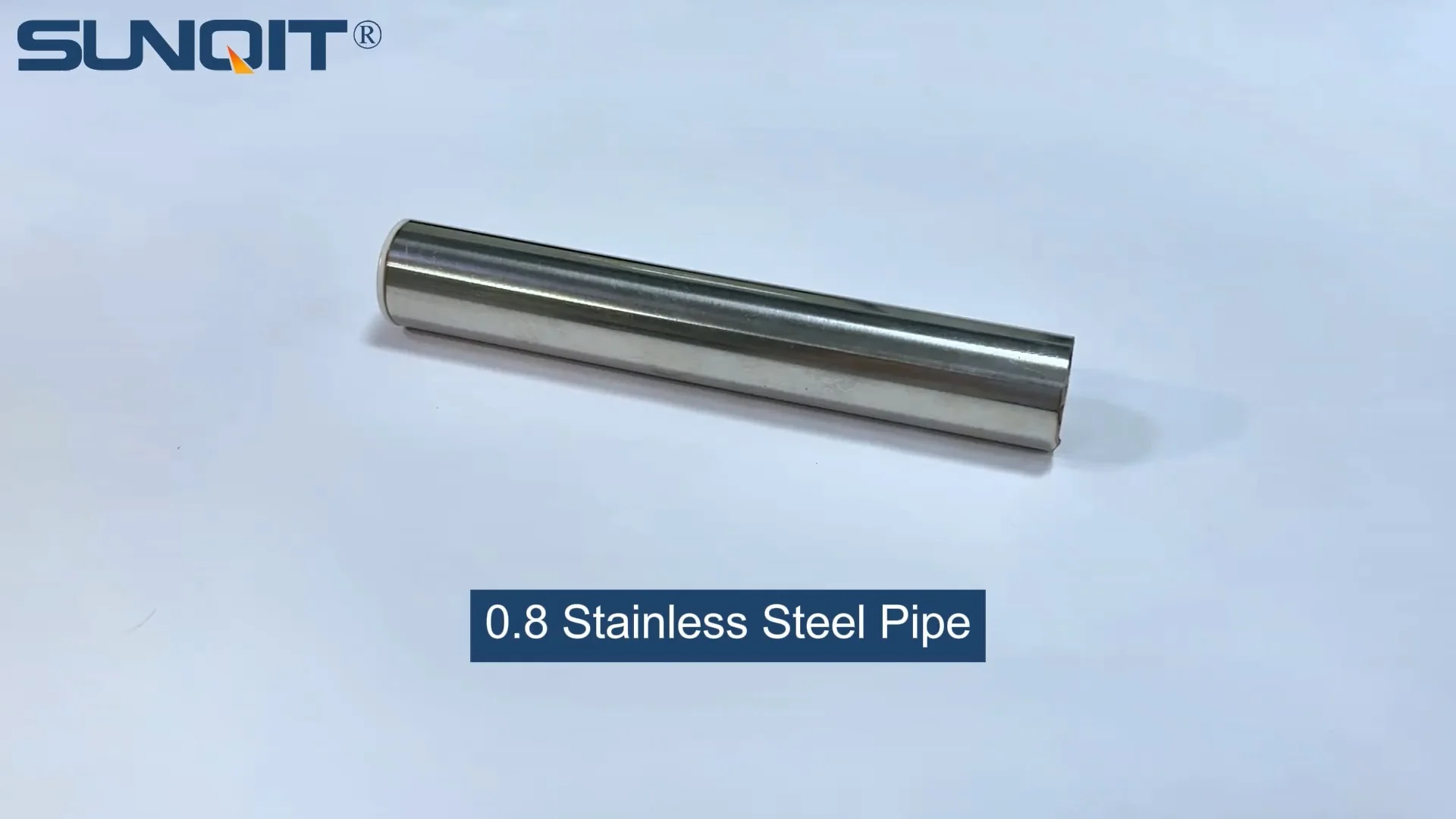
When it comes to building equipment racks, material matters—and stainless steel has long been a gold standard. But why 2.0mm specifically? Let's start with the basics. Stainless steel, by nature, is prized for its corrosion resistance, thanks to its chromium content, which forms a protective oxide layer. This is non-negotiable in communication environments, where humidity, temperature fluctuations, and even exposure to dust or chemicals can take a toll on metal over time. A 2.0mm gauge strikes the perfect balance between strength and practicality: thick enough to support heavy loads (think multiple servers stacked vertically) without adding unnecessary weight that complicates installation or reconfiguration.
Compare this to thinner pipes, say 1.2mm or 1.5mm, which might save on cost initially but risk bending or warping under sustained stress. Or aluminum, which is lighter but less rigid and more prone to dents in high-traffic areas. The 2.0mm stainless steel pipe isn't just a material choice—it's an investment in longevity. In the
stainless steel pipe series
, this gauge has emerged as a favorite for communication racks because it meets the rigorous demands of 24/7 operation. Imagine a data center in a coastal region, where salt air can corrosion; a rack built with 2.0mm stainless steel will stand firm for decades, while a lesser material might start showing signs of wear in just a few years.
Another key advantage? Durability without overcomplicating design. Unlike some heavy-duty metals that require specialized tools to cut or shape, 2.0mm stainless steel pipe is malleable enough for customization (we'll get to that later) but tough enough to withstand the daily grind of a busy facility. It's the kind of material that engineers trust when downtime isn't an option—and in communication, downtime translates to lost revenue, disrupted services, and damaged reputations.
Building Blocks: Components That Make It Work
A rack is only as strong as its parts, and 2.0mm stainless steel pipe racks rely on a handful of critical components to deliver their promise of reliability. Let's break down the essentials, starting with the unsung heroes of modular design:
lean pipe joints
. These small but mighty connectors are what transform lengths of pipe into a cohesive, adjustable structure. Unlike welded joints, which are permanent and rigid, lean pipe joints are designed for flexibility. They allow installers to bolt pipes together at various angles—90 degrees for vertical supports, 45 degrees for diagonal bracing, or even custom angles for unique rack configurations. This modularity is a game-changer in communication setups, where equipment sizes and layouts evolve over time. Need to add a shelf for a new router? Simply loosen a joint, adjust the pipe, and tighten it back up. No welding, no cutting, no hassle.
Next up:
caster and accessories
. While not every rack needs to be mobile, many communication environments benefit from the ability to reposition gear—whether for maintenance, cleaning, or rearranging the space to optimize airflow. Casters (or wheels) attached to the base of the rack make this possible, but not all casters are created equal. For 2.0mm stainless steel racks, heavy-duty casters with locking mechanisms are a must. These aren't your average office chair wheels; they're designed to support hundreds of pounds without wobbling or wearing down. Look for casters with rubberized wheels to protect floor surfaces and reduce noise—important in quiet server rooms. Accessories like caster brakes add an extra layer of safety, ensuring the rack stays put once in place, even during vibrations from nearby equipment.
To visualize how these components come together, let's consider a typical setup: vertical 2.0mm stainless steel pipes form the rack's "legs," connected horizontally by crossbars using lean pipe joints. Shelves, often made of stainless steel mesh or solid panels, are mounted between the crossbars, providing platforms for equipment. At the bottom, casters (with brakes) allow for mobility, while diagonal bracing (again, secured with lean pipe joints) adds stability. It's a system built for both strength and adaptability—a rare combination in industrial design.
|
Component
|
Function
|
Key Feature
|
|
2.0mm Stainless Steel Pipe
|
Main structural support (vertical/horizontal rails)
|
Corrosion-resistant, 2.0mm gauge for optimal strength-to-weight ratio
|
|
Lean Pipe Joint
|
Connects pipes at various angles (90°, 45°, custom)
|
Modular design for easy reconfiguration; no welding required
|
|
Caster (with Brake)
|
Enables mobility and secure positioning
|
Heavy-duty construction; locking mechanism to prevent unintended movement
|
|
Shelving Panels
|
Platforms for equipment placement
|
Mesh or solid stainless steel; ventilated options to improve airflow
|
|
Diagonal Bracing
|
Reinforces rack stability
|
Attached via lean pipe joints; reduces sway under load
|

Customization: Tailoring Racks to Unique Needs
One size fits none in communication infrastructure. A small telecom room serving a local business has vastly different needs than a sprawling data center powering a cloud provider. This is where 2.0mm stainless steel pipe racks truly shine: their modular design allows for endless customization. Let's say a network engineer needs a rack that's 2 meters tall, 80cm wide, and 60cm deep to fit in a tight corner—no problem. Using 2.0mm pipes cut to length and connected with lean pipe joints, the rack can be built to those exact dimensions. Need to add cable management hooks? Drill a few holes (stainless steel is easy to work with) and attach them. Want to include a pull-out shelf for easy access to patch panels? A quick adjustment to the horizontal crossbars, and it's done.
Even specialized features are within reach. For example, some communication setups require ESD (electrostatic discharge) protection to safeguard sensitive electronics. While stainless steel itself is conductive, adding ESD-safe casters or grounding straps to the rack ensures static charges are safely dissipated. Or consider a mobile rack for a lab environment, where equipment might need to be moved between testing stations. Here, heavy-duty casters with swivel locks become essential, allowing the rack to glide smoothly over concrete floors and lock in place when stationary.
Customization also extends to load capacity. By adjusting the spacing of vertical pipes and adding extra crossbars or bracing, a 2.0mm stainless steel rack can be reinforced to hold 500kg or more—plenty for even the heaviest servers or battery backups. This flexibility means that as a business grows, the rack can grow with it. Instead of replacing an entire unit when adding a new server, simply expand the existing structure by adding more pipes and joints. It's a sustainable approach that reduces waste and keeps costs in check over time.

Installation Insights: From Blueprint to Reality
Building a 2.0mm stainless steel pipe communication rack might sound intimidating, but with the right tools and planning, it's a straightforward process—even for teams without specialized metalworking experience. Let's walk through the key steps. First, start with a blueprint. Measure the space carefully, noting clearance for doors, ventilation systems, and nearby equipment. Sketch out the rack's dimensions, including height, width, depth, and the number of shelves needed. This step can't be rushed; a miscalculation here could lead to a rack that's too big to fit or too small to hold all the gear.
Next, gather materials: 2.0mm stainless steel pipes cut to the required lengths (many suppliers offer pre-cut options), lean pipe joints (enough to connect all intersections), casters (if mobility is needed), shelving panels, and basic tools like a wrench, level, and measuring tape. Pro tip: Lay out all components on the floor first to ensure you have everything—there's nothing worse than getting halfway through assembly and realizing you're missing a joint.
Assembly begins with the base. Attach casters (or fixed feet, if mobility isn't needed) to the bottom horizontal pipes using lean pipe joints. Make sure the casters are evenly spaced to prevent tipping. Then, add the vertical pipes, securing them to the base joints. Use a level to ensure the vertical pipes are perfectly straight—even a slight lean can throw off the entire structure. Once the vertical frame is up, add horizontal crossbars at the desired shelf heights, again using lean pipe joints. Tighten each joint firmly, but not so much that the threads strip (stainless steel joints are durable, but over-tightening is a common mistake).
Finally, mount the shelving panels. Most panels slide into place between crossbars or attach with bolts, depending on the design. Double-check that all shelves are level and that the rack wobbles minimally when pushed (a little movement is normal; excessive sway means joints need tightening or additional bracing is required). Once assembled, test the rack with a few dummy weights to simulate the load of actual equipment. If it holds steady, you're ready to start loading in the gear.
One of the biggest advantages of this system is that installation can be done in stages. If time is tight, assemble the base and vertical frame first, then add shelves and accessories later. This flexibility is a lifesaver in busy environments where downtime for installation is limited.
Maintenance Matters: Ensuring Longevity in Harsh Environments
Even the most durable equipment needs a little care, and 2.0mm stainless steel pipe racks are no exception. Fortunately, maintenance is minimal, thanks to the material's inherent resistance to corrosion and wear. The first rule: keep it clean. Dust and debris can accumulate on shelves and in joints over time, which not only looks unprofessional but can trap moisture and accelerate corrosion (even in stainless steel). A quick wipe-down with a damp cloth every few months is usually enough. For tougher grime, use a mild detergent—avoid abrasive cleaners, which can scratch the stainless steel and compromise its protective oxide layer.
Next, inspect the lean pipe joints regularly. Over time, vibrations from equipment or frequent adjustments can cause joints to loosen. A monthly check with a wrench to tighten any loose bolts will prevent the rack from becoming wobbly. Similarly, keep an eye on casters: check for wheel wear, debris stuck in the bearings, or brake mechanisms that aren't engaging properly. Lubricating caster wheels with a silicone-based spray every six months will keep them rolling smoothly.
In environments with high humidity or exposure to chemicals (like some industrial telecom rooms), consider applying a stainless steel protectant spray annually. This adds an extra layer of defense against corrosion and keeps the metal looking new. And if the rack does get a scratch (inevitable in busy spaces), a quick application of stainless steel polish can help blend it in and prevent rust from taking hold.
The beauty of this maintenance routine is that it's proactive, not reactive. By spending 15 minutes a month on these tasks, you can extend the rack's lifespan from 10 years to 20 or more—making that initial investment in 2.0mm stainless steel pay off many times over.
Real-World Impact: Case Studies in Communication Infrastructure
To truly understand the value of 2.0mm stainless steel pipe communication racks, let's look at real-world examples. Take a mid-sized ISP (Internet Service Provider) in the Pacific Northwest, where heavy rainfall and high humidity are year-round challenges. A few years ago, the company was struggling with frequent equipment failures in its main telecom room; the existing aluminum racks were corroding, leading to unstable server mounts and intermittent connectivity issues. After switching to 2.0mm stainless steel pipe racks with lean pipe joints and corrosion-resistant casters, the problems stopped. Today, the racks show no signs of rust, even in the damp environment, and the IT team reports spending 70% less time on maintenance—time that's now spent improving service instead of fixing racks.
Another example: a university data center supporting research labs and campus Wi-Fi. With equipment constantly being added or upgraded, the center needed racks that could adapt quickly. The facility manager opted for 2.0mm stainless steel pipe racks with modular shelving and mobile casters. When a new supercomputer was installed last year, instead of building a new rack from scratch, the team simply reconfigured an existing one by adding extra vertical pipes and reinforcing the shelves. The process took less than a day, minimizing downtime. "We used to dread equipment upgrades because they meant days of moving gear and rebuilding racks," the manager noted. "Now, it's a matter of loosening a few joints and adjusting the pipes. It's like Legos for adults—but way more sturdy."
Even in smaller settings, the impact is clear. A retail chain with 50+ stores recently standardized on 2.0mm stainless steel pipe racks for its in-store network closets. The racks, equipped with locking casters, are easy to move during store renovations and durable enough to withstand the hustle of retail environments. Store IT technicians love that they can customize the racks to fit whatever equipment each location needs—some have more routers, others more patch panels—without ordering custom units for each store.
Looking Ahead: Innovations in Stainless Steel Pipe Solutions
The future of communication equipment racks is bright, and 2.0mm stainless steel pipe is at the forefront of that innovation. One emerging trend is the integration of smart features, like sensors embedded in lean pipe joints that monitor temperature, humidity, or rack load in real time. Imagine a rack that alerts you via your phone if a shelf is overloaded or if corrosion is starting to form—proactive maintenance taken to the next level.
Another area of growth is sustainability. Manufacturers are developing recycled 2.0mm stainless steel pipes, reducing the environmental impact of production without sacrificing quality. Some are even experimenting with antimicrobial coatings for pipes, which could help prevent the spread of germs in shared telecom rooms—a small but meaningful feature in healthcare or education settings.
Modularity is also evolving. New lean pipe joint designs allow for even faster assembly, with click-and-lock mechanisms that eliminate the need for wrenches. Casters are becoming smarter too, with built-in brakes that engage automatically when the rack is stationary, reducing the risk of accidental movement.
Conclusion: Investing in the Future of Communication
Communication equipment racks might not be the most glamorous part of our digital infrastructure, but they're undeniably critical. In a world where connectivity is expected to be seamless and reliable, cutting corners on rack design is a risk no business can afford. 2.0mm stainless steel pipe racks, with their strength, durability, and flexibility, offer a solution that's built to last—supporting today's technology and adapting to tomorrow's innovations.
From the corrosion resistance of the stainless steel pipe series to the adaptability of lean pipe joints and the mobility of caster and accessories, every component works together to create a system that's greater than the sum of its parts. Whether you're managing a data center, a telecom room, or a small network closet, investing in 2.0mm stainless steel pipe racks isn't just about buying a piece of equipment—it's about investing in the reliability of your communication infrastructure. And in the end, that's an investment that pays dividends in uptime, efficiency, and peace of mind.
