- Company Articles
- Products and Technology
- Product knowledge
- Comparing 1.0mm Stainless Steel Pipe Grades: 304 vs 316

Comparing 1.0mm Stainless Steel Pipe Grades: 304 vs 316
Related Product
1.0mm Stainless Steel Pipe
Stainless steel pipe, lean pipe, diameter is 28mm, material is SS201 or SS304, SS201 is normally used in the market. It knows a KARAKURI, KAIZEN material for industrial plant to improve efficiency, save labor cost, standard management.
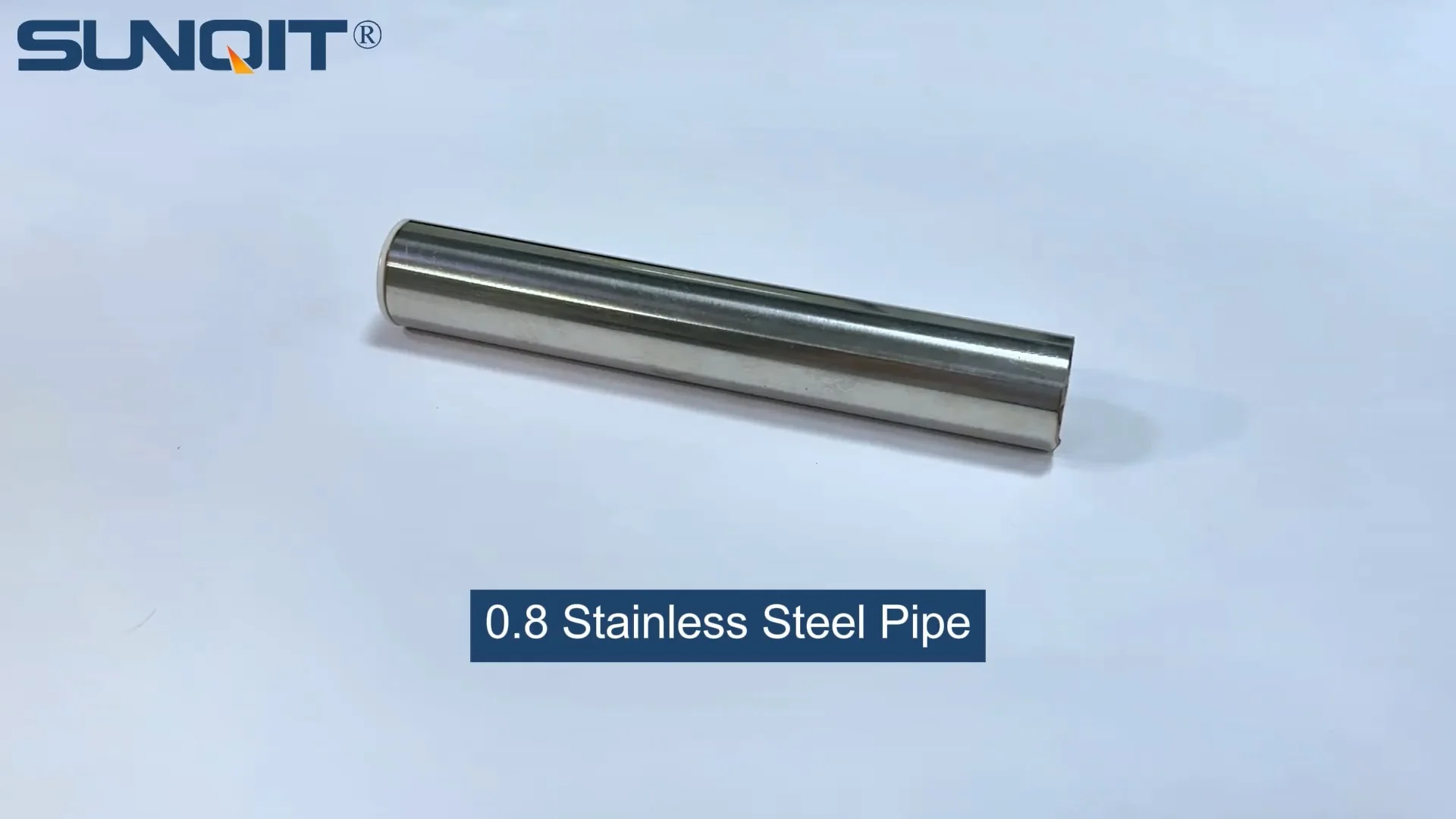
If you've ever walked through a manufacturing plant, warehouse, or even a busy workshop, you've probably seen them—those sleek, durable pipes that form the backbone of workbenches, material racks, and conveyor systems. They're part of the stainless steel pipe series , and among the most popular options are 1.0mm thick 304 and 316 stainless steel pipes. But what's the difference between these two? Why would someone choose one over the other? Let's dive in and break it down, so you can make the best choice for your project—whether you're building a new workbench , upgrading a production line, or sourcing materials for a lean manufacturing setup.
First Things First: What Are 304 and 316 Stainless Steel Pipes?
Before we compare them, let's get clear on what these grades actually are. Both 304 and 316 are part of the austenitic stainless steel family, which means they're non-magnetic, highly ductile, and known for their corrosion resistance. The 1.0mm thickness is a common choice for applications where balance matters—enough strength to support weight, but lightweight enough to keep structures like trolleys or racks easy to move. Think of it as the "Goldilocks" thickness for many industrial uses: not too thin to bend under pressure, not too thick to add unnecessary bulk.
But here's the thing: while they might look similar at first glance, their chemical makeup sets them apart. And that makeup? It's what determines how they perform in real-world conditions. Let's start with the basics: what's in each pipe?
The Secret Sauce: Composition Differences
Stainless steel gets its name from chromium, which forms a protective oxide layer on the surface, preventing rust and corrosion. But 304 and 316 have different "recipes" when it comes to other elements, and that's where the magic (or the madness) happens.
Let's break down the key components (all percentages are approximate, as standards can vary slightly by manufacturer):
- 304 Stainless Steel: Contains 18-20% chromium, 8-12% nickel, and no molybdenum . It also has small amounts of carbon, manganese, and silicon.
- 316 Stainless Steel: Contains 16-18% chromium, 10-14% nickel, and 2-3% molybdenum . That molybdenum? It's the game-changer here.
You might be thinking, "Molybdenum? That sounds like a fancy word—why does it matter?" Great question. Molybdenum acts like a supercharged shield for the steel. It boosts resistance to pitting and crevice corrosion, especially in environments with salt, acids, or harsh chemicals. Without it, 304 is still tough, but 316 takes durability up a notch in tricky settings.

Corrosion Resistance: The Big Divide
Let's talk about the elephant in the room: corrosion. If you're using stainless steel, chances are you care about keeping rust and deterioration at bay. So how do 304 and 316 stack up here?
304 Stainless Steel: This is the "workhorse" of the stainless steel world. It's highly resistant to rust in most everyday environments—think dry indoor settings, clean water, or mild detergents. That's why you'll see it in kitchen appliances, handrails, and yes, many industrial workbench frames. It holds up well in places where moisture is minimal or easily wiped away. But here's the catch: if you expose 304 to saltwater, heavy rain, or acidic solutions (like vinegar, citrus, or industrial cleaners), you might start to see pitting or staining over time. The protective chromium layer can break down in these harsh conditions, leaving the metal vulnerable.
316 Stainless Steel: Enter molybdenum. Thanks to that extra element, 316 is the (corrosion-resistant) champion. It laughs in the face of saltwater—so much so that it's often used in marine environments, coastal buildings, or fish processing plants. It also handles acids better, making it a favorite in chemical labs, pharmaceutical facilities, and food processing lines where acidic ingredients (like tomatoes or citrus) are handled. Even in high-humidity industrial settings, 316 holds its own longer than 304. If your project will be exposed to any of these tough conditions, 316 is worth the investment.
To put it simply: 304 is great for "clean, dry, or mild" environments. 316 is for "salty, acidic, or humid" ones. Choosing the wrong one here could mean premature replacement—and nobody wants that.

Mechanical Strength: Which One's Stronger?
Corrosion resistance is crucial, but what about strength? After all, a pipe that bends or cracks under load isn't useful to anyone. Let's compare their mechanical properties, focusing on 1.0mm thickness—since that's the size we're zeroing in on.
Tensile Strength: This is the maximum stress a material can handle before breaking. 304 stainless steel has a tensile strength of around 515 MPa (megapascals), while 316 comes in slightly higher at 520 MPa. That's a tiny difference—barely noticeable in most applications. Both can handle the weight of tools, materials, or even small machinery when used in structures like racks or workbenches.
Yield Strength: This is the point where the material starts to deform permanently. 304 has a yield strength of about 205 MPa, and 316 is similar at 210 MPa. Again, the gap is minimal. For most industrial uses—like supporting a workbench top or holding up a shelf of parts—either grade will work. The 1.0mm thickness gives both pipes enough rigidity for these tasks, so strength alone might not be the deciding factor here.
Ductility: Both grades are highly ductile, meaning they can bend without breaking. This is useful for forming pipes into custom shapes or assembling structures with joints (like those found in lean pipe systems). You won't notice a big difference in how easy they are to work with—both cut, weld, and assemble smoothly with standard tools.
Applications: Where Do 304 and 316 Shine?
Let's get practical. When should you reach for 304, and when is 316 the way to go? Here are real-world scenarios to help you decide:
Best for 304 Stainless Steel Pipes (1.0mm):
- Dry Workshops & Indoor Factories: If your space is climate-controlled with low humidity, 304 is perfect. Think assembly lines, electronics manufacturing, or woodworking shops.
- Standard Workbenches & Material Racks: Most workbench frames, shelving units, or lightweight trolleys don't need the extra corrosion resistance of 316. 304 is durable enough and more budget-friendly.
- Food Service (Dry or Mild Moisture): Bakeries, cafes, or snack production lines where ingredients are dry or low-acid (like grains or sugar) can use 304 safely.
- Office or Retail Fixtures: Display racks, storage systems, or partition walls in indoor spaces—304 looks clean, holds up well, and won't rust in these environments.
Best for 316 Stainless Steel Pipes (1.0mm):
- Marine or Coastal Areas: Any project near the ocean or saltwater spray—like dockside workbenches, boat parts, or coastal warehouse racks—needs 316.
- Food Processing (Acidic or Wet): Tomato canning plants, pickle factories, or breweries (where hops and acids are present) rely on 316 to resist corrosion from juices and cleaning chemicals.
- Chemical or Pharmaceutical Labs: Pipes used in fume hoods, material transport, or reaction vessels need to stand up to acids, solvents, and disinfectants—316 is the safe bet here.
- Outdoor or High-Humidity Settings: Rainy climates, greenhouses, or wastewater treatment plants—316 won't rust as quickly as 304 when exposed to constant moisture.
Cost: Is 316 Worth the Extra Money?
Let's talk budget—because that's always a factor. 316 stainless steel is more expensive than 304. Why? Molybdenum isn't cheap, and the manufacturing process for 316 involves more steps to ensure the right chemical balance. On average, 316 can cost 20-30% more than 304 for the same 1.0mm thickness. That adds up if you're buying large quantities.
So, is it worth it? It depends on your environment. If you're building a simple workbench in a dry garage, 304 will do the job just fine, and you'll save money. But if you're installing pipes in a coastal factory or a chemical plant, skimping on 316 could lead to rust, repairs, and replacements down the line—costing you more in the long run. Think of it as insurance: paying a little more upfront to avoid big bills later.
Pro tip: If you're unsure, talk to your lean pipe supplier . A reputable supplier will ask about your application, environment, and budget, then recommend the right grade. They might even have samples or test reports to back up their advice. Don't be afraid to ask questions—this is their expertise, and they want you to be happy with your purchase.
A Quick Comparison Table: 304 vs 316 at a Glance
| Feature | 304 Stainless Steel (1.0mm) | 316 Stainless Steel (1.0mm) |
|---|---|---|
| Key Elements | 18-20% Cr, 8-12% Ni, No molybdenum | 16-18% Cr, 10-14% Ni, 2-3% Molybdenum |
| Corrosion Resistance | Good for dry, mild, or indoor environments; struggles with salt, acid, or high humidity | Excellent for saltwater, acids, high humidity, and harsh chemicals |
| Tensile Strength | ~515 MPa | ~520 MPa |
| Best Applications | Dry workshops, standard workbenches, indoor racks, mild food processing | Marine settings, coastal areas, chemical plants, acidic food processing, outdoor use |
| Cost | More affordable (base price) | 20-30% more expensive (due to molybdenum) |
| Maintenance | Easy in dry environments; needs regular cleaning in humid/moist settings | Low maintenance, even in harsh environments |
Final Thoughts: Which Grade Should You Choose?
At the end of the day, the choice between 1.0mm 304 and 316 stainless steel pipes comes down to one question: Where will these pipes live?
If your project is indoors, dry, or in a mild environment—go with 304. It's affordable, strong, and more than capable for most standard industrial uses, from workbenches to material racks. You'll save money without sacrificing quality.
If your pipes will face saltwater, acids, high humidity, or outdoor conditions—splurge on 316. The extra corrosion resistance is worth every penny, and you'll avoid the headache of premature rust or damage.
And remember, you don't have to decide alone. Your lean pipe supplier is there to help. Share details about your project: the environment, the load the pipes will bear, and your budget. They'll guide you to the right grade, ensuring your investment lasts for years to come.
Whether you choose 304 or 316, one thing's for sure: 1.0mm stainless steel pipes from the stainless steel pipe series are built to last. They're the backbone of efficient, durable industrial setups—and with the right grade, they'll keep supporting your work for a long, long time.