- Company Articles
- Products and Technology
- Procurement Guidelines
- Comparing 1.0mm Stainless Steel Pipe Suppliers: Quality vs Price

Comparing 1.0mm Stainless Steel Pipe Suppliers: Quality vs Price
Related Product
1.0mm Stainless Steel Pipe
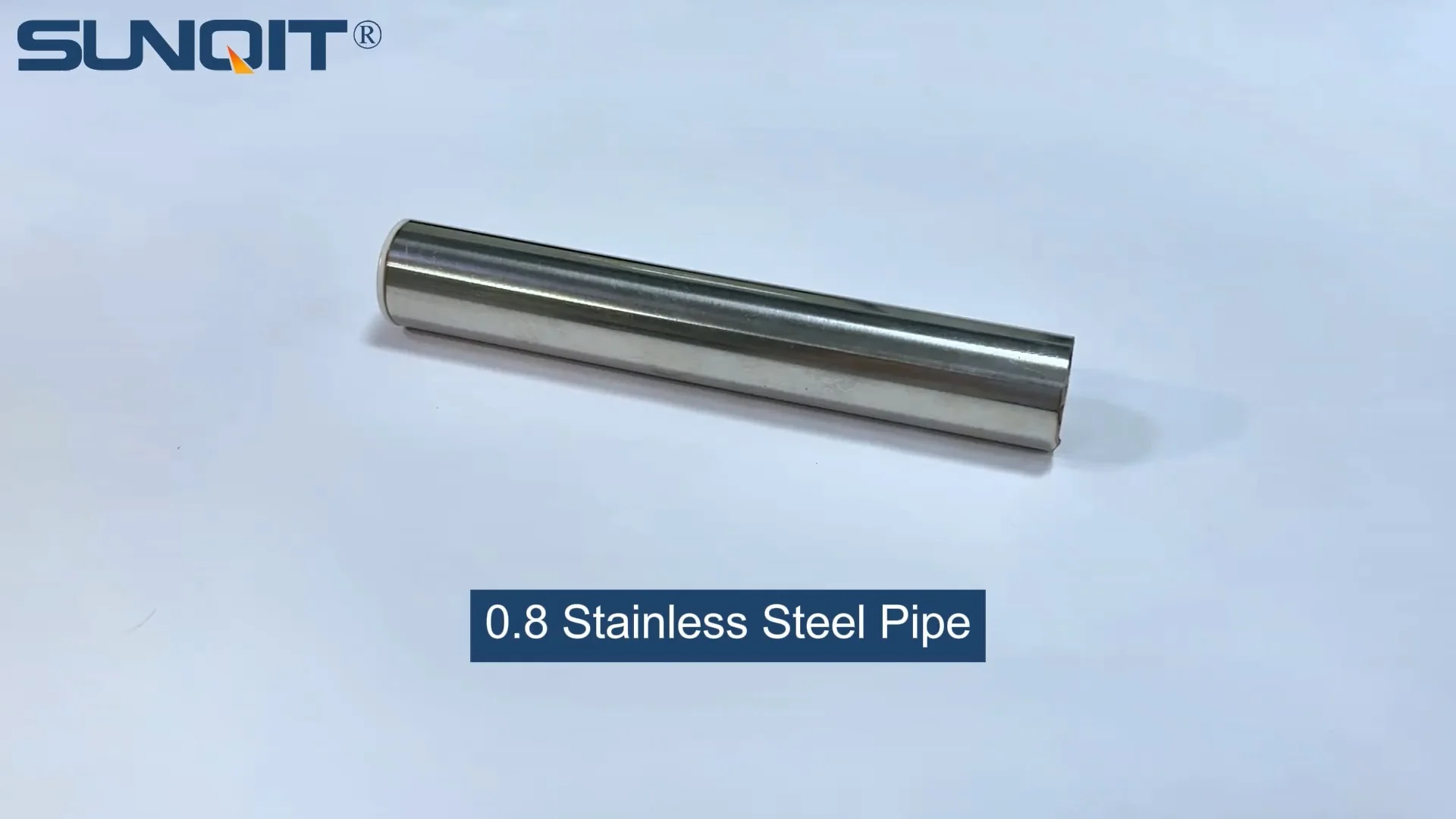
Stainless steel pipe, lean pipe, diameter is 28mm, material is SS201 or SS304, SS201 is normally used in the market. It knows a KARAKURI, KAIZEN material for industrial plant to improve efficiency, save labor cost, standard management.
In the fast-paced world of manufacturing, where every component plays a role in keeping operations running smoothly, few items are as yet essential as the 1.0mm stainless steel pipe. These slender, durable tubes are the unsung heroes of production lines, supporting everything from lean pipe workbenches to conveyor systems and material racks. But not all 1.0mm stainless steel pipes are created equal—and neither are their suppliers. When sourcing these critical components, the age-old debate of quality vs price takes center stage. Choosing the cheapest option might save money today, but a single faulty pipe could lead to costly downtime, safety risks, or product defects tomorrow. On the flip side, overpaying for premium quality when your application doesn't demand it can eat into profit margins unnecessarily. So, how do you strike the right balance? This article dives into the key factors to consider when comparing 1.0mm stainless steel pipe suppliers, helping you make an informed decision that aligns with your budget, quality needs, and long-term operational goals.
Why 1.0mm Stainless Steel Pipes Matter in Modern Manufacturing
Before we jump into supplier comparisons, let's first understand why 1.0mm stainless steel pipes have become a staple in industries ranging from automotive and electronics to food processing and pharmaceuticals. At just 1mm thick, these pipes hit a sweet spot between strength and flexibility. They're lightweight enough for easy assembly—think of building a quick-adjustable workbench or a mobile turnover trolley—yet robust enough to support heavy loads, resist corrosion, and withstand the daily grind of factory environments. Unlike thicker pipes, which add unnecessary weight and cost, the 1.0mm variant is optimized for applications where precision and efficiency matter most, such as lean manufacturing systems that prioritize minimal waste and maximum adaptability.
The "stainless" in their name is no marketing gimmick, either. Stainless steel owes its rust-resistant properties to chromium, which forms a thin, invisible oxide layer on the surface. This layer self-heals when damaged, making the pipes ideal for environments where moisture, chemicals, or sanitation are concerns. For example, in a food packaging facility, a 1.0mm stainless steel pipe used in a conveyor system won't rust or contaminate products, ensuring compliance with strict health regulations. In electronics manufacturing, where static control is critical, some suppliers even offer ESD (electrostatic discharge) treated stainless steel pipe series, adding another layer of functionality.
Key Quality Metrics to Evaluate in Suppliers
When evaluating a 1.0mm stainless steel pipe supplier, price should never be the first consideration. Instead, start with quality—because a pipe that fails prematurely will cost far more than any upfront savings. Here are the critical quality metrics to prioritize:
Material Grade and Composition
Not all stainless steel is the same. The two most common grades for industrial pipes are 304 and 316. 304 stainless steel, often called "food-grade" stainless, contains 18% chromium and 8% nickel, offering excellent corrosion resistance for general use. It's the go-to choice for most manufacturing applications, from workbenches to material racks. 316 stainless steel, on the other hand, includes molybdenum, which enhances its resistance to saltwater, acids, and harsh chemicals—making it ideal for marine environments or pharmaceutical production. A reputable supplier will clearly state the grade of their pipes and provide material certificates (such as mill test reports) to back it up. Avoid suppliers who vague on details; if they can't confirm the grade, it's a red flag for inconsistent quality.
Wall Thickness Consistency
The "1.0mm" in 1.0mm stainless steel pipe refers to the wall thickness, a critical factor in determining strength and durability. Even a small deviation—say, 0.05mm thinner in some sections—can weaken the pipe, leading to bending or collapse under load. To ensure consistency, top suppliers use ultrasonic thickness testing on every batch, providing reports that verify the pipe meets the 1.0mm specification across its entire length. In contrast, budget-focused suppliers may skip this step, resulting in pipes that vary in thickness, compromising structural integrity. For example, a manufacturer using inconsistent pipes in a lean pipe workbench might find that some sections sag under tool weight, requiring frequent repairs.
Surface Finish and Cleanliness
The surface of a stainless steel pipe isn't just about aesthetics—it impacts functionality and longevity. A smooth, polished finish resists dirt buildup, making cleaning easier (a must in food or medical settings) and reducing the risk of corrosion. Suppliers achieve this through processes like electropolishing or mechanical polishing. Look for pipes with a uniform finish, free of scratches, pits, or discoloration. A rough or uneven surface can trap moisture and bacteria, defeating the purpose of stainless steel's corrosion resistance. Some suppliers even offer specialized finishes, such as brushed or matte, for applications where glare reduction is important, like assembly lines with overhead lighting.
Certifications and Quality Control
Quality isn't accidental—it's built into a supplier's processes. Reputable 1.0mm stainless steel pipe suppliers invest in certifications like ISO 9001 (for quality management systems) or ASTM International standards (which set benchmarks for material properties, dimensions, and performance). These certifications ensure the supplier follows strict protocols for raw material sourcing, manufacturing, and testing. For example, an ISO 9001-certified supplier will have documented procedures for inspecting incoming steel coils, monitoring production temperatures, and testing finished pipes. Ask to see these certifications; a supplier who hesitates to share them likely cuts corners on quality control.

Pricing Factors: What Drives the Cost of 1.0mm Stainless Steel Pipes?
Once you've established what constitutes quality, it's time to unpack pricing. The cost of 1.0mm stainless steel pipes varies widely between suppliers, but the difference rarely comes down to random markups. Instead, several factors influence price, and understanding them can help you determine whether a supplier's quote is fair—or a sign of hidden corners being cut.
Raw Material Costs
Stainless steel prices are tied to global commodity markets, with nickel and chromium being the biggest drivers. When nickel prices spike (as they did in 2022), pipe prices follow suit. Large suppliers with long-term contracts for raw materials can often negotiate better rates, passing savings to customers. Smaller suppliers, however, may have less buying power, leading to higher prices or inconsistent costs. Additionally, the grade of stainless steel matters: 316 pipes will always cost more than 304 due to the added molybdenum. Be wary of suppliers offering 316 pipes at 304 prices—this is often a sign of mislabeling or diluted alloys.
Manufacturing Processes
How a pipe is made affects both quality and cost. Seamless pipes, made by piercing a solid steel billet and drawing it into shape, are stronger and more uniform but require expensive machinery, driving up prices. Welded pipes, made by rolling steel strips into tubes and welding the seam, are cheaper to produce but may have weaker spots at the weld if not properly inspected. Most 1.0mm stainless steel pipes for industrial use are welded, but the quality of the weld matters. High-end suppliers use automated TIG (tungsten inert gas) welding for clean, strong seams, while budget suppliers may use cheaper MIG (metal inert gas) welding with less precise control. The latter can result in weak or porous welds that fail under stress.
Supplier Scale and Location
A supplier's size and location play a role in pricing, too. Large, vertically integrated suppliers—those that produce their own steel, manufacture pipes, and distribute directly—can often offer lower prices by cutting out middlemen. Conversely, small suppliers who outsource manufacturing may have higher costs. Location also impacts shipping: a local supplier might charge more per foot but save you money on freight, especially for large orders. Overseas suppliers (e.g., from Asia) often have lower base prices but may add hidden costs like import duties, customs fees, or long lead times (8–12 weeks vs. 2–4 weeks for domestic suppliers). For time-sensitive projects, the extra week or two of waiting for overseas pipes could cost more than the upfront savings.
Minimum Order Quantities (MOQs)
Many suppliers require minimum order quantities (MOQs) to justify production runs. For example, a large manufacturer might require you to buy 1,000 feet of pipe at once, while a smaller supplier may accept orders as low as 100 feet. MOQs can make a big difference in per-unit pricing: bulk orders often qualify for discounts, but if you only need 200 feet, a supplier with a 1,000-foot MOQ could force you to overbuy, wasting money. Some suppliers offer "short runs" for smaller orders but charge a premium—so weigh the cost of excess inventory vs. the premium for smaller batches.

Case Study: Comparing 1.0mm Stainless Steel Pipe Suppliers
To put these factors into context, let's compare three hypothetical suppliers—each representing a different approach to quality and pricing. While their names are fictional, their profiles reflect common scenarios you might encounter in the market.
| Supplier | Quality Certifications | Price Range (per foot) | Lead Time | Key Strengths | Potential Drawbacks |
|---|---|---|---|---|---|
| BudgetSteel Co. | No formal certifications; claims "304-grade" but no test reports | $2.20–$2.50 | 4–6 weeks (overseas) | Lowest upfront cost; accepts small MOQs (50+ feet) | Inconsistent wall thickness; rough surface finish; no after-sales support |
| Balanced Solutions Inc. | ISO 9001 certified; provides ASTM A312 compliance reports for 304 stainless steel | $3.50–$3.80 | 2–3 weeks (domestic) | Consistent wall thickness (±0.02mm); polished surface; dedicated account manager | Higher price than budget options; MOQ of 200 feet |
| Premium Metals Ltd. | ISO 9001, ASME BPVC certified; 304 and 316 grade options with full material traceability | $5.00–$5.50 (304); $7.00–$7.50 (316) | 1–2 weeks (domestic, with expedited options) | Ultrasonic testing on every pipe; ESD-treated finishes available; 24/7 technical support | Premium pricing; high MOQ (500+ feet for 316 grade) |
BudgetSteel Co.: The Temptation of Low Cost
BudgetSteel Co. lures buyers with rock-bottom prices—$2.20 per foot for 1.0mm stainless steel pipe. For a small manufacturer needing 100 feet of pipe for a simple material rack, that's just $220 upfront. But the savings come with risks. A local electronics plant that sourced from BudgetSteel reported issues within three months: pipes on their lean pipe workbench began to rust in humid conditions (suggesting subpar chromium content), and some sections bent under the weight of tools (likely due to inconsistent wall thickness). When they contacted BudgetSteel for a refund or replacement, they received no response—no surprise, given the lack of after-sales support. The plant ultimately had to replace all 100 feet of pipe, costing $380 with a new supplier, plus $500 in downtime. The "cheap" pipes ended up costing nearly $1,100 total.
Balanced Solutions Inc.: The Middle Ground
Balanced Solutions Inc. targets buyers who want quality without the premium price tag. At $3.50 per foot, their 304 stainless steel pipes are more expensive than BudgetSteel but include ISO 9001 certification and ASTM compliance reports. A automotive parts manufacturer that switched to Balanced Solutions after a bad experience with BudgetSteel noted immediate improvements: pipes had consistent thickness (verified via ultrasonic testing reports), a smooth polished finish that was easy to clean, and no rust after six months of use in a damp facility. The manufacturer also appreciated the dedicated account manager, who helped them optimize their order size to avoid overbuying (200 feet instead of 1,000) and provided quick answers to technical questions. While the upfront cost was 59% higher than BudgetSteel, the lack of downtime and replacement costs made it a better long-term value.
Premium Metals Ltd.: The Gold Standard (for High-Stakes Applications)
Premium Metals Ltd. caters to industries where failure is not an option—think pharmaceutical manufacturing or aerospace. Their 316-grade pipes ($7.00 per foot) are certified to ASME BPVC standards, ensuring they can withstand harsh chemicals and extreme temperatures. A medical device maker using Premium Metals pipes in their cleanroom conveyor systems praised the material traceability: every pipe came with a certificate linking it to a specific batch of steel, critical for FDA audits. The supplier also offered ESD-treated pipes to prevent static damage to sensitive electronics, a feature BudgetSteel and Balanced Solutions didn't provide. For most general manufacturing, Premium Metals is overkill—but for high-regulation or high-risk environments, the premium price buys peace of mind.
Beyond Price and Quality: Other Factors to Consider
While quality and price are the main players, other factors can tip the scales when choosing a 1.0mm stainless steel pipe supplier. These "soft" factors often separate good suppliers from great ones:
Customer Service and Communication
A supplier who answers calls promptly, returns emails within hours, and provides clear, honest answers to questions is worth their weight in steel. For example, if you're unsure whether 304 or 316 grade is right for your application, a knowledgeable sales rep should ask about your environment (moisture? chemicals?), load requirements, and compliance needs, then recommend the best option—not just push the most expensive product. Poor communication, on the other hand, can lead to mistakes: ordering the wrong grade, misinterpreting MOQs, or missing delivery deadlines. Read online reviews or ask for references to gauge a supplier's customer service reputation.
After-Sales Support
Even the best suppliers make mistakes. What matters is how they fix them. A reputable supplier will replace defective pipes at no cost, offer technical support if you're struggling with installation, or help you file warranty claims. For example, if a batch of pipes arrives with scratches, a good supplier should send replacements within 48 hours and cover return shipping. Avoid suppliers with rigid "no returns" policies or who blame customers for issues (e.g., "You must have stored them wrong" when pipes rust prematurely).
Sustainability Practices
In an era of increasing environmental awareness, some buyers prioritize suppliers with strong sustainability credentials. Look for suppliers who use recycled stainless steel (30–40% recycled content is common), minimize waste in production, or offset carbon emissions from shipping. While this may not directly impact pipe quality, it can align with your company's ESG (environmental, social, governance) goals and improve brand reputation.
Conclusion: Finding Your Perfect Supplier Match
Choosing a 1.0mm stainless steel pipe supplier isn't about picking the cheapest or the most expensive option—it's about finding the one that aligns with your specific needs. For low-stakes applications (e.g., a small storage rack in a dry warehouse), a mid-range supplier like Balanced Solutions Inc. offers the best balance of quality and cost. For high-risk environments (e.g., food processing, pharmaceuticals), the premium price of a supplier like Premium Metals Ltd. is justified by the certifications, traceability, and durability. And while BudgetSteel Co.-type suppliers may seem tempting, the hidden costs of poor quality often make them the most expensive choice in the long run.
Remember: a 1.0mm stainless steel pipe is more than just a tube—it's a foundation for your operation. Take the time to verify quality (ask for certifications and test reports), understand pricing drivers (raw materials, manufacturing, MOQs), and evaluate soft factors (customer service, after-sales support). By doing so, you'll find a supplier who doesn't just sell you pipes, but partners with you to keep your production line strong, efficient, and profitable for years to come.