- Company Articles
- Products and Technology
- Product knowledge
- Comparing 1.5mm Stainless Steel Pipe Grades for Industrial Applications

Comparing 1.5mm Stainless Steel Pipe Grades for Industrial Applications
Related Product
1.5mm Stainless Steel Pipe
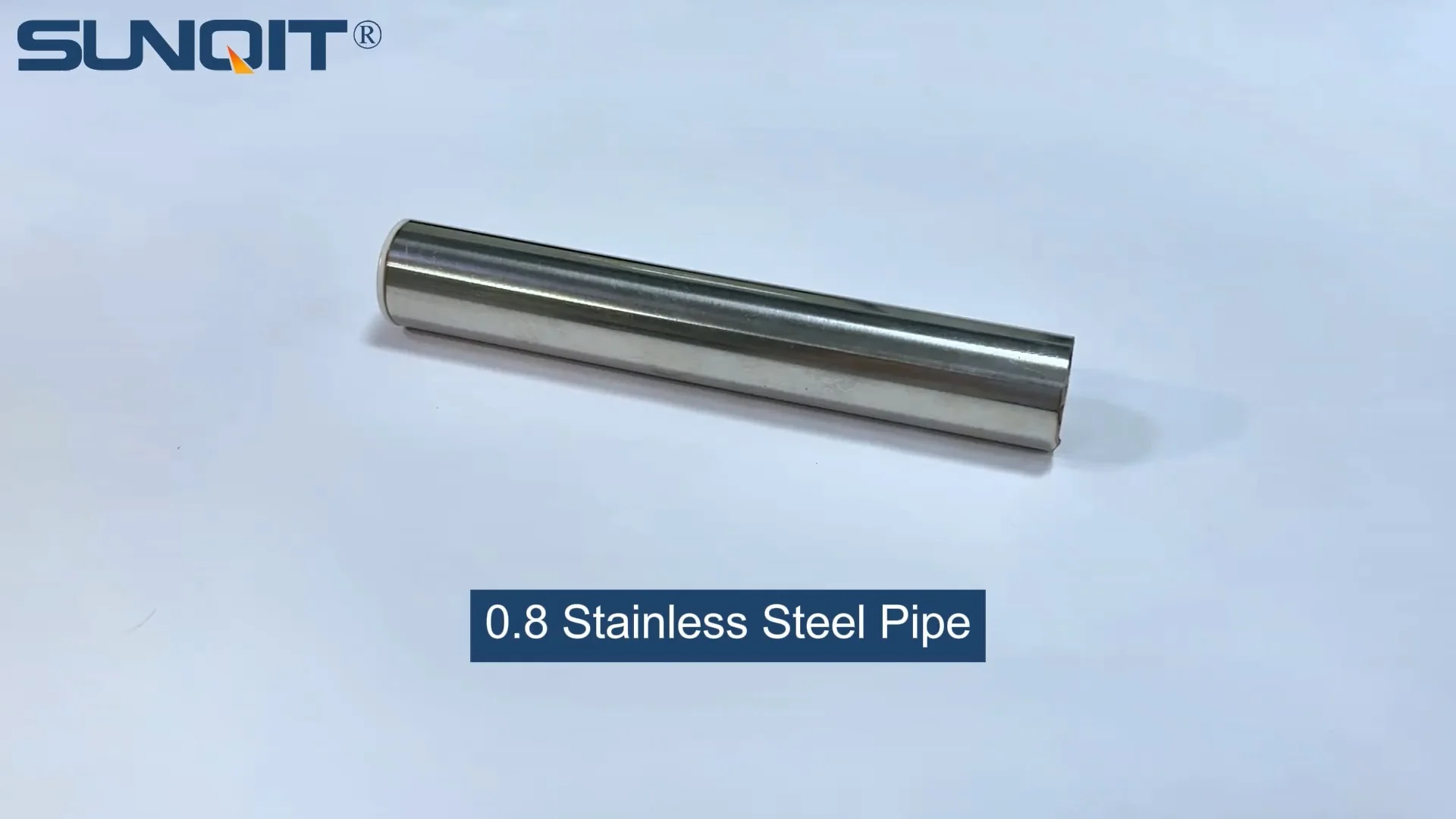
Stainless steel pipe, lean pipe, diameter is 28mm, material is SS201 or SS304, SS201 is normally used in the market. It knows a KARAKURI, KAIZEN material for industrial plant to improve efficiency, save labor cost, standard management.
In the bustling world of industrial operations, where efficiency and reliability are the cornerstones of success, even the smallest components play a starring role. Take, for instance, the humble stainless steel pipe—a seemingly unassuming element that quietly holds together everything from assembly lines to storage systems. Among the various thicknesses available, 1.5mm stainless steel pipes have emerged as a workhorse, striking a perfect balance between strength, flexibility, and cost-effectiveness. But here's the catch: not all stainless steel pipes are created equal. The grade of stainless steel used can drastically impact performance, longevity, and even safety in industrial settings. Whether you're building a sturdy workbench, setting up a roller track for material handling, or sourcing components for a lean manufacturing system, choosing the right 1.5mm stainless steel grade is non-negotiable. Let's dive into the world of these versatile pipes, exploring the most common grades, their unique properties, and how they stack up in real-world applications.
Why 1.5mm Thickness? The Sweet Spot for Industrial Use
Before we jump into grades, let's pause to appreciate why 1.5mm has become a go-to thickness for industrial stainless steel pipes. Think of it as the Goldilocks of pipe thicknesses—not too thin, not too thick, but just right. At 1.5mm, these pipes offer enough structural integrity to support moderate to heavy loads, making them ideal for frameworks, shelving, and conveyor systems. Yet, they're not so thick that they become cumbersome to work with; bending, cutting, and assembling them into custom structures (like the workbenches or roller tracks you might source from a lean pipe supplier) is relatively straightforward. Compare this to thinner pipes (say, 1.2mm), which might flex under heavy weight, or thicker ones (2.0mm), which add unnecessary bulk and cost for many applications. For industries ranging from automotive manufacturing to food processing, 1.5mm pipes hit that sweet spot where durability meets practicality.
Another reason 1.5mm stands out is its compatibility with standard industrial components. Many roller track systems, for example, are designed to pair seamlessly with 1.5mm pipes, ensuring a snug fit and smooth material flow. Similarly, workbench frames built with 1.5mm stainless steel pipes can easily accommodate accessories like clamps, shelves, or tool holders without compromising stability. It's this versatility that has made 1.5mm pipes a staple in the stainless steel pipe series, trusted by engineers and facility managers alike.
Common Stainless Steel Grades for 1.5mm Pipes
Stainless steel is an alloy, meaning it's a mix of iron, chromium, and other elements that enhance its properties. The "grade" refers to the specific blend of these elements, which dictates characteristics like corrosion resistance, strength, and heat tolerance. For 1.5mm industrial pipes, four grades dominate the market: 304, 316, 430, and 201. Each has its own strengths and weaknesses, making them better suited for certain environments than others. Let's break them down.
Grade 304: The All-Rounder
If there's a "default" stainless steel grade, it's 304. Sometimes called "18/8" stainless steel (referring to its 18% chromium and 8% nickel content), 304 is the most widely used grade in the world—and for good reason. Its high chromium content forms a protective oxide layer on the surface, making it highly resistant to rust and corrosion in most everyday environments. Think of it as the reliable friend who shows up for every occasion: it works well in dry, indoor settings (like factory workbenches) and holds its own in moderately moist environments, too.
In terms of strength, 1.5mm 304 pipes have a tensile strength of around 515 MPa and a yield strength of 205 MPa, which means they can handle significant stress before deforming. This makes them perfect for load-bearing structures like roller tracks, where the pipe needs to support the weight of moving materials without bending. Cost-wise, 304 is mid-range—more expensive than budget grades like 430 but far more affordable than high-performance grades like 316. For most industrial applications that don't involve extreme chemicals or saltwater, 304 is the go-to choice.
Grade 316: The Corrosion Fighter
If 304 is the all-rounder, 316 is the specialist—specifically, a corrosion specialist. What sets 316 apart is the addition of molybdenum (usually around 2-3%), a element that supercharges its resistance to pitting and crevice corrosion, especially in harsh environments. Think saltwater, acidic solutions, or high-humidity settings where 304 might start to show signs of wear over time. For example, a food processing plant that uses citrus-based cleaners, or a coastal manufacturing facility where salt air is a constant presence, would benefit greatly from 1.5mm 316 pipes.
Strength-wise, 316 is comparable to 304, with a tensile strength of about 515 MPa and yield strength of 205 MPa. The trade-off? Cost. Molybdenum isn't cheap, so 316 pipes typically cost 20-30% more than 304. But in environments where corrosion could lead to equipment failure (and costly downtime), that extra investment is often worth it. You'll also find 316 in medical equipment and pharmaceutical manufacturing, where cleanliness and resistance to sterilizing agents are non-negotiable.
Grade 430: The Budget-Friendly Option
Not every industrial application requires top-tier corrosion resistance, and that's where Grade 430 comes in. Often called "ferritic" stainless steel, 430 contains chromium (around 17%) but little to no nickel, which makes it significantly cheaper than 304 or 316. It's also magnetic, unlike 304 and 316, which can be a plus in applications where magnetic properties are useful (e.g., holding metal parts in place on a workbench).
However, there's a catch: 430's corrosion resistance is noticeably lower than 304. It holds up well in dry, indoor environments—think a warehouse shelf or a workbench in a low-humidity workshop—but expose it to moisture, salt, or chemicals, and it may rust over time. Strength-wise, it's slightly less robust than 304, with a tensile strength of around 450 MPa and yield strength of 205 MPa. For cost-sensitive projects where corrosion isn't a major concern, 430 is a solid choice, but it's not a substitute for 304 or 316 in harsh conditions.
Grade 201: The Economy Alternative
Grade 201 is the budget option for those who need stainless steel but can't stretch to 304. It's part of the "austenitic" family (like 304 and 316) but uses manganese and nitrogen instead of nickel to achieve its properties, making it much more affordable. However, this comes with significant compromises. 201 has lower corrosion resistance than 304—even in moderately moist environments, it may develop rust spots over time. It's also less ductile, meaning it's harder to bend or form into complex shapes without cracking.
So when is 201 a good fit? For temporary structures, low-cost shelving, or applications where the pipe is painted or coated to add a layer of protection. But for critical components like roller tracks or workbenches that need to last years, 201 is rarely the best choice. It's more of a "make do" option for tight budgets, not a long-term solution.

Detailed Comparison: How the Grades Stack Up
To make it easier to compare, let's put the key properties of these grades side by side. The table below breaks down their composition, corrosion resistance, strength, and best uses—perfect for referencing when you're chatting with a lean pipe supplier about your next project.
| Property | Grade 304 | Grade 316 | Grade 430 | Grade 201 |
|---|---|---|---|---|
| Composition | 18% Cr, 8% Ni | 16% Cr, 10% Ni, 2-3% Mo | 17% Cr, <1% Ni | 16% Cr, 5% Ni, Mn, N |
| Corrosion Resistance | Excellent (mild chemicals, water) | Superior (saltwater, acids, high humidity) | Good (dry/indoor only) | Fair (low moisture, non-chemical) |
| Tensile Strength | 515 MPa | 515 MPa | 450 MPa | 620 MPa (higher, but less ductile) |
| Yield Strength | 205 MPa | 205 MPa | 205 MPa | 310 MPa |
| Cost | Mid-range | High | Low | Lowest |
| Best For | General industrial use, workbenches, dry/moist environments | Marine, food processing, chemical plants, coastal areas | Indoor shelving, non-critical structures, magnetic applications | Temporary setups, low-cost, low-exposure projects |

Real-World Applications: Where Each Grade Shines
Numbers and tables are helpful, but nothing beats seeing how these grades perform in real industrial settings. Let's walk through a few scenarios to understand which grade makes sense where.
Automotive Manufacturing: Grade 304 Takes the Lead
Automotive plants are busy, high-energy environments with a mix of dry assembly lines and occasional exposure to lubricants or coolants. For structures like workbenches where mechanics assemble engine parts, or roller tracks that move car components from one station to the next, 1.5mm Grade 304 pipes are ideal. They resist the occasional oil spill, stand up to the daily wear of heavy tools, and are easy to clean—all without the added cost of 316. A lean pipe supplier catering to automotive clients will likely stock 304 as their primary option, with 316 available for specialized areas (like parts washing stations with acidic detergents).
Food & Beverage Processing: 316 for Peace of Mind
In food processing, cleanliness and corrosion resistance are non-negotiable. Think about a dairy plant where pipes and workbenches are regularly hosed down with hot water and sanitizers, or a brewery that uses caustic solutions to clean equipment. Here, 304 might hold up for a while, but over time, the constant moisture and chemicals can lead to pinhole corrosion. 1.5mm Grade 316 pipes, with their molybdenum boost, are the safer bet. They'll resist the harsh cleaners, prevent rust from contaminating products, and extend the lifespan of critical equipment like conveyor systems or ingredient storage racks. It's an investment, but one that pays off in compliance with food safety regulations and reduced downtime.
Warehousing & Logistics: 430 for Budget-Friendly Storage
Not all industrial spaces need the corrosion resistance of 304 or 316. Take a dry warehouse storing non-perishable goods, where the main job of 1.5mm pipes is to support shelving or form the frame of a simple hand trolley. Here, Grade 430 makes perfect sense. It's strong enough to hold boxes of inventory, magnetic (which can help with securing metal labels or tools), and significantly cheaper than 304. A lean pipe supplier might even recommend 430 for temporary storage setups or low-traffic areas where durability is important but corrosion risk is minimal.
Coastal Manufacturing: 316 Beats the Salt Air
Imagine a manufacturing facility near the ocean—say, in a port city where salt-laden air is a constant presence. Even indoor spaces in such locations can have higher humidity and salt levels, which spells trouble for most stainless steel grades. 304 might start to rust within a year or two, while 430 would corrode even faster. 1.5mm Grade 316 pipes, however, laugh in the face of salt air. Their molybdenum content creates a barrier against pitting, ensuring that structures like roller tracks or outdoor workbenches remain strong and rust-free for years. It's a classic case of spending a little more upfront to avoid costly replacements down the line.
How to Choose the Right Grade: Key Factors to Consider
Now that you know the basics, how do you decide which grade is right for your project? Start by asking yourself these four questions:
- What's the environment like? Is it dry, moist, or exposed to chemicals/salt? Moist or chemical-heavy = 316. Dry and indoor = 304 or 430. Budget-crunched and low-risk = 201 (but proceed with caution).
- What load will the pipe bear? All four grades handle moderate loads, but if you're supporting extremely heavy weight (e.g., industrial machinery), ensure the grade's yield strength (check the table!) aligns with your needs. 304 and 316 are slightly stronger than 430.
- What's your budget? 316 is the priciest, followed by 304, then 430, then 201. Don't overspend on 316 if you don't need its corrosion resistance, but don't skimp on 304 if 430 will fail in your environment.
- Are there regulatory requirements? Food, pharmaceutical, or medical industries often have strict standards for materials. 316 is often the default here due to its high corrosion resistance and cleanliness.
When in doubt, consult a lean pipe supplier or material expert. They'll have seen hundreds of projects like yours and can guide you to the right grade—saving you time, money, and headaches in the long run.
Maintenance Tips: Keeping Your 1.5mm Pipes in Top Shape
Even the best stainless steel grade needs a little TLC to perform at its best. Here are some maintenance tips to extend the life of your 1.5mm pipes:
- Clean regularly. Wipe down pipes with a mild detergent and water to remove dirt, oils, or chemicals that can trap moisture and cause corrosion. This is especially important for 304 and 430 in moist environments.
- Avoid abrasive cleaners. Steel wool or harsh scouring pads can scratch the protective oxide layer, making the pipe more vulnerable to rust. Stick to soft cloths or non-abrasive sponges.
- Inspect for scratches or dents. Deep scratches can penetrate the oxide layer—if you notice one, gently sand the area with fine-grit sandpaper and apply a stainless steel polish to help rebuild the protective layer.
- For 316 in marine environments: Rinse with fresh water periodically to wash away salt buildup, which can eventually wear down even 316's corrosion resistance.
Conclusion: The Right Grade Makes All the Difference
1.5mm stainless steel pipes are the unsung heroes of industrial design—quietly supporting everything from workbenches to roller tracks, and keeping operations running smoothly. But as we've seen, not all grades are created equal. Grade 304 is the reliable workhorse for most indoor and moderately moist settings; Grade 316 is the corrosion-fighting specialist for harsh environments; Grade 430 is the budget-friendly choice for dry, low-risk applications; and Grade 201 is the last resort for tight budgets. By understanding the unique properties of each grade and matching them to your environment, load, and budget, you can ensure that your pipes stand the test of time.
Remember, when in doubt, reach out to a trusted lean pipe supplier. They'll have hands-on experience with these grades in real-world settings and can help you avoid costly mistakes. After all, the goal isn't just to buy a pipe—it's to build a structure that works for you, today and for years to come. Choose wisely, and your 1.5mm stainless steel pipes will repay you with durability, reliability, and peace of mind.