- Company Articles
- Products and Technology
- Product knowledge
- Comparing 40 Aluminum Roller Track White to 50mm: Which Fits Your Project?

Comparing 40 Aluminum Roller Track White to 50mm: Which Fits Your Project?
Related Product
40 Aluminum Roller Track White
Durable and smooth-running modular roller rails. The system is fully assembled. The roller rail profile contains plastic rollers mounted on steel axles. Aluminum frame with plastic wheel make it anti corrosion,and material convey more smooth.
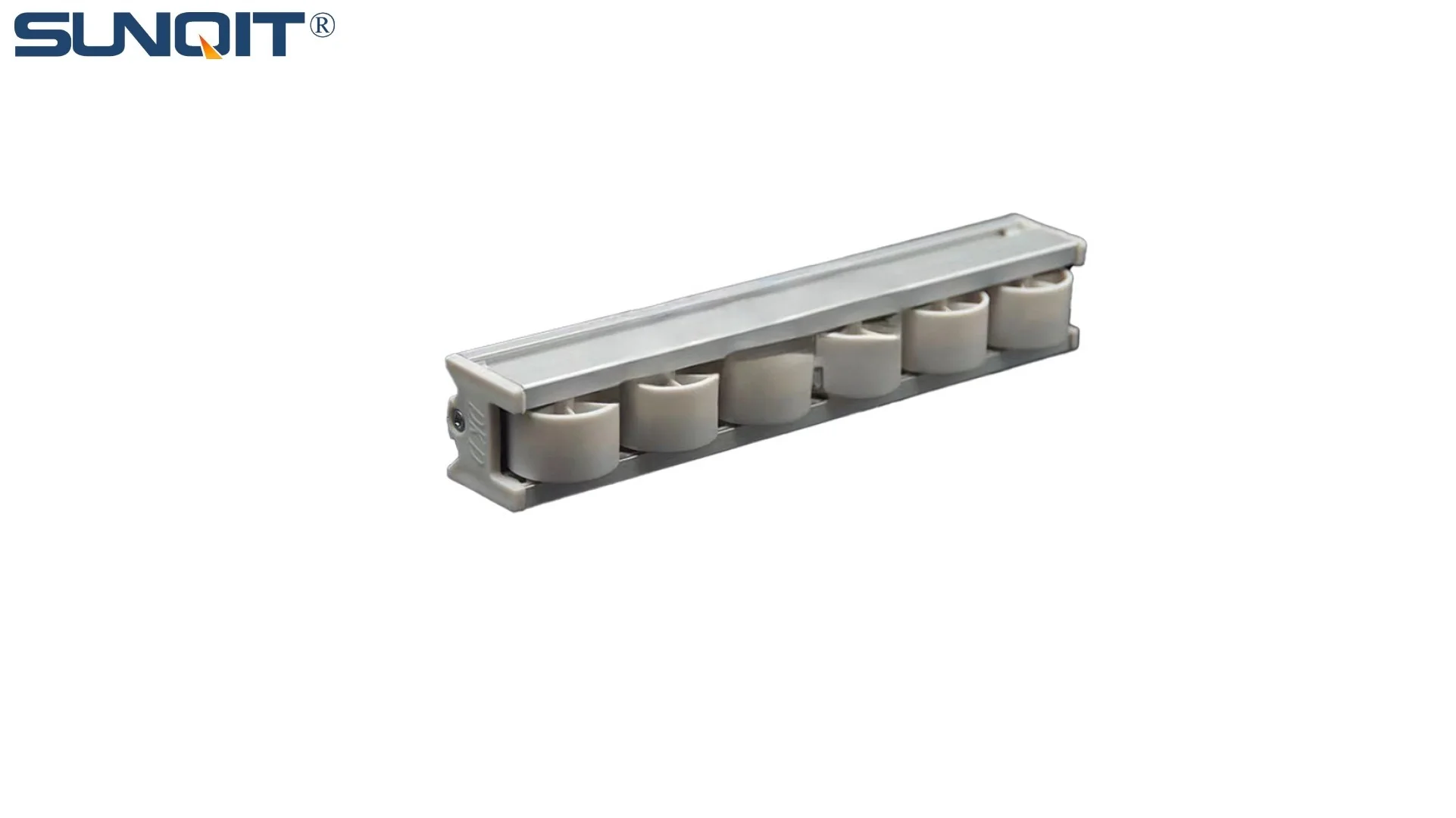
When it comes to setting up an efficient workflow—whether in a factory, warehouse, or small workshop—the little details often make the biggest difference. And one of those details that's easy to overlook? The roller track. These unassuming systems of wheels and rails are the backbone of smooth material handling, ensuring parts glide from point A to B without hitches. But not all roller tracks are created equal. Today, we're diving into two popular options: the 40 Aluminum Roller Track White and the 50mm roller track. By the end, you'll know exactly which one deserves a spot in your project.
Understanding the Basics: What Are Roller Tracks, Anyway?
Before we compare, let's get on the same page. Roller tracks are linear systems designed to move materials—think small parts, boxes, or components—with minimal effort. They use a series of rollers (usually plastic, steel, or aluminum) mounted on a frame, allowing items to slide or roll along the track via gravity, manual push, or automated systems. They're everywhere: in assembly lines, warehouses, workshops, and even retail spaces. And when paired with the right roller track accessories —like connectors, guide rails, or support brackets—they become incredibly versatile tools for streamlining operations.
Now, the numbers "40" and "50mm" refer to the track's width—the distance between the two side rails that hold the rollers. This might seem like a small difference, but in material handling, millimeters matter. A 40mm track is narrower than a 50mm one, and that impacts everything from load capacity to compatibility with other equipment. Let's break them down.
Meet the 40 Aluminum Roller Track White: Lightweight Precision for Small to Medium Jobs
Let's start with the 40 Aluminum Roller Track White. As the name suggests, this track is made from aluminum—specifically, aluminum extrusion profile , which is lightweight, corrosion-resistant, and easy to shape. The "white" finish isn't just for looks; it's often a powder coating that adds durability and makes it easier to spot small parts (no more losing screws in dark crevices!). At 40mm wide, it's compact, making it ideal for tight spaces or applications where you don't need to move bulky items.
Key Features of 40 Aluminum Roller Track White
- Lightweight but Strong: Aluminum is about a third the weight of steel, so installing and reconfiguring the track is a one-person job. Don't let the lightness fool you, though—quality aluminum tracks can handle 10–15kg per linear meter, which is more than enough for small electronics, cosmetics, or pharmaceutical components.
- Smooth Rolling Action: The rollers are usually plastic (often white or yellow) with precision bearings, so items glide without sticking. This is crucial for maintaining a steady workflow—no more stopping to unjam a stubborn part.
- Easy to Assemble with Standard Accessories: It plays well with common roller track accessories like aluminum guide rail A (for aligning items) or roller track placon mounts (which attach the track to aluminum profiles or workbenches). If you're already using aluminum profiles in your workspace, this track will integrate seamlessly.
- Corrosion Resistance: Aluminum naturally resists rust, so it's a good fit for humid environments—think food processing, cleanrooms, or coastal factories. The white coating adds an extra layer of protection against scratches.
Where Does It Shine? Common Applications
The 40mm white aluminum track is a workhorse in settings where precision and space efficiency matter most. Here are a few places you'll often find it:
- Electronics Assembly Lines: Moving circuit boards, sensors, or small components between workstations. Its smooth roll prevents damage to delicate parts, and the white color makes it easy to see if a part has fallen off the track.
- Workbenches: Paired with a workbench (like the "Workbench E (single deck-without caster)" from many suppliers), it creates a dynamic surface where tools or slide right to the operator. No more reaching across the bench—everything comes to you.
- Small Parts Flow Racks: In warehouses or distribution centers, it's used in compact flow racks to organize screws, washers, or small hardware. The narrow width means you can fit more tracks per rack, maximizing storage density.
- Lean Systems: Lean manufacturing thrives on minimizing waste, and this track fits the bill. It's easy to reconfigure (thanks to aluminum joints), so you can adapt your workflow as needs change without buying entirely new equipment.
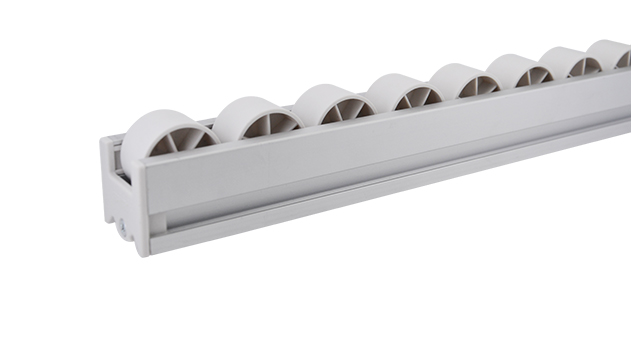
Now, the 50mm Roller Track: Heavy-Duty Muscle for Bulky Loads
On the other end of the spectrum is the 50mm roller track. Unlike the 40mm, which is almost always aluminum, 50mm tracks can be made from steel, aluminum, or even stainless steel, depending on the application. The extra 10mm in width might not sound like much, but it translates to a sturdier frame, larger rollers, and significantly higher load capacity. This is the track you call when you need to move heavy, awkward, or large items.
Key Features of 50mm Roller Track
- High Load Capacity: Steel 50mm tracks can handle 25–40kg per linear meter (or more with reinforced frames), while aluminum versions still hit 15–25kg. This makes them perfect for car parts, large tooling, or heavy boxes.
- Durable Rollers: Rollers are often steel or heavy-duty plastic with thick axles. Some even have rubber coatings to absorb shock, protecting both the track and the items being moved.
- Sturdy Construction: The wider frame means more stability, so the track is less likely to bend or warp under stress. This is critical for long-term use in high-traffic areas like warehouses.
- Compatibility with Heavy-Duty Accessories: It works with robust roller track accessories like caster wheels (for mobile carts), stainless steel swivel roller balls (to redirect items), or heavy-duty connectors that bolt directly to concrete floors.
Where Does It Excel? Common Applications
The 50mm track is all about heavy lifting (literally). Here are its go-to jobs:
- Automotive and Heavy Manufacturing: Moving engine parts, transmission components, or metal sheets. A 50mm steel track can handle the weight without flexing, ensuring parts stay aligned during transport.
- Warehouse Pallet Flow Systems: While not for full pallets (that's for conveyor systems), 50mm tracks are used in gravity-fed racks for large boxes or bulk items. The extra width prevents items from tipping over.
- Turnover Trolleys and Racks: Trolleys with 50mm tracks are common in factories for moving tools or finished products between departments. The caster wheels (another key accessory) make them easy to push, even with heavy loads.
- Industrial Workstations: In settings like metal fabrication or woodworking, where tools and materials are bulky, a 50mm track on the workbench keeps everything within reach without straining the operator.

Side-by-Side: 40 Aluminum Roller Track White vs. 50mm Roller Track
Still not sure which is right for you? Let's put them head-to-head in a table. We'll focus on the most important factors for project planning:
| Feature | 40 Aluminum Roller Track White | 50mm Roller Track (Steel/Aluminum) |
|---|---|---|
| Material | Aluminum extrusion profile (white powder coat) | Steel, aluminum, or stainless steel |
| Width | 40mm | 50mm |
| Load Capacity (per linear meter) | 10–15kg | 15–40kg (steel > aluminum) |
| Weight (per meter) | 1.2–1.8kg (lightweight) | 2.5–4kg (heavier, steel > aluminum) |
| Best For | Small parts, electronics, workbenches, lean systems | Heavy items, automotive parts, warehouse racks, trolleys |
| Corrosion Resistance | High (aluminum + powder coat) | Medium (steel needs coating); high (stainless steel) |
| Cost | Lower (aluminum is affordable) | Higher (steel/stainless steel costs more) |
| Accessory Compatibility | Aluminum profile accessories, light-duty connectors | Heavy-duty connectors, casters, steel brackets |

How to Choose: 5 Questions to Ask Before Deciding
Now that you know the basics, let's narrow it down. Here are five questions to ask yourself before picking between 40 Aluminum Roller Track White and 50mm track:
1. What's the Weight of the Items You're Moving?
Start here—load capacity is non-negotiable. If you're moving screws, circuit boards, or small boxes (under 10kg per item), the 40mm aluminum track is more than enough. But if you're dealing with car batteries, power tools, or 20kg boxes, go for 50mm. Overloading a track leads to jams, broken rollers, and safety hazards—don't skimp here.
2. How Much Space Do You Have?
The 40mm track's narrow width is a lifesaver in tight workshops or assembly lines where every inch counts. If your workspace is cramped, or you need to fit multiple tracks side by side on a workbench , 40mm is the way to go. 50mm tracks take up more space, so make sure you have room for the wider frame and any accessories (like side guides).
3. What's Your Environment Like?
Humidity, chemicals, or frequent washing? Aluminum resists rust, so 40mm white track is better for damp areas (like food processing) or cleanrooms. If you're in a dry, industrial setting with heavy use, steel 50mm track will hold up longer. For outdoor use or areas with corrosive materials, stainless steel 50mm track is the most durable (but pricier).
4. What's Your Budget?
Aluminum is cheaper than steel, so 40mm tracks are more budget-friendly upfront. They're also easier to install (no need for heavy tools), which saves on labor. 50mm steel tracks cost more initially, but they last longer under heavy use—so if you need durability, think of it as an investment. If you're on a tight budget and moving light items, 40mm is the clear choice.
5. Do You Need to Integrate with Existing Equipment?
If your workspace already uses aluminum profiles (common in lean systems), the 40mm track will snap into place with standard aluminum profile accessories (like internal rotatory joints or aluminum pipe clamps). If you have steel racks or heavy-duty trolleys, 50mm track (especially steel) will be more compatible. Mixing materials isn't impossible, but it can add extra cost for adapters.
Real-World Examples: When to Pick Which Track
Let's wrap up with two quick scenarios to see how this plays out in the real world.
Scenario 1: A Small Electronics Workshop
You run a workshop assembling Bluetooth speakers. Your team needs to move circuit boards, small batteries, and plastic casings between workstations. Your workspace is tight—you have four workbench E (single deck-without caster) stations in a row, and you want to add tracks to each bench to slide parts to the next operator. The parts weigh 2–5kg each, and the workshop is air-conditioned (dry environment).
Best Choice: 40 Aluminum Roller Track White. It's lightweight, fits on the narrow workbenches, and handles the small parts easily. The white color makes it easy to spot dropped screws, and it integrates with your existing aluminum workbenches using basic aluminum joints.
Scenario 2: An Automotive Parts Warehouse
You manage a warehouse storing car door panels, which weigh 15–20kg each. You need to set up gravity-fed racks so panels roll from the back (where they're stored) to the front (where pickers grab them). The racks are steel, and the warehouse gets dusty but is dry. You need the tracks to last 5+ years with daily use.
Best Choice: 50mm Steel Roller Track. The door panels exceed the 40mm track's load capacity, and steel will stand up to the daily wear and tear. You'll pair it with heavy-duty roller track accessories like end stops (to prevent panels from falling off) and steel connectors to bolt the track to the racks.
Final Thoughts: It's About Fit, Not "Better"
At the end of the day, there's no "winner" between 40 Aluminum Roller Track White and 50mm track—only the right fit for your project. The 40mm aluminum track is a nimble, affordable solution for small to medium items in tight, clean spaces. The 50mm track is a heavy-duty workhorse for bulky, heavy loads in industrial settings.
To decide, start by listing your needs: load capacity, space, environment, budget, and existing equipment. Then refer back to the table and scenarios above. And don't forget to factor in roller track accessories —the right connectors, guides, or casters can make even a "good" track great. With the right choice, you'll streamline your workflow, reduce waste, and keep your team moving smoothly for years to come.