- Company Articles
- Products and Technology
- Product knowledge
- Comparing 40 Roller Track Placon Mount drop High Brands: Top Manufacturers Reviewed

Comparing 40 Roller Track Placon Mount drop High Brands: Top Manufacturers Reviewed
Related Product
40 Roller Track Placon Mount drop High
Roller track placon mount work as a connector for roller track and pipe or aluminum profile in rack syetem, it is a necessary parts in rack system which widely used in industrial plant and logistic,warehouse storage.
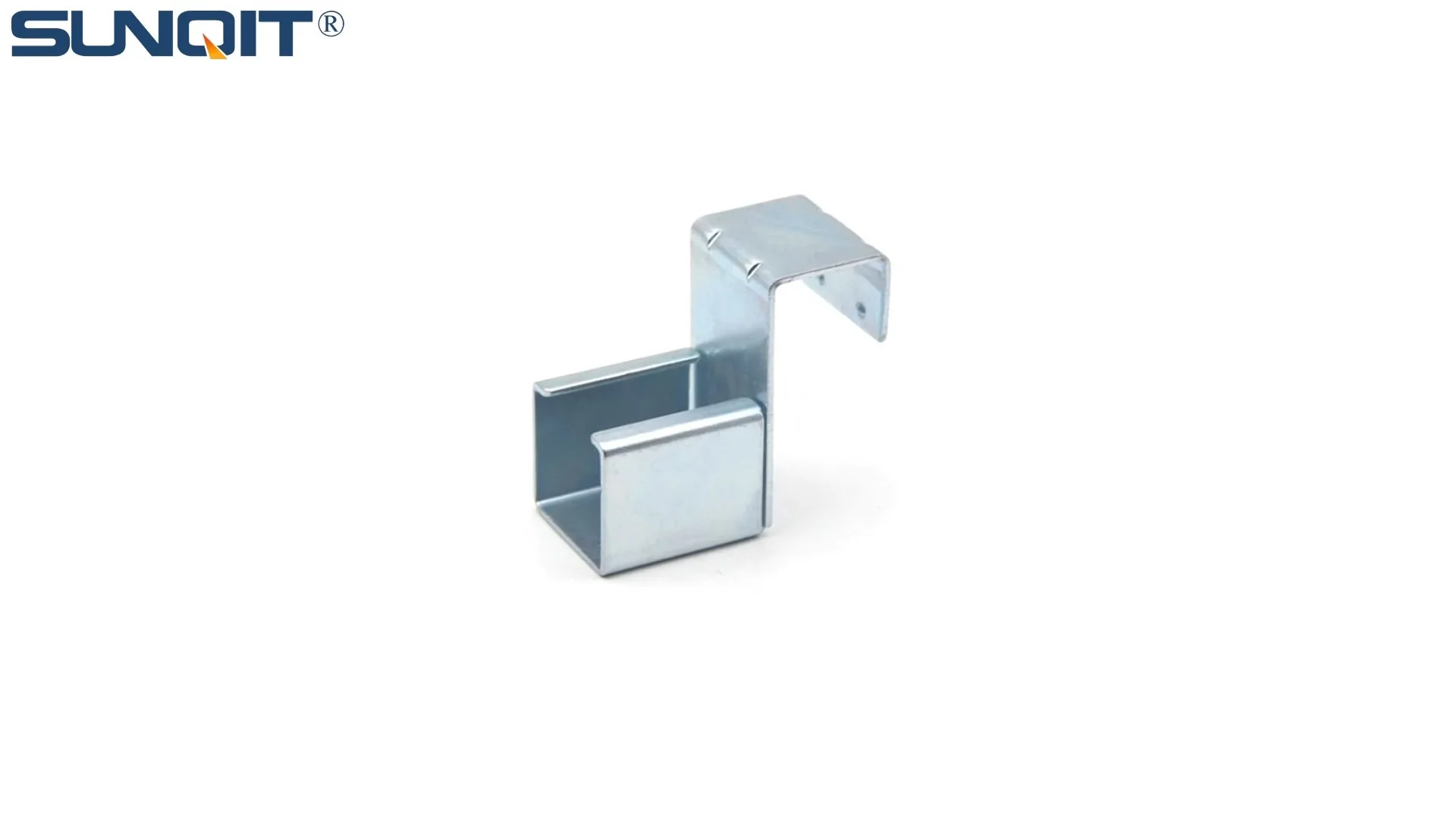
In the fast-paced world of manufacturing, where every second counts and efficiency can make or break production goals, the right material handling equipment isn't just a purchase—it's an investment in your team's productivity, product quality, and long-term success. Among the unsung heroes of smooth workflows is the 40 roller track placon mount drop high, a component that quietly ensures parts glide from station to station, reducing manual labor, minimizing errors, and keeping assembly lines moving like clockwork. But with dozens of manufacturers claiming to offer the "best" option, how do you separate marketing hype from? Let's dive into the key factors to consider, compare top brands, and help you find the perfect fit for your unique needs.
Why the Right 40 Roller Track Placon Mount drop High Matters
At first glance, a roller track might seem like a simple piece of equipment—just a series of wheels mounted on a frame. But anyone who's worked in a busy factory knows better. A poorly designed track can lead to frequent jams, uneven material flow, and even damage to delicate parts. On the flip side, a well-engineered 40 roller track placon mount drop high becomes an extension of your team's workflow: it adapts to your processes, reduces physical strain on workers, and integrates seamlessly with other tools like conveyors, workbenches, and material racks.
Consider the case of a mid-sized 3C assembly plant in Guangdong. Last year, they were struggling with bottlenecks in their smartphone production line. Parts would get stuck on their old steel roller tracks, causing workers to stop, adjust, and restart—wasting up to 2 hours daily. After upgrading to a high-quality 40 roller track placon mount drop high with precision-aligned wheels and compatible aluminum guide rails, those delays dropped to less than 15 minutes a week. "It's not just about the track itself," said their production manager, Zhang Wei. "It's about how it fits into our entire lean system—working with our conveyors, ESD workbenches, and turnover trolleys to keep everything in sync. Suddenly, we weren't fighting the equipment anymore; we were working with it."
Key Factors to Consider When Choosing a Manufacturer
Not all roller tracks are created equal. To find the best 40 roller track placon mount drop high for your facility, focus on these critical areas:
Material Quality: Durability Meets Application Needs
The material of the track and rollers directly impacts lifespan, weight capacity, and suitability for your environment. Aluminum is lightweight, corrosion-resistant, and ideal for cleanrooms or medical device manufacturing. Steel offers higher strength for heavy loads in automotive or machinery plants. Some manufacturers even offer ESD-safe options (with conductive materials) for electronics assembly, preventing static damage to sensitive components.
Flexibility & Compatibility: Adapt to Your Changing Needs
Manufacturing needs evolve—your equipment should too. Look for tracks compatible with a range of accessories: adjustable placon mounts, different roller types (plastic for noise reduction, steel for heavy duty), and connectors that work with standard aluminum profiles. This flexibility lets you reconfigure workflows without replacing the entire system—a cornerstone of lean manufacturing.
Installation & Maintenance: Save Time, Reduce Downtime
Complex installation or hard-to-source replacement parts can turn a "time-saver" into a headache. Top manufacturers offer tool-free mounting systems, clear instructions, and readily available spare rollers or brackets. For example, quick-connect placon mounts let a single worker adjust track height in minutes, while modular designs make replacing a damaged section as simple as unclipping and swapping—no need to shut down the entire line.
Customization Capabilities: Tailored to Your Workflow
Every factory is unique. A one-size-fits-all track might not work if you handle irregularly shaped parts, have tight space constraints, or need specialized angles. The best manufacturers don't just sell products—they offer lean solutions, collaborating with you to design tracks that fit your exact layout, load requirements, and industry standards (like ISO for medical or IATF for automotive).

Top Manufacturers of 40 Roller Track Placon Mount drop High: A Detailed Comparison
To help you narrow down the options, we've analyzed leading manufacturers based on the above factors, real-world user feedback, and industry expertise. Here's how they stack up:
| Manufacturer | Material Options | Max Load Capacity | Key Features | Best For | User Feedback Highlight |
|---|---|---|---|---|---|
| Brand A | Steel (standard), Aluminum (premium) | 50-300 kg/m | Heavy-duty steel rollers, weld-on mounts (fixed height) | Automotive, Heavy Machinery | "Great for our 200kg engine parts, but adjusting height requires welding—limits reconfiguration." |
| Brand B | Aluminum only | 30-150 kg/m | Lightweight, ESD-safe options, plastic noise-reducing rollers | 3C Electronics, Medical Devices | "Quiet and perfect for our cleanroom, but struggled with heavier metal components." |
| Brand C | Aluminum, Steel, ESD Aluminum | 40-250 kg/m | Modular placon mounts (tool-free adjustment), compatible with 40/80 aluminum profiles, quick-swap rollers | Mixed Industries (3C, Automotive, Logistics) | "We use their aluminum tracks for electronics and steel for heavy parts—same mounting system, easy to switch rollers. Saved us 10k in retooling costs!" |
| Brand D | Steel only | 100-400 kg/m | Reinforced frame, industrial-grade bearings | Heavy Manufacturing, Warehousing | "Tough as nails for our 350kg pallets, but heavy—needs 2 people to install. Not ideal for frequent reconfigurations." |

Real-World Applications: How the Right Track Transforms Workflows
Numbers and specs tell part of the story, but real impact shines through in how these tracks perform on the factory floor. Here are three case studies from different industries:
Case Study 1: 3C Assembly Plant Eliminates Static Damage with ESD-Safe Tracks
A Shenzhen-based 3C manufacturer was losing $50k monthly to static-related defects in smartphone motherboards. Their old roller tracks lacked ESD protection, and parts would often "zap" during transport. After switching to Brand C's ESD aluminum roller track with conductive wheels and grounding brackets, defects dropped by 92%. "We didn't just fix the track—we integrated it into our ESD workstation system," said their QA lead. "Now, from the moment parts enter the line to packaging, everything's grounded. It's peace of mind we didn't have before."
Case Study 2: Automotive Supplier Cuts Downtime with Modular Tracks
An automotive parts supplier in Wuhan struggled with frequent line reconfigurations for new car models. Their previous fixed steel tracks took 8 hours to adjust. Brand C's modular 40 roller track placon mount drop high changed that: with tool-free placon mounts and compatible with their existing material racks, they now reconfigure in 2 hours. "Our team used to dread model changes—now it's just another day," their operations director noted. "The flexibility alone paid for the tracks in 3 months."
Case Study 3: Logistics Warehouse Boosts Throughput with Heavy-Duty Steel Tracks
A large logistics warehouse handling bulk goods needed to increase daily pallet throughput. Brand D's steel roller tracks, with reinforced frames and high-capacity bearings, allowed them to transport 50% more pallets per hour without jams. "We tested three brands—Brand D's tracks handled 300kg loads smoothly, even with unevenly distributed weight," their warehouse manager reported. "Reliability is everything here, and these tracks deliver."

FAQ: Your Questions Answered
Q: How do I know if I need aluminum or steel roller tracks?
A: Start with your typical load weight. If most items are under 150kg, aluminum is lighter and easier to handle. For loads over 200kg, steel offers better durability. Also consider environment: aluminum resists corrosion, making it better for humid or cleanroom settings, while steel works well in dry, heavy-industry environments.
Q: Can I mix and match parts from different manufacturers?
A: It's risky. While some standard components (like M6 screws) might fit, rollers, mounts, or connectors from different brands often have slight, leading to jams or instability. Stick to one manufacturer for critical components, or ask if they offer compatibility testing for third-party parts.
Q: What's the average lifespan of a 40 roller track placon mount drop high?
A: With proper maintenance (cleaning rollers, tightening mounts), aluminum tracks last 5-7 years in moderate use; steel can go 10+ years. High-traffic or heavy-load environments may shorten this, but modular designs let you replace worn rollers or sections instead of the entire track, extending life further.
Q: My factory has limited space—can roller tracks help save room?
A: Absolutely! Look for manufacturers offering compact designs, vertical mounting options, or curved tracks to navigate tight corners. Combined with stackable material racks and mobile workbenches, they create a space-efficient, lean workflow that maximizes every square meter.
Conclusion: Invest in Equipment That Grows With You
Choosing the right 40 roller track placon mount drop high isn't just about buying a piece of metal and wheels—it's about investing in your factory's efficiency, adaptability, and the well-being of your team. The best manufacturers understand this: they don't just sell products; they partner with you to build lean solutions that evolve with your needs, reduce waste, and turn every workflow into a competitive advantage.
Whether you're assembling smartphones, building medical devices, or moving heavy machinery, prioritize material quality, flexibility, and real-world compatibility. And remember: the true measure of a great roller track isn't in the specs on paper, but in the stories from the factory floor—where smoother workflows mean happier workers, faster production, and a stronger bottom line.