- Company Articles
- Products and Technology
- Procurement Guidelines
- Comparing 60 Aluminum Roller Track Small Wheel Suppliers: Quality & Price Factors

Comparing 60 Aluminum Roller Track Small Wheel Suppliers: Quality & Price Factors
Related Product
60 Aluminum Roller Track Small Wheel
Modular system roller tracks aluminum gravity roller tracks are an excellent solution for transporting materials within industrial environments, warehouses and distribution centres.
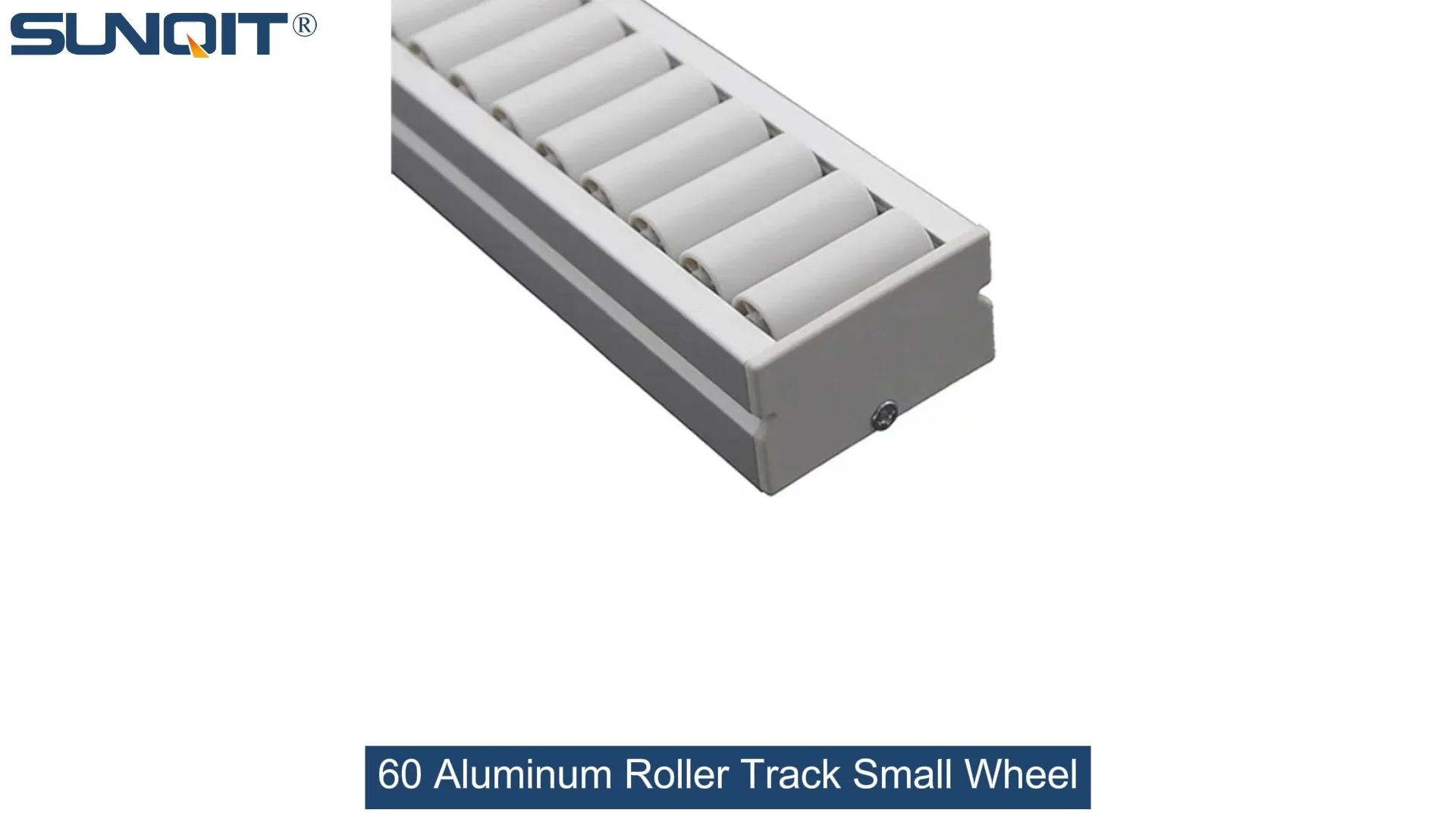
Comparing 60 Aluminum Roller Track Small Wheel Suppliers: Quality & Price Factors
If you've ever walked through a busy manufacturing plant or a bustling warehouse, you've probably seen the quiet workhorses of efficiency: roller tracks. Specifically, the 60 aluminum roller track small wheel is a tiny but critical component that keeps materials moving smoothly across flow racks, conveyors, and lean workstations. Choosing the right supplier for these wheels isn't just a matter of picking the cheapest option—it's about finding a partner who understands your lean system goals, delivers consistent quality, and fits within your budget. In this article, we'll dive deep into the factors that matter most when comparing suppliers, using real-world examples and insights from industry leaders to help you make an informed decision.
1. Key Quality Factors to Evaluate in 60 Aluminum Roller Track Small Wheel Suppliers
When it comes to roller tracks, quality directly impacts your operation's efficiency and downtime. A single faulty wheel can cause a bottleneck in your conveyor line or a flow rack that jams constantly. Here are the most important quality factors to check:
a. Material Grade and Durability
The 60 aluminum roller track small wheel is typically made from high-grade aluminum profiles—like the ones offered by leading suppliers. Look for suppliers who use 6063-T5 aluminum, a common alloy known for its strength, corrosion resistance, and lightweight properties. This alloy is ideal for lean systems because it can handle heavy loads without bending, and it resists rust even in humid warehouse environments. Avoid suppliers who use lower-grade aluminum, as it may warp over time or break under stress.
b. Manufacturing Precision
Precision is everything when it comes to roller wheels. Even a tiny deviation in diameter or axle fit can lead to uneven rolling, increased friction, and premature wear. Reputable suppliers use CNC machining to ensure each wheel meets strict tolerances. Check if the supplier's wheels have smooth edges (no burrs) and consistent spacing between rollers—this ensures materials glide without getting stuck. Sealed bearings are another sign of precision; they prevent dust and debris from entering, reducing the need for frequent maintenance.
c. Load Capacity and Wear Resistance
Every operation has different load requirements. For example, a flow rack in a 3C assembly plant may carry light electronic components, while a conveyor in an automotive plant may handle heavy metal parts. Ask your supplier about the maximum load capacity of their 60 aluminum roller track small wheels. Look for wheels with a hardness rating of at least 60 HRC (Rockwell Hardness Scale) to ensure they resist scratches and wear. Sealed bearings also play a role here—they distribute weight evenly and reduce friction, extending the wheel's lifespan.
d. Compatibility with Your Lean System
If you're using a full lean system, your roller wheels need to be compatible with other components—flow racks, conveyors, and lean pipe workbenches. Suppliers who specialize in lean solutions will ensure their wheels fit seamlessly with their other products, eliminating the need for custom modifications. For example, top suppliers design their 60 aluminum roller tracks to work with their material racks and workstations, so you don't have to worry about mismatched parts or assembly issues.
2. Price Factors That Shape Your Budget
Price is always a key consideration, but it's important to look beyond the upfront cost. Here are the price factors that can impact your long-term expenses:
a. Bulk Order Discounts
Wholesale pricing is a major advantage for businesses that need large quantities of roller tracks. Leading suppliers offer lean pipe wholesale, flow rack wholesale, and conveyor wholesale options, which can significantly reduce your per-unit cost. For example, if you order 100 60 aluminum roller tracks, you might pay 10% less per track than if you order 10. This is especially beneficial for businesses that are scaling their operations or need to replace multiple components at once.
b. Customization Costs
If your operation requires specialized roller wheels—like ESD-coated wheels for 3C assembly or medical devices—customization costs will come into play. Reputable suppliers offer custom lean solutions, including tailored roller tracks, but these may cost more than standard options. However, the extra cost is often worth it: ESD wheels prevent static damage to sensitive components, which can save you thousands in replacement costs. Always ask for a detailed quote that includes customization fees to avoid surprises.
c. Lead Time and Delivery Costs
Fast delivery can be a lifesaver if your production line is down, but it often comes with a premium. Leading suppliers typically offer lead times of 1-2 weeks for standard orders, but rush orders may cost 20-30% more. On the other hand, delayed delivery can halt your operations, leading to lost revenue. It's important to balance speed and cost—plan ahead to avoid rush fees, and choose a supplier with reliable shipping options.
d. After-Sales Support and Maintenance
The cheapest supplier isn't always the best if they don't offer after-sales support. For example, if a roller wheel breaks after a month, will the supplier replace it for free? Top suppliers offer a 1-year warranty on most of their lean system components, including roller tracks. This means you won't have to pay for replacement parts or repairs during that period, which can save you money in the long run. Avoid suppliers who don't offer any warranty—you may end up spending more on maintenance than you saved upfront.
3. Comparing Different Types of 60 Aluminum Roller Track Small Wheel Suppliers
Not all suppliers are created equal. Depending on your needs, you may want to choose a specialized lean system supplier, a generic aluminum profile supplier, or a custom solution provider. Let's compare these three types:
| Supplier Type | Quality Advantages | Price Advantages | Ideal For |
|---|---|---|---|
| Specialized Lean System Suppliers | Consistent quality across all lean components; seamless integration with flow racks, conveyors, and workbenches; expert knowledge of lean principles. | Competitive wholesale pricing for bulk orders; no hidden costs for integrated solutions. | Businesses needing end-to-end lean solutions; large-scale manufacturing plants; warehouses looking to optimize their workflow. |
| Generic Aluminum Profile Suppliers | Wide range of aluminum products; easy access to replacement parts. | Lower upfront cost for individual components; no minimum order requirements. | Small businesses needing occasional replacement parts; startups with limited budgets. |
| Custom Lean Solution Providers | Tailored designs for unique industry needs (e.g., medical devices, 3C assembly); compliance with industry-specific regulations. | Long-term cost savings through optimized efficiency; no need for multiple suppliers. | Industries with unique production requirements; businesses looking to improve their lean system with custom components. |
Note: Leading suppliers often fall into both the specialized lean system supplier and custom solution provider categories, making them a versatile choice for many businesses.
4. Real-World Scenarios: How to Choose the Right Supplier
Let's look at two common scenarios to see how these factors play out in practice:
Scenario 1: A 3C Assembly Plant Needs 50 Flow Racks
A mid-sized 3C assembly plant wants to upgrade its storage system with 50 flow racks, each equipped with 60 aluminum roller tracks. They have two options:
Option A: Specialized Lean System Supplier – Offers a wholesale flow rack package that includes 60 aluminum roller tracks, lean pipe workbenches, and all necessary accessories. The total cost is $15,000 (=$300 per rack), with a lead time of 2 weeks. The supplier also provides a 1-year warranty and free installation support.
Option B: Generic Aluminum Supplier – Sells 60 aluminum roller tracks for $20 each and flow rack frames for $250 each. The total cost is $16,000 (=$320 per rack), with a lead time of 3 weeks. No warranty or installation support is offered.
Outcome: The specialized lean system supplier is the better choice here. The package is cheaper, includes installation support, and comes with a warranty. The integrated solution also ensures that all components fit perfectly, reducing assembly time and potential issues.
Scenario 2: A Medical Device Manufacturer Needs Custom Roller Tracks
A medical device manufacturer needs 20 custom 60 aluminum roller tracks with ESD coating to prevent static damage to sensitive equipment. They have two options:
Option A: Custom Lean Solution Provider – Offers custom ESD-coated roller tracks tailored to the manufacturer's specifications. The cost is $50 per track, with a lead time of 4 weeks. The supplier also provides certification that the tracks meet medical industry standards.
Option B: Generic Supplier – Does not offer ESD-coated tracks. The manufacturer would need to buy standard tracks for $30 each and pay a third party $25 per track to apply the ESD coating. The total cost is $55 per track, with a lead time of 6 weeks. No certification is provided.
Outcome: The custom lean solution provider is the clear winner. The custom tracks are cheaper than the alternative, come with certification, and have a shorter lead time. This ensures the manufacturer can meet their production deadlines and comply with industry regulations.
5. Practical Tips to Make Your Final Decision
Now that you know the key factors, here are some actionable tips to help you choose the right supplier:
a. Request Samples Before Ordering
Always ask for a sample of the 60 aluminum roller track small wheel before placing a bulk order. Test the sample for smoothness, load capacity, and compatibility with your existing components. Leading suppliers often provide free samples for qualified customers, so you can evaluate the quality firsthand.
b. Check for Industry Certifications
Look for suppliers who have certifications like ISO 9001 (quality management) or ISO 14001 (environmental management). These certifications indicate that the supplier follows strict quality control processes. Leading suppliers adhere to these standards, ensuring their products are reliable and sustainable.
c. Evaluate Customer Reviews and Testimonials
Read reviews from other customers to get an idea of the supplier's reliability and customer service. Leading suppliers have positive testimonials from businesses in the 3C assembly, medical, and automotive industries, which is a good sign of their expertise.
d. Ask for a Detailed Quote
Don't settle for a vague price estimate. Ask for a detailed quote that includes all costs: product price, customization fees, shipping, handling, and warranty. This will help you compare suppliers accurately and avoid hidden costs.
e. Consider Long-Term Partnerships
Choosing a supplier is not just a one-time transaction—it's a long-term partnership. Look for suppliers who are willing to grow with your business. They offer scalable solutions, so as your operation expands, you can easily order more components or custom solutions.
6. Conclusion: Finding Your Ideal 60 Aluminum Roller Track Small Wheel Supplier
The 60 aluminum roller track small wheel may seem like a minor component, but it plays a major role in your lean system's efficiency. When comparing suppliers, remember to balance quality and price—don't sacrifice quality for a lower upfront cost, as it may lead to higher long-term expenses. Specialized lean system suppliers are often the best choice for businesses needing integrated solutions, bulk discounts, and custom designs. By following the tips in this article, you can find a supplier who meets your needs and helps you achieve your lean system goals.
Whether you're a small startup or a large manufacturing plant, the right supplier will be a partner in your success. Take the time to research, test samples, and ask the right questions—your operation's efficiency depends on it.