- Company Articles
- Products and Technology
- Product knowledge
- Comparing 60 Aluminum Roller Track White End Caps: Plastic vs. Aluminum Options

Comparing 60 Aluminum Roller Track White End Caps: Plastic vs. Aluminum Options
Related Product
60 Aluminum Roller Track White
Modular system roller tracks aluminum gravity roller tracks are an excellent solution for transporting materials within industrial environments, warehouses and distribution centres.
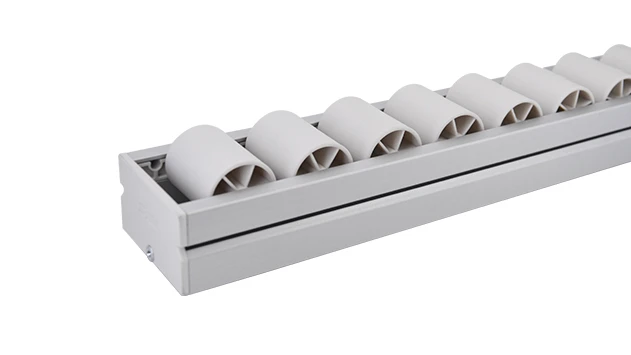
Comparing 60 Aluminum Roller Track White End Caps: Plastic vs. Aluminum Options
When you're building a lean system—whether it's a flow rack for warehouse logistics or a conveyor for 3C assembly—every tiny component plays a bigger role than you might think. Take the end caps on your 60 aluminum roller track white: these small pieces protect the track's edges, keep debris out of rollers, and ensure your material flow stays smooth. Choosing between plastic and aluminum end caps isn't just about cost; it's about matching your system's needs to the right durability, performance, and long-term value. Let's break down both options so you can make the best choice for your production line.
1. What Are 60 Aluminum Roller Track White End Caps?
The 60 aluminum roller track white is a staple in lean manufacturing—used in everything from flexible workstations to heavy-duty conveyors. End caps are the finishing touches that cover the open ends of the aluminum extrusion profile. Their key jobs include:
- Preventing sharp edges from scratching workers or damaging products (critical for medical device manufacturing).
- Blocking dust, dirt, and moisture from clogging rollers (which slows down material flow).
- Maintaining the track's structural integrity (dented ends can disrupt bin movement).
- Giving your lean system a clean, professional look (important for client visits or audits).
For businesses following lean principles (like reusable components and continuous improvement), the right end cap reduces downtime and replacement costs—keeping your operations efficient.
2. Plastic End Caps: Pros, Cons & Use Cases
Pros of Plastic End Caps
Budget-Friendly:
Plastic end caps are far cheaper than aluminum. This makes them ideal for small businesses or large projects (like a warehouse flow rack system) where you need dozens of caps. For example, a temporary 3C assembly workstation can use plastic caps to stay within budget without losing functionality.
Easy Installation:
Most plastic caps snap directly onto the 60 aluminum roller track white—no tools required. You can finish installing a full flow rack in minutes, which saves time for other tasks.
Lightweight:
Plastic is lighter than aluminum, so you can carry and handle caps easily. This is a big plus for teams that frequently reconfigure their lean systems (a core lean principle).
Corrosion Resistant:
Plastic doesn't rust or corrode, even in humid environments (like coastal warehouses). This means they'll last longer in damp conditions than uncoated metal.
Cons of Plastic End Caps
Limited Durability:
Plastic caps crack or deform under heavy loads or constant vibration. If you're using your roller track for heavy automotive parts, plastic caps won't hold up over time.
Heat Sensitivity:
Plastic melts at high temperatures (around 60°C). This makes them unsuitable for welding workshops or production lines with heat-intensive processes.
Lower Load Capacity:
Plastic caps can handle up to 50kg per end—great for light items, but not for heavy bins or machinery components.
Ideal Use Cases for Plastic End Caps
Plastic caps work best for:
- Light-duty flow racks (storing small 3C components or office supplies).
- Temporary lean workstations (short-term projects or prototyping).
- Budget-conscious setups (small businesses or startups).
- Environments with low wear and tear (like retail warehouses).
- Light-duty flow racks (storing small 3C components or office supplies).
- Temporary lean workstations (short-term projects or prototyping).
- Budget-conscious setups (small businesses or startups).
- Environments with low wear and tear (like retail warehouses).
3. Aluminum End Caps: Pros, Cons & Use Cases
Pros of Aluminum End Caps
Durability:
Aluminum caps are built to last. They resist impacts, vibration, and heavy loads—perfect for 24/7 conveyor systems in automotive or medical device manufacturing. A cap installed on a permanent lean line can last for years without replacement.
Heat Resistance:
Aluminum handles temperatures up to 120°C or more. This makes them ideal for industrial environments with welding, baking, or high-heat processes.
High Load Capacity:
Aluminum caps can support up to 150kg per end—great for heavy bins or machinery parts. For example, a medical device production line moving large equipment cases needs aluminum caps to ensure safety.
Seamless Look:
Aluminum caps match the 60 aluminum roller track white perfectly. This gives your lean system a polished, professional appearance—great for showcasing your line to clients.
Long Lifespan:
While aluminum caps cost more upfront, they save money long-term by reducing replacement costs and downtime.
Cons of Aluminum End Caps
Higher Cost:
Aluminum caps are 2-3x more expensive than plastic. This may be a barrier for small businesses or temporary projects.
Slightly Heavier:
Aluminum is heavier than plastic, so installation requires a screwdriver (most caps are screw-on). However, this is a minor trade-off for durability.
Ideal Use Cases for Aluminum End Caps
Aluminum caps are perfect for:
- Heavy-duty conveyors (automotive, medical device, or machinery manufacturing).
- Permanent lean production lines (long-term operational needs).
- High-wear environments (24/7 factories or welding workshops).
- Safety-critical applications (medical device assembly lines where defects are unacceptable).
4. Head-to-Head Comparison Table
| Feature | Plastic End Caps | Aluminum End Caps |
|---|---|---|
| Material | ABS/PVC Plastic | 60-Series Aluminum Alloy |
| Durability | Moderate (cracks under heavy loads) | High (resists impacts/vibration) |
| Load Capacity | Up to 50kg/end | Up to 150kg/end |
| Temperature Resistance | -10°C to 60°C (melts at higher temps) | -20°C to 120°C (heat-resistant) |
| Installation | Snap-on (no tools) | Screw-on (requires screwdriver) |
| Cost | Low (budget-friendly) | High (premium) |
| Aesthetic | Matte white (does not match aluminum) | Seamless (matches roller track) |
| Ideal Use | Light-duty flow racks, temporary workstations | Heavy conveyors, permanent lean lines |
5. How to Choose the Right End Cap?
1. Application Load
If you're moving light items (like 3C components), plastic caps are fine. For heavy loads (automotive parts), choose aluminum.
2. Environmental Conditions
High temperatures? Go aluminum. Humid areas? Both work, but aluminum lasts longer in salt air.
3. Budget & Longevity
Temporary projects: Plastic. Permanent lines: Aluminum (saves money over time).
4. Aesthetic Needs
Want a seamless look? Aluminum. Function over form? Plastic.
6. Real-World Custom Solutions
Case 1: 3C Assembly Line
A smartphone manufacturer needed a lean system with permanent and temporary stations. For permanent testing lines, they used aluminum end caps (durability). For prototyping stations, plastic caps (budget). The custom solution team designed the system to balance cost and performance.
Case 2: Medical Device Manufacturing
A medical device company required a sterile conveyor system. Aluminum end caps were chosen for their easy sanitization and durability. The caps matched the 60 aluminum roller track white, meeting strict hygiene standards.
Case3: Warehouse Logistics
A retail warehouse needed flow racks for consumer electronics. Plastic end caps were used to save money—perfect for light boxes. The custom team optimized the rack design to fit their space.
7. Maintenance Tips
Plastic Caps
Wipe monthly to remove debris; replace cracked caps immediately. Avoid heat sources.
Aluminum Caps
Clean with anti-corrosive oil every 6 months; tighten screws monthly to prevent loosening.
Conclusion
Choosing between plastic and aluminum end caps for your 60 aluminum roller track white is about aligning your needs with the right component. Plastic caps are great for budget-friendly, light-duty projects; aluminum caps are for heavy-duty, permanent systems. By considering load, environment, budget, and longevity, you can make the best choice.
If you're unsure, custom solution services can help. They specialize in lean systems for industries like 3C, medical, and logistics—designing systems that fit your exact needs. Remember: every component in your lean system contributes to efficiency, so choose wisely.