- Company Articles
- Products and Technology
- Product knowledge
- Comparing 60 Aluminum Roller Track White Sizes: 60mm vs. 40mm vs. 80mm Tracks

Comparing 60 Aluminum Roller Track White Sizes: 60mm vs. 40mm vs. 80mm Tracks
Related Product
60 Aluminum Roller Track White
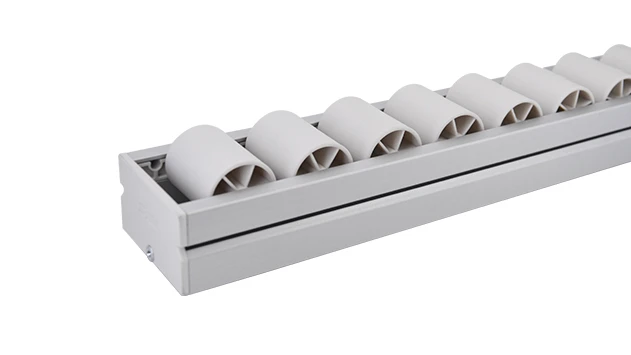
Modular system roller tracks aluminum gravity roller tracks are an excellent solution for transporting materials within industrial environments, warehouses and distribution centres.
Comparing 60 Aluminum Roller Track White Sizes: 60mm vs. 40mm vs. 80mm Tracks
Roller tracks are the unsung heroes of modern lean production lines. They keep parts moving smoothly, cut down on manual labor, and help businesses minimize waste—all core principles of lean manufacturing. Among the many options available, white aluminum roller tracks stand out for their durability, clean aesthetic, and compatibility with a wide range of lean system components. But with different sizes on the market, how do you know which one fits your needs? This article breaks down three popular sizes: 40mm, 60mm, and 80mm white aluminum roller tracks, helping you make an informed decision for your production or warehouse setup.
1. What Are Aluminum Roller Tracks & Their Role in Lean Systems?
Lean systems focus on reducing waste—whether it's time, materials, or effort—while maximizing efficiency. Roller tracks are a key component of these systems because they enable continuous flow: parts move from one station to the next without unnecessary stops, keeping production lines running smoothly. Aluminum tracks are a preferred choice over steel for many applications because they're lighter, resistant to corrosion, and easier to modify. The white powder-coated finish adds even more value: it's easy to clean (critical for industries like medical devices and food processing), aesthetically pleasing (making workspaces look organized and professional), and scratch-resistant (standing up to daily use).
These tracks aren't just standalone components—they integrate seamlessly with other lean system parts like workbenches, flow racks, and conveyors. For example, a 40mm white track might be used in a flow rack to hold small parts, while an 80mm track could be part of a heavy-duty conveyor moving large automotive components. The flexibility of aluminum tracks means they can be cut to length, reused in different setups, and adapted to changing production needs—aligning perfectly with the lean of sustainable improvement.
2. Deep Dive into Each Track Size
2.1 40mm White Aluminum Roller Track
The 40mm white aluminum roller track is the go-to choice for small to medium loads. Let's break down its key features and uses:
Dimensions & Build:
The track is 40mm wide, with rollers spaced closely together (typically 30–50mm apart) to support small, lightweight items. The aluminum material is thin but sturdy, and the white powder coating provides corrosion resistance and a smooth surface.
Load Capacity:
It can handle 50–100 kg per meter of track—ideal for small components like circuit boards, phone parts, sterile medical tools, and consumer electronics accessories.
Use Cases:
-
3C Assembly Lines:
Moving small circuit boards or camera parts between stations. The narrow width fits into tight workspaces, and the smooth flow reduces damage to delicate components.
-
Medical Device Manufacturing:
Transporting sterile tools or small device parts. The white finish is easy to sanitize, which is critical for cleanroom environments.
-
Flow Racks:
Storing small parts in warehouses. Workers can pick items from the front of the rack without bending or reaching, saving time and reducing strain.
Compatibility:
Works seamlessly with 40-series aluminum profiles, lean pipe workbenches, and small flow racks. It's easy to attach using roller track accessories like connectors and placon mounts—no welding required.
Benefits:
-
Flexibility:
Can be cut to length and reused in different setups.
-
Cost-Effective:
Budget-friendly for small operations or startups.
-
Cleanliness:
White finish makes it easy to spot dust or debris, ensuring product quality.
2.2 60mm White Aluminum Roller Track
The 60mm white aluminum roller track is the balanced option—perfect for medium loads and growing businesses. Here's what you need to know:
Dimensions & Build:
At 60mm wide, this track is thicker and more durable than the 40mm version. The rollers are spaced slightly farther apart (40–60mm) to support larger items, and the white powder coating is industrial-grade, resistant to scratches and wear.
Load Capacity:
It handles 100–200 kg per meter—great for medium items like automotive interior parts, warehouse boxes, medical device components, and mechanical parts.
Use Cases:
-
Automotive Production:
Moving door handles, dashboard components, or small engine parts between assembly stations.
-
Warehouse Logistics:
Storing medium-sized boxes in flow racks or moving them via conveyors.
-
ESD Workstations:
Transporting static-sensitive parts like computer chips. The track can be ESD-rated to prevent static damage, making it ideal for 3C assembly and electronics manufacturing.
Compatibility:
Integrates with 60-series aluminum profiles, conveyors, and medium-sized flow racks. It uses heavy-duty roller track accessories like parallel mounts and crossing connectors to ensure stability.
Benefits:
-
Balance:
Combines load capacity and flexibility—perfect for businesses that need to handle more weight without sacrificing adaptability.
-
Longevity:
Thicker aluminum and industrial coating mean it lasts longer than narrower tracks.
-
Professional Look:
White finish keeps workspaces organized and clean, which is important for customer visits or audit compliance.
2.3 80mm White Aluminum Roller Track
The 80mm white aluminum roller track is the heavy-duty workhorse—designed for large, bulky items. Let's explore its features:
Dimensions & Build:
80mm wide, with thick aluminum walls (2–3mm) and large rollers (10–15mm diameter). The white powder coating is scratch-resistant and corrosion-proof, built to withstand constant use in industrial environments.
Load Capacity:
It can handle 200–350 kg per meter—ideal for heavy items like engine blocks, large pallets, industrial machinery parts, and warehouse containers.
Use Cases:
-
Heavy Machinery Manufacturing:
Moving large metal parts between welding or assembly stations.
-
Large-Scale Warehousing:
Storing heavy pallets in flow racks or moving them via conveyors.
-
Automotive Production:
Transporting car body parts or engine components across the factory floor.
Compatibility:
Works with 80-series aluminum profiles, heavy-duty conveyors, and large material racks. It requires sturdy roller track accessories like heavy-duty mounts and expansion connectors to support the weight.
Benefits:
-
Durability:
Built to last in harsh industrial environments.
-
Efficiency:
Reduces manual labor by moving heavy items smoothly—saving time and reducing worker fatigue.
-
Scalability:
Can be integrated into custom lean solutions for large production lines, supporting growth and expansion.
3. Comparative Analysis Table
| Key Feature | 40mm White Aluminum Roller Track | 60mm White Aluminum Roller Track | 80mm White Aluminum Roller Track |
|---|---|---|---|
| Load Capacity (Per Meter) | 50–100 kg | 100–200 kg | 200–350 kg |
| Typical Load Type | Circuit boards, phone parts, sterile medical tools | Automotive interior parts, warehouse boxes, medical device components | Engine blocks, large pallets, industrial machinery parts |
| Ideal Industries | 3C Assembly, Medical Devices, Consumer Electronics | Automotive, Warehouse Logistics, Mechanical Manufacturing | Heavy Machinery, Large-Scale Warehousing, Automotive Manufacturing |
| Compatibility | 40-series aluminum profiles, lean pipe workbenches, small flow racks | 60-series aluminum profiles, conveyors, ESD workstations, medium flow racks | 80-series aluminum profiles, heavy-duty conveyors, large material racks |
| Installation Complexity | Easy (no welding, basic roller track accessories) | Moderate (sturdy mounts required) | Moderate-High (heavy-duty connectors and supports) |
| Finish Type | Standard powder coating | Industrial-grade powder coating | Heavy-duty scratch-resistant coating |
| Reusability | Excellent (easily cut and reused) | Very Good (adaptable to changing lines) | Good (durable for long-term fixed setups) |
4. How to Choose the Right Size for Your Needs
Choosing the right roller track size depends on your specific production needs. Here's a step-by-step guide to help you decide:
Step 1: Calculate Load Capacity
First, determine the average weight of the items you'll be moving. For example:
- If you're moving 10 kg circuit boards (5 per meter), total weight is 50 kg—choose 40mm track.
- If you're moving 20 kg warehouse boxes (6 per meter), total weight is 120 kg—choose 60mm track.
- If you're moving 50 kg engine parts (4 per meter), total weight is 200 kg—choose 80mm track.
Step 2: Consider Space Constraints
Narrower tracks (40mm) fit into tight workspaces, while wider tracks (80mm) need more room. If your assembly line has narrow aisles or small workstations, 40mm or 60mm tracks are better.
Step 3: Check Compatibility with Existing Equipment
If you already use 40-series aluminum profiles for your workbenches, 40mm track is the most compatible. If you have 60-series profiles, go with 60mm track. This saves time and money on new accessories.
Step 4: Think About Future Growth
If you plan to expand your production to handle heavier items next year, choose a track size that can grow with you. For example, 60mm track is a better investment than 40mm if you expect to move from small to medium loads.
Step 5: Consult Custom Lean Solutions
If your production line has different sections with varying load needs, custom lean solutions can help you mix and match sizes. For example, you might use 40mm track for small parts, 60mm for medium parts, and 80mm for heavy parts—all integrated into a single line.
5. Integration with Lean Systems & Accessories
Roller tracks don't work in isolation—they're part of a larger lean system. Here's how to integrate them with other components:
Flow Racks:
40mm and 60mm tracks are perfect for flow racks. Workers can pick items from the front of the rack without bending, saving time and reducing strain. For example, a 3C assembly plant might use 40mm tracks in flow racks to store small circuit boards.
Conveyors:
60mm and 80mm tracks are ideal for conveyors. They move parts between stations smoothly, reducing manual labor. An automotive plant might use 80mm tracks in conveyors to move engine blocks across the factory floor.
ESD Workstations:
40mm and 60mm tracks can be integrated into ESD workstations to prevent static damage. A medical device manufacturer might use 60mm ESD tracks to move sterile components between cleanroom stations.
Roller Track Accessories:
Accessories like connectors, mounts, and end stops make integration easy. For example:
-
Roller Track Connectors:
Attach tracks to aluminum profiles.
-
Placon Mounts:
Secure tracks to workbenches or racks.
-
End Stops:
Prevent items from falling off the end of the track.
All these accessories are designed to be easy to install and reuse—aligning with the lean of sustainable improvement.
6. Real-World Applications
Let's look at three real-world scenarios to see how these tracks are used:
Scenario 1: 3C Assembly Line
A phone manufacturer uses 40mm white tracks on their ESD workstations. Each track is cut to 2 meters long and attached to the workstation using roller track connectors. Workers place circuit boards on the track, and they glide to the next station where components are soldered. The white finish helps workers spot dust or debris, ensuring product quality.
Scenario 2: Automotive Parts Warehouse
An automotive parts distributor uses 60mm white tracks in their flow racks. The racks hold medium-sized boxes of door handles and dashboard components. The tracks allow boxes to slide down to the front of the rack, so workers don't have to reach to the back. The 60mm track handles the weight of the boxes easily, and the white finish makes the warehouse look organized.
Scenario 3: Heavy Machinery Factory
A heavy machinery manufacturer uses 80mm white tracks in their conveyor system. The conveyor moves 250 kg engine blocks from the loading dock to the assembly area. The 80mm track handles the weight smoothly, and the scratch-resistant finish stands up to constant use. The conveyor is integrated into a custom lean solution that includes heavy-duty material racks and workbenches.
7. Maintenance Tips for Longevity
To keep your white aluminum roller tracks in good condition, follow these maintenance tips:
Clean Regularly:
Wipe the tracks weekly with a soft cloth and mild detergent. Avoid abrasive cleaners that could scratch the white finish. For medical or cleanroom environments, sanitize the tracks daily.
Lubricate Rollers:
Use a silicone-based lubricant every 3 months to keep rollers moving smoothly. Don't use oil-based lubricants—they attract dust and debris.
Check for Wear:
Inspect rollers monthly for cracks or uneven rotation. replace worn rollers using roller track accessories to keep the track working properly.
Tighten Connections:
Every month, check bolts and connectors to ensure they're secure. Loose connections can cause the track to shift, leading to parts getting stuck or falling off.
Store Properly:
If you need to remove the track, store it in a dry area away from direct sunlight. Don't stack heavy items on top of the track—this could bend the aluminum.
8. Conclusion
Choosing the right white aluminum roller track size is critical for optimizing your lean production line. The 40mm track is perfect for small parts, the 60mm track balances medium loads and flexibility, and the 80mm track handles heavy-duty items. By considering your load capacity, space constraints, and future growth, you can select the track that best fits your needs.
Remember, the best lean system components are those that are flexible and reusable. Custom lean solutions can help you integrate the right track size into your existing setup, whether you're in the 3C assembly, medical device, or automotive industry. By investing in the right track size, you can improve efficiency, reduce waste, and grow your business.
So, take the time to evaluate your production line's needs, and choose the white aluminum roller track that will help you achieve your lean goals.