- Company Articles
- Products and Technology
- Product knowledge
- Comparing 60 Steel Roller Track White with Plastic Roller Tracks

Comparing 60 Steel Roller Track White with Plastic Roller Tracks
Related Product
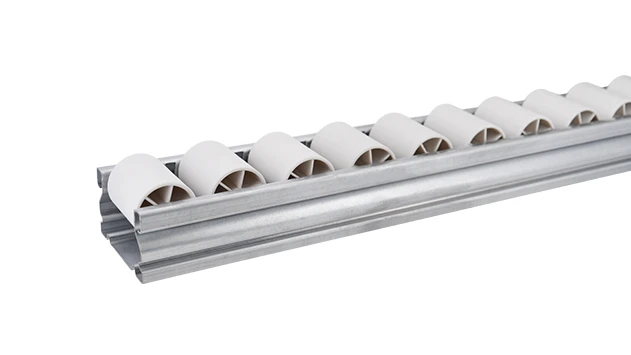
60 Steel Roller Track White
The roller track can be installed with multiple accessories to create different slopes and configurations of flow racks.All steel conveyor 60 roller track accessories are engineered to perfectly fit the sliding rail.It is enable the movement of SLC boxes.
In today's fast-paced manufacturing and warehousing environments, every component counts—especially when it comes to moving parts efficiently. Roller tracks are the unsung heroes of lean systems, helping to keep materials flowing smoothly from one station to the next, reducing waste, and boosting productivity. But with so many options out there, choosing between steel and plastic roller tracks can feel overwhelming. If you're a warehouse manager looking to upgrade your flow rack or a production supervisor setting up a new ESD workbench for 3C assembly, this guide will break down everything you need to know about 60 Steel Roller Track White and plastic roller tracks, so you can make the best choice for your team and your bottom line.
What Are Roller Tracks & Their Role in Lean Systems?
Roller tracks are linear components that allow materials to slide or roll from one point to another, often used in flow racks, conveyors, and lean workstations. In a lean system, their main job is to support the "flow" principle—ensuring that parts move through the production line without unnecessary delays or bottlenecks. They also help reduce waste by minimizing manual handling, which saves time and reduces the risk of damage to parts. Whether you're using them in a 3C assembly line or a medical device warehouse, roller tracks are a key part of any efficient lean setup.
Lean systems rely on flexibility and adaptability, and roller tracks are no exception. They can be easily integrated with other lean components like lean pipes, workbenches, and material racks, making them a versatile choice for any manufacturing or warehousing needs. A good roller track should not only handle the load but also fit seamlessly into your existing lean infrastructure, helping you achieve your efficiency goals.
Deep Dive into 60 Steel Roller Track White
Key Features
The 60 Steel Roller Track White is a heavy-duty option designed for high-performance applications. The "60" series refers to the track's size, typically 60mm in width or another critical dimension, making it suitable for larger and heavier parts. The white finish is a powder coating that provides excellent corrosion resistance, giving it a clean, professional look while protecting it from rust and wear. This type of track is made from high-quality steel, which means it's built to handle heavy loads—often up to 1000kg per meter or more, depending on the design.
One of the standout features of the 60 Steel Roller Track White is its ESD compliance. Static electricity can damage sensitive components like those used in 3C assembly or medical devices, so having an ESD-rated track is crucial for these industries. The powder coating on the steel track dissipates static electricity, keeping your parts safe and reducing scrap rates.
Applications
The 60 Steel Roller Track White is ideal for industries that deal with heavy loads and require ESD protection. Here are some common applications:
- Automotive parts manufacturing: Handling engine blocks, transmission components, and other heavy parts.
- Industrial warehousing: Storing and moving large, heavy items in flow racks.
- 3C assembly: Protecting sensitive electronic components from static damage.
- Medical device manufacturing: Ensuring compliance with strict regulatory standards for static control.
- Mechanical manufacturing: Supporting heavy machinery parts during production and assembly.
Pros & Cons
Pros:
- Superior load capacity: Can handle up to 1000kg per meter, making it perfect for heavy loads.
- Long lifespan: With proper maintenance, it can last 5+ years, providing excellent value over time.
- ESD compliance: Protects sensitive components from static damage.
- Corrosion resistance: The powder coating prevents rust and wear, even in harsh environments.
- Versatility: Can be integrated with lean pipes, flow racks, and conveyors for a complete lean system.
Cons:
- Heavier: Requires more effort to install and reconfigure.
- Higher upfront cost: Compared to plastic tracks, steel tracks are more expensive initially.
- Noise: Metal-on-metal contact can be louder than plastic tracks, though this can be mitigated with proper lubrication.

Deep Dive into Plastic Roller Tracks
Key Features
Plastic roller tracks are lightweight, versatile options designed for light to medium loads. They are typically made from high-density polyethylene (HDPE) or similar durable plastics, available in colors like yellow or grey (as per common industry standards). The plastic material is non-marking, so it won't leave scratches on your parts or floors, and it's corrosion-resistant, making it ideal for environments where moisture or chemicals are present.
Plastic tracks are easy to install and cut to size, which means you can quickly reconfigure your line or rack as your needs change. They are also quiet, which is a big plus in busy production lines where noise levels can affect employee productivity and comfort. Some plastic tracks are ESD-rated, though this is less common than with steel tracks.
Applications
Plastic roller tracks are perfect for industries that deal with light to medium loads and require flexibility. Here are some common applications:
- Consumer electronics (3C): Handling small parts like smartphone components or computer peripherals.
- Medical device manufacturing: Storing and moving non-heavy, sensitive components in cleanroom environments.
- Warehousing: For small parts and light items that don't require heavy-duty support.
- Home appliance manufacturing: Moving small parts like buttons or dials during assembly.
- Logistics: Sorting and moving lightweight packages in distribution centers.
Pros & Cons
Pros:
- Lightweight: Easy to install and reconfigure without heavy equipment.
- Low upfront cost: More affordable than steel tracks, making them a good choice for small businesses or temporary setups.
- Corrosion-resistant: Doesn't rust or degrade in wet or chemical environments.
- Quiet operation: Reduces noise levels in the workplace.
- Non-marking: Won't scratch parts or floors.
Cons:
- Lower load capacity: Typically handles up to 300kg per meter, which is not suitable for heavy loads.
- Shorter lifespan: May deform or break under heavy use, lasting only 2-3 years in high-traffic areas.
- Limited ESD options: Not all plastic tracks are ESD-compliant, so you need to check carefully for sensitive applications.
- Heat sensitivity: May deform under high temperatures, so not ideal for environments with extreme heat.

Head-to-Head Comparison
| Aspect | 60 Steel Roller Track White | Plastic Roller Tracks (Yellow/Grey) |
|---|---|---|
| Material Composition | Powder-coated high-quality steel (60 series) | High-density polyethylene (HDPE) |
| Load Capacity | Up to 1000kg per meter | Up to 300kg per meter |
| Durability | Long-term (5+ years with proper maintenance) | Medium-term (2-3 years for heavy use) |
| Corrosion Resistance | Good (powder coating prevents rust) | Excellent (plastic doesn't rust or corrode) |
| Cost | Higher upfront cost | Lower upfront cost |
| ESD Compliance | Yes (static-dissipative powder coating) | Optional (some models are ESD-rated) |
| Installation Ease | Moderate (heavier, requires more effort) | Easy (lightweight, simple to cut and fit) |
| Noise Level | Moderate (metal-on-metal contact) | Low (quiet rolling) |
| Application Suitability | Heavy loads, ESD-sensitive areas (automotive, 3C, medical) | Light/medium loads, clean environments (consumer electronics, small parts) |
| Compatibility | Lean pipes, flow racks, heavy-duty conveyors | Lean pipes, small flow racks, light conveyors, ESD workbenches |
How to Choose Between Them?
Choosing between 60 Steel Roller Track White and plastic roller tracks depends on your specific needs. Here are some key factors to consider:
1. Assess Your Load Requirements
The first thing to consider is the weight of the parts you're moving. If you're handling heavy items like engine blocks or large medical equipment, the 60 Steel Roller Track White is the clear choice. For light to medium loads like smartphone components or small medical supplies, plastic tracks are more than sufficient.
2. Consider Your Environment
If your facility has wet or chemical-rich environments, plastic tracks are better because they're corrosion-resistant. For dry environments with heavy loads, steel tracks are ideal. If you need ESD protection, make sure to choose an ESD-compliant option—steel tracks are more likely to offer this feature.
3. Evaluate Long-Term vs. Short-Term Costs
Steel tracks have a higher upfront cost, but they last longer, so they offer better value over time. Plastic tracks are cheaper initially, but you may need to replace them more often, which can add up. If you're planning a long-term setup, steel tracks are a better investment. For temporary or small-scale setups, plastic tracks are more cost-effective.
4. Check Compatibility with Your Lean System
Make sure the roller track you choose is compatible with your existing lean components like flow racks, conveyors, and ESD workbenches. A trusted lean pipe supplier can help you find the right track that integrates seamlessly with your setup, ensuring maximum efficiency.
5. Industry-Specific Needs
Different industries have different requirements. For example, automotive manufacturers need heavy-duty tracks, while 3C assembly lines need ESD-compliant options. Medical device manufacturers may prefer plastic tracks for their cleanroom environments. Always consider your industry's regulatory standards and best practices when choosing a roller track.
Real-World Case Studies
Case Study 1: Automotive Parts Warehouse Upgrade
A mid-sized automotive parts manufacturer in Guangdong was struggling with their old flow racks. The plastic tracks they were using kept breaking under the weight of engine blocks and transmission components, leading to frequent downtime and increased scrap rates. They reached out to a lean pipe supplier who recommended switching to 60 Steel Roller Track White.
After installation, the warehouse saw a 30% reduction in downtime due to track failures. The steel tracks handled the 800kg loads with ease, and the ESD compliance helped protect sensitive electronic components in the parts, reducing scrap rates by 15%. The manufacturer also reported that the steel tracks were more durable, with no signs of wear after 2 years of heavy use.
Case Study 2: 3C Assembly Line Reconfiguration
A consumer electronics company specializing in smartphones needed to reconfigure their assembly line to accommodate a new model. They chose plastic roller tracks (yellow) because of their lightweight and easy installation. The tracks were integrated into their existing lean system and ESD workbenches, allowing the team to quickly adjust the line layout as needed.
The quiet operation of the plastic tracks improved the working environment for employees, leading to a 10% increase in productivity. The company also appreciated the low cost of the plastic tracks, which allowed them to stay within their budget. After 1 year of use, the tracks were still in good condition, with no signs of deformation or wear.
Case Study 3: Medical Device Manufacturing Facility
A medical device company needed roller tracks for their cleanroom environment where contamination and corrosion were major concerns. They opted for a custom solution: 60 Steel Roller Track White for heavy equipment parts and plastic roller tracks (grey) for small, sensitive components. The steel tracks were ESD-compliant, and the plastic tracks were non-contaminating and corrosion-resistant.
This mix of tracks helped the company meet strict regulatory standards while maintaining efficient flow in their production line. The custom solution also allowed them to optimize their space, reducing waste and improving productivity. After 3 years of use, the steel tracks were still in excellent condition, and the plastic tracks had only needed minor replacements.
Conclusion
Choosing between 60 Steel Roller Track White and plastic roller tracks is a decision that depends on your specific needs, from load capacity to industry requirements. The 60 Steel Roller Track White is ideal for heavy loads and ESD-sensitive areas, offering durability and long-term value. Plastic roller tracks are perfect for light to medium loads, providing flexibility and low upfront cost.
No matter which option you choose, working with a trusted lean pipe supplier is key to ensuring that your roller tracks integrate seamlessly into your lean system. They can help you find the right track for your needs, whether you're setting up a new flow rack or upgrading an existing assembly line. By making the right choice, you can boost productivity, reduce waste, and achieve your lean goals.
Remember, every component in your lean system plays a crucial role in your overall efficiency. Roller tracks are no exception—so take the time to evaluate your options and choose the one that best fits your team and your bottom line.