- Company Articles
- Products and Technology
- Product knowledge
- Comparing Adhesive vs Non-Adhesive Aluminum Profile Rubber Strips

Comparing Adhesive vs Non-Adhesive Aluminum Profile Rubber Strips
Related Product
Aluminum Profile Rubber Strip
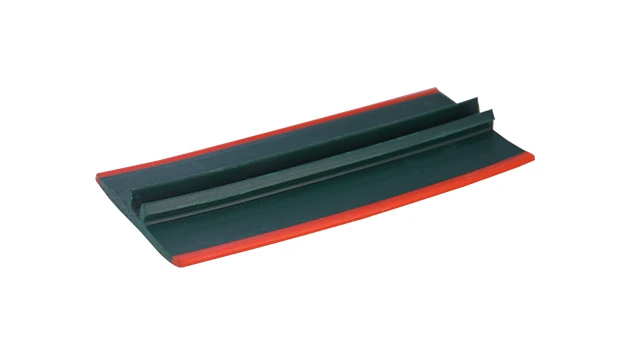
The tread strip fits into a T-slot channel and provides an anti-slip ribbed surface. It has a key pad that presses into a T-slot and is commonly used for adding traction on steps or as padding for doors. Tread strip can be ordered by rolls. The high quali
Walk into any modern manufacturing facility, and you'll likely spot aluminum extrusion profiles hard at work. They're the backbone of workbenches where assembly lines hum, the structure behind material racks organizing components, and the framework of conveyors moving products seamlessly. What makes these profiles so versatile? It's often the small but mighty accessories that turn a basic aluminum tube into a fully functional system. Among these unsung heroes are aluminum profile rubber strips—simple in design, but critical for sealing, cushioning, and enhancing performance. Yet, not all rubber strips are created equal. The choice between adhesive and non-adhesive variants can impact everything from installation speed to long-term durability. Let's dive into what sets them apart, so you can pick the right one for your next project.
What Are Aluminum Profile Rubber Strips, Anyway?
Before we compare adhesive and non-adhesive options, let's clarify what these strips actually do. As essential aluminum profile accessories, rubber strips are designed to solve common challenges in industrial and commercial settings. Think of them as the "buffer" between aluminum extrusion profiles and the world around them. They seal gaps to keep out dust and moisture, cushion impacts to prevent scratches on delicate parts, reduce noise from vibrating components, and even insulate against temperature changes.
You'll find them in places like the edges of a workbench (ever noticed how a well-finished workbench doesn't leave sharp metal edges? Thank a rubber strip), along the rails of a conveyor system to guide products smoothly, or on material racks where boxes slide in and out. Their flexibility means they adapt to different shapes—whether you're working with a basic aluminum tube or a complex aluminum extrusion profile with T-slots and grooves. Now, the question is: how do you attach them?
Adhesive Aluminum Profile Rubber Strips: The "Peel-and-Stick" Convenience
Adhesive rubber strips are the go-to for quick, tool-free installation. Imagine a strip of rubber with a thin layer of adhesive pre-applied to one side, usually covered by a protective peel-off backing (think of a giant sticker, but sturdier). Common materials include EPDM (great for weather resistance), silicone (heat-resistant), or neoprene (excellent for oil and chemical resistance). The adhesive itself varies too—acrylic adhesives work well for general purposes, while rubber-based adhesives offer better flexibility, and silicone adhesives stand up to extreme temperatures.
How Do You Install Them?
Installation is straightforward: start by cleaning the surface of the aluminum extrusion profile with rubbing alcohol or a degreaser to remove dust and oils (even a tiny speck can weaken adhesion). Then, peel off the backing a few inches at a time, align the strip with your desired position, and press firmly as you go. The key is even pressure—some people use a roller or a flat tool to ensure the adhesive bonds fully. No drilling, no clips, no extra hardware—just peel, stick, and you're done.
The Pros: Why Adhesive Strips Shine
The biggest advantage? Speed. In fast-paced environments where downtime is costly, adhesive strips cut installation time dramatically. They're also ideal for aluminum extrusion profiles with smooth, flat surfaces where drilling holes or adding fasteners would damage the profile or ruin its aesthetic. For temporary setups or prototypes, they're a lifesaver—no permanent modifications mean you can reconfigure your aluminum profile system later without hassle.
The Cons: Where Adhesion Might Fall Short
Adhesion is a double-edged sword. While quick to apply, adhesive strips rely on the bond between the adhesive and the aluminum surface. In high-temperature environments (like near ovens or industrial heaters), the adhesive can soften and fail. Humidity or exposure to chemicals (like oils or solvents) can also break down the bond over time. And if you misalign the strip during installation? Good luck repositioning it—peeling it off often stretches or tears the rubber, leaving you with a wasted strip and sticky residue on your aluminum extrusion profile. Speaking of residue: removing old adhesive strips can leave behind a gummy mess that's tough to clean, especially if they've been in place for months.
Real-World Example: A small electronics manufacturer used adhesive rubber strips on their aluminum profile workbenches to seal gaps around sensitive circuit boards. Initially, they worked great—but when the facility upgraded to a high-temperature soldering station nearby, the strips started peeling within weeks. The heat weakened the adhesive, leaving gaps where dust could sneak in. Lesson learned: adhesive strips aren't always the best bet for high-heat zones.

Non-Adhesive Aluminum Profile Rubber Strips: Mechanical Strength for the Long Haul
Non-adhesive rubber strips take a different approach: instead of glue, they rely on mechanical fitting to stay in place. Think of them as "snap-on" or "slide-in" solutions, designed to lock into the existing features of aluminum extrusion profiles—like T-slots, grooves, or pre-drilled holes. They might have built-in tabs that fit snugly into T-slots, lips that hook over the edge of a profile, or even notches that align with screws or clips (another handy aluminum profile accessory). Materials are similar to adhesive strips (EPDM, silicone, etc.), but the design often includes stiffer edges or reinforced sections to hold their shape during installation.
Installation: A Bit More Work, but Built to Last
Installing non-adhesive strips takes a bit more prep, but it's nothing a basic toolkit can't handle. If your aluminum extrusion profile has T-slots (those long, narrow grooves running along the length), you might slide the strip into the slot and secure it with a small aluminum profile connector or a retaining clip. For profiles with pre-cut grooves, the strip might snap into place with a satisfying "click," held by friction and the shape of the groove. In some cases, you might use screws to fasten a mounting bracket (another aluminum profile accessory) that holds the strip tight. It's not as quick as peel-and-stick, but the tradeoff is a connection that won't weaken over time.
The Pros: Durability That Stands Up to Harsh Conditions
Non-adhesive strips thrive where adhesive ones struggle: extreme environments. High temperatures? No problem—the mechanical fit doesn't care if things heat up. Vibration? A strip locked into a T-slot won't rattle loose, unlike adhesive that might crack under constant shaking. They're also reusable—if you need to reconfigure your aluminum extrusion profile setup, just unsnap or unclip the strip and move it. No residue, no damage, no waste. And for profiles that see heavy use (like conveyor rails where products slide all day), non-adhesive strips hold their position better, reducing the need for frequent replacements.
The Cons: When Mechanical Fitting Isn't Ideal
The biggest downside? They require compatible aluminum extrusion profiles. If your profile doesn't have T-slots, grooves, or pre-drilled holes, you'll need to modify it—drilling, cutting, or adding hardware—which takes time and can weaken the profile if done incorrectly. Installation also requires more skill: misaligning a strip in a T-slot might bend it, and over-tightening a retaining clip could crack the rubber. For very thin or lightweight profiles, the extra hardware (like brackets) might add unnecessary bulk, making the system feel clunky.
Real-World Example: A warehouse upgraded their material racks (think Material Rack B, with 3 rows and 3 floors) to use non-adhesive rubber strips along the shelves. Previously, they'd used adhesive strips, but constant sliding of heavy boxes wore the adhesive down, leading to strips peeling off every few months. The non-adhesive strips, which snapped into grooves along the aluminum extrusion profile shelves, lasted over two years without needing replacement. The initial installation took a bit longer, but the reduced maintenance more than made up for it.

Adhesive vs. Non-Adhesive: A Side-by-Side Comparison
Still on the fence? Let's break down the key factors to consider:
| Factor | Adhesive Rubber Strips | Non-Adhesive Rubber Strips |
|---|---|---|
| Installation Time | Fast (5-10 minutes per strip) | Slower (15-30 minutes, plus prep) |
| Tools Needed | None (just a cleaning cloth) | Screwdrivers, clips, or T-slot tools |
| Best For | Smooth, flat surfaces; temporary setups; low-heat environments | T-slotted profiles; high-heat/vibration; heavy-use areas |
| Reusability | Poor (adhesive fails after removal) | Excellent (can be moved and refitted) |
| Residue Left Behind | Yes (hard to clean) | No (no sticky residue) |
| Longevity | 1-3 years (depending on conditions) | 3-7 years (with proper installation) |
| Cost Over Time | Higher (frequent replacements) | Lower (one-time installation, reusable) |
Which One Should You Choose? Let's Narrow It Down
The answer depends on your project's priorities. Ask yourself these questions:
Is Speed Your Top Priority?
Go adhesive. If you need to set up a workbench or temporary partition quickly and don't expect extreme conditions, adhesive strips will get the job done in minutes. Just avoid areas with direct heat or heavy moisture.
Will the Profile Be Exposed to Heat, Chemicals, or Vibration?
Non-adhesive is the safer bet. Industrial settings with machinery, ovens, or frequent cleaning (with harsh chemicals) will break down adhesive over time. Non-adhesive strips, locked into T-slots or grooves, stay put regardless of the environment.
Do You Plan to Reconfigure the System Later?
Non-adhesive strips are reusable, making them perfect for modular setups. If you think you might rearrange your aluminum extrusion profile workbench or material rack in the future, avoid adhesive—you'll save time and money by not having to buy new strips.
Does Your Aluminum Profile Have T-Slots or Grooves?
If yes, non-adhesive strips are a natural fit. If not, adhesive might be your only option unless you're willing to modify the profile (drilling holes, adding T-slot accessories). For basic aluminum tubes without extra features, adhesive is often the most practical choice.
FAQs: Your Burning Questions Answered
Q: Can I use adhesive rubber strips outdoors on aluminum extrusion profiles?
A: It depends on the adhesive type. Look for strips with UV-resistant adhesives (often labeled "outdoor use")—these hold up better against sunlight. However, even UV-resistant adhesives can fail in extreme weather (heavy rain, snow, or temperature swings). For permanent outdoor setups, non-adhesive strips with stainless steel clips are more reliable.
Q: How do I remove adhesive residue from my aluminum profile if I need to replace the strip?
A: Start with rubbing alcohol or a citrus-based adhesive remover (like Goo Gone). Apply it to a cloth, let it sit for a minute to dissolve the residue, then wipe gently. For stubborn spots, use a plastic scraper (avoid metal—you'll scratch the aluminum). Finish by cleaning the surface with soap and water to remove any remover residue.
Q: Are non-adhesive strips compatible with all aluminum profile accessories?
A: Most non-adhesive strips are designed to work with standard T-slot accessories, like retaining clips, end caps, or brackets. However, if you're using specialized aluminum profile accessories (e.g., custom brackets or corner connectors), check the strip's dimensions to ensure a snug fit. Some manufacturers offer strips tailored to specific profile sizes (like 2020 or 4040 series).
Q: Which is better for ESD (electrostatic discharge) workbenches—adhesive or non-adhesive?
A: Non-adhesive is preferred for ESD workbenches. ESD-safe rubber strips often need to maintain a consistent ground connection, and mechanical fitting (via T-slots) ensures the strip stays in contact with the conductive aluminum extrusion profile. Adhesive can degrade over time, creating gaps that break the ESD path.
Final Thoughts: It's All About Balance
Adhesive and non-adhesive aluminum profile rubber strips each have their strengths—adhesive for speed and simplicity, non-adhesive for durability and versatility. As aluminum extrusion profiles continue to be a staple in industrial design, choosing the right strip comes down to understanding your environment, timeline, and long-term goals. Whether you're building a quick workbench or a heavy-duty conveyor system, the right aluminum profile accessory (in this case, a rubber strip) can turn a functional setup into a great one. So, take a moment to assess your needs, and you'll be sure to pick the strip that sticks around (pun intended).