- Company Articles
- Products and Technology
- Product knowledge
- Comparing Adjustable Leveling Feet Brands: Which Fits Lean Pipe Systems Best?

Comparing Adjustable Leveling Feet Brands: Which Fits Lean Pipe Systems Best?
Related Product
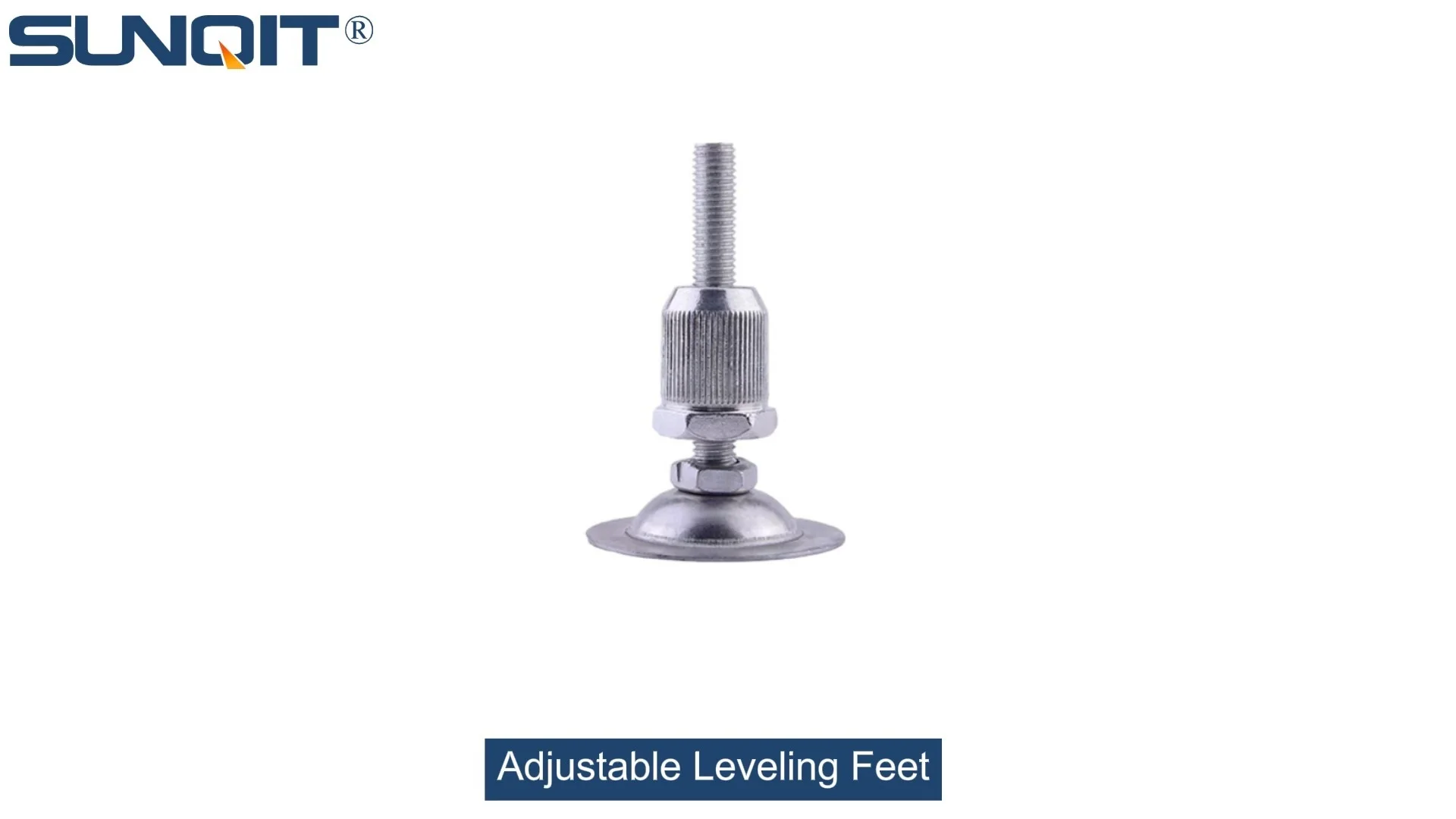
Adjustable Leveling Feet
Adjustable leveling feet are designed to keep machines level when placed on uneven or sloped ground. Otherwise known as adjustable equipment feet, they are available to order in a wide variety of size and load capacity combinations.
Comparing Adjustable Leveling Feet Brands: Which Fits Lean Pipe Systems Best?
Walk into any modern manufacturing facility, and you'll likely spot the familiar sight of lean pipe systems—those versatile, modular structures built from interconnected pipes and joints that form everything from workbenches to material racks. At first glance, the star players might seem to be the pipes themselves, the sleek aluminum profiles, or the clever joints that hold it all together. But if you look closer, beneath the workbenches and alongside the casters, you'll find a humble component that quietly holds everything together: adjustable leveling feet. These unassuming parts might not grab attention, but they're the unsung heroes of lean pipe stability, ensuring that workbenches stay steady, material flows smoothly, and production lines run without the frustrating wobbles that throw off precision. In this article, we're diving deep into the world of adjustable leveling feet, exploring why they matter, what to look for when choosing a brand, and comparing the top options to help you find which one fits your lean pipe system best.
Why Adjustable Leveling Feet Matter in Lean Pipe Systems
Lean pipe systems—often referred to simply as "lean pipe" systems—are the backbone of efficient production lines. Designed around the principles of lean manufacturing, they prioritize flexibility, waste reduction, and adaptability. Whether it's a lean pipe workbench where assembly line workers piece together components, a flow rack transporting materials between stations, or a turnover trolley moving goods across the factory floor, these systems rely on stability to function effectively. That's where adjustable leveling feet come in.
First and foremost, stability is non-negotiable . Imagine an assembly worker trying to attach tiny electronic components to a circuit board on a wobbly lean pipe workbench. Even a millimeter of can lead to misalignment, defective products, or wasted time. Adjustable leveling feet counteract uneven factory floors—a common issue in older facilities or those with concrete slabs that have settled over time—by letting you tweak each foot's height individually. This ensures the entire structure sits perfectly flat, eliminating rocking or tilting.
Then there's load distribution . Lean pipe workbenches and material racks often bear significant weight: heavy tools, batches of raw materials, or finished products. Without proper support, the lean pipe itself can bend or warp under strain, compromising the system's integrity and lifespan. Adjustable leveling feet spread this weight evenly across the floor, reducing stress on the pipes and joints. This is especially critical for systems built with lighter materials like aluminum profile, which offer strength but require careful load management to avoid deformation.
Adaptability is another key factor. One of the biggest advantages of lean pipe systems is their ability to be reconfigured quickly as production needs change. Maybe you need to move a workbench to a new location with a slightly sloped floor, or repurpose a material rack to hold heavier items. Instead of rebuilding the entire structure, adjustable leveling feet let you adapt on the fly. A few twists of the foot, and the system is stable again—saving time, labor, and resources.
Finally, there's the matter of compatibility . Modern lean systems often blend traditional steel lean pipe with aluminum profile for a balance of strength and lightweight efficiency. Aluminum profile systems, with their T-slot designs and sleek finish, have become popular for cleanroom environments or facilities prioritizing aesthetics alongside functionality. Adjustable leveling feet must integrate seamlessly with both materials, attaching securely to pipe ends, profile bases, or caster mounting plates without compromising the system's modularity.
Key Factors to Consider When Choosing an Adjustable Leveling Feet Brand
Not all adjustable leveling feet are created equal. With dozens of brands on the market, each promising durability, precision, and compatibility, it can be overwhelming to pick the right one for your lean pipe system. To narrow it down, focus on these critical factors:
1. Material Composition
The materials used in the stem (the threaded part that adjusts height) and base (the part that touches the floor) dictate performance. Stainless steel is a top choice for heavy-duty or corrosive environments (think automotive plants with coolant spills or food processing facilities). It resists rust and stands up to frequent adjustments. Aluminum is lightweight and pairs beautifully with aluminum profile systems, offering good corrosion resistance at a lower weight than steel. Plastic bases are budget-friendly and work well for light loads (e.g., small material racks or temporary workbenches), but they're prone to cracking under heavy weight or in high-traffic areas.
2. Load Capacity
Every lean pipe structure has a maximum weight it needs to support, and your leveling feet must match or exceed that load. A basic lean pipe workbench for manual assembly might only need feet rated for 200-300 kg, while a heavy-duty material rack holding metal components could require 500 kg or more per foot. Always check the brand's load rating—this is usually listed as "static load capacity" (for stationary structures) or "dynamic load capacity" (for mobile units like trolleys, though those often use casters instead). Remember: if a structure has four feet, the total load is divided across all four, so each foot should handle at least 25% of the total weight (plus a safety margin).
3. Adjustment Range
How much height can the feet adjust? This is measured as the difference between the minimum and maximum height (e.g., 10mm to 50mm). For relatively flat floors, a small range (10-30mm) might suffice. But for severely uneven surfaces—say, a floor with a 20mm dip—you'll need feet with a wider adjustment range (40-60mm). Some brands offer "extended" models for extreme cases, which can be a lifesaver in older facilities.
4. Thread Size and Compatibility
This is where many buyers go wrong. Adjustable leveling feet attach to lean pipe systems via a threaded stem that screws into a mounting hole or bracket on the structure. If the thread size (e.g., M10, M12) doesn't match the lean pipe joint or aluminum profile's mounting holes, the feet won't fit. Most lean pipe systems use standard metric threads, but it's always worth double-checking. Some brands offer adapters, but it's better to buy feet that are compatible out of the box to avoid extra hassle.
5. Durability and Locking Mechanisms
Factory floors are busy places—vibrations from machinery, accidental bumps from forklifts, and daily use can cause leveling feet to loosen over time. Look for brands with built-in locking mechanisms: a jam nut that tightens against the bracket to hold the foot in place, or a friction ring that prevents unscrewing. Durability also extends to the base: rubber or polyurethane bases grip the floor better than plastic, reducing slipping, while metal bases (stainless steel or aluminum) are less likely to crack if stepped on or hit by equipment.
Top Adjustable Leveling Feet Brands for Lean Pipe Systems
Now that we know what to look for, let's compare four leading brands known for their compatibility with lean pipe and aluminum profile systems. Each has its strengths, weaknesses, and ideal use cases, so we'll break down their key features, pros, and cons.
| Brand | Material (Stem/Base) | Load Capacity (kg) | Adjustment Range (mm) | Compatibility | Price Range* | Pros | Cons |
|---|---|---|---|---|---|---|---|
| StableLine HeavyDuty | Stainless Steel/Polyurethane | 500-800 | 15-60 | Lean pipe, steel frames, aluminum profile | $15-$25/unit |
• High load capacity for heavy workbenches
• Corrosion-resistant stainless steel • Polyurethane base grips floors well • Jam nut locking mechanism |
• Heavier than aluminum options
• Premium price point • Limited color options (only silver/black) |
| ProLevel Aluminum Series | Aluminum/Aluminum | 300-500 | 10-45 | Aluminum profile, lightweight lean pipe | $10-$18/unit |
• Lightweight (ideal for mobile setups)
• Matches aluminum profile aesthetics • Anodized finish resists scratches • Easy to adjust (smooth threading) |
• Lower load capacity than stainless steel
• Aluminum base may scratch soft floors • Not ideal for corrosive environments |
| LeanTech BudgetLine | Steel/Plastic | 200-300 | 8-30 | Standard lean pipe, basic frames | $5-$10/unit |
• Affordable for small businesses
• Simple installation (no special tools) • Lightweight for easy handling • Available in bulk packs |
• Plastic base prone to cracking under heavy loads
• Limited adjustment range • No locking mechanism (may loosen over time) |
| AdjustRite Universal | Zinc-Plated Steel/Rubber | 350-600 | 12-50 | Lean pipe, aluminum profile, caster mounting plates | $12-$20/unit |
• Versatile (works with lean pipe AND aluminum profile)
• Rubber base reduces noise and slipping • Zinc plating resists rust (indoor use) • Includes jam nut for locking |
• Not suitable for outdoor or wet environments
• Heavier than aluminum models • Adjustment range narrower than StableLine |
*Price ranges are approximate and based on bulk orders (100+ units). Retail prices may be 20-30% higher.
Deep Dive: Brand Breakdowns
1. StableLine HeavyDuty: The Workhorse for Heavy Loads
StableLine's HeavyDuty series is built for the toughest environments. With a stainless steel stem and polyurethane base, these feet are designed to handle 500-800 kg per unit—making them ideal for lean pipe workbenches in automotive or aerospace factories, where tools, engines, or large components are regularly placed on the surface. The polyurethane base is a standout feature: it's soft enough to grip uneven floors without slipping, yet tough enough to resist tears or punctures from debris.
Compatibility is another strong suit. StableLine feet come with M10, M12, and M16 threads, fitting most standard lean pipe joints and aluminum profile mounting holes. The adjustment range (15-60mm) is generous, so even severely uneven floors are manageable. The only downsides? They're heavier than aluminum options (which can add up if you're shipping or moving the system frequently) and pricier, but the durability justifies the cost for high-stakes applications.
2. ProLevel Aluminum Series: Lightweight Precision for Aluminum Profiles
If your lean system uses aluminum profile—common in electronics, medical device, or cleanroom settings—ProLevel's Aluminum Series is a natural fit. The aluminum stem and base match the profile's sleek, modern look, avoiding the clunky aesthetic of steel feet. At 300-500 kg load capacity, they're not as heavy-duty as StableLine, but they're perfect for medium-weight workbenches or material racks holding circuit boards, small tools, or lightweight components.
The anodized aluminum finish resists fingerprints and scratches, keeping the system looking clean—a big plus in environments where appearance matters. Adjustment is smooth, thanks to precision threading, and the feet are lightweight enough that even one person can reconfigure a small workbench. The main drawback is the aluminum base: it's harder than polyurethane, so it may scratch polished concrete floors if dragged. We recommend using floor protectors in such cases.
3. LeanTech BudgetLine: Affordable for Small-Scale Operations
For startups, small workshops, or temporary lean pipe setups, LeanTech's BudgetLine offers basic functionality at a rock-bottom price. With a steel stem and plastic base, these feet handle 200-300 kg—enough for light assembly workbenches, small flow racks, or turnover trolleys with minimal loads. They're easy to install (no special tools required) and come in bulk packs of 50 or 100, reducing per-unit costs further.
The tradeoff? Durability. The plastic base can crack if overloaded or hit by equipment, and there's no locking mechanism, so vibrations may cause them to loosen over time. They're also limited to a narrow adjustment range (8-30mm), so they're best for relatively flat floors. If you need a quick, cheap fix for a temporary system, though, they're hard to beat.
4. AdjustRite Universal: The Versatile All-Rounder
AdjustRite's Universal line aims to do it all: work with lean pipe, aluminum profile, and even steel frames. The zinc-plated steel stem resists rust in dry indoor environments, while the rubber base dampens vibrations and prevents slipping—great for workbenches near machinery. Load capacity (350-600 kg) hits the sweet spot for most general manufacturing needs, and the jam nut locking mechanism keeps feet tight, even with daily use.
What really sets AdjustRite apart is compatibility. Their "multi-thread" adapters (sold separately) let you switch between M10, M12, and M16 threads, so you can use the same feet across different lean systems. The price is mid-range ($12-$20/unit), making them accessible for both small and large operations. The only caveat? Zinc plating isn't as corrosion-resistant as stainless steel, so they're not ideal for wet or humid environments (e.g., food processing with frequent washdowns).
Real-World Applications: Which Brand Works Best Where?
To put this into context, let's look at three real-world scenarios and see which brand would be the best fit.
Case Study 1: Automotive Assembly Plant (Heavy-Duty Workbenches)
Challenge: A large automotive plant needed to replace leveling feet on 50 lean pipe workbenches used for engine component assembly. Each workbench holds up to 200 kg of tools and parts, and the floor has areas with 30-40mm unevenness. The environment is prone to oil and coolant spills, so corrosion resistance is critical.
Solution: StableLine HeavyDuty. With 500 kg load capacity, 15-60mm adjustment range, and stainless steel construction, they handled the weight, uneven floors, and corrosive fluids. The polyurethane base gripped the floor, even when oil was present, reducing slipping. After six months, there were no reports of loosening or damage, and assembly error rates dropped by 12% due to improved stability.
Case Study 2: Electronics Factory (Aluminum Profile Workbenches)
Challenge: An electronics manufacturer upgraded its production line to aluminum profile workbenches for lightweight, reconfigurable assembly stations. The workbenches hold circuit boards and small tools (max load 150 kg per bench) and need to look clean and professional for client tours.
Solution: ProLevel Aluminum Series. The aluminum feet matched the profile's aesthetic, and the 300 kg capacity was more than enough for the load. The anodized finish resisted scratches from daily use, and the lightweight design made reconfiguring workstations (a weekly occurrence) quick and easy. Clients noted the "polished" look of the system, and workers reported less eye strain from reduced workbench.
Case Study 3: Small Furniture Workshop (Budget Material Racks)
Challenge: A small woodworking workshop built lean pipe material racks to store lumber and hardware. The budget was tight, and the racks only needed to hold 100-150 kg per shelf. The floor is relatively flat, and the system is temporary (to be replaced in 2 years).
Solution: LeanTech BudgetLine. At $5/unit, the workshop stayed under budget, and the 200 kg load capacity was sufficient for the lumber. The plastic bases worked well on the flat floor, and installation took less than an hour. While the workshop plans to upgrade to more durable feet when replacing the system, the BudgetLine has held up well for daily use.
Expert Recommendations: Which Brand Should You Choose?
No single brand is perfect for every situation, but here's a quick guide to help you decide:
- For heavy loads (500+ kg) or corrosive environments: StableLine HeavyDuty. The stainless steel and polyurethane combo is unbeatable for durability.
- For aluminum profile systems or lightweight, aesthetic needs: ProLevel Aluminum Series. It matches the profile's look and offers enough strength for medium loads.
- For tight budgets or temporary setups: LeanTech BudgetLine. It's cheap, simple, and works for light loads on flat floors.
- For all-around versatility (lean pipe, aluminum, medium loads): AdjustRite Universal. The locking mechanism and adapter options make it a reliable choice for most factories.
Conclusion: Invest in the Right Feet for a Stable Lean System
Adjustable leveling feet might not be the most glamorous part of your lean pipe system, but they're essential for stability, efficiency, and longevity. By prioritizing factors like material, load capacity, adjustment range, and compatibility, you can choose a brand that fits your specific needs—whether you're running a heavy-duty automotive plant, a sleek electronics factory, or a small workshop on a budget.
Remember: a lean system is only as strong as its weakest link. Skimping on leveling feet to save a few dollars can lead to wobbly workbenches, defective products, or even system failure down the line. By investing in a reputable brand that aligns with your load, environment, and material (lean pipe or aluminum profile), you'll ensure your lean system runs smoothly, adapts easily, and supports your team's best work for years to come.
So next time you're designing or upgrading a lean pipe system, don't overlook those small, threaded feet. They might just be the difference between a system that frustrates your team and one that propels your production line to new levels of efficiency.