- Company Articles
- Products and Technology
- Product knowledge
- Comparing Aluminum Honeycomb Panels to Plastic Composites: Industrial Application Pros & Cons

Comparing Aluminum Honeycomb Panels to Plastic Composites: Industrial Application Pros & Cons
Related Product
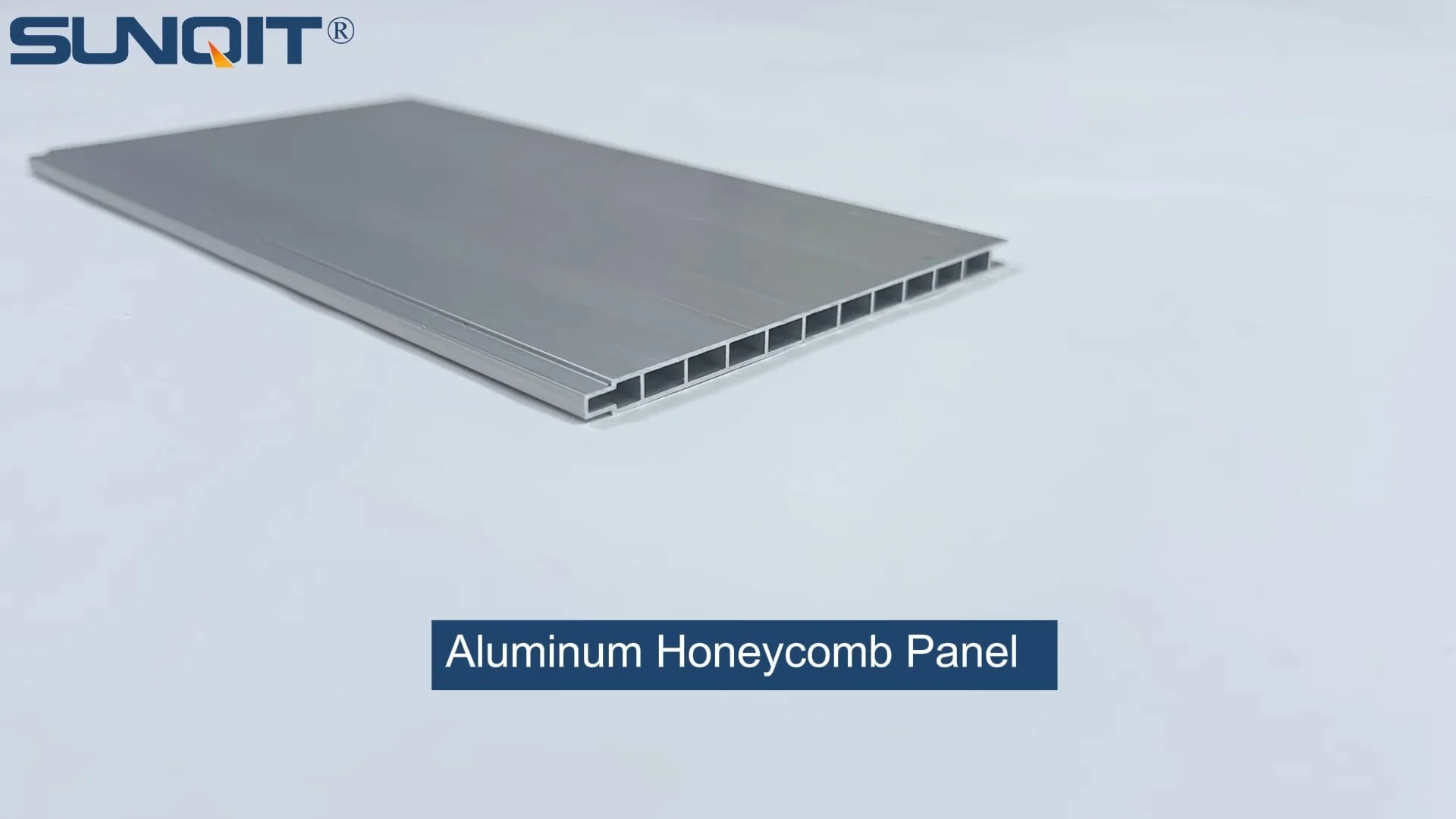
Aluminum Honeycomb Panel
Aluminum honeycomb panel used as table top, side wall, it is connected one pcs by one pcs from the side slot to make a full pieces.This panel width 105mm, 55mm, 35mm are optional for slection.
Walk into any modern manufacturing facility, and you'll quickly notice the unsung heroes of productivity: the workbenches where assembly happens, the conveyors moving parts seamlessly, the material racks holding inventory, and the lean system setups that keep operations flowing like clockwork. These structures aren't just metal and plastic—they're the backbone of how work gets done. And when it comes to building them, the choice of materials can make or break efficiency, durability, and even worker satisfaction. Today, we're diving into two heavyweights in industrial materials: aluminum honeycomb panels and plastic composites. Both have their fans, but which one deserves a spot in your facility? Let's break it down.
First Things First: What Are Aluminum Honeycomb Panels?
If you've ever wondered how something so light can be so strong, aluminum honeycomb panels are a masterclass in engineering. Picture this: a thin, lightweight core shaped like a honeycomb (you know, the hexagonal pattern bees use) sandwiched between two flat aluminum sheets. The result? A panel that's surprisingly tough despite its feathery weight. The honeycomb core distributes weight evenly across the surface, while the aluminum skins add rigidity and protection. It's like nature's own design meets industrial innovation.
Manufacturers bond the aluminum sheets to the honeycomb core using high-strength adhesives, creating a structure that's both flexible and firm. You'll find them in everything from aircraft interiors (hello, lightweight yet crash-resistant walls) to high-end workbenches in electronics factories. But what makes them stand out in industrial settings?
The Pros: Let's start with the obvious: strength-to-weight ratio. Aluminum honeycomb panels are pound-for-pound stronger than many solid metals, which means you can build a workbench that supports heavy machinery without making it impossible for workers to reposition. They're also incredibly durable—resistant to dents, scratches, and even mild corrosion (thanks to aluminum's natural oxide layer). Need something that handles temperature swings? These panels excel here too, with good thermal insulation properties that keep surfaces from getting too hot or cold in fluctuating environments. And let's not forget sustainability: aluminum is 100% recyclable, so when it's time to upgrade, you're not adding to landfill waste.
The Cons: No material is perfect, and aluminum honeycomb panels have their quirks. The biggest downside? Cost. That fancy honeycomb structure and aluminum skin don't come cheap—you'll pay more upfront compared to basic plywood or even some plastic composites. They're also not indestructible: while the panels are strong, the edges can be vulnerable to sharp impacts. drop a heavy tool on the corner, and you might end up with a dent or a split. Plus, if you're after bold colors, you'll need to paint or coat them, as raw aluminum tends to stick to silvers and grays.
Now, Plastic Composites: The Shape-Shifters of Materials
Plastic composites are the chameleons of the industrial world. Unlike aluminum honeycomb panels, which have a fixed structure, plastic composites are a mix of polymers (think: plastics) and reinforcing fibers—usually glass, carbon, or aramid fibers. This combo lets manufacturers mold them into almost any shape, from curved conveyor guards to custom-fit workbench tops. You've probably heard of fiberglass (a common type of plastic composite) in boat hulls or car parts, but their industrial uses go far beyond that.
The magic of plastic composites lies in their versatility. Want a panel that's flexible? Use more polymer. Need it stiffer? Add more fiber. They're also resistant to a lot of the things that eat away at metals: saltwater, chemicals, and even UV rays (if treated right). That's why you'll see them in food processing plants, where daily washdowns with harsh cleaners are the norm, or in outdoor material racks that brave rain and sun.
The Pros: Corrosion resistance is a big one here. Unlike aluminum, plastic composites won't rust or degrade when exposed to moisture or chemicals, making them a no-brainer for wet environments. They're also lightweight—though not always as light as aluminum honeycomb—and offer design freedom. Need a conveyor track with a weird curve? Plastic composites can be molded to fit, no problem. Impact resistance is another win: they bend before breaking, so accidental drops or collisions are less likely to cause permanent damage. And while the upfront cost can vary, some plastic composites are cheaper than aluminum honeycomb panels, especially for simple shapes.
The Cons: Heat is the enemy here. Most plastic composites start to soften or warp at high temperatures (think 150°F and above), which rules them out for applications near ovens or furnaces. They're also prone to UV degradation over time—leave a plastic composite panel in direct sunlight for years, and it might become brittle or fade. And while they're recyclable in theory, the process is more complex than recycling aluminum, which means many end up in landfills. Oh, and that flexibility? It can be a curse: under constant heavy loads, plastic composites might sag or bend permanently, unlike the rigid aluminum honeycomb panels.

Head-to-Head: How Do They Stack Up?
Enough theory—let's put these materials side by side. We'll compare them on the factors that matter most in industrial settings: strength, durability, cost, and more. Think of this as your cheat sheet for choosing between them.
| Factor | Aluminum Honeycomb Panels | Plastic Composites |
|---|---|---|
| Strength-to-Weight Ratio | Exceptional—pound-for-pound stronger than most metals. | Good, but typically lower than aluminum honeycomb. |
| Durability | Resistant to dents, scratches, and mild corrosion; edges vulnerable to impacts. | Impact-resistant but prone to UV degradation and heat warping. |
| Cost | Higher upfront cost; lower long-term cost due to longevity. | Lower upfront cost for simple designs; higher replacement costs over time. |
| Corrosion Resistance | Good (aluminum oxide layer), but not ideal for constant moisture/chemicals. | Excellent—resistant to water, acids, and cleaning agents. |
| Thermal Resistance | Handles high and low temperatures (-40°F to 300°F) without warping. | Struggles above 150°F; may soften or deform. |
| Recyclability | 100% recyclable; aluminum can be melted down and reused. | Recyclable but complex; often ends up in landfills. |
| Design Flexibility | Limited shapes (mostly flat panels); can be cut to size. | High—moldable into curves, custom shapes, and intricate designs. |

Industrial Applications: Where Does Each Material Shine?
Now, let's get practical. When should you reach for aluminum honeycomb panels, and when is plastic the better pick? It all comes down to your specific needs. Let's look at common industrial setups and see which material fits best.
Workbenches & Lean System Setups
Lean systems are all about efficiency—minimizing waste, maximizing flow, and keeping workstations adaptable. That's where aluminum honeycomb panels shine. Imagine a workbench in an electronics assembly line: it needs to support delicate components, tools, and maybe even ESD (electrostatic discharge) equipment. Aluminum honeycomb panels are lightweight enough to reconfigure (hello, quick layout changes!) but sturdy enough to hold 50+ pounds of gear without wobbling. They also conduct electricity, which means you can ground them to prevent static buildup—critical for sensitive electronics. Plus, their smooth, hard surface resists scratches from tools, so your workbench looks professional for years.
Plastic composites, on the other hand, are better for workbenches in messy environments. Think auto repair shops where oil and grease are everywhere, or food processing lines where daily hosing down is required. Plastic composites won't absorb liquids or rust, making cleanup a breeze. But if you need a bench that stays rigid under heavy tools all day, aluminum honeycomb is the safer bet.
Conveyors & Material Racks
Conveyors are the circulatory system of manufacturing—they keep parts moving from A to B without a hitch. For conveyor frames or roller track supports, aluminum honeycomb panels are a solid choice. Their light weight reduces strain on conveyor motors, cutting energy costs, and their strength ensures they won't bend under the weight of boxes or parts. Plus, in cleanrooms (like pharmaceutical or semiconductor facilities), aluminum's smooth surface is easy to sanitize and doesn't shed particles—unlike some plastic composites that might degrade and flake over time.
Plastic composites, though, rule the roost for conveyor components that come into direct contact with corrosive materials. For example, in chemical plants, plastic composite roller tracks can handle spills without rusting, and their flexibility means they can absorb impacts from falling parts. They're also a favorite for outdoor conveyor systems (think loading docks exposed to rain and snow) since UV-resistant composites hold up better than aluminum in constant sunlight.
Aerospace & Heavy-Duty Manufacturing
When every pound counts—like in aerospace or automotive manufacturing—aluminum honeycomb panels are non-negotiable. Airplane cargo floors, helicopter interiors, and even race car bodies rely on their strength-to-weight ratio to boost fuel efficiency and performance. In these high-stakes environments, the higher upfront cost is worth it for the long-term reliability. Plastic composites can play a role here too (e.g., interior panels that need to be flame-retardant), but they're rarely the first choice for structural parts.
Real-World Stories: When the Rubber Meets the Conveyor Belt
Let's hear from the people who use these materials every day. Take Maria, a plant manager at a mid-sized electronics manufacturer. A year ago, she replaced her facility's old wooden workbenches with aluminum honeycomb panel tops mounted on aluminum profile frames. "We used to have workers complaining about back pain from moving heavy benches during reconfigurations," she says. "Now, two people can lift a bench top easily, and the aluminum surface doesn't scratch when we slide circuit boards around. We've even noticed fewer defects because the benches stay level—no more wobbly work surfaces!"
Then there's Raj, who runs a food packaging plant. His team uses plastic composite conveyor guards and material racks. "We wash down our lines twice a day with caustic cleaners," he explains. "Aluminum racks we tried before would start pitting after a few months, but the plastic composites look brand-new. The only downside? We had to replace a few racks after a summer heatwave—they warped a bit near the ovens. Now we keep those away from heat sources, and they're golden."
The Verdict: Which One Should You Choose?
At the end of the day, there's no "winner"—only what works best for your facility. Here's a quick checklist to help you decide:
- Choose aluminum honeycomb panels if: You need strength without the weight, work in temperature-fluctuating environments, or prioritize recyclability. They're ideal for workbenches, structural conveyor parts, and cleanroom setups.
- Choose plastic composites if: Corrosion resistance, design flexibility, or low maintenance is your top priority. They shine in wet, messy, or outdoor environments, like food processing or chemical plants.
And remember: sometimes, the best solution is a mix. Many facilities use aluminum honeycomb for structural frames and plastic composites for high-wear components. It's all about balance.
Final Thoughts: Invest in the Right Tools for the Job
Workbenches, conveyors, lean systems—these aren't just pieces of equipment. They're investments in your team's productivity, safety, and morale. Aluminum honeycomb panels and plastic composites both have their place, but understanding their strengths and weaknesses is key to making the right call. Whether you're building a new facility or upgrading an old one, take the time to assess your needs: What's the environment like? How much weight will the material need to support? What's your long-term budget? The answers will guide you to the material that doesn't just work—but works for you .
After all, in manufacturing, the goal isn't just to build things—it's to build better. And better starts with the materials beneath your feet (and your workbenches, and your conveyors… you get the idea).