- Company Articles
- Products and Technology
- Procurement Guidelines
- Comparing Aluminum Side Guard Prices: Budget vs Premium Options

Comparing Aluminum Side Guard Prices: Budget vs Premium Options
Related Product
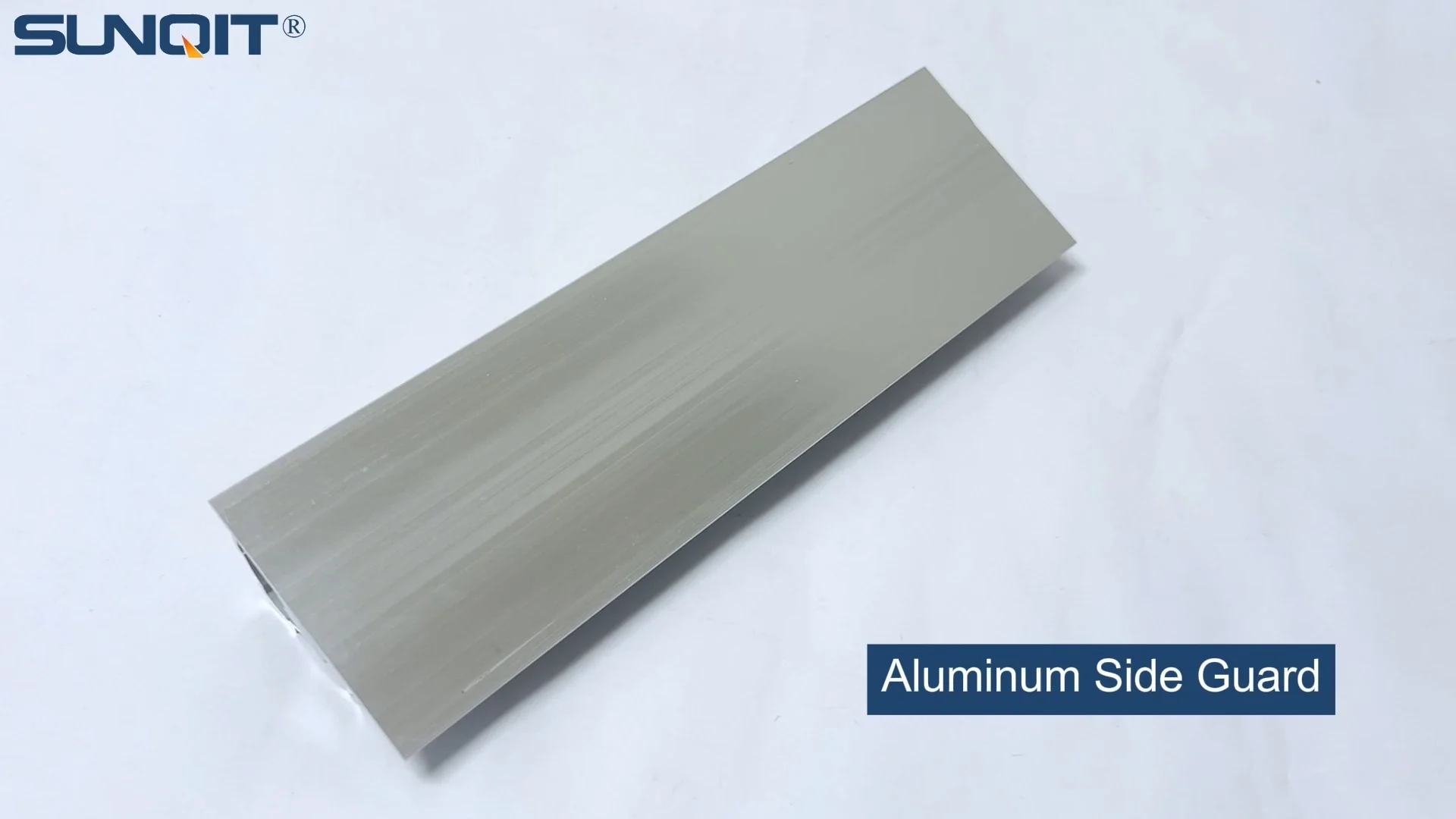
Aluminum Side Guard
Aluminum side guard, it works with a aluminum pipe or a roller track as side guard to prevent material drop,or move to wrong direction.
Introduction: The Unsung Heroes of Industrial Workspaces
Walk into any busy manufacturing plant, electronics workshop, or logistics warehouse, and you'll notice a symphony of moving parts: conveyor belts hum, workers assemble components on workbench surfaces, and materials glide along roller tracks. Amidst this organized chaos, there's a humble yet critical component that often goes unnoticed—aluminum side guards. These unassuming barriers line the edges of material rack b (3 row and 3 floor) units, frame workbenches, and border conveyor systems, silently preventing spills, protecting workers from sharp edges, and keeping products securely in place.
But not all aluminum side guards are created equal. Just as a chef might choose between a basic kitchen knife and a premium Damascus steel blade, industrial managers face a similar decision: opt for budget-friendly guards to save upfront costs, or invest in premium options for long-term durability and performance. In this article, we'll dive deep into the world of aluminum side guards, breaking down the key differences between budget and premium models, exploring their impact on workflow, and helping you decide which option aligns best with your needs.
Understanding Aluminum Side Guards: More Than Just Metal Strips
Before we compare prices, let's clarify what aluminum side guards are and why they matter. At their core, these guards are protective barriers made from aluminum—chosen for its lightweight, corrosion-resistant, and strength-to-weight ratio advantages. They're typically crafted from aluminum extrusion profile , a manufacturing process where aluminum is forced through a die to create consistent, custom shapes (think of it like squeezing toothpaste through a tube, but with metal). This process allows for precise designs, from simple flat strips to complex profiles with built-in channels for mounting or reinforcement.
Aluminum side guards serve three primary roles: protection (shielding workers from sharp edges or moving parts), containment (preventing tools, parts, or materials from sliding off surfaces), and organization (guiding workflows by defining pathways for materials). They're found everywhere from assembly line workbenches to heavy-duty material racks, and even alongside roller tracks to keep items centered during transport.
The magic lies in their versatility. Thanks to the flexibility of aluminum profile design, side guards can be customized to fit almost any workspace: short guards for small workbenches, tall guards for multi-tiered racks, or curved guards for circular conveyor systems. But this versatility also means a wide range of quality levels—and price points.

Budget Aluminum Side Guards: Affordable, but What's the Tradeoff?
Budget aluminum side guards are the workhorses of startups, small workshops, and low-volume operations. Priced to be accessible, they're designed to meet basic needs without breaking the bank. But what exactly defines a "budget" guard, and when should you consider one?
What Makes a Guard "Budget"?
Budget guards are typically made from lower-grade aluminum alloys (often 6005-T5 instead of the premium 6061-T6) and thinner extrusion profiles. The aluminum extrusion process here may prioritize speed over precision, resulting in slightly inconsistent wall thicknesses or rougher edges. Instead of heavy-duty metal joints, they often use plastic or nylon connectors, which are cheaper but less durable under stress.
In terms of features, budget guards keep it simple: no fancy ESD (electrostatic discharge) coatings, limited adjustability, and basic mounting options (usually pre-drilled holes for screws). They're often sold in standard lengths (e.g., 3ft, 4ft) with minimal customization—great if your workspace fits a one-size-fits-all mold, but frustrating if you need something tailored.
Price Range: How Much Do Budget Guards Cost?
You can expect to pay between $15 and $40 per linear foot for budget aluminum side guards. For example, a 4ft guard for a small workbench might cost $60–$160, depending on thickness and included hardware. This affordability makes them ideal for temporary setups, prototyping labs, or businesses with tight budgets.
Pros and Cons of Budget Guards
Pros:
- Low upfront cost: Perfect for startups or projects with limited funding.
- Lightweight: Easy to install without heavy machinery.
- Adequate for light use: Sufficient for protecting small parts or tools on a low-traffic workbench.
Cons:
- Limited durability: Thinner aluminum and plastic joints may bend or crack under heavy loads (e.g., if a 50lb box slides into them repeatedly).
- Corrosion risk: Lower-grade aluminum is more prone to rust in humid or chemical-exposed environments.
- No ESD protection: Critical for electronics manufacturing, where static can damage sensitive components.

Premium Aluminum Side Guards: Investing in Long-Term Performance
Premium aluminum side guards are the luxury vehicles of the industrial world—built to last, packed with features, and designed for high-stakes environments. They're the choice of automotive plants, aerospace facilities, and large-scale manufacturers where downtime or accidents cost thousands of dollars.
What Sets Premium Guards Apart?
Premium guards start with high-grade aluminum extrusion profile —usually 6061-T6 alloy, known for its exceptional strength and corrosion resistance. The extrusion process is precision-engineered, resulting in uniform wall thickness (often 2.0mm or thicker) and smooth, burr-free edges. Joints are made from anodized aluminum or stainless steel, with reinforced welding or locking mechanisms to withstand repeated impact.
Features here are all about performance: ESD-safe coatings to protect electronics, adjustable heights (via telescoping profiles), and modular designs that let you add extensions or corners as your workspace grows. Some even include integrated labeling slots or tool hooks, turning the guard into a multi-functional organizational tool.
Price Range: The Cost of Quality
Premium aluminum side guards range from $50 to $120 per linear foot. A 4ft guard for a heavy-duty material rack might cost $200–$480, but this includes higher-grade materials, stainless steel hardware, and custom engineering. While the upfront cost is steeper, many manufacturers report lower long-term costs—fewer replacements mean less downtime and maintenance.
Pros and Cons of Premium Guards
Pros:
- Exceptional durability: Withstand heavy impacts, constant use, and harsh environments (e.g., warehouses with high humidity or chemical exposure).
- Long lifespan: Premium guards often last 5–10 years, compared to 1–3 years for budget models.
- Customizable: Tailored lengths, colors, and features (like ESD coatings) to fit unique workflows.
Cons:
- High upfront cost: May strain budgets for small businesses or temporary projects.
- Heavier installation: Thicker aluminum requires more manpower or tools to mount.
- Overkill for light use: A premium guard on a rarely used workbench is like using a sledgehammer to crack a nut.
Side-by-Side Comparison: Budget vs Premium Aluminum Side Guards
To visualize the differences, let's compare key features side by side:
| Feature | Budget Aluminum Side Guards | Premium Aluminum Side Guards |
|---|---|---|
| Aluminum Alloy | 6005-T5 (lower strength, less corrosion resistance) | 6061-T6 (high strength, excellent corrosion resistance) |
| Extrusion Thickness | 0.8–1.2mm walls | 1.5–2.0mm walls |
| Joint Material | Plastic or nylon | Anodized aluminum or stainless steel |
| Load Capacity | Up to 20lbs impact resistance | Up to 100lbs impact resistance |
| ESD Protection | Not included | Optional ESD coating (10^6–10^9 ohms surface resistance) |
| Customization | Standard lengths only; limited color options | Custom lengths, colors, and features (e.g., tool hooks) |
| Price per Linear Foot | $15–$40 | $50–$120 |
| Expected Lifespan | 1–3 years | 5–10 years |
Factors to Consider When Choosing: It's Not Just About Price
Price is important, but it's rarely the only factor. Here's what else to weigh when deciding between budget and premium guards:
1. Application: What Will the Guard Protect?
A guard on a workbench used for assembling small circuit boards has very different needs than one on a material rack b (3 row and 3 floor) storing automotive parts. For light items (e.g., screws, sensors), a budget guard suffices. For heavy, bulky items (e.g., engine components), premium is non-negotiable—otherwise, you risk guards bending and parts falling, leading to damage or injuries.
2. Environment: Where Will It Be Used?
Humid warehouses, chemical labs, or outdoor facilities demand premium aluminum (or even stainless steel) to resist corrosion. Budget guards in these settings may rust within months, requiring frequent replacements that end up costing more than a premium guard upfront.
3. Long-Term vs. Short-Term Needs
If you're setting up a temporary pop-up production line for a 6-month project, budget guards make sense. But for a permanent workspace, premium guards offer better ROI—they'll outlast multiple budget replacements and reduce downtime from repairs.
4. Safety Requirements
Regulated industries (e.g., medical device manufacturing) often require ESD protection or guards that meet specific impact resistance standards. Premium guards are more likely to comply with these regulations, avoiding costly fines or product recalls.
Real-World Case Studies: How Others Chose
Case Study 1: Small Electronics Workshop (Budget Option)
A startup in Portland builds custom Arduino kits. Their workspace has 5 workbenches, each used to assemble small circuit boards and sensors. They opted for budget aluminum side guards ($25/linear foot) to keep tools from sliding off. After 2 years, the guards show minor scratches but no structural damage—proof that budget works for light, low-traffic use.
Case Study 2: Automotive Parts Warehouse (Premium Option)
A mid-sized auto parts distributor in Detroit uses material rack b (3 row and 3 floor) units to store brake calipers and suspension parts (each 30–50lbs). They initially tried budget guards but found them bending after 6 months of forklift traffic and box impacts. They switched to premium guards ($80/linear foot), which have now lasted 7 years with zero replacements.
Common Misconceptions About Aluminum Side Guards
Let's debunk a few myths that might cloud your decision:
Myth 1: "All Aluminum Guards Are the Same"
False. The quality of aluminum extrusion profile varies dramatically. A premium 6061-T6 extrusion with 2.0mm walls will outperform a budget 6005-T5 with 1.0mm walls in every measurable way—strength, durability, and resistance to wear.
Myth 2: "Premium Guards Are Just a Marketing Gimmick"
Not true. The higher cost comes from tangible upgrades: better alloys, thicker walls, reinforced joints, and compliance with industry standards. These features directly impact performance and lifespan.
Myth 3: "I Can Save Money by DIYing with Generic Aluminum Strips"
Tempting, but risky. Generic strips lack the structural design of purpose-built aluminum profile guards (e.g., integrated mounting channels or rounded edges to prevent cuts). A DIY guard might fail under stress, leading to accidents or damaged inventory.
Conclusion: Finding Your Balance
Choosing between budget and premium aluminum side guards boils down to your unique needs. If you're working with light materials, have a tight budget, or need a temporary solution, budget guards are a practical choice. But for heavy use, long-term durability, or regulated environments, premium guards are worth the investment—they protect your workers, your products, and your bottom line.
Remember: the cheapest option upfront isn't always the cheapest in the long run. A premium guard on a material rack b (3 row and 3 floor) might cost more today, but it will save you from replacing bent, rusted budget guards every year. And for critical workspaces like electronics assembly lines, the peace of mind that comes with ESD-safe, durable protection is priceless.
Ultimately, aluminum side guards are an investment in your workspace's efficiency and safety. Choose wisely, and they'll quietly support your operations for years to come.