- Company Articles
- Products and Technology
- Product knowledge
- Comparing Aluminum vs. Steel Roller Track Placon Mount Center Support Bracket: Which Is Better?

Comparing Aluminum vs. Steel Roller Track Placon Mount Center Support Bracket: Which Is Better?
Related Product
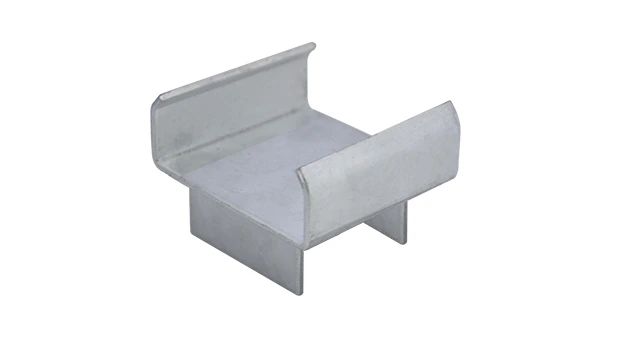
Roller Track Placon Mount Center Support Bracket
Roller track placon mount work as a connector for roller track and pipe or aluminum profile in rack syetem, it is a necessary parts in rack system which widely used in industrial plant and logistic,warehouse storage.
In the fast-paced world of manufacturing, every component on the production line plays a silent but critical role. When it comes to building efficient, adaptable workflows—whether for 3C assembly lines, medical device production, or warehouse logistics—choosing the right roller track support brackets can mean the difference between smooth operations and costly delays. Today, we're breaking down two heavyweights in the industry: aluminum and steel roller track placon mount center support brackets. Let's explore their strengths, weaknesses, and which one might be the perfect fit for your lean manufacturing goals.
Understanding the Basics: What Are Roller Track Placon Mount Center Support Brackets?
Before we dive into the aluminum vs. steel debate, let's make sure we're on the same page. Roller track placon mount center support brackets are the unsung heroes of material handling systems. They're the structural backbone that holds roller track systems in place, ensuring that products glide smoothly from one workstation to the next—whether it's a conveyor belt moving circuit boards in a 3C factory or a flow rack transporting medical supplies in a hospital warehouse.
Think of them as the "joints" of your production line. A weak or ill-fitting bracket can lead to wobbly tracks, jamming products, or even safety hazards. On the flip side, a well-designed bracket keeps everything aligned, reduces friction, and extends the lifespan of your entire lean system . That's why choosing between aluminum and steel matters—and it's not just about cost or durability. It's about matching the bracket to your unique workflow needs.
Aluminum Brackets: Lightweight, Corrosion-Resistant, and Lean by Design
Aluminum has long been a favorite in industries where agility and sustainability are priorities. Let's start with its most obvious advantage: weight. Aluminum is significantly lighter than steel—about one-third the density. This makes aluminum brackets easier to install, reconfigure, and transport. For manufacturers that embrace the lean solution philosophy of "sustainable improvement," this is a game-changer. Need to rearrange your production line to accommodate a new product? Aluminum brackets can be moved without heavy machinery, saving time and labor costs.
Then there's corrosion resistance. Aluminum naturally forms a protective oxide layer, which means it holds up well in environments with moisture, chemicals, or temperature fluctuations. This is a big win for industries like medical device manufacturing, where cleanliness is non-negotiable, or food processing, where frequent washdowns are required. Unlike steel, aluminum won't rust, so you won't have to worry about flaking debris contaminating sensitive products.
Another hidden benefit? Aluminum's compatibility with aluminum profile systems. Many modern lean manufacturing setups use aluminum profiles for workbenches, flow racks, and conveyors. Aluminum brackets integrate seamlessly with these systems, creating a cohesive, modular structure that's easy to expand or modify. It's like building with Lego blocks—each piece fits perfectly, giving you endless customization options.

Steel Brackets: The Heavy-Duty Workhorse for High-Load Environments
Steel, on the other hand, is all about raw strength. If your operation involves moving heavy loads—think automotive parts, large appliances, or industrial machinery—steel brackets are the reliable workhorses you need. Steel has a higher tensile strength than aluminum, meaning it can support more weight without bending or warping over time. This makes it ideal for high-stress applications where safety and stability are critical.
Cost is another factor where steel often shines. While prices can fluctuate based on market conditions, steel is generally more affordable than aluminum, especially for bulk orders. For small to medium-sized manufacturers working with tight budgets, steel brackets can help keep initial setup costs low. Plus, steel's durability means fewer replacements over time, which can offset long-term expenses—though it's important to factor in maintenance like painting or coating to prevent rust.
Steel also excels in environments where impact resistance is key. In busy warehouses or manufacturing floors, accidental bumps from forklifts or heavy carts are inevitable. Steel brackets can take a hit without cracking, whereas aluminum (while strong for its weight) is more prone to denting under extreme force. If your workplace is rough and tumble, steel might be the safer bet.

Head-to-Head: How They Stack Up in Key Categories
To make the choice clearer, let's compare aluminum and steel roller track placon mount center support brackets across the factors that matter most to manufacturers:
| Category | Aluminum Brackets | Steel Brackets |
|---|---|---|
| Weight | Lightweight (1/3 the density of steel) – easy to install/reconfigure | Heavy – requires more labor/equipment for setup |
| Strength & Load Capacity | Good for medium loads (ideal for 3C, electronics, small parts) | Excellent for heavy loads (automotive, industrial machinery) |
| Corrosion Resistance | High (natural oxide layer; no rusting) | Low (needs coating/painting to prevent rust) |
| Cost | Higher upfront cost | Lower upfront cost |
| Flexibility & Customization | High – integrates with aluminum profiles; easy to modify | Moderate – less modular; harder to reconfigure |
| Impact Resistance | Moderate – prone to dents under heavy impact | High – withstands bumps and collisions well |
Real-World Applications: Which Works Best Where?
The "better" option depends entirely on your industry and workflow. Here are some scenarios where each material shines:
Aluminum Brackets Are Ideal For:
- 3C & Electronics Manufacturing: Lightweight components like circuit boards, smartphones, and laptops need smooth, precise handling. Aluminum's light weight and corrosion resistance prevent damage to sensitive parts, while its modularity fits the fast-paced, ever-changing nature of tech production lines.
- Medical Device Production: Cleanrooms and sterile environments demand materials that resist rust and contamination. Aluminum brackets hold up to frequent cleaning with harsh chemicals, making them a hygienic choice for medical tools and equipment assembly.
- Lean Warehousing & Small-Part Logistics: If you're using flow racks or conveyors to move small to medium-sized items (e.g., e-commerce fulfillment centers, retail distribution), aluminum's portability lets you adjust layouts quickly to meet shifting demand—aligning perfectly with lean solution principles of flexibility.
Steel Brackets Are Ideal For:
- Automotive & Heavy Machinery: Car frames, engine parts, and industrial equipment are heavy and require robust support. Steel brackets ensure stability even under constant stress, reducing the risk of accidents or production halts.
- Outdoor or High-Moisture Environments (With Coating): While steel rusts without protection, galvanized or powder-coated steel brackets work well in outdoor warehouses or facilities with high humidity (e.g., agricultural equipment storage, marine parts manufacturing).
- Budget-Conscious Setups: For startups or manufacturers scaling up on a tight budget, steel's lower upfront cost can make it easier to invest in other critical equipment while still building a sturdy foundation.
The Verdict: It's About Your Unique Lean Goals
Key Takeaway:
There's no one-size-fits-all answer—but there is a "right" choice for your operation. If you prioritize flexibility, corrosion resistance, and lightweight design for medium loads, aluminum brackets align with the lean system ethos of adaptability and sustainability. If you need maximum strength, impact resistance, and lower upfront costs for heavy loads, steel is the practical choice.
Many manufacturers find that a hybrid approach works best. For example, use aluminum brackets in areas with frequent reconfigurations (like assembly lines for seasonal products) and steel brackets in high-load zones (like shipping/receiving areas). This way, you get the best of both worlds while staying true to lean principles of efficiency and waste reduction.
At the end of the day, the best bracket is the one that supports your workflow without slowing it down. Whether you choose aluminum, steel, or a mix, partnering with a supplier who understands your industry and can offer custom solutions is critical. Look for providers who prioritize quality materials, rigorous testing, and a commitment to lean solution design—because your brackets aren't just parts; they're the foundation of your success.
Conclusion: Building a Leaner, Stronger Production Line
Aluminum and steel roller track placon mount center support brackets each bring unique strengths to the table. Aluminum excels in flexibility, corrosion resistance, and lightweight applications—perfect for industries like 3C, electronics, and medical manufacturing where adaptability and precision are key. Steel, on the other hand, is the go-to for heavy loads, impact resistance, and budget-friendly setups, making it ideal for automotive, industrial, and high-stress environments.
By understanding your load requirements, workflow needs, and long-term goals, you can choose the bracket material that turns your production line from a collection of parts into a seamless, efficient system. Remember, in lean manufacturing, every decision—even the small ones like brackets—should move you closer to your goal: less waste, more productivity, and a workplace that grows with your success.
So, which will you choose? Whatever you decide, make sure it's a choice that supports your vision of a leaner, stronger future.