- Company Articles
- Products and Technology
- Procurement Guidelines
- Comparing Aluminum Workbench A Prices: Is It Worth the Investment?

Comparing Aluminum Workbench A Prices: Is It Worth the Investment?
Related Product
Aluminum Workbench A
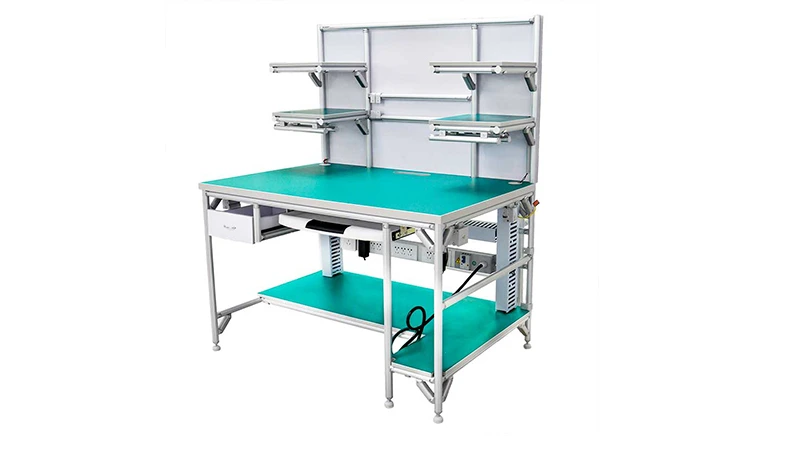
Aluminum tube workbench is more flexible and durable, compared with traditional PE/ABS coated steel tube. It is easy to assemble, anti corrosion, rust protection, and recycle use after disassemble.
Introduction: The Unsung Hero of the Workshop
Walk into any manufacturing plant, warehouse, or even a home garage, and you'll likely spot a workbench. It's not the flashiest piece of equipment, but it's the backbone of productivity—the place where ideas get assembled, tools find their home, and projects move from concept to completion. For decades, workbenches have been crafted from wood, steel, or a hodgepodge of materials, each with its own set of trade-offs. But in recent years, a new contender has risen in popularity: the aluminum workbench. Sleek, lightweight, and built to last, it's become a favorite for businesses looking to balance durability with flexibility. Today, we're zeroing in on one specific model that's been turning heads: Aluminum Workbench A. We'll break down its price, compare it to alternatives, and help you decide if it's worth the investment for your workspace.
What Is Aluminum Workbench A, Anyway?
Before we dive into price tags, let's get to know Aluminum Workbench A. Unlike generic workbenches, this model is designed with precision in mind, tailored for environments where organization, durability, and adaptability matter most—think electronics assembly lines, lab settings, or small-scale manufacturing workshops. At first glance, it might look like any other workbench: a flat surface supported by a frame. But dig deeper, and you'll notice the details that set it apart.
The star of the show here is the aluminum profile that forms its frame and tabletop. Aluminum profiles are extruded, meaning they're shaped by forcing molten aluminum through a die to create consistent, strong cross-sections. This process results in a material that's both lightweight and surprisingly rigid—strong enough to support heavy tools and components, yet light enough to reposition if your workspace layout changes. Aluminum Workbench A typically features a single deck (no caster wheels, unlike some models), which keeps it stable during tasks that require precision, like soldering or part assembly.
But what really makes Aluminum Workbench A versatile is its compatibility with aluminum pipe accessories . These aren't just add-ons; they're the secret to customizing the workbench to your needs. Need a shelf for tools? Snap on a bracket. Want to route cables neatly? Add a cable management clip. These accessories slide into the T-slots of the aluminum profile, making it easy to reconfigure the workbench as your tasks evolve. It's like having a workspace that grows with your business—no need to buy a whole new bench when your needs change.

Breaking Down the Price Tag: What Goes Into the Cost?
Okay, let's talk numbers. Aluminum Workbench A isn't the cheapest workbench on the market, but it's also not the most expensive. Prices can range from $250 to $600, depending on where you buy it, the size, and any added features. But why the variation? Let's break down the factors that influence the cost.
1. The Quality of Aluminum Profile
Not all aluminum profiles are created equal. The grade of aluminum, wall thickness, and extrusion precision play a huge role in both performance and price. Aluminum Workbench A is typically made from 6061 or 6063 aluminum alloy—grades known for their strength, corrosion resistance, and machinability. A thicker wall profile (say, 2mm vs. 1.2mm) will cost more but can support heavier loads without bending. Cheaper alternatives might use lower-grade aluminum or thinner walls, which save money upfront but risk warping or failing under stress over time.
2. Aluminum Pipe Accessories and Customization
A basic Aluminum Workbench A comes with just the frame and tabletop, but most buyers opt for at least a few aluminum pipe accessories to boost functionality. Common add-ons include tool hooks, side shelves, drawer units, or even LED task lighting. Each accessory adds to the total cost: a simple shelf bracket might be $15, while a full drawer unit could set you back $80. Customization options, like powder coating the frame to match your brand colors or adding a non-slip surface to the tabletop, also increase the price. These extras aren't mandatory, but they transform the workbench from a basic surface into a tailored workspace.
3. Size and Weight Capacity
Aluminum Workbench A comes in standard sizes—think 120cm x 60cm, 150cm x 75cm, or larger—but you can also order custom dimensions. Unsurprisingly, a bigger workbench costs more. Similarly, weight capacity matters. A model rated for 200kg will have a sturdier frame and thicker aluminum profile than one rated for 100kg, and that extra strength comes with a higher price tag. If your tasks involve heavy machinery or large components, you'll need to invest in a higher capacity; if you're just assembling small parts, a lighter-duty model might suffice.
4. The Supplier Factor
Where you buy Aluminum Workbench A also impacts the price. Sourcing from a reputable lean pipe workbench supplier might cost 10-15% more than buying from a generic online retailer, but there's a reason for that. Reputable suppliers often offer better quality control, warranties (some up to 5 years), and customer support if you need help with assembly or accessories. They also tend to use higher-grade aluminum profiles and test their products for durability, which reduces the risk of defects. On the flip side, cheaper suppliers might cut corners—using thinner aluminum, flimsy accessories, or skipping quality checks—to hit lower price points.

Comparing Aluminum Workbench A to the Competition
To really understand if Aluminum Workbench A is worth the investment, we need to compare it to other workbench options. Let's stack it up against three common alternatives: wooden workbenches, steel workbenches, and another aluminum model (Workbench E, which has a single deck but includes caster wheels).
Aluminum Workbench A vs. Wooden Workbenches
Wooden workbenches are the old reliable. They're affordable—you can find a basic pine workbench for $100-$200—and have a classic, tactile feel that many DIYers love. But they come with big downsides. Wood warps with moisture, stains easily, and can splinter over time. If you're working with chemicals or liquids, a wooden top will absorb spills, leading to rot or mold. Plus, wooden frames aren't as strong as aluminum; they can wobble under heavy loads, which is a safety hazard. Aluminum Workbench A, by contrast, resists corrosion, wipes clean easily, and won't warp. The trade-off? It costs 2-3x more upfront. But over 5-10 years, you'll likely replace a wooden workbench 2-3 times, making Aluminum Workbench A the cheaper option in the long run.
Aluminum Workbench A vs. Steel Workbenches
Steel workbenches are the heavyweights of the workbench world. They're incredibly strong—some can support 500kg or more—and durable enough to withstand rough use. Prices start around $300 for a basic model, which puts them in the same ballpark as Aluminum Workbench A. But steel has two major drawbacks: weight and rust. A steel workbench can weigh 50kg or more, making it nearly impossible to move without help. And unless it's powder-coated or stainless steel, it will rust if exposed to moisture. Aluminum Workbench A, on the other hand, weighs half as much as steel (around 25-30kg for a standard size) and is naturally rust-resistant. If your workspace needs flexibility (e.g., reconfiguring layouts seasonally), aluminum is the clear winner. If you need maximum strength and never plan to move the workbench, steel might be better—but you'll pay extra for rust protection.
Aluminum Workbench A vs. Workbench E (with Casters)
Within the aluminum workbench family, Aluminum Workbench A competes with models like Workbench E, which includes caster wheels for mobility. Workbench E typically costs $50-$100 more than Aluminum Workbench A, thanks to those wheels and the reinforced frame needed to support them. So, is the extra cost worth it? If you need to move the workbench frequently—say, between assembly stations—casters are a game-changer. But if your workbench stays in one spot, Aluminum Workbench A's fixed design is more stable (no wobbling during tasks) and saves you money. It's a classic trade-off: mobility vs. stability and cost.
A Quick Price Comparison Table
| Workbench Type | Price Range | Key Features | Best For |
|---|---|---|---|
| Basic Wooden Workbench | $100-$200 | Pine frame, fixed size, low weight capacity | DIYers, light hobby use |
| Steel Workbench (Powder-Coated) | $300-$500 | Heavy-duty frame, high weight capacity, rust-resistant coating | Heavy manufacturing, static workspaces |
| Aluminum Workbench E (with Casters) | $350-$650 | Aluminum profile, single deck, caster wheels, medium weight capacity | Mobile workstations, frequent layout changes |
| Aluminum Workbench A (no casters) | $250-$600 | Aluminum profile, single deck, stable, compatible with aluminum pipe accessories | Precision tasks, small to medium manufacturing, labs |
Is Aluminum Workbench A Worth the Investment? The Value Beyond the Price Tag
So, we've talked about what Aluminum Workbench A is, what goes into its price, and how it stacks up against alternatives. Now, the big question: Is it worth the investment? The answer depends on your needs, but let's break down the value it brings beyond the upfront cost.
Durability: A Workbench That Grows With Your Business
Aluminum doesn't rust, warp, or rot. Unlike wood, it won't absorb spills or harbor bacteria (a big plus for labs or food processing). Unlike steel, it doesn't need repainting or re-coating every few years. With basic care—wiping down the surface and tightening accessories occasionally—Aluminum Workbench A can last 10-15 years. Compare that to a wooden workbench, which might need replacement every 3-5 years, or a steel workbench that could rust through if the coating chips. Over time, the higher upfront cost of aluminum evens out because you're not constantly buying replacements.
Flexibility: Adapt to Changing Needs
The modern workspace isn't static. Projects change, teams grow, and layouts evolve. Aluminum Workbench A's compatibility with aluminum pipe accessories makes it easy to adapt. Need to add a shelf when you hire a new team member? Just slide on a bracket. Want to reconfigure the workspace for a new product line? Disassemble the frame (no tools needed, thanks to the aluminum profile's T-slots) and rebuild it in a new shape. This flexibility means you won't outgrow the workbench as your business expands, saving you from buying a new one down the line.
Ergonomics: Happy Workers = Productive Workers
Ergonomics is often overlooked, but it's critical for long-term productivity. Aluminum Workbench A can be customized to the right height for your team (standard heights range from 75cm to 90cm, but many suppliers offer adjustable legs as an accessory). A comfortable workspace reduces fatigue, which means fewer mistakes and fewer worker absences due to strain. Wooden workbenches are often one-size-fits-all, and steel workbenches are heavy to adjust. Aluminum's lightweight design makes height tweaks (if you opt for adjustable legs) quick and easy.
Cleanliness: A Must for Sensitive Industries
In industries like electronics, pharmaceuticals, or food processing, cleanliness is non-negotiable. Aluminum's smooth, non-porous surface is easy to sanitize—just wipe with a disinfectant cloth. It doesn't trap dust or debris in cracks, unlike wood, which can harbor germs. Even in less sensitive environments, a clean workspace is a more efficient one. Aluminum Workbench A helps you maintain that level of cleanliness with minimal effort.
Resale Value: Get Some Money Back
Let's say your business outgrows Aluminum Workbench A, or you switch to a different setup. Unlike a worn-out wooden workbench, which might end up in the trash, aluminum workbenches hold their value. You can resell them on used equipment platforms for 40-60% of the original price, especially if they're in good condition. That's extra cash you can put toward new tools or workspace upgrades.
Real-World Scenarios: When Aluminum Workbench A Shines (and When It Might Not)
To make this concrete, let's look at a few real-world examples of businesses using Aluminum Workbench A—and whether it was the right choice for them.
Scenario 1: A Small Electronics Assembly Shop
Maria runs a shop with 5 employees assembling circuit boards. Her team needs a stable workspace for soldering, component sorting, and testing. They don't need to move the workbenches often, but they do need to add tool shelves and cable management as they take on bigger orders. Maria opted for Aluminum Workbench A (150cm x 75cm, 200kg capacity) with a few aluminum pipe accessories (shelves, cable clips). She paid $450 per workbench. After 3 years, the workbenches still look new, and she's been able to reconfigure them twice to accommodate new assembly processes. "The upfront cost was higher than wood, but we haven't had to replace anything," she says. "And the clean surface is a must for electronics—no dust traps, no warping that throws off our precision work."
Scenario 2: A Home Garage Hobbyist
Jake loves restoring vintage motorcycles in his garage. He needs a workbench for small repairs, tool storage, and parts organization. He considered Aluminum Workbench A but ultimately went with a wooden workbench for $180. "Aluminum is nice, but I don't need all that durability," he explains. "I'm only working on one bike at a time, and I don't mind if the wood gets a few scratches. For my hobby, the wooden bench is more than enough." For Jake, the lower upfront cost and "character" of wood made more sense than aluminum's long-term benefits.
Scenario 3: A Medium-Sized Manufacturing Plant
Raj's plant manufactures small appliances. They have 20 workstations, and the layout changes every 6 months to accommodate new product lines. They initially used steel workbenches but found them too heavy to move. They switched to Aluminum Workbench E (with casters) for most stations but opted for Aluminum Workbench A in areas where stability is critical (like quality control). "The A model is rock-solid for inspections—no wobbling when we're checking for defects," Raj says. "And even though we paid a bit more for the aluminum, we've saved on labor because reconfiguring the workspace takes half the time it used to with steel."
Conclusion: Investing in Aluminum Workbench A—Yes or No?
Aluminum Workbench A isn't the cheapest workbench on the market, but it's also not a luxury item. It's an investment in durability, flexibility, and productivity. If you run a business that values precision, needs a workspace that can adapt to change, or operates in an environment where cleanliness and ergonomics matter, it's worth every penny. The aluminum profile ensures it lasts for years, the aluminum pipe accessories let you customize it to your needs, and the lightweight design makes it easier to work with than steel.
On the flip side, if you're a hobbyist with minimal needs, or if your workspace is temporary (like a pop-up workshop), a wooden workbench might be more cost-effective. But for most small to medium businesses, Aluminum Workbench A strikes the perfect balance between price and performance. It's not just a workbench—it's a tool that helps your team work smarter, adapt faster, and stay productive for years to come.
So, is Aluminum Workbench A worth the investment? For us, the answer is a resounding yes—especially if you plan to be in business for the long haul. It's the kind of purchase that pays for itself in durability, flexibility, and peace of mind.