- Company Articles
- Products and Technology
- Product knowledge
- Comparing Brands: Best Aluminum Profile 3 Way Connectors on the Market

Comparing Brands: Best Aluminum Profile 3 Way Connectors on the Market
Related Product
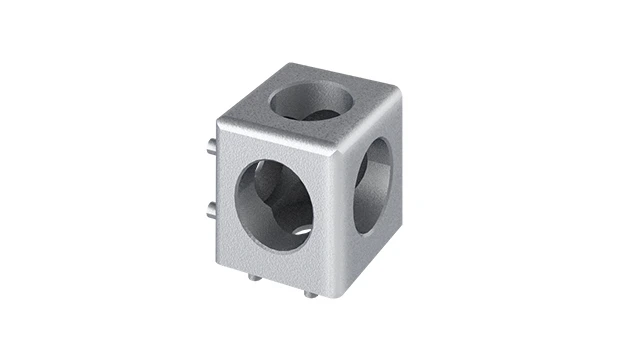
Aluminum Profile 3 Way Connector
The 3 way - squared corner connector is an external fastening method that is typically used to create a corner connection between three profiles. It is a heavy-duty connection that is simple to use and provides a polished look.
In the world of industrial manufacturing and workshop setups, the unsung heroes often lie in the details—the small components that hold everything together. Among these, aluminum profile 3 way connectors stand out as critical building blocks, enabling the creation of sturdy, modular structures from aluminum extrusion profiles. Whether you're assembling a workbench, a material rack, or a custom conveyor system, the right 3 way connector can make the difference between a wobbly frame that fails under pressure and a robust setup that lasts for years. But with so many brands and options flooding the market, how do you choose the one that fits your needs? This article dives deep into the top players, key considerations, and real-world applications to help you make an informed decision.
Why Aluminum Profile 3 Way Connectors Matter
Aluminum extrusion profiles have revolutionized modular design, offering lightweight strength, corrosion resistance, and unparalleled flexibility. From 2020 mini-profiles used in small-scale projects to heavy-duty 4040 or 8080 profiles for industrial machinery, these versatile rails form the skeleton of countless structures. But without reliable connectors, even the best profiles are just pieces of metal. 3 way connectors, in particular, are the linchpin for creating multi-directional frameworks—think of a workbench with side shelves, a material rack with branching levels, or a production line with angled supports. They allow for 90-degree and 135-degree joints, enabling designers to customize layouts without welding or complex machining.
Beyond structural integrity, modern 3 way connectors also play a role in efficiency. Many are designed for tool-less assembly, reducing setup time and allowing for quick reconfigurations as project needs change. They're also integral to aluminum profile accessories ecosystems, working seamlessly with brackets, panels, and casters to create complete solutions. In short, a high-quality 3 way connector isn't just a part—it's an investment in durability, adaptability, and peace of mind.
Key Factors to Consider When Shopping for 3 Way Connectors
Before diving into brand comparisons, let's break down the essential features to evaluate. Not all connectors are created equal, and the right choice depends on your specific application.
Material Quality
Most 3 way connectors are made from aluminum alloys, with 6061 and 6063 being the most common. 6061 aluminum offers higher tensile strength (around 310 MPa) and is ideal for heavy-load applications, while 6063 provides better corrosion resistance and a smoother finish, making it popular for visible structures like retail displays or cleanroom setups. Some brands also offer stainless steel connectors for environments with extreme moisture or chemical exposure, though these are heavier and often pricier. Avoid cheap plastic or low-grade aluminum connectors—they may save money upfront but risk bending or breaking under stress, leading to costly downtime.
Profile Compatibility
Aluminum extrusion profiles come in various sizes, denoted by their cross-sectional dimensions (e.g., 2020, 3030, 4040). A 3 way connector designed for a 2020 profile (20mm x 20mm) won't fit a 4040 profile (40mm x 40mm), so compatibility is non-negotiable. Check the connector's specifications to ensure it matches your profile series—some brands offer universal connectors that work with multiple sizes, but these often sacrifice precision for versatility. If you're using a mix of profiles (e.g., 3030 for the frame and 2020 for shelves), look for brands with modular connector lines that cover different sizes.
Load Capacity
Load capacity refers to the maximum weight a connector can support without deforming. This varies widely: a small 2020 connector might handle 20-30 kg, while an industrial-grade 4040 connector could support 150 kg or more. Always check the manufacturer's load ratings, and err on the side of caution—if your material rack holds 50 kg per shelf, choose a connector rated for at least 75 kg to account for dynamic loads (e.g., items being placed or removed). Overloading connectors is a common cause of structural failure, so don't cut corners here.
Installation Ease
Time is money, especially in industrial settings. Tool-less connectors, which use friction, spring-loaded pins, or twist-lock mechanisms, can drastically reduce assembly time compared to bolt-on models that require hex keys or wrenches. However, tool-less designs may have lower load capacities, so balance speed with strength. For permanent setups, bolt-on connectors offer a more secure hold, while tool-less options are better for frequently reconfigured structures like temporary workstations or event displays.
Durability and Finish
A connector's finish affects both aesthetics and longevity. Anodized aluminum connectors resist scratches and corrosion, making them suitable for high-traffic areas or outdoor use. Powder-coated finishes add color options (common in lean manufacturing setups where color-coding workflow zones) but may chip over time. Look for smooth edges to avoid snags on cables or clothing, and check for burrs or rough machining—signs of poor quality control.
Cost vs. Value
Price ranges vary from $2-$5 for budget connectors to $15-$25 for premium, heavy-duty models. While it's tempting to opt for the cheapest option, consider the total cost of ownership: a $3 connector that fails after 6 months will cost more in replacements and downtime than a $10 connector that lasts 5 years. For critical applications (e.g., supporting expensive equipment or human-operated workbenches), prioritize quality over savings.

Top Brands to Watch in 2024
Now that we know what to look for, let's explore the leading brands in the aluminum profile 3 way connector space. Each has its strengths, target markets, and unique selling points.
1. ProAlu Connect: Precision Engineering for Industrial Use
ProAlu Connect has built a reputation for industrial-grade reliability, catering to manufacturers, automotive plants, and heavy machinery builders. Their 3 way connectors are machined from 6061-T6 aluminum, a heat-treated alloy known for exceptional strength (tensile strength of 310 MPa) and fatigue resistance. The brand offers a wide range, from compact 2020-compatible models to beefy 8080 connectors rated for up to 200 kg per joint.
What sets ProAlu apart is its attention to precision. Each connector features tight tolerances (±0.05mm), ensuring a snug fit with profiles and minimal play. They also offer both tool-less (ProClick series) and bolt-on (ProLock series) options. The ProClick line uses a cam-lock mechanism that requires just a 90-degree twist to secure, making assembly a one-person job. For high-vibration environments, the ProLock series uses stainless steel bolts with nylon inserts to prevent loosening over time.
Pros: Industry-leading load capacity, tight tolerances, wide profile compatibility, lifetime warranty on material defects. Cons: Premium pricing (starts at $12 per connector), ProClick models may be overkill for light-duty projects.
2. AluFrame Solutions: Budget-Friendly Versatility for Small Businesses
AluFrame Solutions targets small workshops, makerspaces, and DIY enthusiasts with affordable, user-friendly connectors. Their 3 way lineup is built from 6063 aluminum, balancing strength and cost, and includes options for 2020, 3030, and 4040 profiles. Most models are tool-less, using a spring-loaded pin system that clicks into profile slots—no tools required, which is a hit with hobbyists and educators.
While AluFrame's load capacities are more modest (up to 80 kg for 4040 connectors), they're more than sufficient for projects like small workbenches, storage racks, or display shelves. The brand also offers a "Starter Kit" with 10 connectors, 4 profiles, and basic accessories, making it easy for beginners to get started. Their connectors come in anodized silver or black, with limited color options, but the finish is smooth and resistant to minor scratches.
Pros: Budget-friendly (starts at $3.50 per connector), tool-less assembly, great for small projects, starter kits available. Cons: Lower load capacity, limited compatibility with non-standard profiles, 1-year warranty.
3. EcoAlu Tech: Sustainable Innovation for Green Workspaces
EcoAlu Tech stands out for its commitment to sustainability, using 100% recycled aluminum in its connectors and carbon-neutral manufacturing processes. Their 3 way connectors are designed for eco-conscious businesses, universities, and government facilities aiming to reduce their environmental footprint. Despite the recycled material, they don't skimp on performance—their flagship EcoConnect 3 way line uses a reinforced 6063 alloy with a tensile strength of 280 MPa, supporting up to 120 kg for 4040 profiles.
EcoAlu's unique selling point is its modular design. Many of their connectors feature removable inserts, allowing users to switch between profile sizes (e.g., 3030 to 4040) by swapping a small plastic sleeve, reducing waste from obsolete parts. They also offer a take-back program for old connectors, recycling them into new products. The connectors are available in natural anodized finish or a low-VOC powder coat in earthy tones (sage green, terracotta), aligning with sustainable design aesthetics.
Pros: Recycled materials, carbon-neutral production, modular inserts for size flexibility, 5-year warranty. Cons: Slightly higher price than AluFrame (starts at $7), limited color options, modular inserts sold separately.
4. MegaProfile Components: Heavy-Duty Solutions for Extreme Loads
MegaProfile Components caters to industries where failure is not an option—think aerospace, construction, and heavy logistics. Their 3 way connectors are over-engineered for maximum strength, using 7075 aluminum alloy (tensile strength 540 MPa) in critical areas and stainless steel hardware for corrosion resistance. These connectors aren't pretty, but they're built to withstand abuse: a single 4040 MegaLock 3 way connector can support up to 300 kg, making them ideal for loading docks, machine bases, or outdoor structures.
Installation is more involved than with tool-less models—MegaProfile connectors require two hex bolts per joint, and some even include set screws for additional stability. They're also bulkier, with larger footprints that may limit design flexibility in tight spaces. However, for applications like supporting industrial robots or storing heavy equipment, the trade-off is worth it. The brand offers custom machining services, allowing for modified hole patterns or unique angles for specialized projects.
Pros: Industry-leading load capacity (up to 300 kg), 7075 aluminum construction, custom options available, 10-year warranty. Cons: Expensive (starts at $22 per connector), requires tools, bulky design.

Head-to-Head: Brand Comparison Table
| Brand | Material | Compatible Profiles | Max Load Capacity (4040 profile, kg) | Price Range (Per Unit) | Installation Type | Warranty | Best For |
|---|---|---|---|---|---|---|---|
| ProAlu Connect | 6061-T6 Aluminum | 2020, 3030, 4040, 8080 | 200 | $12–$25 | Tool-less (ProClick) or Bolt-on (ProLock) | Lifetime | Industrial manufacturing, heavy machinery |
| AluFrame Solutions | 6063 Aluminum | 2020, 3030, 4040 | 80 | $3.50–$8 | Tool-less (spring-loaded pin) | 1 Year | Small workshops, DIY projects, makerspaces |
| EcoAlu Tech | Recycled 6063 Aluminum | 2020, 3030, 4040 (with inserts) | 120 | $7–$15 | Tool-less (twist-lock) or Bolt-on | 5 Years | Sustainable businesses, universities, green workspaces |
| MegaProfile Components | 7075 Aluminum + Stainless Steel | 3030, 4040, 8080, Custom | 300 | $22–$45 | Bolt-on (hex keys required) | 10 Years | Heavy logistics, aerospace, extreme load applications |
Real-World Applications: How the Right Connector Makes a Difference
To put these brands in context, let's look at two scenarios where connector choice directly impacts outcomes.
Scenario 1: Small Workshop Workbench
A local woodworker wants to build a 120cm x 80cm workbench with a shelf and tool rack using 3030 aluminum profiles. They need something sturdy enough to support 50kg of tools but don't want to spend a fortune. AluFrame Solutions' 3 way connectors are a perfect fit: at $4 per connector, 8 connectors (for the frame and shelf) cost $32, and the tool-less assembly lets them put it together in an afternoon. The 80kg load capacity is more than enough, and if they later want to add a second shelf, they can easily reconfigure the connectors without tools.
Scenario 2: Automotive Production Line
An auto parts manufacturer needs to build a material rack to hold heavy engine components (150kg per shelf) using 4040 profiles. They require a setup that can withstand daily use by forklifts and frequent part loading/unloading. ProAlu Connect's ProLock 3 way connectors are the go-to here: their 200kg load capacity provides a safety buffer, and the bolt-on design ensures joints won't loosen under vibration. While the $15 per connector price tag adds up (30 connectors for a 3-level rack cost $450), the lifetime warranty and reduced downtime from failures make it a smart long-term investment.
Common Mistakes to Avoid
Even with the right brand, poor selection or installation can lead to issues. Here are pitfalls to steer clear of:
- Mismatched profiles and connectors: Assuming a "universal" connector works with all 4040 profiles. Some brands have proprietary slot designs—always check the manufacturer's compatibility chart.
- Overestimating load capacity: A 4040 connector rated for 100kg per joint doesn't mean a shelf with 4 connectors can hold 400kg—factor in distribution and dynamic loads (e.g., dropping items).
- Skipping torque specs: For bolt-on connectors, overtightening can strip threads or warp profiles; undertightening leads to loosening. Follow the brand's torque recommendations (usually 2-3 Nm for aluminum).
- Ignoring environmental factors: Using standard aluminum connectors in humid or chemical-exposed areas. Opt for stainless steel or anodized options in these cases.
- Buying in bulk without testing: Order a small sample first to test fit, load capacity, and ease of use before purchasing hundreds for a large project.
Maintenance Tips for Long-Lasting Connectors
With proper care, your 3 way connectors can outlast the profiles they join. Here's how to keep them in top shape:
- Inspect regularly: Check for loose bolts, cracks, or bent components monthly, especially in high-use areas.
- Clean gently: Wipe with a damp cloth to remove dust and debris; avoid abrasive cleaners that can scratch anodized finishes.
- Lubricate moving parts: For tool-less connectors with pins or cams, apply a drop of silicone lubricant annually to keep mechanisms smooth.
- replace worn parts: If a connector shows signs of deformation or stripped threads, replace it immediately—don't risk structural failure.
- Store properly: Keep spare connectors in a dry, cool place to prevent corrosion; avoid stacking heavy objects on them to prevent warping.
Final Thoughts: Choosing the Best Connector for Your Needs
Aluminum profile 3 way connectors may seem like small components, but they're the glue that holds modular systems together. The best brand for you depends on your priorities: ProAlu Connect for industrial strength, AluFrame Solutions for budget-friendly DIY projects, EcoAlu Tech for sustainability, or MegaProfile Components for extreme loads. By focusing on material, compatibility, load capacity, and ease of installation, you can narrow down the options and find a connector that balances performance and cost.
Remember, the goal isn't just to buy a connector—it's to build a structure that works for you, today and tomorrow. Whether you're a hobbyist building a shelf or a plant manager overseeing a production line, investing in quality aluminum profile 3 way connectors will pay off in durability, efficiency, and peace of mind. So take the time to research, test samples, and choose wisely—your projects deserve nothing less.