- Company Articles
- Products and Technology
- Product knowledge
- Comparing Brands: Which Two Way Lean Pipe Joint Offers the Best Quality?

Comparing Brands: Which Two Way Lean Pipe Joint Offers the Best Quality?
Related Product
Two Way Lean Pipe Joint
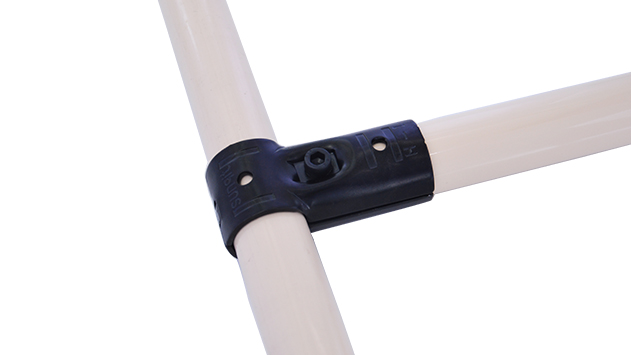
Two way lean pipe joint for 2 pcs 28MM lean pipe connection in straight angle, which used widely in workbench, flow rack, hand trolley frame connection.
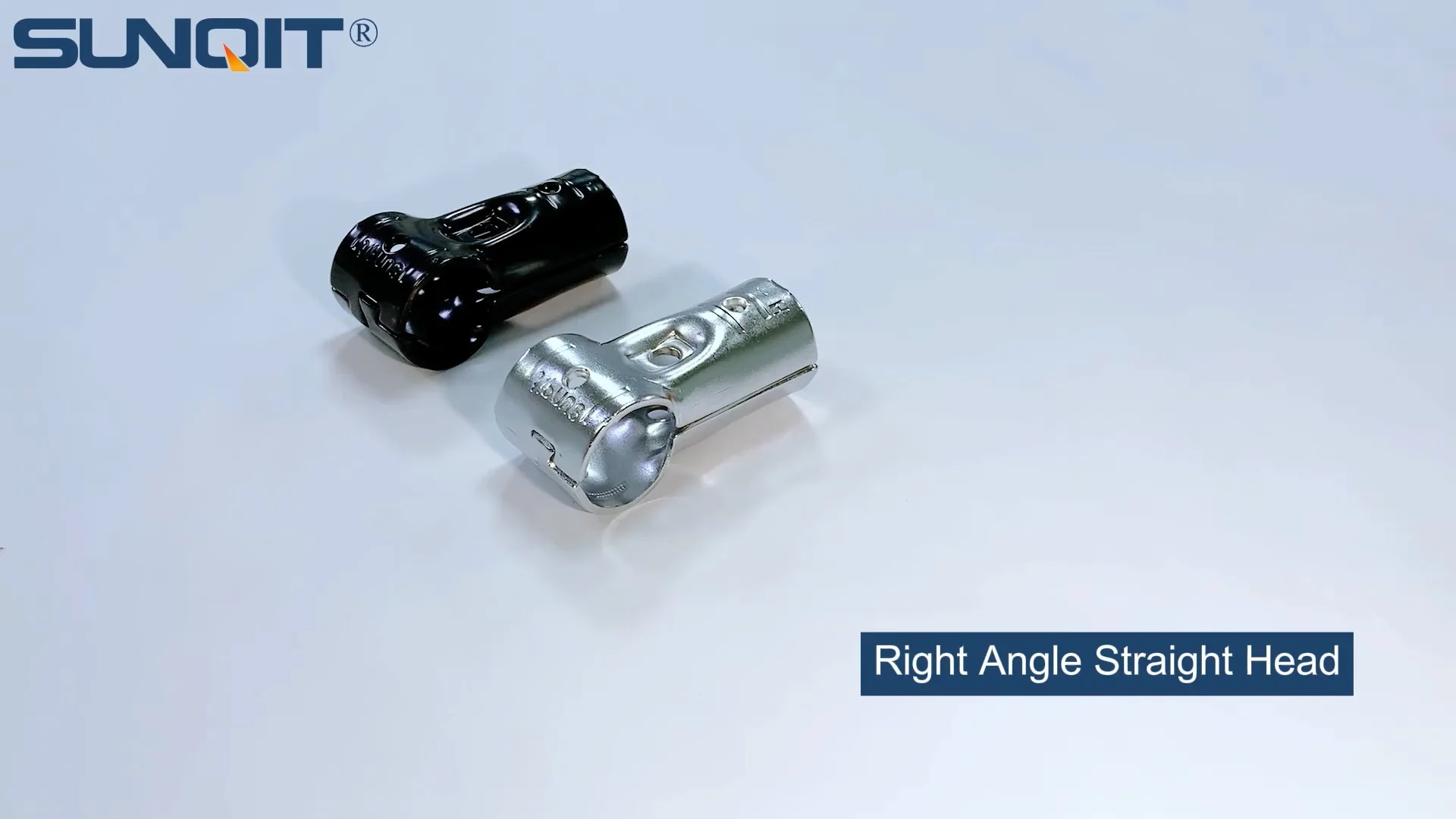
Walk into any modern manufacturing facility, warehouse, or assembly line, and you'll likely spot a network of interconnected pipes, workbenches, and material racks that keep operations running like clockwork. These systems—often referred to as lean pipe systems—are the backbone of efficient workflows, and at the heart of their flexibility lies a small but critical component: the two way lean pipe joint. This unassuming piece is what allows teams to build, modify, and adapt everything from simple workbenches to complex conveyor setups. But with so many brands and options on the market, how do you choose the one that delivers the best quality for your needs? Let's dive in.
Why the Two Way Lean Pipe Joint Matters More Than You Think
Before we start comparing brands, let's talk about why this component deserves your attention. A two way lean pipe joint is exactly what it sounds like: a connector that joins two lean pipes at a fixed or adjustable angle, forming the "bones" of structures like workbenches, material racks, or turnover trolleys. It's not just a passive linker, though—it's a workhorse. A poorly made joint can lead to wobbly workstations, sagging material racks, or even safety hazards when loads shift unexpectedly. On the flip side, a high-quality joint ensures stability, longevity, and the ability to reconfigure systems quickly as your needs change. In short, the right two way joint isn't just a part; it's an investment in your team's productivity and peace of mind.
Key Factors to Evaluate When Comparing Two Way Lean Pipe Joints
Not all two way lean pipe joints are created equal. To separate the best from the rest, focus on these critical factors:
1. Material: The Foundation of Durability
The first thing to check is what the joint is made of. Most manufacturers use one of three materials: steel, aluminum, or stainless steel. Each has its pros and cons, and the right choice depends on your environment and needs.
Steel: Traditional steel joints are known for their strength and affordability, making them a go-to for heavy-duty applications. They can handle higher loads (often up to 500 lbs per joint) but are prone to rust if not coated. Look for powder-coated steel if you're using them in dry, indoor settings like automotive plants.
Aluminum: If you need lightweight flexibility, aluminum lean pipe joints are hard to beat. They're corrosion-resistant, making them ideal for humid environments or facilities that require regular cleaning (think food processing or electronics manufacturing). They're slightly pricier than steel but offer easier handling during assembly—no more struggling with heavy tools or lifting pieces.
Stainless Steel: For cleanrooms, pharmaceutical labs, or outdoor use, stainless steel joints are the gold standard. They resist rust, chemicals, and bacteria growth, but they come with a higher price tag. Unless your environment demands it, stainless steel might be overkill for general manufacturing.
2. Load Capacity: Can It Handle Your Workload?
A joint's load capacity isn't just a number on a spec sheet—it's a promise. If you're building a material rack to hold heavy components, a joint rated for 200 lbs won't cut it. Always check the manufacturer's load testing data, and err on the side of caution. For example, if your average load is 300 lbs, choose a joint rated for 400 lbs to account for sudden shifts or accidental overloading.
3. Compatibility: Does It Play Well With Others?
Lean pipe systems thrive on modularity, so your two way joint needs to work seamlessly with your existing setup. If you're already using aluminum lean pipe from a specific brand, ensure the joint is compatible with that pipe's diameter and finish. Some brands design joints to work exclusively with their own lean pipe and accessories, while others prioritize cross-compatibility. For example, a joint from a reputable lean pipe supplier might fit both their aluminum and steel pipes, as well as third-party accessories like roller tracks or caster wheels.
4. Ease of Installation: Time Is Money
How long does it take to install the joint? Some brands require specialized tools or complex tightening sequences, which can slow down assembly and reconfiguration. Look for joints with tool-free designs—like quick-release levers or hand-tightened bolts—or those that work with standard hex keys. A joint that takes 2 minutes to install instead of 10 can save your team hours over a large project.
5. Supplier Reliability: More Than Just a Sale
Even the best joint is useless if you can't get it when you need it. That's why choosing a trustworthy lean pipe supplier matters. Ask about lead times, minimum order quantities, and warranty policies. A supplier that offers same-day shipping for critical parts or 24/7 technical support can be a lifesaver when a production line is down. Also, check reviews from other customers—do they mention consistent quality, or frequent delays?
Top Brands to Compare: Which Two Way Lean Pipe Joint Stands Out?
To put these factors into action, let's compare four leading brands on the market today. Each has its strengths, so we'll evaluate them based on material, load capacity, compatibility, and supplier support.
| Brand | Primary Material | Load Capacity (Per Joint) | Compatibility | Price Range | Supplier Support |
|---|---|---|---|---|---|
| ProLean Solutions | Aluminum | 350 lbs | Works with aluminum lean pipe, steel pipe, and most lean pipe accessories | $12–$18 | 24/7 technical support, 2-year warranty, 2-day standard shipping |
| SteelFlex Components | Powder-coated steel | 500 lbs | Steel pipe only; limited compatibility with aluminum systems | $8–$12 | Weekday support, 1-year warranty, 5–7 day shipping |
| AluFlow Systems | Anodized aluminum | 300 lbs | Exclusive to AluFlow aluminum lean pipe and accessories | $15–$22 | On-site installation help, lifetime warranty, next-day shipping |
| EcoLean Tech | Stainless steel | 400 lbs | Compatible with stainless steel and aluminum pipe | $25–$35 | Custom design support, 5-year warranty, 3–4 day shipping |
Deep Dive: What Makes Each Brand Unique?
ProLean Solutions: The All-Around Performer
ProLean's aluminum two way joint is a favorite among manufacturers who value versatility. Made from high-grade aluminum with a smooth anodized finish, it resists scratches and corrosion—perfect for busy shops where equipment takes a beating. What really sets it apart is compatibility: it works with both aluminum lean pipe and standard steel pipe, so you can mix and match without worrying about fit. The joint's load capacity of 350 lbs is more than enough for most workbenches and material racks, and installation is a breeze with its tool-free, twist-lock design. Plus, as a lean pipe supplier, ProLean offers stellar support: their technical team responds to calls in under 10 minutes, and they'll even send replacement parts overnight if something breaks during the warranty period. At $12–$18 per joint, it's not the cheapest, but the quality and flexibility make it worth the investment.
SteelFlex Components: The Heavy-Duty Budget Option
If you're on a tight budget and need maximum strength, SteelFlex's steel joint is a solid pick. With a 500-lb load capacity, it's built for heavy machinery parts or industrial storage racks. The powder coating holds up well in dry environments, and at $8–$12 per joint, it's one of the most affordable options out there. The downside? It's not compatible with aluminum lean pipe, so if you ever want to switch to lighter systems, you'll have to replace all your joints. Supplier support is also basic: they're available weekdays 9–5, and shipping takes 5–7 days. For small shops with static setups, though, SteelFlex gets the job done without breaking the bank.
AluFlow Systems: The Premium Aluminum Specialist
AluFlow caters to facilities that demand top-tier aluminum systems. Their anodized aluminum joint is sleek, lightweight, and built to last—hence the lifetime warranty. It's designed to work exclusively with AluFlow's own aluminum lean pipe and accessories, which means a perfect fit every time. The tradeoff? You're locked into their ecosystem. If you need to add a steel component later, you'll need adapters (which AluFlow sells, but they're pricey). The joint itself costs $15–$22, and while that's steep, the on-site installation help and next-day shipping make it ideal for time-sensitive projects. If you're all-in on aluminum and can afford the premium, AluFlow is hard to beat.
EcoLean Tech: The Stainless Steel Specialist for Harsh Environments
EcoLean's stainless steel joint is a niche product, but it's unmatched for harsh conditions. Whether you're working in a coastal warehouse (salt air) or a pharmaceutical lab (strict sanitization), this joint resists rust and chemicals. It's compatible with both stainless steel and aluminum pipe, which is a plus, and the 400-lb load capacity covers most medium-heavy applications. The catch? At $25–$35 per joint, it's nearly twice the price of ProLean or SteelFlex. Unless your environment demands stainless steel, this is likely overkill. But for facilities that can't compromise on durability, EcoLean's 5-year warranty and custom design support make it a worthwhile splurge.

Real-World Scenarios: Which Joint Is Right for You?
To help you decide, let's look at common use cases and which brand fits best:
Scenario 1: Electronics Manufacturing Facility
You need workbenches and material racks that are lightweight, easy to clean, and compatible with ESD (electrostatic discharge) components. Aluminum is a must here, and you want flexibility to reconfigure stations as product lines change. ProLean Solutions is your best bet. Their aluminum joint works with ESD-safe aluminum lean pipe, handles the weight of circuit boards and tools, and their quick shipping ensures you're never waiting for parts.
Scenario 2: Automotive Assembly Line
Your team moves heavy engine parts (50+ lbs each) and needs racks that can take a beating. Cost is a priority, and you don't plan to reconfigure often. SteelFlex Components ' steel joint is perfect. It's strong enough for the load, affordable, and the powder coating resists oil and grease buildup common in automotive settings.
Scenario 3: Pharmaceutical Cleanroom
Regulations require corrosion-resistant, easy-to-sterilize equipment. You can't risk rust or bacteria growth. EcoLean Tech 's stainless steel joint checks all the boxes. It's compatible with stainless steel pipe, stands up to daily sanitizing, and their custom design support ensures compliance with FDA standards.
Scenario 4: Start-Up Warehouse with Tight Deadlines
You're setting up your first facility and need to build workbenches, racks, and trolleys fast. Budget is limited, but you want quality that won't fail in a year. ProLean Solutions again—their aluminum joint is affordable enough for a start-up, easy to install without hiring contractors, and their 2-year warranty gives you peace of mind as you scale.

Avoiding Common Pitfalls When Buying Two Way Lean Pipe Joints
Even with the right brand in mind, there are mistakes to avoid:
- Don't skimp on load capacity: It's tempting to buy a lower-rated joint to save money, but a single failure could damage products or injure a team member. Always overestimate your needs by 20%.
- Check compatibility with existing systems: If you're adding to an existing lean pipe setup, bring a sample joint to test with your pipes and accessories. Cross-brand compatibility isn't guaranteed, even if the manufacturer claims it is.
- Ignore "too good to be true" prices: A $5 two way joint might seem like a steal, but it's likely made of cheap plastic or thin steel that will crack under pressure. Stick to reputable brands with proven track records.
- Overlook supplier lead times: A great joint won't help if it takes 6 weeks to arrive. Ask about rush shipping options and minimum order quantities before placing a bulk order.
Final Verdict: The Best Two Way Lean Pipe Joint for Most Users
After weighing the options, ProLean Solutions emerges as the top choice for most facilities. Their aluminum two way joint strikes the perfect balance of durability (350 lbs load capacity), compatibility (works with aluminum, steel, and lean pipe accessories), and value ($12–$18). Add in their 24/7 support and fast shipping, and it's clear why they're a favorite among lean pipe suppliers and manufacturers alike. Unless you need steel for extreme loads, stainless steel for harsh environments, or are already locked into AluFlow's ecosystem, ProLean offers the most versatility and reliability for the price.
Wrapping Up: Invest in Quality, Reap the Rewards
Choosing a two way lean pipe joint might seem like a small decision, but it has a big impact on your facility's efficiency and safety. By focusing on material, load capacity, compatibility, and supplier reliability, you can find a joint that not only meets your needs today but grows with you tomorrow. Whether you opt for ProLean's aluminum flexibility, SteelFlex's steel strength, or EcoLean's stainless steel durability, remember: the best joint is the one that keeps your team working smoothly, safely, and without interruption. After all, in lean manufacturing, every component counts—and the two way joint is no exception.