- Company Articles
- Products and Technology
- Product knowledge
- Comparing Chrome-Plated vs. Uncoated Parallel Lean Pipe Joints (One Side Rotatory)

Comparing Chrome-Plated vs. Uncoated Parallel Lean Pipe Joints (One Side Rotatory)
Related Product
Parallel Lean Pipe Joint
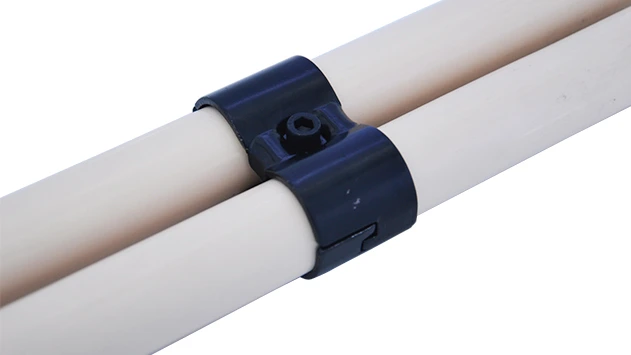
Parallel lean pipe joint used for 2 pcs 28MM lean pipe connection in parallel direction to enhance frame structure, usually for heavy payload requirement for workbench. flow rack, hand trolley.
Walk into any modern production facility, and you'll likely see the backbone of lean manufacturing hard at work: workbenches, flow racks, and turnover trolleys, all held together by a network of pipes and joints. These systems don't just happen by accident—they're carefully designed to maximize efficiency, minimize waste, and keep operations running like clockwork. But here's the thing: while we often focus on the big-ticket items like workbenches or conveyors, it's the small, unassuming components that truly make or break a lean system. Today, we're shining a spotlight on one such unsung hero: the parallel lean pipe joint (one side rotatory). More specifically, we're diving into the age-old debate of chrome-plated vs. uncoated versions. Which one deserves a spot in your lean pipe and accessories toolkit? Let's break it down.
Understanding the Basics: What Are Parallel Lean Pipe Joints (One Side Rotatory)?
Before we jump into the chrome vs. uncoated showdown, let's make sure we're all on the same page about what these joints actually do. A parallel lean pipe joint (one side rotatory) is exactly what it sounds like: a connector that joins two parallel lean pipes, with one side designed to rotate. This rotation isn't just for show—it's a game-changer for flexibility. Imagine building a material rack where you need to adjust the angle of a shelf to fit oddly shaped parts, or a workbench where a section needs to swivel to accommodate different tasks. That's where the rotatory feature comes in. It lets you tweak, pivot, and reconfigure without having to disassemble the entire structure, which is the heart of lean philosophy: adaptability without waste.
These joints are part of a larger ecosystem of lean pipe accessories, working alongside everything from caster wheels to roller tracks to create custom solutions. Whether you're putting together a simple turnover trolley or a complex production assemble line, the right joint ensures stability, adjustability, and longevity. Now, let's talk about the two main players in this space: chrome-plated and uncoated.
Chrome-Plated vs. Uncoated: The Core Differences
Material Matters: What Are They Made Of?
At their core, both chrome-plated and uncoated parallel lean pipe joints (one side rotatory) start with similar base materials—usually steel, chosen for its strength and affordability. The difference lies in the finishing touch. Uncoated joints are essentially bare steel (sometimes with a basic protective layer, but nothing fancy), while chrome-plated joints undergo an electroplating process where a thin layer of chromium is applied to the surface. This might seem like a minor detail, but it has ripple effects on everything from durability to cost.
Durability and Wear Resistance: Which Holds Up Longer?
Let's get practical: in a busy production environment, your joints are going to take a beating. They'll be tightened, loosened, rotated, and exposed to all kinds of wear and tear—think tools bumping into them, parts sliding over them, and the general chaos of a working floor. So, which type stands up better over time?
Chrome-plated joints have a clear edge here. The chromium layer acts as a protective barrier, making the surface harder and more resistant to scratches, dents, and general abrasion. If you've ever owned a chrome faucet, you know it stays shiny and scratch-free longer than a plain steel one—and the same logic applies here. In high-traffic areas, like a roller track where parts are constantly sliding past, or a workbench that's adjusted multiple times a day, chrome-plated joints tend to maintain their structural integrity and functionality for years.
Uncoated joints, on the other hand, are more prone to wear. The bare steel surface can scratch easily, and over time, those scratches can weaken the joint or make rotation less smooth. That said, "less durable" doesn't mean "low quality." In low-traffic applications—say, a static material rack that's rarely adjusted—uncoated joints can still last a long time. It all depends on how hard you're going to work them.
Corrosion Resistance: Battling the Elements
If durability is about physical wear, corrosion resistance is about fighting off the elements—moisture, humidity, chemicals, and even sweat from workers' hands. This is where the chrome plating really shines (pun intended). Chromium is naturally resistant to rust and corrosion, making chrome-plated joints ideal for environments where moisture is a concern. Think food processing plants, where floors are often hosed down, or warehouses in humid climates where condensation is a daily battle. Even in a standard production facility, spills happen—oil, cleaning solutions, or water—and a chrome-plated joint is far less likely to develop rust spots than an uncoated one.
Uncoated joints, by contrast, are like sitting ducks for corrosion. Without that protective chrome layer, bare steel reacts with moisture and oxygen, leading to rust. Now, some uncoated joints come with a basic powder coating or primer, but it's not as robust as chrome. If you're using uncoated joints, you'll need to be extra vigilant about keeping them dry, maybe even applying a rust inhibitor periodically. In dry, indoor environments—like a climate-controlled electronics assembly line—this might not be a big issue. But in damp or messy settings? Chrome is the safer bet.
Aesthetics and Cleanliness: More Than Just Looks
Let's talk about appearances—because in lean systems, cleanliness and organization are about more than just looking good; they impact efficiency and even safety. Chrome-plated joints have a shiny, reflective finish that instantly elevates the look of any structure. This isn't just about aesthetics, though. That smooth, non-porous surface is a breeze to clean. Wipe it down with a damp cloth, and you're done—no nooks or crannies for dirt, dust, or grease to hide in. This is a huge plus in cleanrooms, ESD workstations, or pharmaceutical facilities where even a speck of dust can compromise product quality.
Uncoated joints, with their matte, textured surface, are a bit trickier. Dirt and grime can cling to the steel, making deep cleaning a chore. They also tend to show fingerprints, smudges, and wear more visibly, which can make your otherwise well-organized lean system look run-down over time. Again, if you're working in a rough-and-tumble environment where looks take a backseat to function, this might not matter. But if presentation or cleanliness is a priority, chrome-plated joints have the upper hand.
Cost: The Bottom-Line Factor
Here's where uncoated joints often win over budget-conscious buyers: they're cheaper. The electroplating process adds cost to chrome-plated joints, so if you're working with a tight budget and don't need the extra bells and whistles of chrome, uncoated might seem like the obvious choice. But hold on—before you start stockpiling uncoated joints to save a few bucks, let's do the math. Yes, uncoated joints have a lower upfront cost, but they may need to be replaced sooner, especially in harsh environments. Factor in the cost of replacement parts, downtime for repairs, and potential rust-related damage to your lean system, and the "cheaper" option might end up costing you more in the long run. It's the classic "buy once, cry once" vs. "buy cheap, buy twice" dilemma.

Practical Applications: When to Choose Chrome-Plated vs. Uncoated
Now that we've covered the basics, let's get into real-world scenarios. When should you reach for chrome-plated parallel lean pipe joints (one side rotatory), and when is uncoated the better pick? Let's break it down by use case.
High-Moisture or Corrosive Environments: Chrome-Plated All the Way
If your facility deals with moisture, chemicals, or humidity—think automotive shops, food processing plants, or marine manufacturing—chrome-plated joints are non-negotiable. The last thing you want is a rusted joint failing mid-production, causing delays or safety hazards. For example, a material rack B (3 row and 3 floor) used to store wet or oily parts would quickly fall victim to rust with uncoated joints. Chrome-plated joints here ensure longevity and reliability.
Cleanrooms and ESD Workstations: Chrome for Cleanliness
Cleanrooms and ESD workstations demand spotless, low-maintenance surfaces. Any joint that traps dirt or requires frequent scrubbing is a liability. Chrome-plated joints' smooth, easy-to-clean finish makes them ideal here. Imagine an ESD workstation where sensitive electronics are assembled—you can't afford dust buildup, and you certainly don't want to spend hours cleaning joints. Chrome-plated joints keep things simple and sanitary.
Heavy-Duty, High-Traffic Areas: Chrome for Durability
Production lines that run 24/7, or structures that are adjusted multiple times a day (like adjustable workbenches or mobile turnover trolleys), need joints that can handle constant use. Chrome-plated joints' scratch resistance and smooth rotation mean they'll stand up to the wear and tear of a busy floor. Uncoated joints, while sturdy, might start to seize up or show signs of wear after months of heavy use.
Budget-Conscious, Low-Traffic Projects: Uncoated Could Work
If you're building a static structure that rarely gets adjusted—say, a basic storage rack in a dry warehouse—and you're watching every penny, uncoated joints are a viable option. Just be prepared to keep an eye on them for rust and replace them sooner than you would chrome-plated ones. For example, a simple hand trolley used occasionally to move lightweight parts might not need the extra protection of chrome.

Long-Term Performance: Real-World Insights
To really understand how these joints hold up, let's look at a couple of real-world examples. A mid-sized electronics manufacturer in Texas switched from uncoated to chrome-plated parallel lean pipe joints (one side rotatory) after constant issues with rust on their material racks. The facility had high humidity due to air conditioning units, and within six months, uncoated joints were developing rust spots, leading to wobbly shelves. After switching to chrome-plated joints, they reported zero rust issues and noted that cleaning time for their workbenches dropped by 30%—a small change that added up to big time savings.
On the flip side, a furniture assembly plant in Ohio uses uncoated joints exclusively for their static storage racks. The environment is dry, the racks are rarely adjusted, and the company prioritizes keeping costs low for bulk storage. They've found that with annual inspections and a quick wipe-down with a rust inhibitor, the uncoated joints last about three to four years—plenty long enough for their needs. The key here? They matched the joint type to their specific environment and usage.
Maintenance Tips for Both Types
No matter which type you choose, a little maintenance goes a long way. For chrome-plated joints, keep them clean with regular wipe-downs—avoid abrasive cleaners that can scratch the chrome. If you notice a small scratch, touch it up with a chrome polish to prevent rust from taking hold. For uncoated joints, inspect them quarterly for rust spots. If you see any, sand them down and apply a rust-resistant paint or inhibitor. Lubricate the rotatory mechanism periodically with a light machine oil to keep it moving smoothly—this applies to both types!
Making the Right Choice: A Comparative Table
| Factor | Chrome-Plated Parallel Lean Pipe Joint (One Side Rotatory) | Uncoated Parallel Lean Pipe Joint (One Side Rotatory) |
|---|---|---|
| Durability/Wear Resistance | High—scratch-resistant, smooth rotation over time | Moderate—prone to scratches and wear with heavy use |
| Corrosion Resistance | Excellent—resistant to rust and moisture | Poor—requires extra protection in damp environments |
| Cleanliness/Ease of Cleaning | Easy—smooth, non-porous surface wipes clean quickly | Difficult—textured surface traps dirt and grime |
| Cost | Higher upfront cost | Lower upfront cost |
| Best For | High-moisture areas, cleanrooms, heavy-duty use, ESD workstations | Dry, low-traffic environments, budget projects, static structures |
| Maintenance Needs | Low—occasional cleaning and lubrication | Moderate—regular rust checks and inhibitor application |
Conclusion: Investing in the Right Joint for Your Lean System
At the end of the day, there's no one-size-fits-all answer to the chrome-plated vs. uncoated debate. It all comes down to your specific needs: your environment, your budget, and how you plan to use the joint. Chrome-plated parallel lean pipe joints (one side rotatory) are the workhorses—durable, corrosion-resistant, and easy to clean—making them ideal for high-performance, high-stakes environments. Uncoated joints, while more budget-friendly, require careful consideration of their limitations, especially in terms of corrosion and wear.
Remember, a lean system is only as strong as its weakest link. Cutting corners on joints might save you a few dollars today, but it could cost you in downtime, repairs, or replacements tomorrow. Whether you choose chrome-plated or uncoated, make sure you're partnering with a reliable lean pipe supplier who offers quality products—because even the best joint design can fail if the materials are shoddy.
So, what's your take? Have you had experiences—good or bad—with either type of joint? Let us know in the comments. And if you're still on the fence, reach out to a lean system supplier who can help you assess your needs and find the perfect fit. After all, the right joint isn't just a connector—it's the key to a lean system that works as hard as you do.