- Company Articles
- Products and Technology
- Product knowledge
- Comparing Durability: 1.5mm Stainless Steel Pipe vs Carbon Steel in Lean Applications

Comparing Durability: 1.5mm Stainless Steel Pipe vs Carbon Steel in Lean Applications
Related Product
1.5mm Stainless Steel Pipe
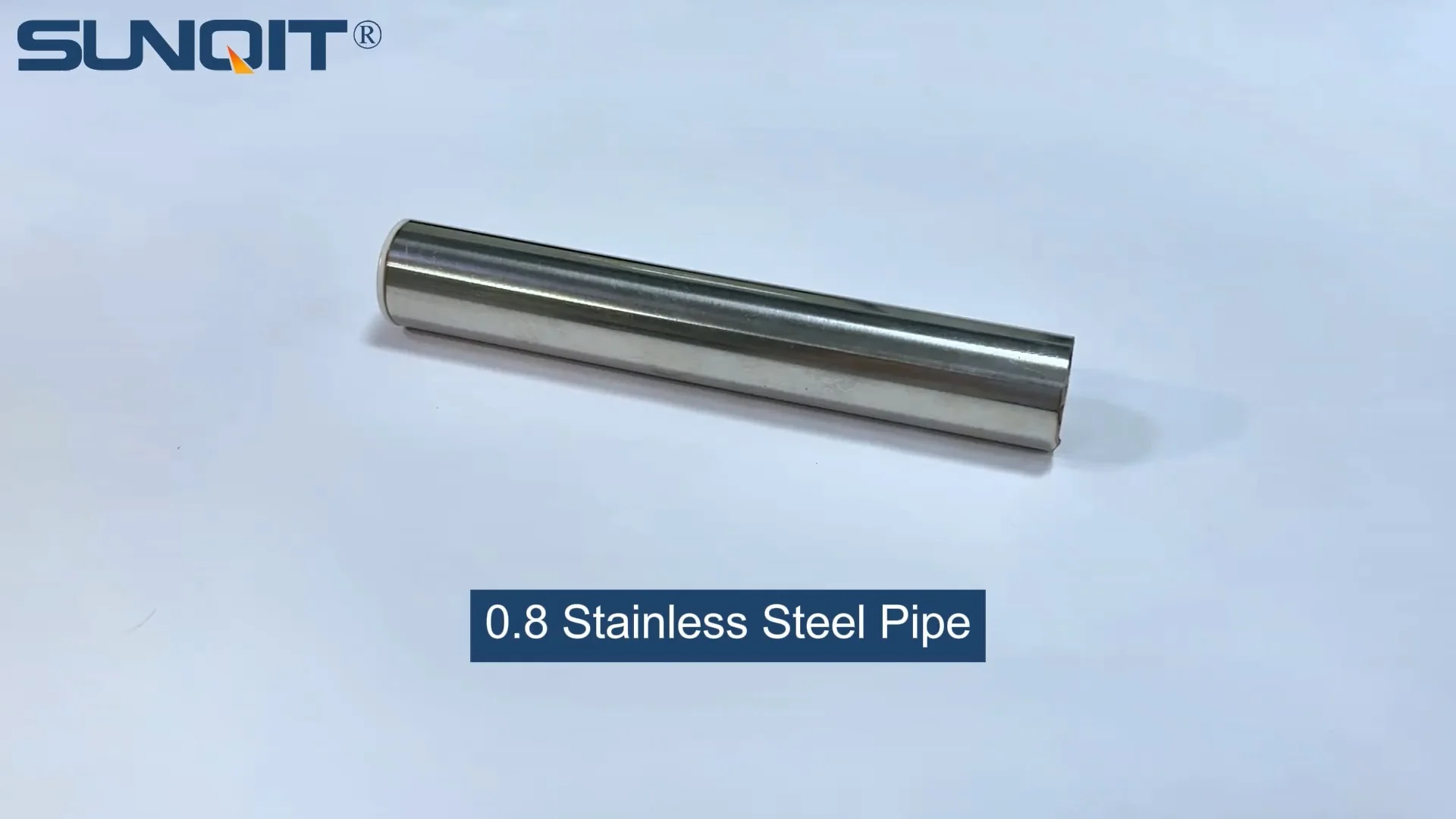
Stainless steel pipe, lean pipe, diameter is 28mm, material is SS201 or SS304, SS201 is normally used in the market. It knows a KARAKURI, KAIZEN material for industrial plant to improve efficiency, save labor cost, standard management.
If you've ever walked through a busy manufacturing floor, you've probably noticed those sleek, modular structures holding parts, guiding assemblies, or organizing tools—flow racks, workbenches, and material trolleys that seem to adapt seamlessly to the chaos around them. These aren't just random pieces of metal; they're the backbone of lean manufacturing. Lean systems thrive on efficiency, flexibility, and reducing waste, and the materials used to build these systems play a huge role in how well they hold up over time. Today, we're diving into a common dilemma for plant managers and operations teams: choosing between 1.5mm stainless steel pipe and carbon steel pipe for lean applications. Which one offers better durability? When should you splurge on stainless, and when is carbon steel the smarter pick? Let's break it down.
First Things First: What Are Lean Pipes, Anyway?
Before we pit these two materials against each other, let's make sure we're on the same page about lean pipe —the unsung hero of modular material handling. Lean pipes (sometimes called "flexible pipes" or "kitchen pipes," though we promise they're more industrial than that) are lightweight, hollow tubes used to build customizable structures. Think of them as the Lego blocks of manufacturing: with the right joints and accessories, you can create everything from a simple workbench to a complex flow rack system in hours, not days. Their magic lies in adaptability—if your production line changes next month, you can disassemble, reconfigure, and rebuild without welding or heavy tools. But here's the catch: not all pipes are created equal. The material you choose determines how long your lean system lasts, how much maintenance it needs, and even how safe it is in your specific environment.
Meet the Contenders: 1.5mm Stainless Steel Pipe
Let's start with the newer kid on the block (though "newer" is relative)—1.5mm stainless steel pipe. Part of the broader stainless steel pipe series , this material has gained popularity in industries where durability and cleanliness are non-negotiable. What makes stainless steel special? It's all in the alloy: a mix of iron, chromium (at least 10.5%), and often nickel or molybdenum. That chromium forms a thin, invisible layer on the surface called a "passive film" that fights off rust and corrosion. Scratch it, and the film repairs itself—no need for constant painting or coating.
The 1.5mm thickness is a sweet spot for lean applications. It's sturdy enough to handle moderate loads (think bins of small parts or tools) without being overly heavy, keeping your structures easy to reconfigure. Unlike thinner pipes that might bend under stress or thicker ones that add unnecessary weight, 1.5mm stainless steel strikes that balance between strength and flexibility. And because stainless steel is inherently resistant to chemicals, moisture, and even temperature swings, it's become a go-to for environments where carbon steel might struggle.
What Makes It Durable?
Durability isn't just about how hard you can hit something—it's about how well it holds up over time, especially when life gets messy. For stainless steel, that means three key advantages:
- Corrosion resistance: Spills, humidity, or even occasional exposure to cleaning chemicals? Stainless steel laughs them off. In food processing plants, pharmaceutical labs, or coastal factories where salt air is a problem, this is a game-changer. Carbon steel, by contrast, will start rusting the moment its protective paint chips.
- Low maintenance: No need for regular painting, oiling, or touch-ups. A quick wipe with a damp cloth is usually all it takes to keep stainless steel looking (and performing) like new. Over years, that adds up to less downtime and lower labor costs.
- Strength retention: Unlike carbon steel, which can weaken if it rusts or bends, stainless steel maintains its structural integrity even after years of use. Those lean pipe joints? They'll stay tight, and the pipes themselves won't develop weak spots from corrosion.
Real-World Example: A Food Packaging Plant
A mid-sized food packaging company in Florida switched from carbon steel flow racks to 1.5mm stainless steel last year. Their old racks, which held plastic trays of frozen produce, were constantly rusting from condensation and occasional water spills during cleaning. Every six months, they'd have to take the racks apart, sand off rust, and repaint them—wasting hours of production time. After switching to stainless steel, they've had zero rust, no maintenance beyond wiping down surfaces, and the racks still look brand-new. The team even mentioned that the stainless steel feels "stiffer" than the old carbon steel, with less flex when loading heavy trays—proof that 1.5mm thickness delivers on strength.

Carbon Steel Pipe: The Tried-and-True Workhorse
Now, let's talk about the veteran in the room: carbon steel. For decades, carbon steel pipes have been the backbone of manufacturing. They're cheap, widely available, and when properly cared for, surprisingly tough. Carbon steel is mostly iron with a dash of carbon (hence the name), which gives it high tensile strength—meaning it can pull hard without breaking. That's why it's used in everything from skyscraper beams to car frames.
In lean applications, carbon steel pipes are often galvanized (coated in zinc) or painted to protect against rust. They're a budget-friendly option for dry, indoor environments where exposure to moisture or chemicals is minimal. Think automotive assembly lines, electronics factories, or warehouses in arid climates. Here, carbon steel can last for years, especially if you stick to a regular maintenance schedule.
What Makes It Durable?
Carbon steel's durability is all about raw strength—at least initially. It has a higher tensile strength than stainless steel, which means it can handle heavier loads (think engine parts or large toolboxes) without bending. For high-weight applications, like heavy-duty material trolleys or racks holding metal components, carbon steel might still be the better choice— if you can keep it dry and rust-free.
But here's the catch: that strength only lasts as long as its protective layer. Once the galvanization chips or the paint scratches, rust starts to form. And rust isn't just unsightly—it's a slow killer. As rust spreads, it weakens the pipe, creating cracks and holes that compromise the entire structure. Suddenly, that sturdy rack you built might sag under a load it once handled easily, or a lean pipe joint might loosen because the pipe itself has corroded.
The Flip Side: A Dry Electronics Warehouse
A electronics manufacturer in Arizona has been using carbon steel lean pipes for over a decade with great success. Their warehouse is bone-dry, air-conditioned, and the only "spills" are occasional drops of isopropyl alcohol (which evaporates quickly). They inspect their racks quarterly, touch up any nicks in the paint, and have never had a rust problem. For them, carbon steel is cost-effective and more than durable enough—stainless steel would be overkill.

Head-to-Head: How Do They Stack Up?
To really see which material is more durable for your lean system, let's put them side by side. We'll look at the factors that matter most in day-to-day use:
| Factor | 1.5mm Stainless Steel Pipe | Carbon Steel Pipe |
|---|---|---|
| Corrosion Resistance | Excellent—resists moisture, chemicals, and salt air | Poor—requires paint/galvanization; rusts when exposed |
| Maintenance Needs | Low—occasional cleaning only | High—regular painting, rust removal, and coating |
| Load Capacity (Moderate Loads) | Good—1.5mm thickness handles bins, tools, small parts | Very good—higher tensile strength for heavier loads |
| Lifespan (With Proper Care) | 10–15+ years (often longer in low-stress environments) | 5–8 years (shorter if maintenance is spotty or environment is harsh) |
| Cost (Initial vs. Long-Term) | Higher upfront cost (~2–3x carbon steel) | Lower upfront cost (~50% less than stainless steel) |
| Best For | Wet, humid, or chemical-exposed environments; food/pharma; coastal areas | Dry, indoor, low-moisture environments; high-weight loads with strict maintenance |
The Hidden Cost of "Cheap" Carbon Steel
At first glance, carbon steel seems like the budget-friendly choice. It's cheaper to buy, and if you're in a dry environment, it might work for years. But when you factor in long-term costs—maintenance, repairs, and replacement—stainless steel often comes out ahead. Let's do the math:
Say you build a basic flow rack using carbon steel. The materials cost $200. You'll need to repaint it every 2 years ($50 in paint and labor each time). After 6 years, you notice rust starting to weaken the pipes, so you replace the whole rack—another $200. Total cost over 6 years: $200 + ($50 x 3) + $200 = $550.
Now, a stainless steel rack of the same size costs $500 upfront. You never paint it, never repair rust, and it lasts 15 years before needing replacement. Total cost over 15 years: $500. Even if you only keep it for 6 years, you've spent $500 vs. $550 for carbon steel—and you still have a rack that's in good shape. Over time, stainless steel pays for itself.
When to Choose Which Material
Durability isn't one-size-fits-all. The "better" material depends on your environment, budget, and long-term goals. Here's a quick guide to help you decide:
Choose 1.5mm Stainless Steel If…
- Your facility is humid, has frequent spills, or uses cleaning chemicals (food, pharma, marine, or coastal locations).
- You want low maintenance—no time for painting or rust checks.
- You plan to keep your lean system for 10+ years (the longer you use it, the more you save).
- Cleanliness is critical (stainless steel is easy to sanitize and doesn't harbor bacteria).
Choose Carbon Steel If…
- Your environment is dry, indoor, and low-risk (no moisture, chemicals, or salt).
- You need to handle very heavy loads (and can commit to regular maintenance).
- You're on a tight budget and plan to replace the system in 5 years or less.
- You already have a strict maintenance schedule in place (painting, inspections, etc.).
The Bottom Line: Durability for Your Lean System
At the end of the day, both 1.5mm stainless steel pipe and carbon steel have their place in lean manufacturing. But when it comes to long-term durability—especially in challenging environments—stainless steel is hard to beat. Its resistance to corrosion, low maintenance needs, and ability to retain strength over time make it a smart investment for anyone building a lean system that's built to last.
Carbon steel, on the other hand, is still a solid choice for dry, low-maintenance settings where upfront cost is a priority. Just remember: the "cheaper" option today might cost you more tomorrow in repairs and replacements.
So, whether you're building a flow rack, a workbench, or a material trolley, take a good look at your facility. Is it a dry, dusty warehouse? Carbon steel could work. A busy kitchen or a coastal factory? Stainless steel is worth the splurge. After all, a lean system is supposed to reduce waste—not create more work (or costs) down the line. Choose wisely, and your pipes will keep your operations running smoothly for years to come.