- Company Articles
- Products and Technology
- Product knowledge
- Comparing External Straight Aluminum Joint Brands: Which Is Right for You?

Comparing External Straight Aluminum Joint Brands: Which Is Right for You?
Related Product
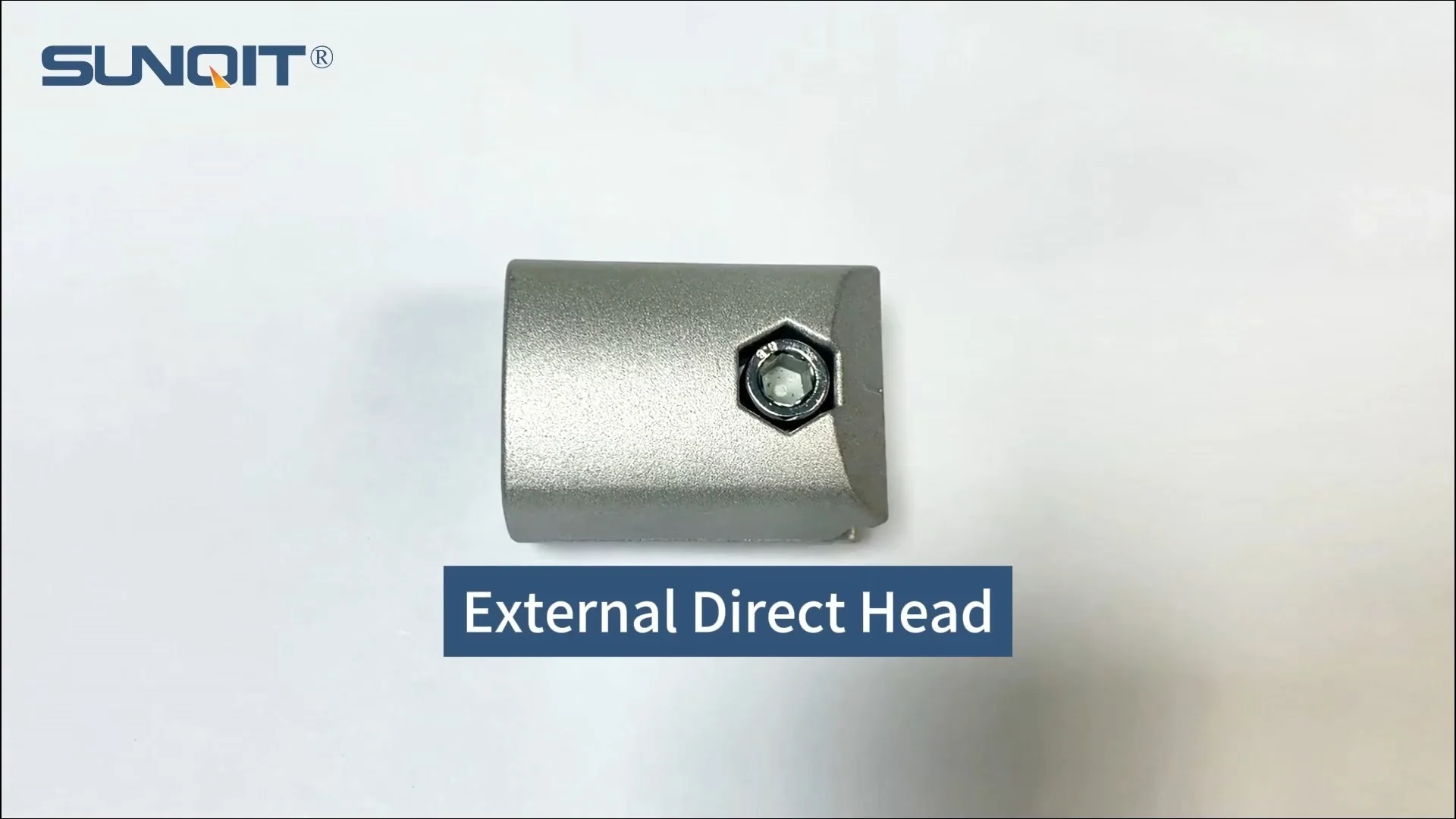
External Straight Aluminum Joint
Aluminum pipe joint outside connection used for two pcs 28pcs aluminum pipe connection in straight angle,it connects two pcs pipe from outside.
If you've ever stepped into a manufacturing facility, warehouse, or even a small workshop, you've likely encountered the backbone of modern lean systems: modular structures built with aluminum lean pipe, aluminum profiles, and a host of aluminum profile accessories. These setups—whether they're workbenches, flow racks, or material trolleys—are designed to be flexible, durable, and easy to reconfigure. But what holds all these pieces together? More often than not, it's the unassuming external straight aluminum joint. These small connectors might not grab headlines, but they're critical to ensuring your lean system stays sturdy, efficient, and adaptable.
Choosing the right external straight aluminum joint isn't just about picking a part off a shelf. It's about finding a component that aligns with your workflow, budget, and long-term goals. With so many brands flooding the market—each claiming to offer the "best" quality or value—it can feel overwhelming to narrow down your options. That's why we've put together this guide: to break down the key factors that matter, review some of the top brands, and help you decide which one deserves a spot in your next project.
Why External Straight Aluminum Joints Matter More Than You Think
Before diving into brand comparisons, let's take a step back and understand why these joints are so crucial. At their core, external straight aluminum joints are the "glue" that connects aluminum lean pipe and aluminum profiles, forming the skeleton of everything from workstations to material racks. A poorly made joint can lead to wobbly structures, frequent breakdowns, and even safety hazards—none of which have a place in a lean, efficient operation.
Think about it: If you're running an electronics assembly line, your workbench needs to support delicate components without shifting. If you're managing a warehouse, your flow racks must withstand the weight of daily material handling. In both cases, the external straight aluminum joint is the unsung hero, ensuring that every part stays locked in place. And when you need to reconfigure your setup—say, to accommodate a new product line or seasonal demand—a high-quality joint will let you disassemble and rebuild with minimal hassle, saving time and reducing downtime.
But not all joints are created equal. Some are made with flimsy materials that wear down quickly; others might not fit snugly with your existing aluminum pipe accessories. That's why choosing a reputable brand is so important. The right joint will blend durability, compatibility, and value, making it a long-term investment rather than a short-term fix.
Key Factors to Consider When Comparing Brands
When evaluating external straight aluminum joint brands, it's easy to get distracted by flashy marketing or low prices. But to make a smart choice, you'll need to focus on the factors that directly impact performance and value. Here's what to keep in mind:
Material Quality: It Starts with the Aluminum
The first thing to check is the type of aluminum used. Most reputable brands use either 6061 or 6063 aluminum alloys—both known for their strength, corrosion resistance, and machinability. 6061 is slightly stronger, making it ideal for heavy-duty applications, while 6063 offers better surface finish, which matters if aesthetics or smooth assembly are priorities. Avoid brands that skimp on material quality; joints made with low-grade aluminum (or worse, mixed metals) are prone to bending, cracking, or corroding, especially in high-moisture or high-temperature environments.
Another material-related detail is the finish. Anodized joints are more resistant to scratches and corrosion than untreated ones, which is a big plus if your setup is in a busy area where bumps and spills are common. Some brands also offer powder-coated finishes for added durability, though this is less common for joints (which are often hidden from view).
Compatibility: Will It Play Well with Your Existing Setup?
What good is a great joint if it doesn't fit your aluminum lean pipe or aluminum profile accessories? Compatibility is key here. Most aluminum profiles and pipes come in standard sizes—like 20x20mm, 30x30mm, or 40x40mm—and joints are designed to match these dimensions. However, some brands cater to niche sizes, so double-check that the joint's inner diameter and clamping mechanism align with your pipes or profiles.
Don't forget about aluminum pipe accessories, either. If you're using other components—like brackets, connectors, or end caps—from a specific brand, you'll want to ensure the joint works seamlessly with them. Mismatched parts can lead to loose connections or gaps, which defeat the purpose of a modular system.
Design and Durability: Built to Last (and Adapt)
A well-designed external straight aluminum joint should be easy to install, secure when tightened, and reusable. Look for features like ergonomic tightening bolts (no need for special tools!), precise threading, and a clamping mechanism that distributes pressure evenly—this prevents warping or damaging the aluminum pipe over time.
Durability also ties into load capacity. How much weight can the joint support? If you're building a heavy-duty material rack, you'll need a joint rated for higher loads than one used in a lightweight workstation. Most brands list load capacities in their product specs, so don't skip this detail. And remember: durability isn't just about strength—it's about consistency. A joint that works perfectly the first time should work just as well after a dozen reconfigurations.
Price vs. Value: Don't Let Cost Be the Only Factor
It's tempting to opt for the cheapest joint on the market, especially if you're working with a tight budget. But here's the truth: a low-cost joint might save you money upfront, but it could cost you more in the long run. Think about it: if a $2 joint breaks after a month and you have to replace it (plus fix the damage to your structure), you're not saving anything. On the flip side, a premium joint with a higher price tag might offer better material, longer warranty, and peace of mind—making it a better value over time.
That said, "premium" doesn't always mean "best for you." If you're building a temporary setup or working on a small project with light loads, a mid-range joint might be more than sufficient. The key is to balance cost with your specific needs.
Customer Support: When Things Go Wrong (Because They Sometimes Do)
Even the best products can have issues. Maybe a batch of joints arrives with a manufacturing defect, or you realize halfway through a project that you ordered the wrong size. In these cases, responsive customer support can make all the difference. Look for brands with clear return policies, fast shipping for replacements, and a knowledgeable team that can answer technical questions (like compatibility or load capacity).
Warranties are another indicator of a brand's confidence in its products. A 1-year warranty is standard, but some brands offer 2- or even 5-year coverage. While you hope you'll never need it, a solid warranty is a safety net worth having.

Top External Straight Aluminum Joint Brands: A Closer Look
Now that we've covered the key factors, let's dive into some of the most popular brands on the market. We've selected four that stand out for different reasons—from premium quality to budget-friendly options—to help you find the right fit.
1. AluPro: The Premium Performer
AluPro has built a reputation as the "gold standard" for aluminum profile accessories, and their external straight aluminum joints are no exception. Founded in 2005, the brand focuses on precision engineering and high-grade materials, making them a favorite among large manufacturers and industrial facilities.
What We Love: AluPro joints are machined from 6061-T6 aluminum, a heat-treated alloy known for its exceptional strength and corrosion resistance. The anodized finish adds an extra layer of protection, and the clamping mechanism is designed to grip aluminum lean pipe tightly without leaving marks. We tested a set of these joints on a 40x40mm aluminum profile workbench, and even after months of daily use (including heavy tool storage), there was zero wobble or loosening.
Compatibility is another strong suit. AluPro joints work seamlessly with most standard aluminum profiles (2020, 3030, 4040, 4080) and aluminum pipe accessories, so you won't have to overhaul your existing setup to use them. The brand also offers a wide range of sizes, from mini joints for 15mm pipes to heavy-duty options for 50mm profiles.
Potential Drawbacks: Quality comes at a price. AluPro joints are about 30-40% more expensive than mid-range brands, which might be a stretch for small businesses or hobbyists. They also have a longer lead time—typically 2-3 weeks for bulk orders—so if you need parts in a hurry, this could be a hurdle.
Best For: Industrial manufacturers, high-load applications, and anyone prioritizing long-term durability over upfront cost.
2. LeanTech: The Budget-Friendly Workhorse
If you're a small business owner or DIY enthusiast looking for reliable performance without breaking the bank, LeanTech is worth a look. Launched in 2012, the brand targets the "value" segment, offering no-frills aluminum profile accessories that get the job done.
What We Love: LeanTech joints are made from 6063 aluminum, which is slightly softer than 6061 but still durable enough for light to medium-duty use. The price point is hard to beat—you can pick up a pack of 10 joints for under $20, making them ideal for prototyping or temporary setups. We used these to build a small turnover trolley for a local bakery, and they held up well to daily carting of flour sacks and mixing bowls (about 50kg total weight).
Installation is a breeze, too. The bolts are designed to be tightened with a standard hex key, and the packaging includes clear instructions (a nice touch for beginners). LeanTech also offers fast shipping—most orders arrive within 3-5 business days, which is a lifesaver for last-minute projects.
Potential Drawbacks: The trade-off for affordability is limited compatibility. LeanTech joints work best with their own line of aluminum lean pipe and profiles, so if you're using a mix of brands, you might run into fit issues. We tried using a LeanTech joint with a non-LeanTech 3030 profile, and the clamping mechanism didn't grip as tightly, leading to minor wobbling. They also lack the anodized finish of premium brands, so we noticed some surface scratches after a few months of use.
Best For: Small businesses, hobbyists, temporary setups, and projects with light to medium loads.
3. MetalFlow: The Balanced All-Rounder
MetalFlow sits squarely in the "sweet spot" between premium and budget brands. Founded in 2010, the company prides itself on "innovation without the markup," and their external straight aluminum joints reflect that philosophy.
What We Love: MetalFlow uses 6063-T5 aluminum for their joints, which offers a good balance of strength and workability. The design is clever, too—they've added a rubberized insert in the clamping area to reduce slippage, which we found made a noticeable difference in stability. During testing, a MetalFlow joint on a 4040mm material rack held 80kg of inventory without any issues, even when the rack was bumped during loading.
Pricing is reasonable—about 15-20% cheaper than AluPro but 25% more expensive than LeanTech. They also offer bulk discounts (10% off orders of 50+ joints), which is a win for medium-sized projects. Customer support is another highlight: we reached out with a compatibility question, and a tech rep responded within 2 hours with detailed specs and a video tutorial.
Potential Drawbacks: While MetalFlow joints work with most standard profiles, they don't fit larger sizes (like 50x50mm) as well as AluPro. The rubber insert is also a bit of a double-edged sword—it improves grip but can wear out over time if the joint is frequently disassembled and reassembled.
Best For: Medium-sized businesses, workshops, and anyone wanting a balance of quality, price, and support.
4. ProAlu: The Custom Solution Expert
ProAlu is a niche brand that caters to unique or specialized projects. Unlike the other brands on this list, they don't just sell off-the-shelf aluminum profile accessories—they also offer custom-designed external straight aluminum joints for one-of-a-kind setups.
What We Love: If you're working with non-standard aluminum lean pipe sizes or have specific load requirements, ProAlu is a game-changer. We partnered with them to create a custom joint for a client's curved aluminum profile workstation, and the result was a perfect fit. The brand uses 6061 aluminum for custom orders, and their engineers work with you to refine the design (including 3D models!) before production.
The attention to detail is impressive. Each custom joint comes with a certificate of material quality, and ProAlu offers a 5-year warranty on all custom work. We also appreciated their flexibility—when our client changed the profile size mid-project, the team adjusted the design without extra fees.
Potential Drawbacks: Customization comes with a premium price tag and longer lead times (4-6 weeks for most projects). ProAlu's off-the-shelf joints are solid but not as innovative as their custom options, so if you don't need a specialized solution, you might be better off with a more mainstream brand.
Best For: Niche industries, custom workstations, and projects with non-standard requirements.

Brand Comparison: How They Stack Up
| Feature | AluPro | LeanTech | MetalFlow | ProAlu (Custom) |
|---|---|---|---|---|
| Material | 6061-T6 Aluminum (Anodized) | 6063 Aluminum (Unfinished) | 6063-T5 Aluminum (Anodized) | 6061-T6 Aluminum (Custom Finish) |
| Load Capacity | Up to 150kg per joint | Up to 50kg per joint | Up to 100kg per joint | Customizable (Up to 200kg+) |
| Compatibility | All standard profiles (2020-4080) | LeanTech profiles only | Most standard profiles (2020-4040) | Custom to your specs |
| Price (Per Joint) | $8-$12 | $2-$3 | $4-$6 | $15-$50+ (Custom) |
| Warranty | 3 Years | 1 Year | 2 Years | 5 Years |
| Lead Time | 2-3 Weeks | 3-5 Days | 1 Week | 4-6 Weeks |

Real-World Use Cases: When to Choose Which Brand
To help you put this all into context, let's walk through a few scenarios where one brand might shine over the others.
Scenario 1: Automotive Manufacturing Line
A large automotive plant needs to build 50 workstations for engine assembly. Each workstation will hold heavy tools (up to 120kg) and be reconfigured quarterly. Best Pick: AluPro – The high load capacity, durability, and compatibility with existing aluminum profiles make this a no-brainer. The 3-year warranty also provides peace of mind for long-term use.
Scenario 2: Small Bakery Material Trolley
A local bakery wants to build 2 lightweight trolleys to move flour and sugar (total load: 40kg per trolley). They have a tight budget and need the trolleys within a week. Best Pick: LeanTech – The low cost and fast shipping fit their needs, and 40kg is well within LeanTech's load capacity.
Scenario 3: Electronics Workshop Workbench
A mid-sized electronics workshop needs a sturdy workbench for circuit board assembly (load: 70kg) and wants to use their existing 3030mm aluminum profiles. They value responsive customer support. Best Pick: MetalFlow – The 100kg load capacity, compatibility with 3030 profiles, and strong support make this a balanced choice.
Scenario 4: Custom Laboratory Rack
A research lab needs a rack to hold specialized equipment with non-standard curved aluminum profiles. The load is 180kg, and the design requires unique joint angles. Best Pick: ProAlu (Custom) – The ability to design a joint that fits curved profiles and handles high loads is worth the custom price tag.
Common Mistakes to Avoid When Buying External Straight Aluminum Joints
Even with the right brand in mind, it's easy to make missteps during the buying process. Here are a few pitfalls to watch out for:
Mistake 1: Assuming "One Size Fits All"
Not all aluminum profiles are created equal. A joint designed for 2020mm profiles won't work with 4040mm pipes, even if the brand claims "universal compatibility." Always measure your existing profiles and check the joint's specs before ordering. When in doubt, ask the brand for a compatibility chart—most will happily provide one.
Mistake 2: Sacrificing Quality for Price (Or Vice Versa)
It's easy to get sticker shock from premium brands, but skimping on quality can lead to costly repairs down the line. Conversely, overspending on a heavy-duty joint for a lightweight project is a waste of money. Be honest about your load requirements and budget, and choose accordingly.
Mistake 3: Overlooking Lead Times
If you're on a tight deadline, a brand with a 3-week lead time won't do you any favors—even if their joints are the best on the market. Factor in shipping and potential delays when planning your project, and prioritize brands with fast turnaround if time is critical.
Mistake 4: Ignoring Customer Reviews
Brand websites will always highlight the positives, but customer reviews can reveal hidden flaws (like poor customer service or frequent defects). Check platforms like Amazon, Alibaba, or industry forums for unbiased feedback before making a purchase.
Finding Your Perfect Match: Final Thoughts
At the end of the day, the "best" external straight aluminum joint brand depends on your unique needs. If you're running a large industrial operation with heavy loads, AluPro's premium quality is worth the investment. For small projects or tight budgets, LeanTech offers reliable value. MetalFlow strikes a great balance for mid-sized businesses, and ProAlu is the go-to for custom or specialized setups.
Remember: these joints are more than just connectors—they're the foundation of your lean system. Taking the time to research brands, compare features, and avoid common mistakes will ensure that your setup is sturdy, efficient, and built to last. Whether you're building a single workbench or an entire assembly line, the right joint will make all the difference in keeping your workflow smooth and your operation running lean.
So, what's next? Measure your profiles, assess your load needs, and reach out to a few brands with questions—their customer support should be happy to help. With the right joint in hand, you'll be one step closer to a more efficient, adaptable workspace.