- Company Articles
- Products and Technology
- Product knowledge
- Comparing External Straight Aluminum Joints to Steel Joints: Pros & Cons

Comparing External Straight Aluminum Joints to Steel Joints: Pros & Cons
Related Product
External Straight Aluminum Joint
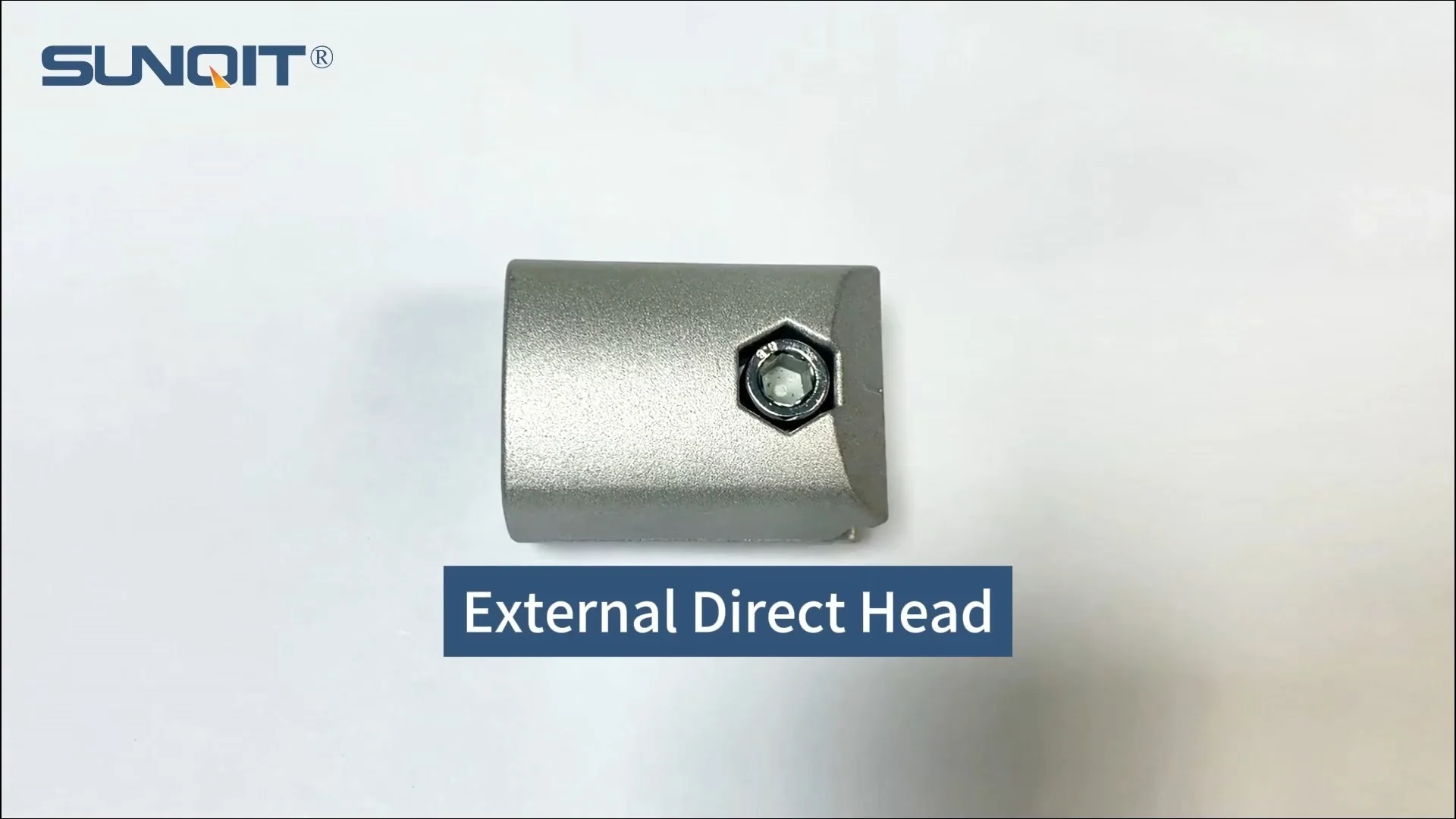
Aluminum pipe joint outside connection used for two pcs 28pcs aluminum pipe connection in straight angle,it connects two pcs pipe from outside.
In the world of manufacturing and lean production, every component plays a silent but critical role in keeping operations running smoothly. From the workbenches where products take shape to the flow racks that keep materials moving, the backbone of these systems often comes down to the smallest parts: the joints that hold everything together. Today, we're diving into a topic that might not grab headlines but can make or break your workflow efficiency: external straight aluminum joints versus steel joints. Whether you're setting up a new assembly line, upgrading an existing lean system, or simply curious about the best components for your workspace, understanding the differences between these two joint types is key. Let's explore their strengths, weaknesses, and which one might be the right fit for your needs—all while keeping an eye on how they integrate with essential elements like aluminum lean pipe, stainless steel pipe series, and the broader ecosystem of lean pipe and accessories.
First Things First: What Are External Straight Joints, Anyway?
Before we compare aluminum and steel, let's make sure we're on the same page about what these joints actually do. External straight joints are the unsung heroes of modular construction, especially in lean pipe systems. Think of them as the "connectors" that hold pipes together at straight angles, forming the framework for everything from workbenches and material racks to conveyor systems and turnover trolleys. They're designed to be versatile, allowing for quick assembly and disassembly—no welding or complex tools required. Whether you're using aluminum lean pipe or steel pipe, these joints are what turn individual tubes into functional, customizable structures.
External straight joints come in two primary materials: aluminum and steel. While their basic function is the same—connecting pipes—their material properties lead to significant differences in performance, cost, and suitability for various tasks. Let's start by getting to know each type a bit better.
Aluminum External Straight Joints: Lightweight, Flexible, and Built for Modern Lean Systems
Aluminum joints have grown in popularity over the years, especially as manufacturers shift toward more agile, adaptable production environments. Made from high-grade aluminum alloys, these joints are engineered to pair seamlessly with aluminum lean pipe and aluminum profile accessories, creating systems that are both functional and visually clean. Let's break down their biggest advantages.
The Pros: Why Teams Are Choosing Aluminum
1. Featherlight Design, Heavy on Convenience – Aluminum is naturally lightweight, and that translates directly to easier handling. If you've ever tried to assemble a steel framework by yourself, you know the strain of lifting heavy pipes and joints. Aluminum joints eliminate that hassle. A typical external straight aluminum joint weighs about 30-50% less than its steel counterpart, making on-site assembly faster and reducing the risk of worker fatigue. This is a game-changer for lean systems that require frequent reconfiguration—imagine rearranging a workbench or flow rack without needing a second pair of hands to heft the parts.
2. Corrosion Resistance: Built to Last in Diverse Environments – Aluminum forms a natural oxide layer when exposed to air, which acts as a protective barrier against rust and corrosion. Unlike steel, which can start to show signs of wear in humid or damp conditions (unless it's stainless steel, which comes with its own cost), aluminum joints hold up well in environments like food processing facilities, cleanrooms, or even outdoor storage areas. This resistance means less maintenance over time—no need to sand, repaint, or replace rusted joints, saving both time and money in the long run.
3. A Perfect Match for Aluminum Profile Accessories – One of the biggest perks of aluminum joints is their compatibility with the broader ecosystem of aluminum profile accessories. From caster wheels and roller tracks to workbench surfaces and material racks, aluminum joints integrate smoothly with these components, creating a cohesive system. For example, if you're building a workbench using aluminum lean pipe and an aluminum guide rail, the external straight aluminum joints will lock into place with minimal play, ensuring stability and precision. This compatibility reduces the risk of mismatched parts and makes it easier to source everything from a single supplier.
4. Sleek Aesthetics and Brand Image – Let's not overlook the visual appeal. Aluminum has a clean, modern look that steel (even painted steel) often can't match. In industries where facility appearance matters—like customer-facing assembly lines or tech manufacturing—aluminum systems project a sense of innovation and attention to detail. Shiny, unmarred aluminum joints can the overall look of a workspace, which might seem minor, but studies show that a well-organized, visually pleasing environment can boost employee morale and productivity.
5. Easy to Modify and Reuse – Lean manufacturing thrives on flexibility, and aluminum joints excel here. They're designed with modularity in mind, often featuring quick-release mechanisms or simple bolt-on connections that allow for tool-free adjustments. If your production needs change—say, you need to extend a flow rack or lower a workbench height—aluminum joints can be disassembled and reused without damage. This reusability reduces waste and makes it easier to adapt to new product lines or process improvements.
The Cons: Where Aluminum Falls Short
1. Lower Load Capacity Compared to Steel – The biggest trade-off for aluminum's lightweight design is its strength. While aluminum joints are more than capable of handling light to medium loads (think: small parts, tools, or subassemblies), they struggle with heavy-duty applications. A standard external straight aluminum joint might safely support around 150-200 kg per connection, whereas a steel joint could handle 300 kg or more. If your operation involves moving large machinery, heavy pallets, or stacked materials, aluminum might not be the best choice—you could risk joint failure or system instability.
2. Higher Upfront Cost – Quality aluminum alloys aren't cheap. Aluminum joints typically cost 20-40% more than their steel counterparts. For small-scale projects, this difference might be negligible, but for large facilities with hundreds of joints, the cost can add up quickly. That said, it's important to weigh this against long-term savings from lower maintenance and reusability—sometimes the initial investment pays off over time.
3. Susceptible to Denting in High-Impact Areas – Aluminum is softer than steel, which means it's more prone to dents or bending if struck by heavy objects. In busy warehouses or manufacturing floors where forklifts, pallet jacks, or turnover trolleys are constantly on the move, an accidental bump could damage an aluminum joint, compromising the entire structure. Steel joints, with their higher hardness, are more likely to withstand such impacts without deformation.
4. Limited Compatibility with Steel Pipes – While aluminum joints work beautifully with aluminum lean pipe, they're not always the best fit for steel pipes. Steel has a larger diameter tolerance than aluminum, and the threads or clamping mechanisms on aluminum joints might not grip steel pipes as securely. This can lead to wobbly connections or the need for additional adapters, which adds complexity and cost.

Steel External Straight Joints: The Heavyweights of Industrial Strength
Steel joints have been a staple in manufacturing for decades, and for good reason. Crafted from carbon steel or stainless steel (as part of the stainless steel pipe series), these joints are built to withstand the toughest conditions. They're the go-to choice for operations that prioritize raw strength and durability over weight or aesthetics. Let's explore what makes steel joints a reliable workhorse.
The Pros: Why Steel Remains a Industry Standard
1. Unmatched Strength for Heavy-Duty Applications – When it comes to load capacity, steel is in a league of its own. A standard external straight steel joint can easily support 300-500 kg per connection, making it ideal for heavy material handling, large workbenches, or multi-tiered flow racks. If your facility deals with automotive parts, industrial machinery, or bulk materials, steel joints provide the peace of mind that the structure won't buckle under pressure. This strength also translates to longer service life—steel joints can last for decades with proper care, even in high-stress environments.
2. Budget-Friendly Upfront Costs – Steel is abundant and cheaper to produce than high-grade aluminum, so steel joints are almost always more affordable initially. For small businesses or facilities with tight budgets, this can be a deciding factor. When you're purchasing hundreds of joints for a new production line, saving 20-30% per unit adds up significantly, freeing up funds for other equipment or training.
3. Durability in Harsh Conditions – While plain carbon steel is prone to rust, many steel joints are coated with zinc (galvanized), powder, or paint to resist corrosion. In industrial settings with exposure to oils, chemicals, or extreme temperatures, coated steel joints hold their own better than unprotected aluminum. For example, in a foundry or metalworking shop where sparks and debris are common, a steel joint's tough exterior is less likely to scratch or degrade compared to aluminum's softer surface.
4. Compatibility with Stainless Steel Pipe Series – For applications that demand hygiene or corrosion resistance (like pharmaceutical or marine manufacturing), stainless steel pipe series are often used. Steel joints, especially those made from stainless steel, pair perfectly with these pipes, creating a system that's both strong and resistant to rust. This compatibility ensures that even in wet or sterile environments, the joints won't compromise the integrity of the structure.
5. Familiarity and Availability – Steel joints have been around for so long that most manufacturers, suppliers, and even maintenance teams are familiar with them. Finding replacement parts or getting technical support is easier than with newer aluminum systems. If you need a joint in a hurry, chances are your local hardware store or industrial supplier has a steel option in stock, whereas aluminum joints might require ordering from a specialized lean pipe supplier.
The Cons: The Downsides of Going Steel
1. Heavy and Cumbersome to Handle – Steel's strength comes with a price: weight. A single steel joint can weigh 2-3 times more than an aluminum one, making assembly and installation physically demanding. Lifting a steel-framed workbench or flow rack often requires multiple people or mechanical assistance (like a forklift), which slows down setup and increases labor costs. In facilities where workers need to reconfigure layouts frequently, this heaviness becomes a major inconvenience.
2. Prone to Rust Without Proper Coating – Even with coatings, steel joints can rust if the protective layer is scratched or damaged. In humid environments or areas with frequent water exposure (like food processing plants that require daily hosing), uncoated or poorly coated steel joints will start to corrode, weakening the connection over time. This not only affects structural integrity but also creates a safety hazard if rust flakes contaminate products or injure workers.
3. Limited Flexibility for Reconfiguration – Steel joints are built to be sturdy, which often means they're less modular than aluminum. Many steel joints require tools (like wrenches or ratchets) to assemble, and repeated disassembly can strip threads or damage the coating. If your lean system needs to change frequently—say, for seasonal product lines or prototype development—steel joints can make reconfiguration a time-consuming, labor-intensive process.
4. Bulky Aesthetics – Let's be honest: Steel joints aren't known for their good looks. They're often bulky, with visible welds or thick coatings that give a utilitarian, industrial vibe. In modern facilities where design and employee experience are prioritized, this can feel outdated. A steel-framed workspace might look cluttered or uninviting compared to the sleek lines of an aluminum system, which could impact how employees or clients perceive your operation.

Side-by-Side: Aluminum vs. Steel External Straight Joints
To help you visualize the differences, let's put aluminum and steel joints head-to-head across key factors that matter most in lean manufacturing:
| Factor | Aluminum External Straight Joints | Steel External Straight Joints |
|---|---|---|
| Weight |
Heavy (2-3x heavier than aluminum) |
|
| Load Capacity |
Medium (150-200 kg per joint) |
High (300-500+ kg per joint) |
| Corrosion Resistance |
Excellent (natural oxide layer) |
Good (if coated); poor (if uncoated) |
| Upfront Cost |
Higher (20-40% more than steel) |
Lower (budget-friendly initially) |
| Long-Term Maintenance |
Low (minimal upkeep needed) |
Medium (coating touch-ups, rust prevention) |
| Flexibility/Reusability |
High (easy to disassemble and reconfigure) |
Low (requires tools; risk of damage on disassembly) |
| Compatibility |
Best with aluminum lean pipe and aluminum profile accessories |
Best with steel/stainless steel pipe series |
| Aesthetics |
Sleek, modern, clean look |
Bulky, industrial, utilitarian look |
| Ideal Use Cases |
Light to medium duty, clean environments, frequent reconfiguration (e.g., electronics assembly, lab workbenches) |
Heavy duty, industrial settings, high load requirements (e.g., automotive manufacturing, warehouse racking) |

Real-World Applications: When to Choose Aluminum vs. Steel
The best way to decide between aluminum and steel joints is to look at your specific use case. Let's walk through a few scenarios to see how each performs.
Scenario 1: Electronics Manufacturing Workbench
Imagine you're setting up a workbench for assembling smartphones. The components are small and lightweight, the environment needs to be clean (no rust or debris), and you might want to reconfigure the layout every few months as new models are released. Here, aluminum external straight joints shine. They're lightweight, easy to adjust, and pair beautifully with aluminum lean pipe and aluminum profile accessories like ESD (electrostatic discharge) workbench surfaces. The corrosion resistance ensures the joints won't degrade in a climate-controlled cleanroom, and the sleek look keeps the workspace feeling modern and organized.
Scenario 2: Automotive Parts Flow Rack
Now, picture a flow rack in an automotive plant, holding heavy engine blocks and transmission parts. Each shelf needs to support 300+ kg, and the rack is rarely moved once installed. Steel joints are the obvious choice here. Their high load capacity ensures safety, and the lower upfront cost helps stay within budget for a large-scale installation. Paired with stainless steel pipe series, the coated steel joints can withstand the oil and grease in the environment, and their durability means the rack will last for years without needing replacement.
Scenario 3: Food Processing Material Trolley
For a material trolley used in a bakery, where hygiene is critical and the trolley is moved multiple times a day, aluminum joints are preferable. They're lightweight, making the trolley easy to push, and their natural corrosion resistance prevents rust from contaminating food products. Aluminum's smooth surface is also easier to clean with sanitizing solutions, ensuring compliance with food safety regulations. Steel joints, even galvanized ones, might harbor bacteria in scratches or crevices, making them a risk in this setting.
Scenario 4: Heavy-Duty Warehouse Racking
In a warehouse storing pallets of construction materials, steel joints are non-negotiable. The racks need to support thousands of kilograms, and stability is paramount to prevent collapses. Steel joints, paired with thick steel pipes, provide the structural integrity required, and their lower cost makes building large-scale racking feasible. While the racks won't be moved often, the durability of steel ensures they can handle the constant loading and unloading of heavy pallets.
The Bottom Line: It's All About Your Lean System's Needs
At the end of the day, there's no "better" material—only the right material for your specific goals. Aluminum external straight joints excel in lightweight, flexible, and clean environments where aesthetics and reusability matter. They're a great fit for lean systems that prioritize agility and employee comfort. Steel joints, on the other hand, are the workhorses for heavy loads, budget constraints, and industrial settings where strength and durability take precedence.
Remember, these joints are just one part of the broader lean pipe and accessories ecosystem. Whether you choose aluminum or steel, ensure that your joints are compatible with your pipes, connectors, and other components. Working with a reputable lean pipe supplier can help you navigate these choices—they can assess your load requirements, environment, and budget to recommend the best combination of materials and accessories.
So, take a step back and evaluate your needs: What's the maximum weight your structure will support? How often will you need to reconfigure it? What's your budget, both upfront and for maintenance? Answering these questions will guide you toward the joint that will keep your lean system running smoothly for years to come. After all, in lean manufacturing, every component—even the smallest joint—plays a role in creating a more efficient, productive, and sustainable operation.