Comparing Five Way Straight Lean Pipe Joint Chrome Prices: Budget vs. Premium Options
Related Product
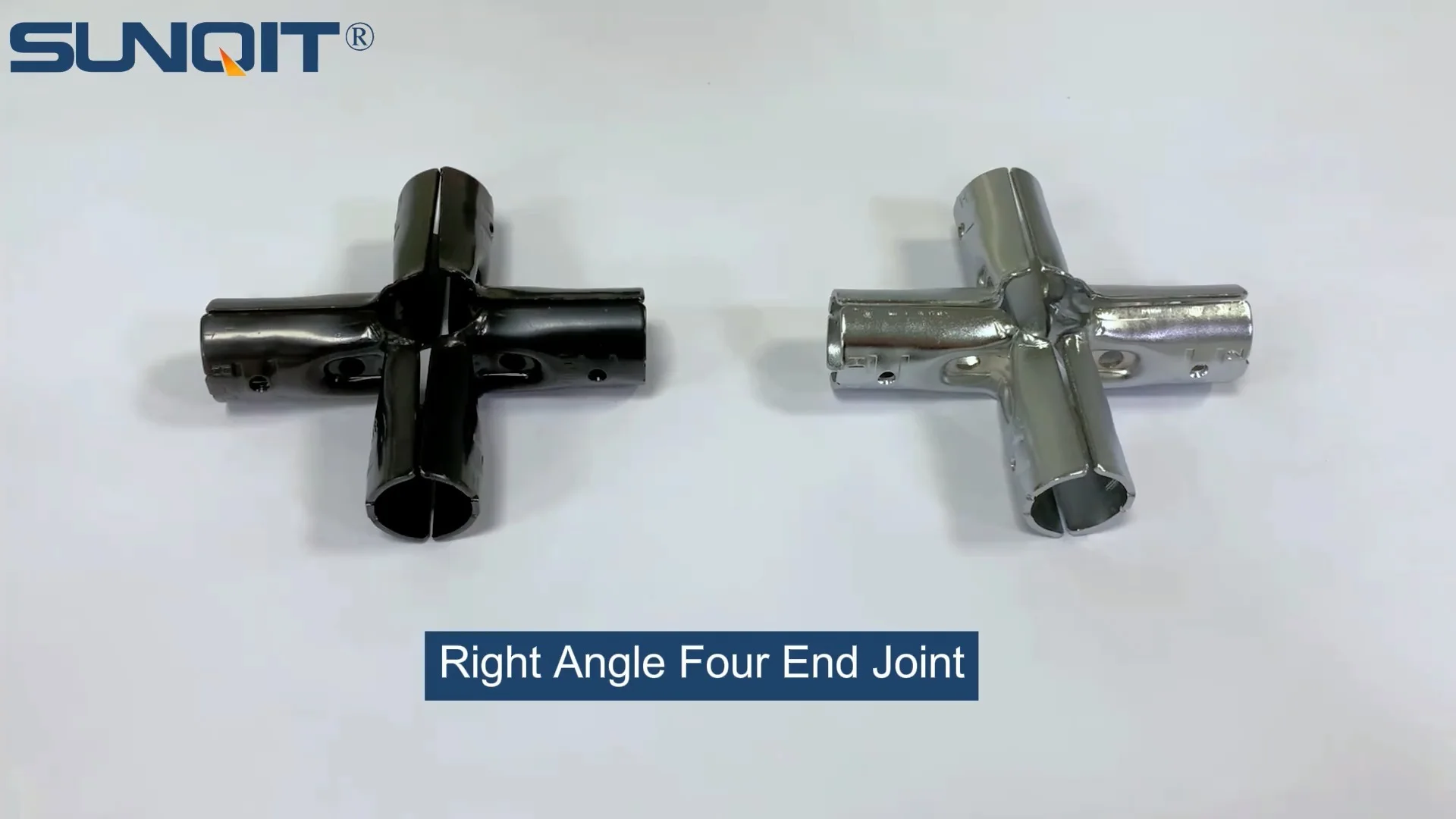
Five Way Straight Lean Pipe Joint Chrome
Five way straight lean pipe joint, for 5 pcs 28mm lean pipe connect in straight angle,which used widely in workbench, flow rack, hand trolley frame connection.
Five Way Straight Lean Pipe Joint Chrome

Navigating the trade-offs between cost and quality for your lean system components

Introduction: The Unsung Hero of Lean Systems

Walk into any modern manufacturing facility, warehouse, or assembly plant, and you'll likely spot a network of modular structures—workbenches cluttered with tools, flow racks brimming with components, conveyor systems gliding with products. These setups aren't just haphazard arrangements; they're the backbone of lean manufacturing, designed to streamline workflows, reduce waste, and keep operations running like well-oiled machines. But behind their seemingly simple design lies a world of small, critical components that hold everything together. One such component, often overlooked until it fails, is the five way straight lean pipe joint chrome.

At first glance, a joint might seem trivial. It's just a metal connector, right? But anyone who's dealt with a wobbly workbench mid-shift or a flow rack that collapsed under the weight of inventory knows better. The choice between a budget-friendly joint and a premium one isn't just about dollars and cents—it's about reliability, productivity, and the daily sanity of your team. In this article, we'll dive deep into the world of five way straight lean pipe joint chrome, exploring what sets budget and premium options apart, how to weigh their pros and cons, and why this small decision can have a big impact on your lean system's performance.
What Is a Five Way Straight Lean Pipe Joint Chrome, Anyway?

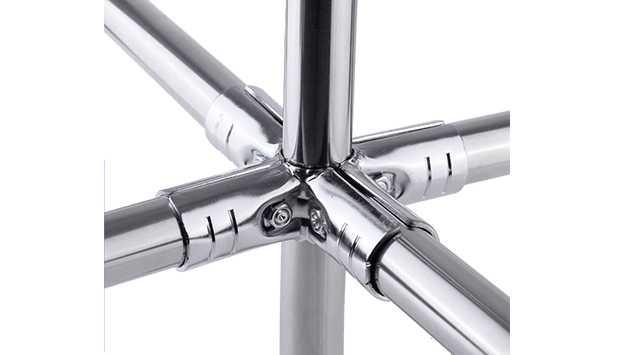
Before we compare prices, let's make sure we're all on the same page about what exactly a five way straight lean pipe joint chrome is. In the simplest terms, it's a specialized connector used to join lean pipes (also called "lean tubes") in modular structures. As the name suggests, it features five connection points arranged in a straight line, allowing you to build multi-directional frameworks—think of it as the "hub" that lets you branch out pipes horizontally or vertically to create everything from workbenches to material racks.

The "chrome" in its name refers to the chromium plating applied to its surface. This isn't just for shine; chrome adds a layer of corrosion resistance, making the joint durable even in environments with moisture, oils, or chemicals—common culprits in manufacturing settings. When paired with materials like aluminum lean pipe, these joints create lightweight yet sturdy structures that can be reconfigured as your needs change, a hallmark of lean flexibility.

But not all five way joints are created equal. The market is flooded with options, ranging from generic, budget-friendly models that cost a few dollars to premium, brand-name versions that can set you back 10 times as much. To understand why the price gap exists, we first need to appreciate why these joints matter in the first place.

Why the Right Joint Matters in Lean Systems

Lean manufacturing is all about eliminating waste—whether that's wasted time, wasted space, or wasted effort. A poorly designed or low-quality joint introduces waste in subtle but costly ways. Imagine this: You've invested in a new flow rack to speed up material handling. The budget joints you chose feel solid during installation, but after a month of daily use, they start to loosen. Now, every time an operator pulls a bin from the rack, the whole structure wobbles. They slow down, hesitating to apply pressure, fearing the rack might collapse. What was supposed to save time now costs minutes per shift. Multiply that by 20 operators and 250 workdays a year, and suddenly that "cheap" joint is costing you thousands in lost productivity.

Then there's the issue of safety. A joint that bends or breaks under load isn't just an inconvenience—it's a hazard. A falling shelf could damage products, injure workers, or shut down an entire line for hours. The cost of a workplace accident, from medical bills to OSHA fines to damaged morale, dwarfs the savings of a budget joint.

Premium joints, on the other hand, act as silent guardians. They're engineered to withstand repeated use, heavy loads, and harsh conditions, ensuring your lean structures stay stable day in and day out. They reduce downtime, minimize rework, and let your team focus on what they do best—creating value—instead of fixing avoidable problems.

Factors That Drive Five Way Straight Lean Pipe Joint Chrome Prices

So, why do some five way straight lean pipe joint chrome options cost $5 while others cost $50? The answer lies in a mix of materials, manufacturing processes, and brand reputation. Let's break down the key factors:

Material Quality: Steel Grade and Chrome Plating

At the core of any joint is the metal it's made from. Budget joints often use low-grade carbon steel, which is prone to bending under stress and rusting without proper coating. Premium joints, by contrast, typically use high-strength steel alloys or even stainless steel, which offers superior tensile strength and corrosion resistance. The thickness of the chrome plating also varies—budget options might have a thin, uneven layer that chips off easily, while premium joints boast thick, uniform plating that stands up to scratches and chemical exposure.

Manufacturing Precision: Tolerances and Fit

Ever tried connecting two pipes with a joint that just doesn't "click"? That's a tolerance issue. Budget joints are often mass-produced with loose tolerances, meaning the holes for pipes might be slightly too big or too small, leading to a wobbly fit. Premium joints, however, are manufactured with tight precision—each hole is drilled to exact measurements, ensuring a snug, secure connection every time. This precision doesn't just improve stability; it also makes assembly faster and easier, saving time during setup or reconfiguration.

Brand Reputation and Testing

Established brands that specialize in lean system components don't just slap their name on a joint—they test it rigorously. They run load tests to see how much weight it can bear before bending, corrosion tests to simulate years of exposure to harsh environments, and durability tests to ensure it can withstand thousands of assembly-disassembly cycles. These tests cost money, but they give buyers confidence that the product will perform as advertised. Budget joints, often sold by generic suppliers with no brand recognition, rarely undergo such testing.

Supplier Type: Wholesale vs. Specialized

Where you buy the joint also affects the price. A lean pipe supplier that specializes in modular components might charge more than a general wholesale distributor selling generic hardware. But there's a trade-off: specialized suppliers often offer better customer support, technical advice, and warranties, which can be invaluable if you're designing a complex lean system.

Budget Options: When Is "Cheap" Good Enough?

Budget five way straight lean pipe joint chrome options are tempting, especially for small businesses or startups watching every penny. Let's take a closer look at what they offer, who they're for, and their potential pitfalls.

Typical Features of Budget Joints

Budget joints are usually made from low-carbon steel with a thin chrome plating (often less than 5 microns thick). They're mass-produced in large quantities, with minimal quality control checks. You'll find them sold by general hardware wholesalers or online marketplaces, often listed under vague product names like "5-way pipe connector" with little to no technical specifications. Prices typically range from $3 to $10 per joint.

Pros of Budget Joints

The biggest advantage is upfront cost. If you're building a temporary structure—a pop-up workstation for a short-term project, for example—spending $5 per joint instead of $50 makes sense. They're also lightweight, which can be a plus for structures that need to be moved frequently, like mobile carts in a small warehouse.

Cons of Budget Joints

The drawbacks, however, are hard to ignore. Low-grade steel means they're prone to bending under heavy loads—don't expect them to support more than 50-100 lbs per connection. The thin chrome plating chips easily, exposing the steel to rust; in humid environments, you might start seeing corrosion within a few months. Loose tolerances lead to wobbly connections, which can make structures unstable and unsafe. And because they're rarely tested, there's no guarantee they'll hold up even under light use.

Real-World Example: A small electronics repair shop owner once shared their experience with budget joints. They built a workbench using $4 joints and aluminum lean pipe, thinking it would save money. Six months later, the bench legs had started to bend, causing the surface to slope. Tools rolled off, and components fell into cracks. What started as a $200 workbench ended up costing $300 to replace—plus the frustration of constant adjustments.

Who Should Consider Budget Joints?

Budget joints are best for temporary, low-load applications: short-term projects, prototype setups, or structures that are rarely used. If you're a hobbyist building a garage shelf or a startup testing a new workflow before investing in permanent infrastructure, they might fit the bill. Just be prepared to replace them sooner rather than later.

Premium Options: Investing in Long-Term Reliability

Premium five way straight lean pipe joint chrome options come with a higher price tag, but they're designed to deliver value over time. Let's explore what makes them worth the investment.

Typical Features of Premium Joints

Premium joints are built to last. They use high-strength steel or stainless steel, with chrome plating thickness of 10 microns or more. Many are ISO-certified, meaning they meet international standards for quality and safety. They're sold by specialized lean pipe suppliers who provide detailed specifications, including load capacity (often 200+ lbs per connection), corrosion resistance ratings, and warranty information. Prices range from $20 to $60 per joint, depending on the brand and features.

Pros of Premium Joints

The biggest benefit is durability. A premium joint can last 5-10 years in a busy facility, compared to 6-12 months for a budget option. Their tight tolerances ensure a rock-solid connection, reducing the risk of accidents and downtime. Many also come with features like anti-slip gaskets or ESD (electrostatic discharge) protection, which are critical in industries like electronics manufacturing where static can damage sensitive components. Plus, specialized suppliers often offer technical support—if you're unsure how to design a structure, they can help you choose the right joints and pipes for the job.

Cons of Premium Joints

The main downside is upfront cost. For a large project—say, building 20 workbenches—using premium joints could add thousands to your budget. This can be a barrier for small businesses or those with tight cash flow. They're also slightly heavier than budget joints, which might matter if you need ultra-lightweight structures.

Real-World Example: A mid-sized automotive parts manufacturer switched to premium joints after years of struggling with budget options. They had been replacing flow rack joints every quarter, costing $500 in parts and 10 hours of labor each time. After investing in $40 premium joints, they haven't replaced a single one in three years. The initial cost was higher, but the savings in labor and downtime more than made up for it.

Who Should Consider Premium Joints?

Premium joints are ideal for permanent or high-use structures: main assembly line workbenches, heavy-duty flow racks, or conveyor systems that run 24/7. They're also a must for industries with strict safety or quality standards, like aerospace or medical device manufacturing, where a failed joint could have catastrophic consequences. If your lean system is central to your daily operations, the peace of mind that comes with premium joints is worth the investment.

Budget vs. Premium: A Side-by-Side Comparison

To help you visualize the trade-offs, here's a detailed comparison of budget and premium five way straight lean pipe joint chrome options:

Feature Budget Option Premium Option
Material Low-carbon steel, thin chrome plating High-strength steel or stainless steel, thick chrome plating (10+ microns)
Load Capacity 50-100 lbs per connection 200+ lbs per connection
Expected Lifespan 6-12 months in high-use environments 5-10 years in high-use environments
Price Range $3-$10 per joint $20-$60 per joint
Supplier Type Generic wholesalers, no brand recognition Specialized lean pipe supplier, established brand
Testing & Certifications Rarely tested; no certifications Load, corrosion, and durability tested; often ISO-certified
Warranty No warranty or limited (30 days) 1-5 year warranty
Common Issues Wobbling, bending, rust, loose fit None, if used correctly

Beyond the Joint: How It Fits Into Your Lean Ecosystem

Choosing a five way straight lean pipe joint chrome isn't just about the joint itself—it's about how it works with the rest of your lean system. For example, if you're using lightweight aluminum lean pipe, a heavy-duty stainless steel joint might be overkill. Conversely, if you're building a workbench to hold heavy machinery, pairing aluminum pipe with a budget joint is a recipe for disaster.

It's also important to consider future needs. Lean systems are all about adaptability—what starts as a simple workbench might need to evolve into a multi-tiered material rack next year. Premium joints, with their durability and precision, make reconfiguration easier; you can disassemble and reassemble them without worrying about wear and tear. Budget joints, however, might not survive multiple reconfigurations, forcing you to buy new ones each time.

And don't forget about the human element. Your team interacts with these structures daily. A sturdy, stable workbench built with premium joints reduces fatigue—no more leaning against a wobbly surface or struggling to keep tools from sliding off. It sends a message that you value their safety and efficiency, which can boost morale and productivity.

Tips for Choosing: Finding the Right Balance for Your Needs

So, how do you decide between budget and premium? Here are a few questions to guide your choice:

  • How long will the structure last? If it's temporary (less than a year), budget might work. If it's permanent, go premium.
  • What's the load capacity? If you're storing heavy items or using the structure for assembly, premium joints are non-negotiable.
  • What's the environment like? High humidity, chemicals, or frequent cleaning? Chrome plating thickness and material quality matter here.
  • How often will it be reconfigured? Frequent changes mean you need joints that can withstand repeated use—opt for premium.
  • What's your total cost of ownership? Calculate not just the upfront price, but also the cost of replacements, downtime, and labor for repairs. Premium joints often come out cheaper in the long run.

When in doubt, talk to a lean pipe supplier. They can assess your needs, recommend products, and even provide samples so you can test joints before committing to a large order. Many suppliers also offer bulk discounts, which can help offset the cost of premium joints for big projects.

Conclusion: Investing in the Foundation of Your Lean System

At the end of the day, the choice between budget and premium five way straight lean pipe joint chrome comes down to your priorities. If upfront cost is your only concern, budget joints might seem appealing—but they often end up costing more in the long run. Premium joints, while pricier, offer durability, safety, and peace of mind that can transform your lean system from a source of frustration into a competitive advantage.

Remember, lean manufacturing is about eliminating waste—and nothing wastes more time, money, and energy than a component that fails when you need it most. The next time you're designing a modular structure, take a moment to appreciate the small but mighty joint that holds it all together. Choosing wisely could be the difference between a system that merely functions and one that thrives.


Get In Touch with us

Hey there! Your message matters! It'll go straight into our CRM system. Expect a one-on-one reply from our CS within 7×24 hours. We value your feedback. Fill in the box and share your thoughts!